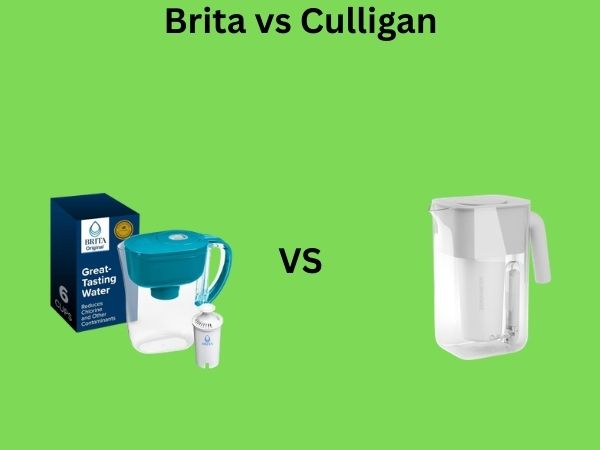
Brita vs Culligan: Which Water Filter Is More Effective?
If you’re standing in front of your kitchen sink wondering which water filter system will actually make a difference in your life, you’re not alone. The battle between Brita and Culligan has been quietly raging in households across America for years. But here’s the thing—choosing between them isn’t as straightforward as flipping a coin. Both brands have loyal followers, skeptics, and everyone in between. So let’s dive deep and figure out which one deserves a spot on your countertop or under your sink.
Understanding the Water Filter Market
The water filtration industry is booming, and for good reason. We’re all becoming more conscious about what we’re putting into our bodies. Tap water quality varies wildly depending on where you live. Some municipalities have excellent water treatment facilities, while others… well, let’s just say you can taste the chlorine. This is where filters come in. They’re like bodyguards for your drinking water, protecting you from unwanted contaminants that might be lurking in your pipes.
When you look at the water filter landscape, two names consistently pop up: Brita and Culligan. They’re not the only players in the game, but they’re definitely the heavyweights. Understanding how they work and what they can actually do for you is crucial before making a decision.
What Is Brita and How Does It Work?
Brita is the brand you’ve probably seen in someone’s refrigerator. It’s been around since the 1960s, making it a relative veteran in the water filter world. The company specializes in pitcher filters, faucet-mounted filters, and bottle filters—basically, they’ve got options for almost every lifestyle.
The Brita Pitcher System
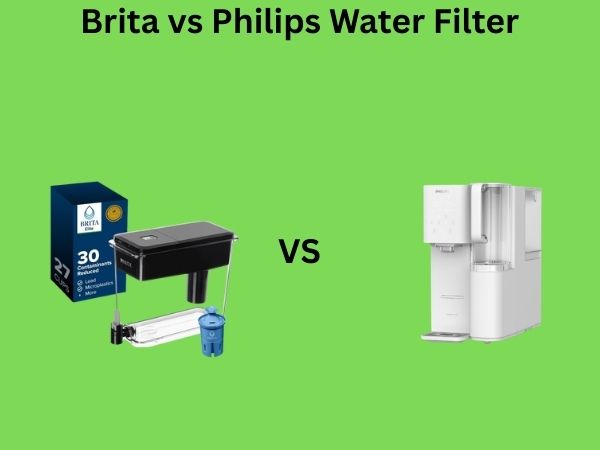
The classic Brita pitcher is deceptively simple. You fill it with tap water, and a replaceable filter cartridge does the heavy lifting. These cartridges contain activated carbon and ion exchange resin, which work together like a dynamic duo. The activated carbon traps chlorine, sediment, and some organic compounds. The ion exchange resin softens the water by reducing mineral content. It’s not rocket science, but it’s effective for everyday use.
What makes Brita popular is convenience. No installation required. No plumbing knowledge necessary. You literally just buy a pitcher, insert a filter, and boom—filtered water. The filters typically need replacing every two to three months, depending on your water usage.
Brita Faucet-Mounted Filters
If you want something more integrated, Brita’s faucet-mounted filters attach directly to your tap. They’re less intrusive than under-sink systems but offer similar convenience. These filters also use activated carbon but are designed for higher water flow rates than pitcher filters. They’re great if you want instant filtered water without filling up a pitcher every time.
What Is Culligan and How Does It Work?
Culligan takes a different approach altogether. Instead of selling you a product you maintain yourself, Culligan operates more like a water treatment subscription service. The company has been in business since 1936—making it older than Brita—and has a massive network of dealers across North America.
The Culligan Under-Sink System
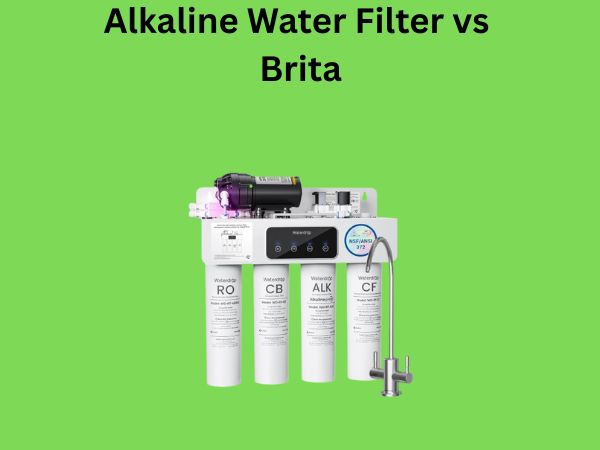
Most Culligan systems are installed under your sink or in your basement. They require professional installation, which means calling a technician and potentially spending money upfront. However, once installed, these systems work continuously to filter your water. They use reverse osmosis, carbon filtration, or sediment filters—sometimes a combination of all three.
The advantage here is capacity. While a Brita pitcher filters a few gallons at a time, a Culligan system can treat your entire household’s water supply. This is particularly useful if you use filtered water for cooking, cleaning, and drinking.
The Culligan Exchange Service Model
Here’s where Culligan differs significantly. They don’t just sell you filters; they offer a subscription-like service where technicians deliver and exchange water bottles or service your system. Some people love this because they never have to worry about remembering to change filters. Others find it annoying because it locks them into a recurring service relationship.
Filtration Effectiveness: The Real Comparison
This is where things get interesting. Both brands claim to filter water effectively, but what exactly are they removing?
What Brita Removes From Water
Brita filters are certified to reduce the following contaminants:
- Chlorine and chlorine taste/odor
- Sediment and particles
- Copper
- Zinc
- Cadmium
- Mercury
- Some organic compounds
That’s a decent list, but here’s what Brita doesn’t remove: bacteria, viruses, fluoride, nitrates, and most pharmaceutical residues. If your water supply has serious contamination issues, a Brita pitcher might not be enough.
What Culligan Removes From Water
Culligan’s capabilities depend on which system you choose. Their reverse osmosis systems, for instance, are far more comprehensive. They can remove:
- Up to 99% of dissolved solids
- Bacteria and viruses
- Chlorine and chemical tastes
- Heavy metals
- Fluoride
- Nitrates and nitrites
- Pesticides and herbicides
- Pharmaceuticals
The difference is substantial. Culligan’s systems go deeper into the filtration process, removing contaminants that Brita simply can’t touch.
Cost Comparison: Initial Investment and Ongoing Expenses
Let’s talk money because this matters when you’re making a decision.
Brita Costs
A basic Brita pitcher costs between twenty and forty dollars. Filter replacements run around five to eight dollars each. If you replace filters every two months, you’re spending thirty to forty-eight dollars annually in filter costs alone. Even if you buy multiple pitchers for different rooms, you’re looking at a relatively low upfront investment with modest ongoing expenses.
Culligan Costs
Here’s where Culligan gets pricier. Installation of an under-sink system can cost several hundred dollars. Monthly service fees typically range from thirty to fifty dollars for their exchange programs, though some systems have higher costs. Over a year, you might spend between four hundred and eight hundred dollars—significantly more than Brita.
However, if you factor in water quality improvement and the convenience of not thinking about filter replacement, some people argue Culligan’s cost is justified.
Ease of Use and Maintenance
Brita: Simple But Requires Attention
Using Brita is straightforward. Fill the pitcher, wait a few minutes for water to filter, and drink. The challenge? You have to remember to refill it. You also need to remember to replace the filter cartridges, which requires paying attention to when they’ve served their lifespan. It’s not difficult, but it requires some personal responsibility.
Culligan: Set It and Forget It
With Culligan, you don’t worry much once the system is installed. A technician handles service visits and filter replacements. For people who hate maintenance tasks, this is incredibly appealing. However, you’re dependent on the service company’s schedule, and if something goes wrong, you might have to wait for a technician visit.
Water Quality and Taste Differences
Here’s something people don’t always consider: the water might look identical, but how does it taste?
Brita’s filtration improves taste by removing chlorine and some sediment. Most people notice an immediate difference—the water tastes fresher and less “chlorinated.” However, if your tap water has more serious issues, a Brita filter might not transform it dramatically.
Culligan’s systems, particularly reverse osmosis units, can create noticeably softer, cleaner-tasting water. Some people love this. Others find reverse osmosis water too “pure” and prefer the mineral content that Brita leaves in. It’s genuinely a matter of preference.
Environmental Impact: Filter Waste Concerns
Let’s be honest—no filter system is perfect from an environmental standpoint.
Brita’s Plastic Predicament
Brita filter cartridges are small plastic objects that need replacing every couple months. Over years, that adds up to considerable waste. While Brita has recycling programs in some locations, many of these filters end up in landfills. The plastic pitcher itself, however, is durable and lasts years.
Culligan’s System Considerations
Culligan’s bottled water exchange service creates plastic bottle waste if you choose that option. However, their under-sink systems are permanent installations with filters that last longer before replacement. In the long run, they might generate less waste than constantly replacing Brita cartridges.
Installation and Space Requirements
Brita Takes Minimal Space
A Brita pitcher fits in most refrigerators. Faucet-mounted filters take barely any space at all. This makes Brita ideal for apartments, small kitchens, or renters who can’t modify plumbing. There’s zero installation complexity.
Culligan Requires Professional Setup
Under-sink Culligan systems need dedicated space and professional installation. This isn’t a casual DIY project. You’re modifying your plumbing, which means calling technicians. If you rent your home, you might need landlord permission. These aren’t insurmountable obstacles, but they’re definitely considerations.
Brand Reputation and Customer Satisfaction
Both brands have strong reputations, but in different ways.
Brita is beloved for accessibility and simplicity. Customer reviews consistently praise the improved taste of water and the ease of use. Common complaints involve filter cartridge pricing and the need for frequent replacements.
Culligan has a long history and professional reputation. Customers appreciate the comprehensive filtration and service model. Complaints often focus on the monthly fees feeling expensive and occasional service appointment scheduling issues.
Which System Suits Which Lifestyle?
Choose Brita If You:
- Live in an apartment or rental
- Want a simple, low-commitment solution
- Have a modest budget
- Don’t want professional installation
- Have relatively clean tap water that just needs taste improvement
- Prefer to avoid monthly service contracts
Choose Culligan If You:
- Own your home and can modify plumbing
- Need comprehensive filtration for serious contaminants
- Want convenience and don’t mind paying for service
- Have a larger household with higher water consumption
- Prefer not to think about filter maintenance
- Want professional monitoring of water quality
Testing and Certification Standards
Both brands undergo third-party testing. Brita’s filters meet NSF International standards for specific contaminants. Culligan’s systems also comply with NSF standards, particularly for their reverse osmosis units. Neither company can claim to remove every possible contaminant—no consumer filter system can—but both are legitimate and tested.
If you’re concerned about specific contaminants in your water, get your water tested first. This information will guide which system actually makes sense for your situation.
Long-Term Value and Investment
Over five years, a Brita system costs roughly two hundred to three hundred dollars in filters and pitcher replacement. A Culligan system over the same period costs fifteen hundred to four thousand dollars.
But value isn’t just about money. It’s about health, convenience, and peace of mind. If Culligan’s superior filtration prevents health issues or the convenience saves you mental energy, that might be worth the investment.
Common Misconceptions About Both Brands
Let’s address some myths. Brita doesn’t remove all contaminants—and it never claimed to. Culligan isn’t overkill for everyone—it depends on your water quality. Neither system removes fluoride effectively unless specifically designed to do so. Both brands work best when combined with regular water quality testing.
Conclusion
So which water filter is more effective—Brita or Culligan? The answer is: it depends on your specific situation. Brita is more effective at being affordable, convenient, and appropriate for minor filtration needs. Culligan is more effective at comprehensive water treatment for serious contamination concerns. Brita wins on accessibility and simplicity. Culligan wins on depth of filtration and service convenience. If you want an honest assessment, neither is objectively “better”—they’re just different tools for different jobs. Start by testing your tap water to understand what you’re dealing with. Then match that reality to the system that makes sense for your home, budget, and lifestyle. That’s how you’ll find the water filter that’s genuinely effective for you.
Frequently Asked Questions
How often should I replace my Brita filter?
Brita recommends replacing filters every two to three months, or after filtering approximately forty gallons of water. However, the exact timeline depends on your tap water quality and usage frequency. If you have particularly contaminated water, filters might need more frequent replacement. Most users notice decreased flow rate when filters need changing, which serves as a practical reminder.
Does Culligan remove fluoride from water?
Standard Culligan systems do not remove fluoride effectively. However, Culligan offers specialized reverse osmosis systems that can remove fluoride if that’s a specific concern for you. You’ll need to specify fluoride removal when discussing your needs with a Culligan dealer, as it may require a premium system configuration.
Can I use Brita water for cooking and making tea?
Absolutely. Brita-filtered water is safe and actually beneficial for cooking since it removes chlorine and improves taste. Many cooking enthusiasts prefer filtered water for making tea, coffee, and soups. The improved taste of the water often enhances the final dish or beverage.
Is Culligan water the same as bottled water?
Culligan’s bottled water exchange service provides purified water, though the purity level depends on the system they’re using. Their reverse osmosis systems produce water similar to many commercial bottled water brands. However, home-filtered Culligan water isn’t identical to bottled water because it’s continuously processed in your home rather than in a bottling facility.
What happens if I don’t replace my water filter?
Using an expired water filter significantly reduces its effectiveness. Contaminants aren’t removed properly, and you’re essentially just drinking tap water while thinking it’s filtered. Additionally, a clogged filter can become a breeding ground for bacteria if water stagnates in the cartridge. It’s important to follow replacement schedules for both Brita and Culligan systems.
“`
—
## **Article Outline Used:**
1. Introduction
2. Understanding the Water Filter Market
3. What Is Brita and How Does It Work?
–