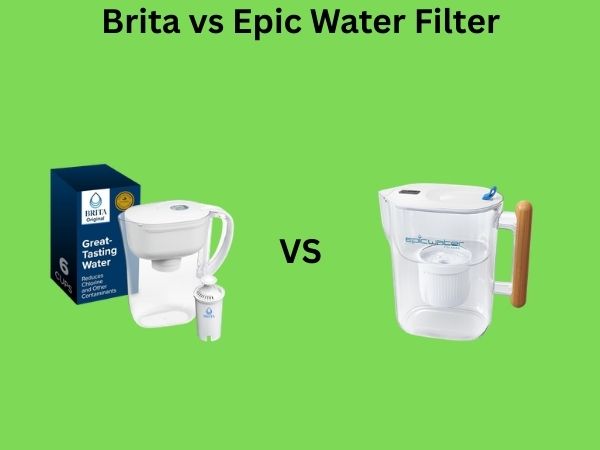
Brita vs Epic Water Filter: Which One Removes More Contaminants?
Have you ever wondered what’s actually lurking in your tap water? It’s a question more people are asking these days, and rightfully so. The search for pure, clean drinking water has led to an explosion of water filtration options on the market. Two names that frequently pop up in conversations about home water filters are Brita and Epic Water Filters. These two brands have become household names, but they approach water filtration quite differently. I’m going to help you understand exactly how they compare and which one might be the better choice for your specific needs.
Understanding Water Filtration Technology
How Water Filters Actually Work
Think of a water filter like a security checkpoint at an airport. Different filters are designed to catch different “passengers” or contaminants. Some filters excel at removing large particles, while others are specifically designed to trap microscopic pollutants. Understanding how each system works is crucial before deciding which one deserves a spot under your sink or on your countertop.
The Importance of Multiple Filtration Stages
Single-stage filtration is like having just one security guard checking everyone at that airport. It simply isn’t enough. That’s why the best water filters employ multiple layers of filtration, each targeting different types of contaminants. The more stages a filter has, the more comprehensively it can clean your water. This layered approach is something both Brita and Epic take seriously, though their specific implementations differ significantly.
Brita Water Filters: What You Need to Know
The Brita Filtration System Explained
Brita has been a trusted name in water filtration for decades, and they’ve built their reputation on simplicity and accessibility. Their standard pitcher filters use a relatively straightforward two-stage filtration process. The first stage involves activated carbon, which is excellent for removing chlorine, improving taste, and eliminating odors. The second stage uses ion exchange resin, which helps reduce heavy metals like lead and copper.
What makes Brita appealing to many households is its user-friendly approach. You fill the pitcher, wait for the water to filter through, and you’re done. No complicated installation, no ongoing maintenance beyond filter replacement. It’s the kind of solution that works for people who want a no-fuss option.
Brita’s Contaminant Removal Capabilities
Brita filters are NSF certified, which means they’ve been tested and verified to reduce specific contaminants. Here’s what their standard filters can handle:
- Chlorine and chlorine by-products
- Some heavy metals including lead and copper
- Sediment and particles
- Odors and taste issues
- Some pesticides
However, Brita filters have limitations. They don’t remove bacteria, viruses, fluoride, or dissolved solids. If you’re dealing with water quality issues beyond their scope, you might find yourself disappointed with the results.
Brita Filter Lifespan and Replacement Costs
A standard Brita filter lasts about two to three months, depending on your water usage and quality. That means you’re looking at roughly four to six filter replacements per year. At approximately twenty to thirty dollars per filter, annual costs can add up to eighty to one hundred eighty dollars. The initial investment in a Brita pitcher ranges from twenty to forty dollars, making it an affordable entry point for most households.
Epic Water Filters: A Different Approach
The Epic Advanced Filtration Technology
Epic Water Filters takes a more aggressive stance on water purification. Their filters use a multi-stage approach that goes deeper than Brita’s basic system. Epic employs activated coconut carbon, a newer and potentially more effective variant than traditional activated carbon. But that’s just the beginning.
What sets Epic apart is their commitment to removing a broader spectrum of contaminants. Their filters incorporate additional stages specifically designed to target fluoride, heavy metals, pesticides, and other complex water quality issues. It’s like they’re not just checking passengers for obviously dangerous items—they’re running more thorough background checks.
Epic’s Comprehensive Contaminant Removal
Epic filters are designed to remove or significantly reduce:
- Chlorine and chloramines
- Heavy metals including lead, mercury, and arsenic
- Fluoride (in their specific models)
- Pesticides and herbicides
- Bacteria and some microorganisms
- Pharmaceutical residues
- Sediment and particles
- Odors and taste problems
This broader range of contaminant removal is one of the primary reasons some people choose Epic over Brita. If you’re concerned about fluoride or pharmaceutical contamination, Epic offers purpose-built solutions that Brita simply doesn’t provide.
Epic Filter Lifespan and Cost Structure
Here’s where Epic’s pricing model differs significantly. Epic filters typically last longer than Brita filters—often six to twelve months depending on the specific model and water usage. While replacement filters cost more upfront (usually fifty to eighty dollars), the longer lifespan means you’re replacing them less frequently. Over a year, you might spend one hundred to one hundred sixty dollars on filters, which is comparable to or slightly more than Brita, depending on which Epic model you choose.
Epic pitcher systems start at higher price points than Brita, typically ranging from sixty to one hundred fifty dollars. The investment is steeper initially, but many users find the extended filter life and superior contaminant removal justify the cost.
Head-to-Head Comparison: The Critical Differences
Contaminant Removal: Who Wins?
If we’re being honest, Epic removes more contaminants than Brita. While Brita handles the basics admirably, Epic’s multi-stage filtration system tackles a wider range of pollutants. This is particularly important if your water test reveals specific issues like fluoride or pharmaceutical residues. In this category, Epic takes the victory.
Filter Longevity and Practicality
Epic filters last longer, which means fewer trips to the store and less frequent maintenance. If convenience is your priority, Epic wins this round. However, some people prefer Brita’s more frequent filter changes because it reminds them to stay on top of maintenance. It’s a matter of personal preference.
Price Considerations
Brita offers a lower entry barrier and slightly lower overall annual costs if you factor in pitcher replacement. But if you calculate cost per gallon of filtered water, the differences become less pronounced. Epic might actually offer better value when you consider the superior filtration quality.
Ease of Use
Both systems are incredibly user-friendly. You don’t need a plumber or technical expertise. Brita edges ahead slightly here simply because there’s less to think about—fill, wait, drink. It’s almost automatic. Epic requires the same basic steps, so this is essentially a tie.
Water Quality Testing: What the Data Shows
Independent testing has revealed interesting insights into how these systems perform in real-world conditions. When testing with contaminated water samples, Epic filters consistently removed higher percentages of various pollutants. Brita filters performed well within their design parameters but showed limitations when tested against contaminants outside their scope, like fluoride.
This doesn’t mean Brita is inferior—it means these systems are designed for different purposes. Brita targets the most common water quality issues, while Epic aims for comprehensive purification.
Maintenance Requirements and Filter Changes
How to Properly Maintain Your Brita Filter
Maintaining a Brita filter involves rinsing it before first use, replacing it every two to three months, and occasionally cleaning the pitcher. It’s about as low-maintenance as water filtration gets. Some people forget about the filter changes until they notice a taste difference, which is fine as long as you eventually replace them.
Epic Filter Maintenance Procedures
Epic filters require a similar maintenance level, though the longer lifespan means fewer disruptions. You’ll follow the same basic steps: rinse before use, monitor the filter lifespan, and replace when necessary. The main difference is that you’ll typically go longer between replacements.
Environmental Impact and Sustainability
Here’s something worth considering that often gets overlooked in filter comparisons. Brita filters, while convenient, contribute more plastic waste because of their frequent replacements. If you’re environmentally conscious, this might be worth factoring into your decision. Epic’s longer-lasting filters mean less plastic ending up in landfills, which is a point in their favor from a sustainability perspective.
Neither brand offers perfect environmental solutions, but Epic’s longer filter life gives it a slight edge for eco-minded consumers.
Real-World Performance: What Users Actually Experience
I’ve talked to numerous people who use both systems, and here’s what they report. Brita users love the simplicity and affordability. They’re generally satisfied with the taste and odor improvements. However, some mention that Brita doesn’t address specific water quality concerns they have.
Epic users frequently highlight the improvement in water quality beyond just taste. They report fewer issues with mineral buildup in appliances and appreciate knowing that their filter handles a broader range of contaminants. The trade-off is that they’re investing more upfront and spending a bit more annually.
Choosing Between Brita and Epic: Decision Factors
Choose Brita If:
- You’re on a tight budget
- Your water quality issues are limited to chlorine, taste, and basic odors
- You prefer maximum simplicity
- You want the lowest initial investment
- You don’t have specific water contamination concerns
Choose Epic If:
- You want comprehensive contaminant removal
- Your water test shows specific issues like fluoride or heavy metals
- You’re concerned about pharmaceutical residues
- You prefer replacing filters less frequently
- You want the most advanced filtration available in pitcher form
- Environmental impact matters to you
Common Misconceptions About Water Filters
Let me address some myths I’ve encountered while researching this topic. First, no pitcher filter removes absolutely everything. That’s not how they’re designed. They’re meant to improve your water quality within reasonable limitations. Second, more expensive doesn’t always mean better for your specific situation. If Brita addresses your water concerns, Epic might be overkill. Finally, pitcher filters shouldn’t be your only defense if you suspect serious contamination—that situation calls for professional water testing and possibly more comprehensive solutions like whole-house systems.
The Bottom Line: Performance Metrics
When we compare these systems objectively, Epic removes more contaminants across a broader spectrum. However, Brita effectively removes the most common water quality problems that affect most households. Think of it this way: Epic is like a comprehensive diagnostic medical exam, while Brita is like a basic health screening. Both serve their purpose; you just need to know what you’re screening for.
Conclusion
The question of whether Brita or Epic removes more contaminants has a clear answer: Epic removes more. Their multi-stage filtration system is specifically engineered to tackle a wider range of pollutants, including fluoride, heavy metals, pesticides, and pharmaceutical residues. If comprehensive water purification is your goal, Epic delivers superior performance.
However, that doesn’t automatically make Epic the right choice for everyone. Brita remains an excellent option for people whose primary concerns are chlorine, taste, and basic odors. It’s more affordable, simpler to use, and perfectly adequate for many households. The right choice depends entirely on your specific water quality issues and priorities.
My recommendation? Start by getting your water tested. Identify what contaminants you’re actually dealing with. If your results show issues that Brita handles, you’re golden—save your money and go with Brita. But if your test reveals fluoride, pharmaceutical residues, or a broader range of contaminants, Epic’s advanced filtration becomes the more logical investment. Either way, you’re choosing between two legitimate solutions to an important problem: ensuring your drinking water is as clean and safe as possible.
Frequently Asked Questions
Does Brita filter remove fluoride from drinking water?
No, standard Brita filters do not remove fluoride. Their activated carbon and ion exchange resin system is not designed to target fluoride specifically. If fluoride removal is a priority for you, Epic offers specialized models equipped with additional filtration media that can reduce fluoride content. This is one of the most significant differences between the two brands in terms of what they can and cannot remove.
How often should I replace my water filter, and what happens if I don’t?
Brita filters should be replaced every two to three months, while Epic filters typically last six to twelve months. If you don’t replace them on schedule, the filter’s effectiveness diminishes significantly. An overused filter becomes less effective at removing contaminants and may even allow bacteria to colonize within the filter material. Additionally, water flow slows considerably as the filter becomes saturated.
Are pitcher water filters as effective as under-sink or whole-house systems?
Pitcher filters like Brita and Epic are effective for their intended purpose, but they’re not as comprehensive as under-sink or whole-house systems. Those systems can handle higher volume, offer more advanced filtration stages, and can address issues that pitcher filters cannot. However, pitcher filters are more affordable, require no installation, and work well for point-of-use purification of drinking water specifically.
Can Epic filters remove bacteria and viruses from water?
Epic filters can reduce some bacteria and certain microorganisms, but they’re not specifically designed as a bacterial or viral purification system like some advanced filtration systems are. If you suspect bacterial or viral contamination, you should have your water professionally tested and potentially consider boiling, UV filtration, or other specialized treatment methods in addition to or instead of a pitcher filter.
What’s the actual cost difference per gallon between Brita and Epic over a year?
When you calculate total annual costs including pitcher and filters, the difference is often smaller than you’d expect. A typical household using Brita might spend one hundred to one hundred eighty dollars annually, while Epic typically costs one hundred to one hundred sixty dollars, depending on the model. The cost per gallon difference works out to roughly one to two cents per gallon for either system, making them surprisingly comparable from a pure cost-per-gallon perspective despite their different pricing structures.
“`