Brita Standard vs Elite Filter: A Comprehensive Comparison Guide
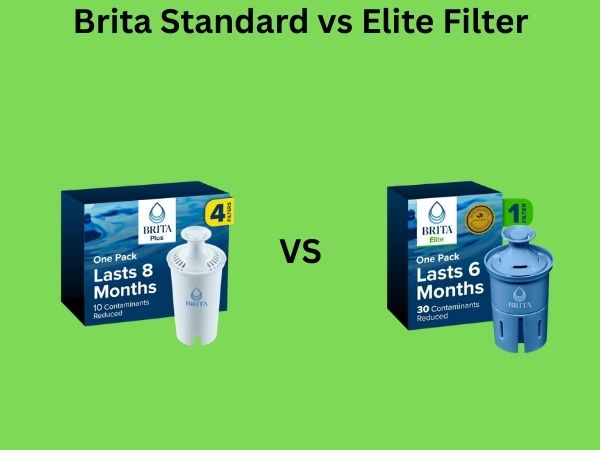
When you’re standing in front of the water filter aisle at your local store, you’ve probably noticed that Brita has become almost synonymous with filtered water pitchers. But here’s the thing – not all Brita filters are created equal. If you’re torn between the Standard and Elite models, you’re not alone. Many households face this exact dilemma when trying to figure out which filter pitcher will best serve their needs. Let me walk you through everything you need to know to make an informed decision.
Understanding the Brita Water Filter Ecosystem
Before we dive into comparing these two specific models, let’s take a step back and understand why water filtration matters in the first place. Your tap water travels through miles of pipes, potentially picking up sediment, chlorine, and other impurities along the way. While most municipal water is safe to drink, it doesn’t always taste great or smell fresh. That’s where Brita comes in. The company has been perfecting water filtration since the 1970s, and they’ve built a reputation for making filters that actually work.
Why Choose Between Standard and Elite?
You might wonder why Brita offers multiple models instead of just one perfect filter. The answer is simple – different people have different needs. Some folks prioritize affordability and basic functionality, while others are willing to invest a bit more for advanced features. The Standard and Elite models represent two distinct points on this spectrum, and understanding their differences helps you align your choice with your priorities.
The Brita Standard Filter: Simplicity Meets Function
Let’s start with the Standard model, which serves as the entry point to Brita’s filtered pitcher lineup. Think of it as the reliable workhorse that doesn’t try to do too much but executes its core mission flawlessly.
Core Design and Capacity
The Brita Standard pitcher typically holds about 5 to 6 cups of water, making it ideal for individuals or small households. The design is straightforward and ergonomic, with a comfortable handle and a simple flip-top lid for easy refilling. The pitcher’s footprint is relatively compact, so it won’t hog valuable refrigerator real estate – something apartment dwellers and those with smaller kitchens definitely appreciate.
Filtration Technology in the Standard Model
The Standard filter uses Brita’s basic activated carbon and ion exchange resin technology. This combination effectively removes chlorine taste and odor, which is the primary complaint most people have about tap water. The filter also reduces sediment and some other impurities, though it’s not designed to tackle everything. If your main concern is making your water taste better and smell fresher, the Standard filter handles this beautifully.
Filter Life and Replacement Schedule
One of the most practical aspects of any filter pitcher is how long the filter lasts. The Standard filter is designed to last about two months under typical usage, or after filtering approximately 40 gallons of water. For a single person or couple, this timeline usually means replacing the filter roughly every 60 days. The filter replacement process is straightforward – you simply lift the filter basket and snap in a new one. No tools required, no fuss.
Pricing and Value Proposition
Here’s where the Standard really shines if budget is your primary consideration. The pitcher itself costs significantly less than premium models, and the replacement filters are among the most affordable in the Brita lineup. If you’re primarily focused on getting more palatable water without breaking the bank, the Standard offers excellent value for money.
The Brita Elite Filter: Premium Features and Extended Performance
Now let’s examine the Elite model, which represents Brita’s mid-to-premium offering. This pitcher is for those who want a bit more sophistication and are willing to spend extra for it.
Enhanced Design and Larger Capacity
The Elite pitcher boasts a larger capacity than the Standard, typically holding 8 to 10 cups of filtered water. For households with multiple people or those who want to filter less frequently, this extra capacity is genuinely convenient. The design is also more refined, often featuring a sleeker appearance that looks more at home on a modern kitchen counter. The handle and pouring spout are ergonomically designed with user comfort in mind.
Smart Technology Integration
One of the defining features of the Elite model is its smart technology. Many Elite pitchers come equipped with a digital filter indicator that tells you exactly when your filter needs replacing. Rather than relying on guesswork or a calendar, this electronic system monitors water usage and alerts you when it’s time for a fresh filter. If you’ve ever wondered whether you should replace a filter a bit early or push it a few more days, this technology eliminates that uncertainty.
Advanced Filtration Capabilities
The Elite filter takes water purification a step further than the Standard. While it still uses activated carbon and ion exchange resin, the Elite’s formulation is engineered to be more effective. It reduces a broader range of contaminants and can tackle more aggressive odors and tastes. The Elite filter is particularly effective at reducing chlorine, sediment, mercury, and other contaminants that can affect both taste and safety. For those with more sensitive palates or concerns about specific water quality issues, this enhanced filtration is worth considering.
Filter Longevity and Replacement Costs
The Elite filter lasts longer than the Standard – typically two to three months, or after filtering approximately 60 gallons. This extended life means you’ll replace the filter less frequently, which translates to fewer interruptions in your filtered water supply and potentially lower long-term costs despite the higher upfront price of the pitcher and filters.
However, it’s important to note that Elite replacement filters do cost more than Standard filters. You’ll need to calculate whether the extended filter life and superior filtration justify the premium price for your household.
Head-to-Head Comparison: The Critical Differences
Let me break down the key differences so you can evaluate them against your specific needs and preferences.
Capacity and Household Size
- Standard: Better for individuals, couples, or small households with limited counter space
- Elite: Better for families or anyone who uses filtered water heavily throughout the day
If you find yourself refilling your pitcher multiple times daily, the Elite’s larger capacity will save you frustration.
Filtration Power and Water Quality
- Standard: Removes chlorine taste and odor, basic sediment reduction
- Elite: More comprehensive filtration, tackles a wider range of contaminants
The Standard handles the basics excellently. The Elite goes beyond and offers more comprehensive water treatment.
Cost Considerations
- Standard: Lower initial investment, cheaper replacement filters
- Elite: Higher upfront cost, premium replacement filters, but longer filter life
Calculate your likely filter usage over a year to determine which model offers better value for your situation.
Technology and Convenience Features
- Standard: No electronic features, manual filter replacement tracking
- Elite: Digital filter indicator, smart monitoring system
The Elite’s digital reminder system is convenient but adds complexity. If you prefer simplicity, the Standard won’t feel limiting.
Design and Aesthetics
The Elite generally features a more contemporary design that some prefer for visual appeal. If your kitchen’s aesthetics matter to you, the Elite might be more your style. The Standard looks functional and clean, but less premium.
Real-World Performance: What Users Actually Experience
Numbers and specifications are one thing, but how do these pitchers perform in actual households? Let me share what real-world users report.
Taste and Odor Improvement
Both models significantly improve the taste of tap water. Users with chlorinated municipal water report dramatic improvements with either pitcher. The Standard removes most of the objectionable taste and smell. The Elite provides marginally better results, particularly if your water has stronger odors or more complex contamination profiles.
Durability and Longevity
Both Brita pitchers are built to last. Most users report their pitchers remaining functional for three to five years or more with normal use. The plastic is durable, though neither model is indestructible. Handle the pitcher with reasonable care, and it will serve you well for years.
Ease of Use
The Standard wins on simplicity – there’s nothing to learn or set up. The Elite requires a bit more attention due to its digital features, though most users find the setup straightforward. Both pitchers are easy to refill and pour.
When to Choose the Standard Filter
The Standard is your best choice if you fall into these categories:
- You live alone or with one other person
- Budget is your primary concern
- You prefer simple, no-frills products
- Your tap water’s main issue is taste and odor
- You have limited kitchen counter space
- You don’t mind manually tracking when to replace filters
The Standard is a solid, reliable choice that provides genuine value without unnecessary complexity.
When to Choose the Elite Filter
The Elite becomes the better investment if your situation includes:
- A household of three or more people
- Heavy daily water filtration usage
- Desire for more comprehensive water treatment
- Appreciation for smart features and digital convenience
- Willingness to invest more upfront for premium features
- Concern about a wider range of water contaminants
- Less frequent filter replacement appeals to you
The Elite rewards households that use filtered water regularly and appreciate thoughtful design.
The Financial Equation: True Cost of Ownership
Let’s talk dollars and cents. The Standard pitcher might be cheaper initially, but when you factor in replacement filters over time, the equation becomes more interesting.
Initial Investment
Expect to spend approximately thirty to forty dollars for a Standard pitcher and around fifty to seventy dollars for an Elite pitcher. That’s a meaningful difference, but not transformative.
Annual Filter Costs
Standard users typically buy about six replacement filters annually, costing roughly thirty to forty dollars per year. Elite users need fewer replacements – typically four to five filters annually – but at a higher per-filter cost, resulting in similar or slightly lower annual expenses.
Total Cost Over Three Years
Over three years of ownership, the total cost difference between the two models is often negligible. This means your decision should rest more on which model’s features and performance you prefer rather than which one you think will save money.
Environmental Considerations
Both models raise similar environmental questions. On one hand, using a filter pitcher reduces plastic bottle waste significantly – that’s genuinely positive. On the other hand, you’re producing filter waste every couple of months.
Brita has been increasing its commitment to sustainability, and both Standard and Elite filters use recyclable materials. Some consumers find that the reduced water bottle consumption more than compensates for filter waste, making filtered pitchers a net environmental win compared to buying bottled water.
Maintenance and Care Tips for Both Models
Regardless of which pitcher you choose, proper care extends its life and maintains performance.
Cleaning Your Pitcher
Hand wash your pitcher regularly with warm soapy water. The plastic is generally not dishwasher-safe, though some components might be – check your specific model’s instructions. Never use abrasive scrubbers that can scratch the plastic.
Filter Maintenance
Always follow the replacement schedule. Using a filter beyond its intended life reduces effectiveness. Store replacement filters in a cool, dry place away from direct sunlight.
Water Quality in Your Area
If you live in an area with particularly hard water or heavy contamination, you might need to replace filters more frequently than the standard timeline suggests. Monitor water quality and adjust accordingly.
Common Questions and Misconceptions
Do These Filters Remove All Contaminants?
No. These pitcher filters are designed to improve taste and remove common contaminants like chlorine. They’re not meant to serve as medical-grade purification systems. If you have serious water quality concerns, you might need more advanced filtration or testing.
Can You Refill and Reuse Old Filters?
Not effectively. Once a filter has reached its capacity, replacing it is necessary. Attempting to clean and reuse filters diminishes their effectiveness and isn’t recommended.
How Much Water Do These Filters Actually Process?
The Standard typically processes about 40 gallons before needing replacement, while the Elite handles approximately 60 gallons. This translates to roughly two to three months of typical household use.
Making Your Final Decision
Here’s my advice for choosing between these two models: Start by honestly assessing your household’s water consumption. How many people live with you? How much filtered water do you actually use daily? Are you constantly running out of filtered water, or does your pitcher last weeks?
Next, consider what bothers you most about your current tap water. Is it primarily the taste, or are you concerned about specific contaminants? This determines whether the Standard’s basic filtration suffices or whether the Elite’s enhanced capabilities matter for your situation.
Finally, think about how much you value convenience features. The Elite’s digital filter indicator is genuinely useful for some people and completely unnecessary for others. There’s no universal right answer – it depends entirely on your preferences.
Conclusion
The Brita Standard and Elite filters represent two different philosophies about water filtration. The Standard embodies the “keep it simple” approach, offering essential filtration at an accessible price point. It’s perfect for those seeking straightforward, no-nonsense water improvement without premium pricing. The Elite, meanwhile, caters to households wanting larger capacity, advanced filtration, and convenient smart features, justified by slightly higher costs.
Neither choice is objectively wrong. Both will meaningfully improve your tap water compared to drinking it unfiltered. Your best choice depends on your household size, water consumption patterns, contaminant concerns, and personal preferences for features and design. Take time to honestly assess your needs, do the math on true cost of ownership, and choose the model that aligns with your priorities. Whichever pitcher you select, you’re making a smart decision to improve your water quality and reduce plastic waste from bottled water consumption.
Frequently Asked Questions
What is the main difference between Brita Standard and Elite filters?
The primary differences are capacity (Standard holds about 5-6 cups while Elite holds 8-10 cups), filtration comprehensiveness (Elite filters more contaminants), filter lifespan (Elite lasts longer), and features (Elite includes a digital filter indicator while Standard requires manual tracking). The Elite also has a more premium design, while the Standard prioritizes simplicity and affordability.
How often do I need to replace filters in each model?
Standard filters typically need replacement every two months or after filtering about 40 gallons of water. Elite filters last longer, usually two to three months or after approximately 60 gallons, meaning you’ll replace them less frequently. Actual replacement frequency depends on how much filtered water your household uses daily


![7 Best Ten Inch Water Filter [2026]](https://waterans.com/wp-content/uploads/2026/06/7-best-ten-inch-water-filter-2026-featured-768x432.jpg)