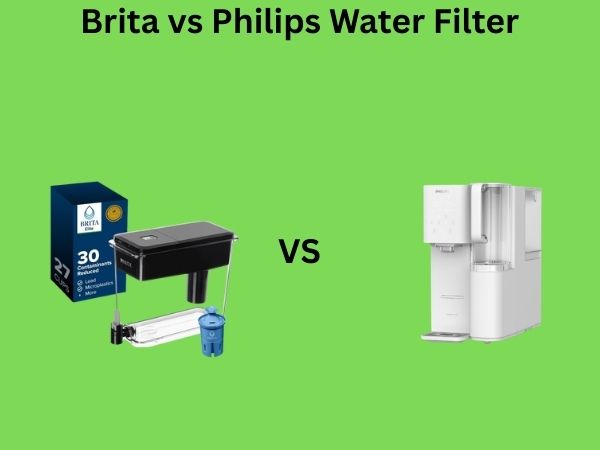
Brita vs Philips Water Filter: Which Brand Performs Better?
When it comes to choosing the right water filter for your home, you’re faced with countless options that promise to deliver clean, fresh water straight from your tap. Two names that consistently pop up in conversations about water filtration are Brita and Philips. But here’s the thing—not all water filters are created equal, and what works perfectly for your neighbor might not be the best fit for your household. So, which one should you actually choose? Let me walk you through everything you need to know to make an informed decision.
Why Water Filtration Matters for Your Home
Think about how much water you consume on a daily basis. From the morning cup of coffee to the glass of water you drink before bed, we’re constantly relying on water quality for our health and wellness. Unfortunately, tap water isn’t always as pure as we’d like it to be. Municipal water systems can contain chlorine, sediment, microplastics, and other contaminants that affect both taste and safety. This is where water filters become essential players in protecting your family’s wellbeing.
The market for water filtration systems has exploded over the past decade, with brands constantly innovating to meet consumer demands. Among the sea of options, Brita and Philips have established themselves as industry leaders. But understanding the differences between them requires us to dive deeper into what makes each brand unique.
Understanding Brita Water Filters
The Brita Story and Background
Brita has been around since the 1960s, originally founded in Germany. The brand practically invented the pitcher filter concept that’s now ubiquitous in kitchens worldwide. When you think of a water filter pitcher, there’s a good chance your mental image is based on Brita’s iconic design. This longevity in the market speaks volumes about their reliability and consumer trust.
What makes Brita special is their focus on simplicity. They’ve perfected the art of creating straightforward, effective filtration systems that don’t require complicated installation or maintenance routines. Whether you’re buying their basic pitcher or their more advanced filtered faucet system, you’re getting the benefit of decades of refinement.
Brita’s Filtration Methods
At the core of Brita’s technology is their multi-stage filtration approach. Their standard filters use a combination of activated carbon and ion exchange resin. The activated carbon traps chlorine, odors, and certain contaminants, while the ion exchange resin works to reduce metal ions like lead and copper. It’s a proven methodology that’s stood the test of time.
Brita offers different filter types depending on your needs. Their standard filters handle general chlorine reduction and taste improvement. However, if you’re concerned about specific contaminants like lead or hardness, they offer specialized filters that target those particular issues.
Popular Brita Models and Product Range
- Brita Standard Pitcher—the classic entry-level option
- Brita Longlast Filters—extended filter lifespan models
- Brita Premium Filters—advanced filtration capabilities
- Brita Faucet Filters—point-of-use filtration at your tap
- Brita Bottle Filters—portable filtration solutions
Exploring Philips Water Filters
Philips’ Position in the Water Filtration Market
Philips is a Dutch electronics giant known for innovation across countless product categories. When they entered the water filtration space, they brought with them the same commitment to technological advancement that characterizes their other products. Philips water filters represent a more modern approach to filtration, incorporating cutting-edge technology with sleek designs.
What differentiates Philips is their emphasis on advanced purification systems. Rather than just focusing on pitcher filters, Philips has developed comprehensive water purification solutions that cater to different household needs. They’re particularly strong in the advanced filtration category, where they compete with premium brands.
Philips’ Filtration Technology
Philips uses a multi-stage purification system that goes beyond traditional carbon filtration. Many of their filters incorporate advanced technologies like reverse osmosis, ultrafiltration, and in some cases, even UV sterilization. This makes Philips particularly effective at removing a broader spectrum of contaminants compared to simpler filter designs.
The brand is particularly proud of their RO (reverse osmosis) technology, which can remove up to 99% of dissolved solids from water. If you’re in an area with hard water or concerns about mineral content, Philips systems often provide more comprehensive solutions than basic pitcher filters.
Philips Water Filter Product Categories
- Philips RO Purifiers—advanced reverse osmosis systems
- Philips Compact Purifiers—space-saving solutions
- Philips Pitcher Filters—Philips’ answer to traditional pitchers
- Philips Faucet Filters—tap-mounted filtration
- Philips Under-Sink Filters—integrated kitchen solutions
Comparing Filtration Technology: Brita vs Philips
What Each Brand Does Best
If we’re being honest, Brita and Philips operate in somewhat different weight classes. Brita is the master of simplicity and accessibility. Their filters handle everyday contaminants like chlorine, odors, and some metals effectively. They’re perfect for people who want straightforward, no-nonsense water filtration without breaking the bank.
Philips, on the other hand, plays the advanced technology game. If you’re dealing with seriously compromised tap water or want comprehensive purification, Philips systems can handle more complex contamination scenarios. Their reverse osmosis systems, for instance, can tackle issues that Brita filters simply weren’t designed to address.
Contaminant Removal Capability
Brita’s filters typically reduce chlorine taste and odor, particulates, and some heavy metals. They’re quite effective at what they’re designed to do, but they have limitations. For instance, Brita filters aren’t particularly effective at removing dissolved minerals or certain microorganisms.
Philips’ advanced systems can remove a much wider array of contaminants, including dissolved minerals, bacteria, viruses (in UV-equipped models), and a broader range of chemical compounds. However, this increased capability comes at a higher cost and might be overkill if your water quality is already decent.
Filter Lifespan and Replacement Costs
How Long Do Filters Last?
This is where things get interesting from a practical standpoint. Brita’s standard filters typically last around two to three months, filtering about 40 gallons of water. Their Longlast filters extend this to six months for about 120 gallons. You’ll be replacing filters pretty regularly with Brita, which some people find annoying but others actually prefer because it feels fresh.
Philips filters vary depending on the system. Their pitcher filters are comparable to Brita, lasting two to three months. However, their advanced purification systems often have longer-lasting filters that can go six months to a year before replacement, depending on water quality and usage.
Cost Analysis Over Time
Let’s talk money because this matters. Brita filters are incredibly affordable, typically costing between $5 to $15 per filter. Over a year, if you’re changing filters every three months, you’re looking at roughly $20 to $60 annually for filter replacements alone.
Philips filter replacements tend to be pricier, ranging from $15 to $50 per filter depending on the system complexity. However, because many Philips filters last longer, your annual replacement costs might actually be comparable or even lower than Brita’s when you factor in lifespan differences.
Water Quality and Taste Improvement
How Noticeable Is the Difference?
Here’s something I want to be real with you about—both Brita and Philips do a good job at improving water taste. If your tap water tastes like chlorine, either filter will make a noticeable difference within the first use. You’ll likely detect that fresh, clean taste that comes from chlorine reduction.
Where they diverge is in handling specific water quality issues. If you’re dealing with hard water that leaves white deposits on your fixtures, Philips’ advanced systems handle this better. If you’re just annoyed by the generic “tap water” taste, Brita’s basic filters do the job perfectly well.
Testing and Certification
Both brands test their filters and provide data on contaminant reduction. Brita is NSF certified for their claims about chlorine and lead reduction. Philips also maintains certifications and often goes further, with reverse osmosis systems certified to remove 99% of TDS (total dissolved solids).
The lesson here is that both brands stand behind their products with testing data. The difference is in the scope of what they’re testing for.
Design and Aesthetics: Which Looks Better?
Brita’s Design Philosophy
Brita keeps things functional and unpretentious. Their pitchers come in various colors and styles, but they’ve never been about winning design awards. They’re utilitarian in the best way—they sit on your counter, do their job, and don’t demand attention. Some people appreciate this no-frills approach; others find it dated.
The familiarity of the Brita design is actually a strength. When someone picks up your Brita pitcher, they immediately understand how it works without explanation. That’s the power of having a trusted design that hasn’t fundamentally changed in decades.
Philips’ Modern Aesthetic
Philips brings a contemporary design sensibility to water filtration. Their products often look more like premium kitchen appliances than utilitarian tools. If you care about your kitchen’s visual cohesion and want a water filter that doesn’t look out of place alongside modern appliances, Philips generally delivers better aesthetics.
The downside? With fancier designs sometimes comes more complexity. A sleeker Philips unit might have buttons and displays that Brita doesn’t, which could feel overwhelming if you prefer simplicity.
Installation and Ease of Use
Getting Started with Brita
Brita filters are ridiculously easy to set up. With pitcher models, you literally unbox it, insert the filter cartridge, fill it with tap water, and you’re done. There’s nothing complicated about it. Even their faucet-mounted and under-sink models follow straightforward installation procedures that most people can handle without professional help.
Using Brita is equally simple. You fill the pitcher, wait a few minutes while water filters through, and pour. There’s no learning curve here whatsoever.
Getting Started with Philips
Philips products vary in complexity based on the model. Their pitcher filters are just as easy as Brita’s. However, if you’re installing an advanced purification system like a reverse osmosis unit, you might need to consider factors like installation location, water pressure requirements, and potentially calling a technician.
Many Philips advanced systems come with more features—display panels, mineralization settings, water quality indicators. This means more functionality but also a steeper learning curve compared to basic pitcher filters.
Environmental Impact and Sustainability
The Plastic Problem
Both Brita and Philips contribute to plastic waste through their filter cartridges. These cartridges aren’t typically recyclable through standard municipal programs. However, both brands have made efforts to address this concern.
Brita has launched take-back programs in some regions where you can return used filters for recycling. They’ve also committed to increasing the recycled plastic content in their products. Philips similarly offers recycling programs in certain markets.
Broader Sustainability Considerations
When you compare a filtered pitcher to purchasing bottled water, both Brita and Philips are the more sustainable choice. By filtering tap water, you’re eliminating countless plastic bottles from ending up in landfills. From an environmental perspective, using either filter is a step in the right direction.
If environmental impact is your primary concern, look into which brand’s recycling program is available in your area and choose accordingly.
Price Point Analysis: Budget to Premium
Initial Purchase Cost
Brita’s entry-level pitcher filter typically costs between $20 to $40. You can get started with basic water filtration for a very reasonable investment. Even their premium models rarely exceed $100.
Philips’ entry-level pitchers are similarly priced to Brita, but their advanced purification systems can range from $200 to $800 or more, depending on the system’s sophistication. If you want basic pitcher filtration, Philips and Brita are comparably priced. If you want premium purification, Philips costs significantly more.
Total Cost of Ownership
When you factor in filter replacements over three years, Brita might cost you $100 to $250 total (including the initial pitcher). Philips pitcher filters work out similarly, but their advanced systems might cost $600 to $1200 total, including filter replacements.
The question isn’t which is cheaper, but which offers better value for your specific needs and budget.
Customer Reviews and Real-World Satisfaction
What People Love About Brita
Customers consistently praise Brita for reliability and simplicity. People mention that they’ve been using the same Brita pitcher for years without issues. The taste improvement is noted as significant by most users, especially if they previously drank heavily chlorinated tap water.
Common compliments include: affordable, effective, no hassle, visually unobtrusive, and widely available. People appreciate that there’s nothing to overthink.
What People Love About Philips
Philips customers rave about water quality improvement, particularly those using advanced systems. Users with hard water issues report noticeable improvements. The modern design gets compliments from people who care about kitchen aesthetics.
However, some Philips users mention complexity as a drawback. Those accustomed to simple pitcher filters sometimes feel overwhelmed by the additional features.
Common Complaints
Brita complaints often center on frequent filter replacements and the recurring cost. Some users note that after a few months, the filtering becomes noticeably slower as filters get clogged.
Philips complaints typically involve higher upfront costs and, in some cases, water wastage with RO systems. Some users also report that advanced systems can be overkill for their water quality needs.