Alkaline Water Filter vs Brita: Health Claims & Taste Compared
When you’re standing in the water filtration aisle at your local store, you might feel a bit overwhelmed. There are so many options claiming to transform your tap water into something healthier, cleaner, and better-tasting. Two names that keep popping up are alkaline water filters and Brita systems. But which one is actually right for you? That’s the question I’m going to help you answer today.
The world of water filtration has become surprisingly complex. You’ve got marketing claims flying at you from every direction, each one promising to revolutionize your hydration habits. Some say alkaline water will change your life, while others stand by the simplicity and popularity of Brita. So let’s dig into what these systems actually do, what the science says, and whether the claims hold up under scrutiny.
Understanding the Outline: What We’ll Cover
Before we dive deep, here’s what we’re going to explore in this comprehensive guide:
- The basic principles behind alkaline water filters
- How Brita filters work and what they remove
- Health claims associated with alkaline water
- Scientific evidence supporting or debunking these claims
- Taste comparison between the two systems
- Cost analysis and long-term expenses
- Installation and maintenance requirements
- Environmental impact considerations
- Which system suits different needs
What Exactly Is an Alkaline Water Filter?
The Basic Concept Behind Alkaline Water
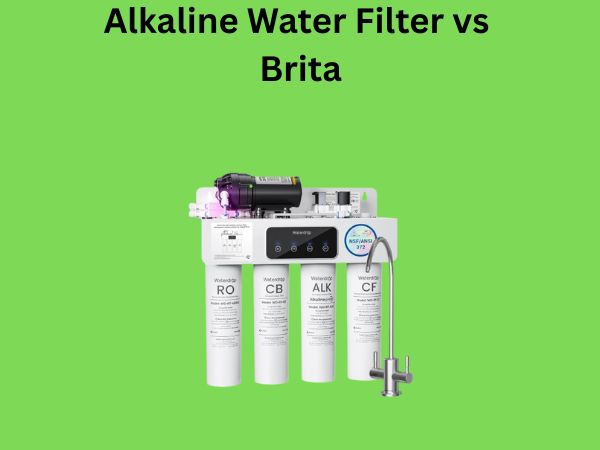
An alkaline water filter is designed to increase the pH level of your drinking water. Think of it like a chemistry class experiment that actually stays in your home. These systems work by adding minerals and adjusting the water’s alkalinity level, typically targeting a pH between 8 and 10, compared to regular tap water which usually sits around 6.5 to 7.
The process typically involves ionization, where an electrical current passes through the water to separate it into acidic and alkaline components. The alkaline portion becomes your drinking water, while some systems direct the acidic water elsewhere for cleaning purposes. It’s actually quite clever when you think about how it works.
How Ionization Technology Works
Inside an alkaline water ionizer, there are specialized plates that separate molecules using electrical charges. When water passes through these plates, minerals like calcium and magnesium are attracted to different electrodes based on their electrical charge. This separation creates two streams: one alkaline and one acidic. You get to choose which one goes to your tap.
Some alkaline systems also add minerals back into the water during the filtration process, which manufacturers claim provides additional health benefits. The whole operation is automatic, and once installed, it requires minimal effort on your part beyond the occasional filter change.
Breaking Down How Brita Filters Work
The Mechanical Filtration Approach
Brita takes a different approach entirely. Rather than using electrical ionization, Brita relies on mechanical filtration. Their filters contain activated carbon and ion-exchange resin, which work together to remove certain contaminants from your water. It’s less high-tech than alkaline systems, but don’t let that fool you—it’s been proven effective for specific purposes.
When you pour water through a Brita filter, the activated carbon captures chlorine, some pesticides, and certain other chemicals. The ion-exchange resin then removes minerals like calcium and magnesium, which are actually responsible for water hardness. So while alkaline systems add minerals, Brita removes them.
What Brita Actually Removes From Water
Here’s what you need to know about Brita’s filtration capability:
- Chlorine and chlorine-like compounds
- Some pesticides and herbicides
- Copper and cadmium
- Water hardness minerals (calcium and magnesium)
- Certain organic compounds affecting taste and odor
What it doesn’t remove is equally important to understand. Brita filters don’t significantly reduce bacteria, viruses, fluoride, or dissolved minerals in the way that reverse osmosis systems do. It’s a middle-ground solution—better than tap water for many people, but not a complete purification system.
The Health Claims Around Alkaline Water: Fact or Fiction?
Popular Health Claims You’ve Probably Heard
Walk into any health food store, and you’ll hear some pretty bold claims about alkaline water. Manufacturers suggest it can boost your immune system, increase energy levels, slow aging, aid digestion, and even help prevent serious diseases like cancer. These are attractive promises, which is probably why alkaline water has developed such a devoted following.
The reasoning behind these claims usually centers on the concept of body pH balance. Supporters argue that modern diets create an acidic environment in our bodies, and consuming alkaline water can help restore balance and promote better health. It sounds logical, but does the science actually back it up?
What Scientific Research Actually Shows
Here’s where things get interesting—and honestly, a bit disappointing if you were hoping for miraculous results. The scientific evidence for alkaline water’s health benefits is surprisingly limited. Major health organizations, including the American Medical Association, haven’t found compelling evidence that alkaline water provides the health benefits claimed by manufacturers.
Your body maintains its own pH balance through a complex system of buffers and regulatory mechanisms in your lungs, kidneys, and digestive system. The idea that you can significantly shift your body’s pH by drinking alkaline water is largely a misunderstanding of human physiology. Drinking alkaline water might change the pH of your stomach for a few moments, but your body’s natural processes quickly restore balance.
Some small studies have suggested minor benefits in specific areas—like improved bone health markers or slightly better athletic performance—but these studies are often limited in scope, lack large sample sizes, or haven’t been replicated by independent researchers. That’s a huge red flag in the scientific world.
The Placebo Effect and Perception
Many people report feeling better after switching to alkaline water, but this might be due to several factors beyond the water’s actual properties. When you invest money in a premium water system and make a conscious decision to improve your health, your expectations rise. This psychological component, known as the placebo effect, is powerful and very real.
Additionally, if you’re switching from drinking regular tap water to any filtered water, you might feel better simply because you’re drinking more water overall and avoiding chlorine-heavy tap water. That’s not necessarily the alkaline water working its magic—it’s just good hydration combined with better-tasting water.
Taste Comparison: Which Water Tastes Better?
How Alkaline Water Tastes
Most people who drink alkaline water report that it tastes smoother and softer than regular tap water. Some describe it as having a slightly slippery quality on their tongue, which comes from the added minerals and altered pH. The taste is generally considered pleasant, though it’s definitely different from what you’re used to if you’ve only drunk tap water.
The mineral content in alkaline water can contribute to its taste profile. Different alkaline systems add different mineral combinations, so the exact taste experience can vary. Some people love this smoothness and describe it as refreshing, while others find it strange or even off-putting initially.
How Brita Water Tastes
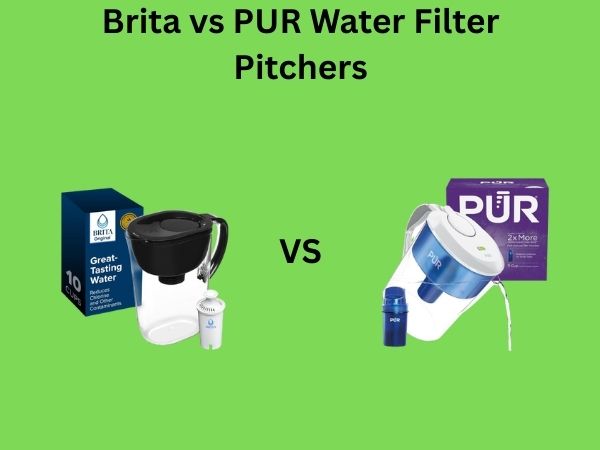
Brita water tends to taste cleaner and fresher than unfiltered tap water, primarily because it removes chlorine and other taste-affecting compounds. If your tap water has a strong chlorine smell—like a swimming pool—Brita will definitely improve that situation. The water doesn’t taste noticeably different from regular water though; it just tastes like better tap water.
The reduction in minerals that Brita provides can actually affect taste preferences. Some people prefer the slightly lighter taste of softened water, finding it less “heavy” than mineral-rich tap water. Others, however, miss the mineral content and feel the water tastes flat.
Personal Preference Matters Most
Here’s the truth: taste is subjective. What tastes amazing to your neighbor might taste weird to you. The best water filter is ultimately the one whose taste you enjoy drinking, because you’re more likely to actually drink enough water if you like how it tastes. That might sound obvious, but it’s often overlooked when people make their purchasing decisions based purely on health claims.
Cost Comparison: Initial Investment and Ongoing Expenses
Alkaline Water Filter Costs
Alkaline water ionizers are a significant investment upfront. You’re looking at anywhere from $800 to $3,000 or more for a decent quality system, depending on the brand and features. Some premium models can cost even more. This is a serious amount of money to spend on a water filter, and it’s why you’ll often see financing options offered by sellers.
Beyond the initial cost, you’ll need to replace filters periodically—typically every 6 to 12 months depending on your usage and water quality. Replacement filters can range from $100 to $200 each. You might also need to replace the ionization plates eventually, which can be expensive.
Brita Filter Costs
Brita offers a much more budget-friendly entry point. A basic pitcher filter system might cost you just $20 to $35, making it accessible to almost anyone. Even their more advanced models rarely exceed $200 for the initial purchase.
The replacement filters are where Brita makes its money. Filters typically cost between $5 and $10 each, and you’ll replace them roughly every 2 to 3 months with normal usage. So yearly costs for filters might be $20 to $40, plus the occasional replacement pitcher if needed.
Long-Term Cost Analysis
Let’s break this down over five years. With an alkaline water ionizer at $2,000 initially plus $600-$1,000 in filter replacements, you’re looking at roughly $2,600 to $3,000 total. A Brita pitcher at $30 plus $150-$200 in filters over five years brings your total to around $200. That’s a massive difference—$2,800 to be exact.
If you’re on a tight budget, Brita is obviously the more economical choice. But if you can afford the initial investment and believe in the alkaline water benefits (or just really love how it tastes), the long-term cost might feel worth it to you.
Installation and Maintenance: Ease of Use
Setting Up an Alkaline Water Filter
Most alkaline water ionizers require professional installation, especially if you want it connected directly to your water line under the sink. You’re looking at installation costs ranging from $100 to $300. Some systems can be installed DIY if you’re handy, but you’ll want to be careful not to damage your plumbing.
Once installed, maintenance is relatively straightforward. You’ll need to clean the unit occasionally and replace filters on schedule. The system should have indicators that let you know when filter replacement is needed, so you’re not guessing.
Using and Maintaining Brita Filters
Brita is about as simple as it gets. You fill the pitcher with tap water, it filters through to the bottom chamber, and you pour. There’s no installation required—just unbox it and start using it. For under-sink models, installation is still much simpler than ionizers.
Maintenance means occasionally rinsing the filter and remembering to replace it when it’s spent. The filters last long enough that you’ll typically replace them monthly or every other month, giving you a regular reminder schedule. Some newer Brita models have smart indicators that tell you exactly when to replace filters.
Environmental Impact: Which Is Better for the Planet?
The Waste Question
Here’s something worth considering beyond just your personal health and taste preferences. Alkaline water ionizers do produce acidic water as a byproduct. While some systems allow you to use this for cleaning purposes, much of it might go down the drain. This represents wasted water, which becomes a concern in areas with water scarcity.
Brita filters create their own environmental impact through plastic waste. Each replacement filter is a plastic component that ends up in a landfill. While the filters are recyclable in some areas, most people throw them away. Over several years, you might accumulate a significant amount of plastic waste from filter replacements.
Water Usage Considerations
Alkaline ionizers can waste significant water depending on their efficiency and design. Some systems produce a 1:1 ratio of alkaline to acidic water, meaning you’re wasting 50% of your water input. Others are more efficient, but it’s still something to consider if you live in an area where water conservation matters.
Brita filters use virtually no water during the filtration process. The only water “wasted” is what you choose not to drink, which means this system is more water-efficient overall.
Which System Is Right for Your Needs?
Choose Alkaline Water If…
You should lean toward an alkaline water filter if you have the budget and want to try the benefits for yourself. If taste is your primary concern and you prefer smoother, softer water, alkaline systems deliver. You might also prefer this option if you’re interested in the mineral content that these systems provide, or if you have specific water quality issues that require more aggressive treatment than basic filtration.
Additionally, if you’re skeptical of mainstream medicine and interested in alternative health approaches, you might find the alkaline water philosophy aligns with your worldview—even if the scientific evidence is limited.
Choose Brita If…
Brita makes sense if you’re budget-conscious and want a simple solution that effectively removes chlorine and improves water taste. If you’re just starting out with water filtration and want to test the waters without major investment, Brita is a low-risk way to do that.
You should also choose Brita if environmental impact concerns you, as it uses less water than ionizer systems. It’s also the practical choice if you rent an apartment or move frequently, since it requires no installation.
Consider a Hybrid Approach
Some people use Brita filters first to remove basic contaminants, then drink the filtered water and worry less about pH levels. Others start with Brita to see if better-tasting water alone improves their well-being before investing in an alkaline system.
Real-World User Experiences
What Alkaline Water Users Say
Many alkaline water drinkers report improved hydration—they find themselves drinking more water because they enjoy the taste. Some claim increased energy and better digestion, though determining whether these changes come from the water itself or simply drinking more hydration is impossible to know for certain.
Long-term users often describe feeling committed to their investment, and they appreciate the peace of mind that comes from believing they’re taking an active step toward better health. Whether the water delivers the promised benefits or not, the psychological satisfaction matters to many people.
What Brita Users Report
Brita users frequently praise the simplicity and affordability. They appreciate that their tap water tastes noticeably better without chlorine and odd flavors. Many long-time Brita users report that they’ve switched to Brita and never looked back, considering it a worthwhile upgrade from tap water at a fraction of the cost of more advanced systems.
Some users mention that they eventually upgraded to more advanced systems after using Brita, using it as a gateway into better water quality
![10 Best Affordable Under Sink Water Filter [2026]](https://waterans.com/wp-content/uploads/2026/06/10-best-affordable-under-sink-water-filter-2026-featured-768x432.jpg)
![10 Best At Home Water Filter [2026]](https://waterans.com/wp-content/uploads/2026/06/10-best-at-home-water-filter-2026-featured-768x432.jpg)