What Is a Whole House Water Filter? Guide
A whole house water filter is a system installed where your main water line enters your home. Its purpose is to treat all the water used throughout your entire house. This means cleaner water for drinking, showering, and even doing laundry.
Think of it as your home’s personal water purification plant. Unlike single-point filters, it tackles impurities from every faucet and showerhead. Many homeowners find that a whole house system offers a noticeable improvement in water quality and appliance longevity.
- A whole house water filter cleans all the water in your home.
- It connects to your main water line.
- It removes sediment, chlorine, and other contaminants.
- This protects your plumbing and appliances.
- It can also improve the taste and smell of your water.
Let’s walk through exactly what a whole house water filter is and why you might want one for your home.
Understanding Your Whole House Water Filtration System
So, what exactly is a whole house water filter? At its core, it’s a filtration unit connected to your home’s main water supply line. This means every drop of water used in your house passes through it. From the kitchen sink to the shower and even your washing machine, all water gets treated.
Think of it like a bodyguard for your water. It stands guard right where the city water enters your home. This single point of defense ensures all water is cleaner. It’s a significant step up from single-faucet filters. Those only protect one water source. A whole house system offers protection and purity for your entire home.
How Does It Work? The Basic Mechanics
The system typically involves one or more filter cartridges. These cartridges are designed to trap specific contaminants. When water flows through the filter, these unwanted particles are left behind. The clean water then continues on to your plumbing fixtures. It’s a straightforward yet effective purification process.
The size and type of filter depend on your water quality. Some systems use a single, large filter. Others might have multiple stages. Each stage targets different impurities. This multi-stage approach provides a more thorough cleaning. It ensures you’re getting the best possible water quality throughout your home.
Common Filtration Stages Explained
Many whole house systems use a series of filters. This is often called a multi-stage filtration process. It’s like giving your water a spa treatment, but for purification. Here’s a peek at what you might find:
- Sediment Filter: This is usually the first line of defense. It catches larger particles like sand, silt, and rust. Think of it as a sieve for the big stuff.
- Carbon Filter: Activated carbon is a superstar at removing chlorine. It also tackles many organic compounds. This often improves taste and odor significantly.
- Specialty Filters: Some systems include filters for specific concerns. This could be for heavy metals like lead, or even for softening hard water.
The exact combination of filters varies. It’s tailored to the common water issues in your area. Many sources, like the Environmental Protection Agency (EPA), highlight the importance of knowing your water quality. Understanding what’s in your water helps choose the right filters.
Why Consider a Whole House Water Filter? Benefits Galore!
You might be wondering, “Is this really necessary for my home?” The answer often boils down to the quality of your municipal water. Even treated city water can contain things you’d rather not drink or bathe in. A whole house filter addresses these concerns directly. It offers a wide range of advantages for your health and your home.
Improved Drinking Water Quality
Let’s start with the most obvious benefit: your drinking water. Many people notice a dramatic improvement in the taste and smell of their tap water. Chlorine, often used for disinfection, can leave an unpleasant chemical odor. Filters, especially carbon ones, effectively remove this. You can finally enjoy refreshing, clean-tasting water right from the tap. No more relying solely on bottled water.
Better for Your Skin and Hair
Have you ever felt like your skin is dry or itchy after a shower? What about your hair feeling dull or brittle? This can be due to chlorine and other chemicals in your water. A whole house filter reduces your exposure to these irritants. Many users report softer skin and shinier hair. It’s like bringing a spa-like experience right into your bathroom.
Protection for Your Appliances and Plumbing
This is a big one many homeowners overlook. Hard water, with its high mineral content, can wreak havoc on your appliances. Minerals like calcium and magnesium build up over time. This scale can clog pipes and damage water heaters, dishwashers, and washing machines. A whole house filter, especially one with water softening capabilities, protects these expensive investments. It can extend their lifespan and improve their efficiency. Research from appliance manufacturers often points to water quality as a key factor in appliance longevity.
Reduced Exposure to Contaminants
While municipal water is generally safe, it’s not always perfect. Sometimes contaminants can slip through. These can include sediment, rust particles, and even trace amounts of chemicals or heavy metals. A whole house filter acts as a barrier against these potential impurities. It gives you peace of mind knowing your family is drinking and bathing in cleaner water. Organizations like the CDC provide information on common water contaminants and their potential health effects.
Consider this checklist to see if a whole house filter might be right for you:
- Do you dislike the taste or smell of your tap water?
- Is your water noticeably hard (leaving spots on dishes or fixtures)?
- Do your appliances seem to be failing prematurely?
- Do you have sensitive skin or notice dryness after showering?
- Are you concerned about potential contaminants in your municipal water supply?
Key Components of a Whole House Water Filter System
When you look at a whole house water filter system, you’ll typically see a few main parts working together. Understanding these components helps you appreciate the technology involved. It also helps when you need to consider maintenance or replacement.
The Filter Housing and Cartridges
The most visible part is the filter housing. This is a large canister, usually made of durable plastic or metal. It’s designed to hold the filter cartridge(s). The housing connects directly to your main water line. Water enters the housing, passes through the cartridge, and then exits to the rest of your home.
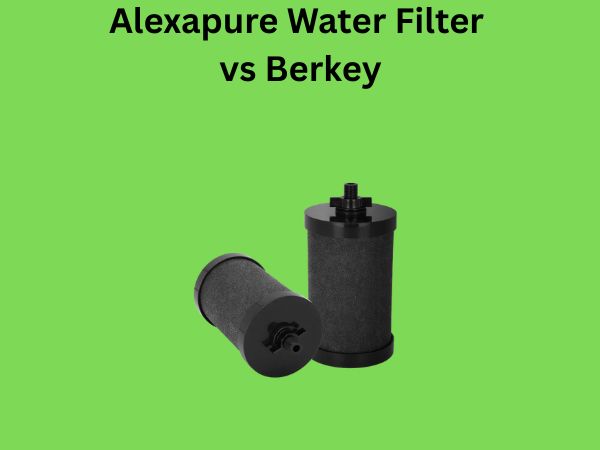
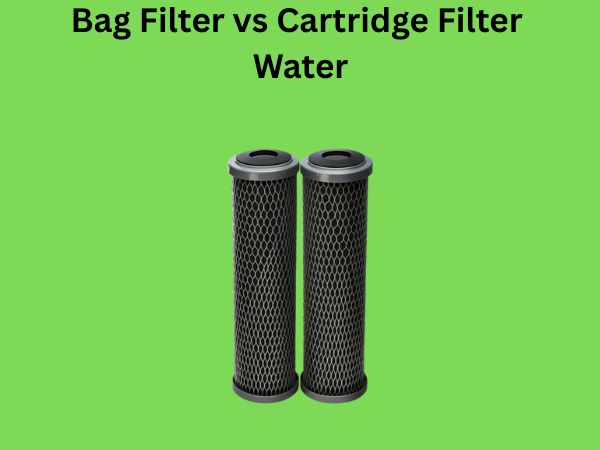
Inside the housing are the filter cartridges themselves. These are the workhorses of the system. They are made from various materials depending on what they are designed to filter out. Cartridges have a limited lifespan. They need to be replaced periodically to ensure the system works effectively. How often depends on your water usage and the quality of your water.
The Bypass Valve
Most whole house systems come equipped with a bypass valve. This is a really handy feature. It allows you to redirect water around the filter if needed. Why would you want to do this? Well, maybe you need to do some maintenance on the filter. Or perhaps you’re going away for a while and don’t want water running through the filter. The bypass valve gives you control over the water flow.
It’s a simple mechanism, usually just a set of levers or a dial. You can switch it to bypass mode. This allows water to flow directly to your house without going through the filter. Switching it back is just as easy. It’s a practical feature for managing your system. Many plumbers recommend checking your bypass valve periodically.

Factors to Consider Before Buying
Choosing the right whole house water filter involves a bit of homework. It’s not a one-size-fits-all situation. You want a system that will effectively address your specific water concerns. Taking a few key steps beforehand will ensure you make a wise investment for your home.
Test Your Water Quality
This is arguably the most critical first step. You need to know what’s actually in your water. Is it hard? Does it have high levels of chlorine? Are there specific minerals or contaminants you’re worried about? You can get your water tested by a professional lab or use at-home testing kits. Many municipalities also provide annual water quality reports. This information will guide you in selecting a filter with the appropriate stages and capabilities. The EPA suggests understanding your water source is key to effective treatment.
Identify Your Specific Needs
Once you have your water test results, you can pinpoint your needs. Are you primarily concerned with taste and odor? Or is protecting your appliances from hard water your main goal? Perhaps you have health concerns about specific contaminants. Your needs will determine the type of filtration technology required. For instance, if iron is a problem, you’ll need a filter designed to handle that.
Understand Flow Rate and Capacity
Another important factor is the flow rate. This refers to how much water the filter system can handle at any given time without a significant drop in pressure. You don’t want a system that causes weak showers or slow-filling sinks. Filter capacity relates to how much water it can filter before needing a cartridge change. Larger homes or those with more occupants will need systems with higher flow rates and capacities. Manufacturers typically provide these specifications.
| System Type | Primary Benefit | Best For | Consideration |
|---|---|---|---|
| Sediment Filter Only | Removes dirt, sand, rust | Homes with visibly dirty water | Doesn’t improve taste/odor |
| Carbon Filter System | Improves taste & odor, removes chlorine | General water improvement | May not address hard water |
| Multi-Stage System | Broad contaminant removal | Specific water issues (lead, etc.) | Can be more expensive |
| Water Softener Combo | Softens hard water, reduces scale | Homes with very hard water | May require salt replenishment |
Choosing the right system ensures it performs optimally for your home. It’s about finding the sweet spot between effectiveness and your household’s water demands.
Conclusion
You’ve learned that a whole house water filter is a smart investment for your home. It protects your plumbing and appliances from contaminants and scale. You’ll enjoy better-tasting water for drinking and a more comfortable shower experience. Understanding your water quality is the first step. This knowledge helps you choose the right system to meet your family’s needs. Take the next step by getting your water tested. This will guide you to the perfect filtration solution for your home.
Frequently Asked Questions
How often do I need to replace the filter cartridges?
Replacement frequency depends on your water usage and quality. Typically, sediment filters might need changing every 3-6 months. Carbon filters often last longer, sometimes 6-12 months. Always check the manufacturer’s recommendations for your specific model.
Will a whole house water filter reduce my water pressure?
Some systems can slightly reduce water pressure, especially if undersized for your home’s needs. Choosing a system with an adequate flow rate for your household is key. A bypass valve can also be used if you need full pressure temporarily.
Are whole house water filters difficult to install?
Installation requires plumbing knowledge and tools. It involves cutting into your main water line. For most homeowners, hiring a qualified plumber is the safest and most effective option. Professional installation ensures the system is correctly set up.
Can a whole house filter remove lead from my water?
Yes, some specialized whole house filters are designed to remove lead and other heavy metals. You’ll need to select a system with filter stages specifically rated for lead reduction. Refer to your water quality test results to choose the right filter.
Do I need a whole house filter if I already use a pitcher filter?
A pitcher filter only treats water from a single source. A whole house filter treats all the water entering your home. This means cleaner water for showering, laundry, and protecting appliances. It offers a much broader level of protection and convenience.