Anti-Scale Filter vs Water Softener: Key Differences Explained
If you’ve ever noticed white, chalky deposits on your shower head or felt like your skin gets dry after bathing, you’re probably dealing with hard water. But here’s the thing—not all solutions to hard water problems are created equal. When it comes to treating hard water in your home, you’ll hear two names pop up constantly: anti-scale filters and water softeners. So which one do you actually need? That’s exactly what we’re going to explore today.
Think of this decision like choosing between a preventative medicine and a cure. One stops the problem before it starts, while the other actually removes the culprit from your water supply. Let me walk you through everything you need to know so you can make an informed decision for your household.
Understanding Hard Water: The Root of the Problem
Before we dive into the differences between anti-scale filters and water softeners, let’s talk about what we’re actually fighting against. Hard water occurs when your water contains high levels of minerals—primarily calcium and magnesium. These minerals aren’t necessarily harmful to drink, but they wreak havoc on your home in other ways.
When hard water heats up, these minerals crystallize and form limescale deposits. You’ll see this buildup on your faucets, inside your pipes, and on your appliances. Over time, this accumulation can reduce the efficiency of your water heater by up to 50 percent, costing you serious money in energy bills.
Why Hard Water Matters for Your Home
Hard water affects virtually every water-using appliance in your home. Your dishwasher won’t clean as effectively, your laundry will feel stiff and scratchy, and your skin might feel irritated or dry. Your hair can become dull and lifeless too. Plus, soaps and detergents don’t lather as well, meaning you’ll use more of them and spend more money.
What Is an Anti-Scale Filter?
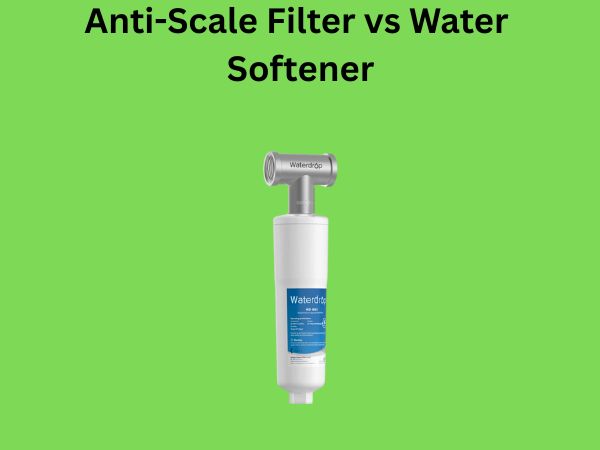
An anti-scale filter is a relatively simple device designed to prevent limescale buildup without actually removing the minerals from your water. It’s like putting a protective barrier between your water and your pipes.
How Anti-Scale Filters Work
Anti-scale filters typically use one of several methods to prevent mineral precipitation. Some use a process called template-assisted crystallization, where minerals are converted into harmless crystal forms that won’t stick to surfaces. Others use magnetic or electronic pulses to alter the way minerals behave in your water.
The key thing to understand is that anti-scale filters don’t remove minerals—they just change how those minerals interact with your water system. It’s similar to coating a pan with oil so food doesn’t stick; the oil is still there, but the food slides right off.
Installation and Maintenance of Anti-Scale Filters
One major advantage of anti-scale filters is their simplicity. Installation is usually straightforward—many can be installed at your main water line or on individual faucets. Some don’t require professional installation at all. Maintenance is minimal since there’s no media to replace, though some electronic models need occasional power supply checks.
Cost Considerations for Anti-Scale Filters
Anti-scale filters are generally more affordable upfront than water softeners. You’re looking at anywhere from fifty dollars for a basic faucet-mounted version to several hundred for a whole-house system. Operating costs are low too, since most don’t require salt or special maintenance supplies.
What Is a Water Softener?
A water softener is a more aggressive solution that actually removes hardness-causing minerals from your water. It’s the complete opposite of an anti-scale filter—instead of just managing the minerals, it eliminates them entirely.
The Ion Exchange Process Explained
Most residential water softeners use a process called ion exchange. Here’s how it works: hard water passes through a tank containing resin beads that have been treated with sodium ions. The calcium and magnesium ions in your water are attracted to these resin beads and swap places with the sodium ions, leaving your water softened.
Think of it like a game of musical chairs where the hardness minerals get bumped out and replaced with sodium. The result is genuinely soft water that flows through your entire home.
Types of Water Softeners Available
You’ll encounter several types of water softeners on the market. Salt-based softeners are the most common and most effective. Salt-free softeners exist, though they operate more like anti-scale filters by conditioning rather than softening water. There are also dual-tank systems for homes with high water usage, and portable softeners for renters or temporary situations.
Installation Requirements for Water Softeners
Water softeners require professional installation in most cases. They need to be connected to your main water line, they require drainage for the regeneration cycle, and they need to be positioned conveniently for salt replenishment. This isn’t a weekend DIY project for most homeowners.
Ongoing Maintenance and Operating Costs
This is where water softeners demand your attention. You’ll need to regularly refill the salt tank—typically monthly or every few months depending on your water usage and hardness level. You’ll also need to occasionally clean the brine tank and monitor the system’s performance. The salt itself adds to your monthly expenses, plus you’ll have water used during the regeneration cycle.
Head-to-Head Comparison: Anti-Scale Filter vs Water Softener
Effectiveness in Treating Hard Water
Water softeners win this round hands down. They remove up to 99 percent of hardness minerals, while anti-scale filters prevent buildup but don’t actually reduce mineral content. If you’re measuring by how “soft” your water actually feels, water softeners deliver noticeably superior results.
Impact on Your Appliances and Plumbing
Water softeners extend the lifespan of your water heater, dishwasher, washing machine, and pipes by preventing mineral accumulation inside these systems. Anti-scale filters prevent external buildup on visible surfaces but don’t protect the interior of your appliances as effectively.
Water Quality and Taste
This is interesting—many people prefer the taste of water treated with an anti-scale filter because the minerals remain present. Water softeners remove these minerals entirely, and some people feel the water tastes slightly salty or flat. However, softened water can feel noticeably better on your skin and hair.
Environmental Considerations
Anti-scale filters are more environmentally friendly because they don’t require salt. Water softeners discharge brine water during regeneration, which contains salt that can affect local water systems. If environmental impact concerns you, an anti-scale filter is the gentler choice.
Space Requirements in Your Home
Anti-scale filters are compact and can be installed virtually anywhere, even in tight spaces. Water softeners require dedicated space for the main tank, brine tank, and drainage connections. If you’re in a smaller home or apartment, space might be a deciding factor.
Long-Term Cost Analysis
While water softeners cost more upfront, the comparison becomes complex over time. Here’s a breakdown:
- Anti-scale filters: low initial cost, minimal ongoing expenses
- Water softeners: higher initial installation cost, plus monthly salt expenses and potential repair costs
- Savings from extended appliance life with softeners can offset costs over ten to fifteen years
Which Solution is Right for Your Situation?
Choose an Anti-Scale Filter If You…
You should lean toward an anti-scale filter if you live in an area with moderately hard water but aren’t bothered by mineral deposits on visible surfaces. They’re ideal if you’re renting and can’t make permanent installations, or if you’re environmentally conscious about water discharge. They also work well for people who prefer the taste of mineral-containing water and want a low-maintenance solution that requires minimal upkeep.
Choose a Water Softener If You…
A water softener makes more sense if you have very hard water with mineral content above 180 parts per million. Choose this option if you’re concerned about appliance longevity and energy efficiency, or if you have significant existing limescale buildup that needs remedying. Water softeners are perfect if you notice your skin feels dry, your laundry feels stiff, or you’re tired of cleaning mineral deposits constantly.
Consider Your Water Hardness Level
The hardness of your water is crucial to this decision. You can get your water tested inexpensively through your local water utility or by purchasing an at-home test kit. Generally, water below 100 ppm might only need an anti-scale filter, water between 100-250 ppm is where you’ll notice real benefits from a softener, and water above 250 ppm almost certainly requires a water softener for optimal performance.
Common Misconceptions About These Systems
Myth: Anti-Scale Filters and Water Softeners Are Essentially the Same
This couldn’t be further from the truth. They operate on completely different principles and produce different results. Anti-scale filters prevent mineral precipitation, while water softeners remove minerals entirely. It’s like comparing a rain jacket to an umbrella—both protect you from water, but in different ways.
Myth: Softened Water Is Unsafe to Drink
Water softeners replace calcium and magnesium with sodium in very small amounts. For most people, this is perfectly safe. However, people on sodium-restricted diets should consult their doctor. The amount of sodium added is typically much less than what you’d find in a single slice of bread.
Myth: Anti-Scale Filters Eliminate the Need for Pipe Cleaning
While anti-scale filters prevent future buildup, they won’t remove existing deposits inside your pipes and appliances. If you already have significant limescale accumulation, you might need professional cleaning or pipe replacement regardless of which system you install.
Hybrid Approaches: Combining Both Systems
Some homeowners use both systems strategically. You might install a water softener for your whole house but add anti-scale filters to specific high-use areas. Alternatively, you could use an anti-scale filter initially and upgrade to a softener later if your water hardness proves more problematic than expected. This staged approach lets you manage costs while addressing your water quality concerns.
Installation: What to Expect
Installing an Anti-Scale Filter
Installing a point-of-use anti-scale filter at a single faucet is typically a fifteen-minute job that doesn’t require professional help. Whole-house anti-scale filters take a bit longer but still don’t usually need a plumber. Most come with clear instructions and basic tools are all you’ll need.
Installing a Water Softener
Water softener installation is more involved. A professional plumber will need to access your main water line, route water through the softener, and set up proper drainage for regeneration cycles. Expect the installation to take a few hours and cost between two hundred to five hundred dollars in labor alone, depending on your home’s layout and plumbing complexity.
Maintenance and Upkeep Over Time
Keeping Your Anti-Scale Filter Running
Anti-scale filters require minimal maintenance. Some electronic models need occasional battery replacement, and you might need to clean filter cartridges if it’s a sediment-based filter. Most people forget about them entirely after installation, which is actually just fine.
Maintaining Your Water Softener
Water softeners demand regular attention. You’ll add salt regularly, check the brine tank occasionally, and might need to clean it out if salt bridges form. Modern softeners often have sensors that alert you when salt is running low, making maintenance easier than it used to be. Annual professional servicing can help prevent problems and extend the system’s lifespan.
Real-World Performance: What Users Actually Experience
People using anti-scale filters often report noticing less buildup on their showerheads and faucets over time. They appreciate the simplicity and low cost, though they don’t experience the same dramatic changes in water feel that softener users report. Anti-scale filter users typically still use slightly more soap and detergent compared to softener users.
Water softener users consistently report life-changing experiences. Their skin feels better, their hair is softer and shinier, and their laundry comes out noticeably fluffier. They spend less on cleaning products because soaps and detergents work so much more effectively. The downside is remembering to maintain the system and managing the salt expenses.
Making the Final Decision: A Practical Guide
Start by getting your water tested to determine hardness levels. Next, assess your budget—both for initial installation and ongoing costs. Consider your living situation: are you renting or do you own? Finally, think about what bothers you most about your current water—are you losing sleep over mineral deposits destroying your appliances, or does your water just taste slightly off?
If you’re still uncertain, consider starting with an anti-scale filter on a trial basis. They’re inexpensive enough that you can test one for a few months and see if it addresses your concerns. If you find you need more aggressive treatment, upgrading to a water softener is always possible.
Conclusion
The choice between an anti-scale filter and a water softener ultimately depends on your specific situation, budget, and water quality concerns. Anti-scale filters offer a simple, affordable, and environmentally friendly way to prevent mineral buildup and are perfect for mild to moderate hard water issues. They require minimal maintenance and installation, making them ideal for renters or anyone wanting a low-commitment solution.
Water softeners, conversely, provide comprehensive hard water treatment by actually removing minerals from your water supply. They dramatically improve water quality, extend appliance lifespan, and enhance your personal experience with softer skin and hair. However, they demand ongoing maintenance, require professional installation, and carry higher initial and operational costs.
There’s no universally “correct” answer—only the right choice for your home. If you have moderately hard water and want a low-maintenance solution, go with an anti-scale filter. If you have very hard water, care deeply about appliance longevity, and don’t mind regular maintenance, invest in a water softener. And remember, you can always start small and upgrade later if needed. Your water quality is worth taking seriously, and either solution beats living with untreated hard water indefinitely.
Frequently Asked Questions
Can I use both an anti-scale filter and a water softener together?
Absolutely, and many homeowners do exactly this. You might use a water softener for your main water supply but install anti-scale filters on specific faucets prone to buildup. This combination provides comprehensive protection and can be especially effective in homes with extremely hard water. The anti-scale filter acts as backup protection for areas where mineral precipitation is most problematic.
How often do I need to replace the salt in a water softener?
This depends entirely on your water hardness and household water usage. Some households need to refill salt monthly, while others go three to four months between refills. A family of four with very hard water might use forty to eighty pounds of salt monthly. Start by tracking your usage during the first few months of ownership, and the pattern will become clear for your specific situation.
![10 Best Activated Carbon Water Filter Pitcher [2026]](https://waterans.com/wp-content/uploads/2026/06/10-best-activated-carbon-water-filter-pitcher-2026-featured-768x432.jpg)