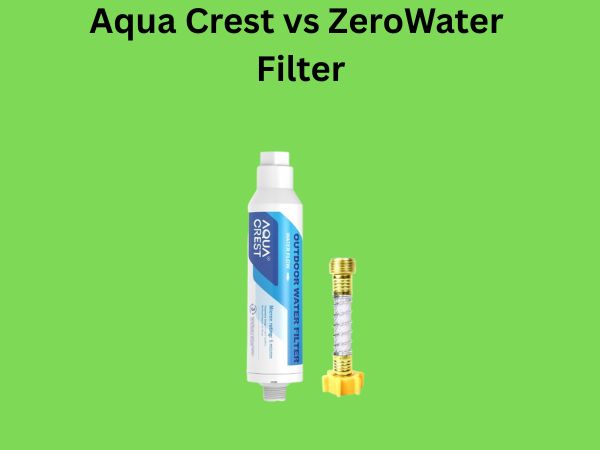
Aqua Crest vs ZeroWater Filter: Which Removes More Contaminants?
If you’re standing in front of your kitchen sink wondering which water filter will actually make a difference in your drinking water, you’re not alone. The market is absolutely flooded with options, and two names that keep popping up are Aqua Crest and ZeroWater. But here’s the thing—not all water filters are created equal, and choosing between them requires understanding what each one really does.
I’ve spent considerable time researching both of these brands, and I want to walk you through everything you need to know. This isn’t just about picking the cheaper option or the one with the fancier packaging. It’s about understanding the actual science behind water filtration and what contaminants each system targets.
Understanding the Basics: How Water Filters Work
Before we dive into comparing Aqua Crest and ZeroWater, let’s talk about the fundamentals. Water filtration isn’t magic—it’s science. When you pour water through a filter, you’re essentially forcing it through layers of material designed to trap contaminants while letting the water molecules pass through.
Think of it like a net. A larger net lets bigger fish through but catches the huge ones. A smaller net catches more, but it also clogs faster. Water filters work on a similar principle, but they’re far more sophisticated. Different materials target different types of contaminants, from sediment and chlorine to heavy metals and dissolved solids.
The Importance of TDS Levels
One metric you’ll hear mentioned constantly in water filter discussions is TDS, which stands for Total Dissolved Solids. This measurement tells you how many dissolved particles are floating around in your water. It’s measured in parts per million, or ppm. Lower TDS typically means purer water, though it’s important to note that TDS itself isn’t necessarily harmful—it’s what those solids actually are that matters.
Aqua Crest: The Filter You Probably Don’t Know Much About
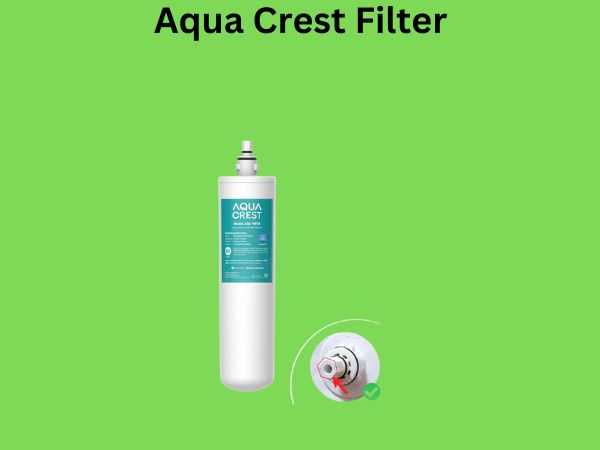
Aqua Crest filters have become increasingly popular in recent years, partly because they’re affordable and partly because they offer solid performance. They’re often marketed as replacement filters for other major brands, which actually tells you something important about their quality. If a filter manufacturer can create a product that works in other brands’ systems, they’ve got the engineering down.
What Makes Aqua Crest Filters Tick
Aqua Crest filters typically use activated carbon as their primary filtration medium. Activated carbon is like the Swiss Army knife of water filtration. It excels at removing chlorine, improving taste and odor, and reducing certain organic compounds. The carbon is treated to be porous, creating an enormous surface area that traps contaminants.
Here’s what Aqua Crest filters do well:
- Reduce chlorine taste and odor significantly
- Remove sediment and particulate matter
- Filter out some volatile organic compounds
- Generally affordable compared to premium brands
- Compatible with various pitcher and faucet systems
The Limitations of Aqua Crest Filtration
Now, let’s be honest about where Aqua Crest falls short. These filters aren’t designed to remove dissolved solids like salts and minerals. They also don’t remove fluoride, and they have limited effectiveness against certain heavy metals. If you have extremely contaminated water with high levels of dissolved solids, an Aqua Crest filter alone might not meet your needs.
The lifespan is another consideration. Most Aqua Crest filters are rated for about 40 gallons of water before they need replacement. Depending on your water usage, that could mean changing filters every month or two.
ZeroWater: The Premium Contaminant Fighter
ZeroWater has positioned itself as the premium option in the water filter market, and their marketing claims are bold. They claim to remove virtually all dissolved solids from your water, essentially creating distilled water at your tap.
The Multi-Stage Filtration System
What sets ZeroWater apart is their five-stage filtration process. Instead of relying on a single filtration method, they’ve layered different technologies to catch different contaminants. Here’s what happens when water flows through a ZeroWater filter:
- First, a coarse foam filter removes large sediment particles
- Next, activated carbon and oxidation reduction alloy work together to remove chlorine and organic compounds
- Ion exchange resin then removes dissolved solids like calcium, magnesium, and other minerals
- Another layer of carbon refines the water further
- Finally, a mixed bed of ion exchange resin ensures virtually all dissolved solids are captured
This multi-stage approach is significantly different from Aqua Crest’s simpler design. ZeroWater filters target a broader spectrum of contaminants, including those dissolved solids that Aqua Crest can’t touch.
Performance Metrics That Matter
ZeroWater filters are tested and certified to reduce a comprehensive list of contaminants. They claim to reduce TDS to zero, which is why they got their name. When I say zero, I mean they aim for water that tests at 000 ppm on a TDS meter, which is essentially purified water.
This includes removal of:
- Lead and cadmium
- Chromium and copper
- Fluoride
- Nitrates and nitrites
- Chlorine and chlorine byproducts
- Pharmaceuticals and pesticides
The ZeroWater Trade-offs
Here’s where ZeroWater gets a bit tricky. Those impressive filtration capabilities come at a cost—and I’m not just talking about money, though they’re definitely pricier than Aqua Crest. The filters have a much shorter lifespan, typically lasting only 10 to 20 gallons depending on your water quality. In areas with very hard water or high TDS, you might be replacing filters every few weeks.
Additionally, removing all dissolved solids, including minerals, means you’re also removing beneficial minerals like calcium and magnesium. Some people prefer mineral water, so this complete demineralization might actually be a drawback for them.
Direct Comparison: Aqua Crest vs ZeroWater
Contaminant Removal Capabilities
Let me break this down clearly. ZeroWater removes significantly more types of contaminants than Aqua Crest. This isn’t opinion—it’s based on what each filter is designed to do. If your primary concern is removing dissolved solids and heavy metals, ZeroWater is your answer. If you mainly want to improve taste and reduce chlorine, Aqua Crest is sufficient.
Filter Lifespan and Replacement Frequency
Aqua Crest filters last roughly twice as long as ZeroWater filters in most situations. This means fewer replacements, less waste, and lower long-term costs for many users. However, ZeroWater includes a TDS meter with their pitcher systems, so you’ll know exactly when to replace the filter rather than guessing.
Cost Analysis
Let’s talk numbers. Aqua Crest filters are typically $15 to $25 per filter and last about 40 gallons. ZeroWater filters cost $25 to $35 and last about 15 gallons. If you use 20 gallons of filtered water per week, you’d replace an Aqua Crest filter roughly every two weeks and a ZeroWater filter every four to five days. The math gets expensive fast with ZeroWater, but you’re paying for superior purification.
Taste and Odor Improvement
Both filters improve water taste noticeably. The difference is that ZeroWater goes further—it removes minerals that give water its taste entirely. Some people love this crisp, pure taste. Others find it too flat. Aqua Crest provides a good middle ground, removing the unpleasant chlorine taste while leaving some mineral content.
Who Should Choose Aqua Crest?
If your tap water is relatively clean and your main complaint is chlorine taste, Aqua Crest is a sensible choice. You’re getting good value for your money, filters last a reasonable amount of time, and you’ll notice an improvement in water quality.
Aqua Crest makes sense if you:
- Live in an area with treated municipal water
- Are primarily concerned about chlorine and taste
- Want an affordable filtration solution
- Prefer water that still contains minerals
- Don’t have specific health concerns about contaminants
Budget-Conscious Households
Money matters, and if your household budget is tight, Aqua Crest is the more economical choice. You’ll spend less upfront and less on replacement filters. That’s a real advantage that shouldn’t be dismissed.
Who Should Choose ZeroWater?
ZeroWater appeals to people who are seriously concerned about water purity. If you have specific health conditions, you’re pregnant, or you simply want the most comprehensive filtration available, ZeroWater delivers.
Choose ZeroWater if you:
- Have concerns about heavy metal contamination
- Want to remove dissolved solids completely
- Are willing to pay more for comprehensive filtration
- Have well water or heavily contaminated tap water
- Want certification and lab-tested results
Health-Conscious Consumers
If water purity is non-negotiable for you, ZeroWater’s multi-stage system is worth the investment. The peace of mind that comes from knowing your water is thoroughly purified can be invaluable.
Water Quality in Your Area: The Real Deciding Factor
Here’s something critical that doesn’t get discussed enough: your decision should depend heavily on your local water quality. If you live in an area where the tap water is already quite pure, Aqua Crest is likely sufficient. If you’re in a region known for water quality issues, ZeroWater becomes more attractive.
Testing Your Water
I recommend getting your water tested before deciding. Many municipalities provide free water quality reports annually. Reading this report will tell you exactly what contaminants are present in your water. Armed with this information, you can make a much smarter choice between these two filters.
Environmental Considerations
Here’s an angle people often overlook. ZeroWater filters need replacement much more frequently than Aqua Crest filters. This means more plastic waste going to landfills. If environmental impact matters to you, this is worth considering. Aqua Crest’s longer filter lifespan makes it the more eco-friendly option in most cases.
Disposal and Recycling
Neither brand makes it particularly easy to recycle their filters, which is unfortunate. You’ll need to check your local waste management options for proper disposal of used filters.
Installation and User Experience
Both brands offer pitcher-style filters that are ridiculously easy to use. Pour water in the top, wait a few minutes, and enjoy filtered water from the bottom. ZeroWater includes a TDS meter, which is handy for monitoring water quality. Aqua Crest doesn’t include this, so you’ll need to estimate when to replace filters based on usage.
Certification and Testing Standards
ZeroWater provides more transparency regarding testing and certification. They conduct lab testing and publish results. Aqua Crest offers less detailed information about their testing protocols. If you want documented proof of filtration effectiveness, ZeroWater gives you more confidence.
Making Your Final Decision
So which filter removes more contaminants? ZeroWater, hands down. They target a much broader range of contaminants, especially dissolved solids and heavy metals. But here’s the thing—more filtration doesn’t always mean better for your situation.
Think of it this way. A heavy-duty construction vehicle removes more terrain obstacles than a regular car, but if you’re just driving to work, you don’t need that capability. Similarly, if your water quality is decent, ZeroWater’s comprehensive filtration might be overkill for your needs.
The real answer is that it depends entirely on your circumstances. Your local water quality, your health concerns, your budget, and your environmental values all play into this decision.
Conclusion
After examining both Aqua Crest and ZeroWater filters thoroughly, I can tell you that they serve different purposes and different people. ZeroWater removes significantly more contaminants, particularly dissolved solids and heavy metals, making it superior if you have serious water quality concerns or health-related reasons to seek maximum purity. Aqua Crest provides excellent value for people who mainly want to improve taste and reduce chlorine in already relatively clean water.
The best choice isn’t about which filter is objectively better—it’s about which filter is better for your specific situation. Get your water tested, understand your actual needs, and then make an informed decision. Both filters will improve your water quality compared to drinking straight tap water, but they do it in different ways and to different degrees. Whatever you choose, you’re taking a positive step toward better hydration.
Frequently Asked Questions
How often do I need to replace Aqua Crest filters compared to ZeroWater filters?
Aqua Crest filters typically last about 40 gallons of filtered water, which usually means replacing them every two to four weeks depending on your household size and usage. ZeroWater filters last much shorter—around 10 to 20 gallons—which means you might be replacing them weekly or even more frequently if you have very hard water. ZeroWater’s TDS meter helps you know exactly when replacement is necessary, while Aqua Crest requires you to estimate based on usage.
Can ZeroWater filters remove fluoride while Aqua Crest cannot?
Yes, this is one of the key differences. ZeroWater’s multi-stage filtration system specifically targets and removes fluoride from drinking water. Aqua Crest filters, which rely primarily on activated carbon, cannot effectively remove fluoride. If fluoride removal is important to you, ZeroWater is the clear choice between these two options.
Is it true that ZeroWater removes beneficial minerals along with contaminants?
Yes, ZeroWater removes virtually all dissolved solids, including minerals like calcium and magnesium that some people consider beneficial. Whether this is good or bad depends on your perspective. If you prefer mineral water for taste or believe minerals have health benefits, you might prefer Aqua Crest’s approach of leaving some minerals intact. If you prioritize absolute purity, ZeroWater’s complete demineralization is exactly what you want.
Which filter is more cost-effective over a year of use?
Aqua Crest is generally more cost-effective over extended periods. Even though individual filters cost less upfront, ZeroWater’s significantly shorter lifespan means you’ll buy many more filters annually. If you use 20 gallons of filtered water weekly, expect to spend roughly $150-200 yearly on Aqua Crest versus $400-600 on ZeroWater. However, if comprehensive water purification is essential for your health, the extra cost might be worth it.

![10 Best Ten Inch Whole House Water Filter Cartridge [2026]](https://waterans.com/wp-content/uploads/2026/06/10-best-ten-inch-whole-house-water-filter-cartridge-2026-featured-768x432.jpg)