Filter vs Distilled Water: The Difference
So, you’re wondering about filter vs distilled water? The main difference is what they remove: filtered water removes many common impurities, while distilled water has nearly everything stripped out. Think of it like this: filtered water is cleaner tap water, while distilled water is like a blank slate. We found this distinction matters for different uses.
When we talk about filtered water, we’re usually referring to water that’s passed through a filter, like a pitcher or a faucet attachment. This process often removes chlorine, sediment, and sometimes lead. Distilled water, on the other hand, is created by boiling water and then condensing the steam, which leaves behind minerals and other dissolved solids. Many experts agree this makes a noticeable difference for applications like irons or CPAP machines.
- Filtered water removes many common impurities like chlorine and sediment.
- Distilled water has almost all minerals and solids removed through boiling and condensation.
- The key difference is the level of purification: filtered is cleaner tap water, distilled is nearly pure H2O.
- Both have specific uses, depending on what you need to remove.
Let’s dive into the details of each type so you can decide which is best for your needs!
Now that you know the basic rundown, let’s get into the nitty-gritty of what makes filtered and distilled water different. Understanding these distinctions will help you pick the right one for your home and your appliances.
Understanding the Differences in Water Purification
Think of water purification as a spectrum. Filtered water cleans up tap water. Distilled water almost completely strips it down.
What is Filtered Water and How Does it Work?
Filtered water starts as your regular tap water. It then passes through a filter. These filters are designed to catch specific things. Common filters use materials like activated carbon or ceramic. They can reduce chlorine taste and odor. They often remove sediment, rust, and sometimes heavy metals like lead.
Common Filtration Methods
You’ve likely seen a few types. Pitcher filters are super common. Faucet filters attach directly to your tap. Whole-house systems filter all water entering your home. Refrigerator filters clean water for your ice maker and dispenser. Each has its own way of getting the job done.
What Filtered Water Still Contains
It’s important to know that filtered water isn’t pure H2O. It still contains minerals like calcium and magnesium. These are generally good for you! It also might retain some dissolved solids. What a filter removes depends heavily on the filter type. A basic carbon filter won’t remove dissolved salts, for example.
What is Distilled Water and How is it Made?
Distilled water is made through a process called distillation. It’s quite simple in principle. First, you heat water until it boils and turns into steam. The steam rises, leaving behind impurities. Then, this steam is cooled down. It condenses back into liquid water. This resulting water is nearly pure.
The Distillation Process Explained
Imagine boiling a pot of water on your stove. The steam that rises is just water molecules. Anything dissolved in the original water, like minerals or salts, stays behind in the pot. You then capture that steam and cool it. This collection of pure water is what we call distilled water. It’s a very effective way to remove almost everything from water.
What Distilled Water Lacks
Because of the distillation process, distilled water is very pure. It has had almost all minerals, salts, and other dissolved solids removed. This includes things like calcium, magnesium, and potassium. It’s essentially just H2O. This purity is its main characteristic and its biggest advantage for certain uses.
Comparing Filtered vs. Distilled Water: Key Differences
The main takeaway is the level of purity. Filtered water is cleaner tap water. Distilled water is a much more stripped-down version.
Impact on Taste and Health
For drinking, taste is a big factor. Filtered water often tastes better than tap water. It removes chlorine which can have an unpleasant smell and taste. Many experts say drinking filtered water is a good way to stay hydrated and avoid contaminants (CDC). Distilled water can taste flat or bland. This is because the minerals that give water flavor have been removed. Health-wise, drinking filtered water is generally recommended. It provides hydration and can reduce exposure to harmful substances. Drinking distilled water is not harmful, but it doesn’t provide any beneficial minerals you might get from tap or filtered water. Many health organizations still point to filtered water as a preferred choice for daily consumption due to its taste and potential mineral content.
Best Uses for Each Type of Water
The choice between filtered and distilled water really depends on what you need it for. Are you just trying to improve your drinking water? Or do you need ultra-pure water for a specific appliance?
Where Filtered Water Shines
Filtered water is excellent for everyday drinking. It’s great for cooking, making coffee, or tea. Using filtered water can improve the taste of your beverages. It’s also a good choice for watering plants. Many plants can do fine with minerals in filtered water.
Where Distilled Water is Essential
Distilled water is perfect for appliances that can be damaged by mineral buildup. Think steam irons, humidifiers, and CPAP machines. These devices often have small parts that can clog or corrode over time. Using distilled water prevents this scale buildup. This extends the life of your appliances. It also ensures they function correctly. Battery water and some laboratory uses also require distilled water.
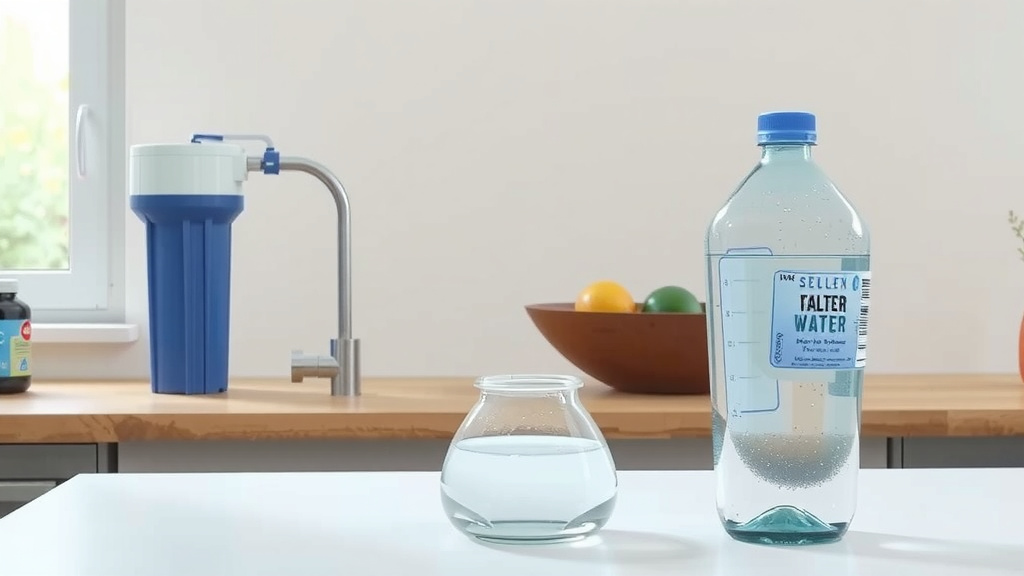
Making the Right Choice for Your Home
So, how do you decide? Let’s break it down.
Here’s a quick checklist to help you decide:
- Do you want better-tasting drinking water?
- Are you concerned about chlorine or lead in your tap water?
- Do you need water for a steam iron or CPAP machine?
- Are you looking to prevent mineral buildup in appliances?
- Do you want the purest water possible for specific tasks?
If you answered yes to the first two, filtered water is likely your best bet. For the latter three, distilled water is often the superior choice. It’s all about matching the water type to the job at hand.
| Feature | Filtered Water | Distilled Water |
|---|---|---|
| Purification Level | Removes many impurities (chlorine, sediment, some metals) | Removes nearly all minerals, salts, and solids |
| Process | Passes through filters (carbon, ceramic, etc.) | Boiling and condensation |
| Minerals Present | Retains beneficial minerals (calcium, magnesium) | Minerals are removed |
| Taste | Generally improved, less chlorine taste | Can taste flat or bland |
| Best Uses | Drinking, cooking, coffee/tea, watering plants | Steam irons, CPAP machines, car batteries, humidifiers |
| Appliance Impact | Minimal mineral buildup | Prevents mineral buildup and scale |
We found that many people use both types of water in their homes. They might drink filtered water daily and keep a supply of distilled water for their appliances. It’s a practical approach to get the best of both worlds.
Conclusion
So, you’ve learned the core differences between filtered and distilled water. Filtered water cleans up your tap water, removing common issues like chlorine for better taste and safety. Distilled water takes purification a step further, creating nearly pure H2O by removing almost everything. This makes distilled water ideal for appliances where mineral buildup is a concern, like your trusty steam iron. For your daily hydration and cooking needs, filtered water often makes more sense. Consider your specific needs – whether for drinking or for your appliances – to make the best choice for your home.
Frequently Asked Questions
Can I drink filtered water every day?
Yes, you absolutely can! Filtered water is generally considered safe and often preferable for daily drinking. It removes many common contaminants found in tap water, improving taste and potentially reducing exposure to things like lead and chlorine.
Is distilled water safe to drink?
Distilled water is safe to drink from a contamination standpoint. However, because all minerals are removed, it can taste flat and doesn’t provide the beneficial minerals found in tap or filtered water. Most people find filtered water more palatable for regular consumption.
Will using filtered water damage my appliances?
Generally, no. Filtered water is a step up from tap water and still contains beneficial minerals. It’s much less likely to cause mineral buildup or scale than regular tap water, and it’s a good choice for most home uses where ultra-purity isn’t required.
How often should I change my water filter?
This depends on the type of filter you have and your water usage. Most pitcher filters need replacement every 2-3 months, while faucet filters might last 6 months or longer. Always check the manufacturer’s instructions for your specific filter.
Can I use distilled water for my houseplants?
Yes, distilled water is perfectly fine for most houseplants. It ensures they aren’t exposed to excess minerals or chemicals that can sometimes be present in tap water and might harm sensitive plants over time. It won’t harm your plants and can even be beneficial for some.