
AquaTru Water Filter vs Berkey: Which Is More Effective?
When you’re standing in your kitchen thinking about water quality, you’ve probably wondered whether investing in a premium water filtration system is really worth it. I get it—there’s a lot of noise out there about different brands and their claims. Today, I want to walk you through two of the most talked-about water filter systems on the market: AquaTru and Berkey. By the end of this comparison, you’ll have a clear picture of which one might be the better fit for your home and your wallet.
Understanding Water Filtration: Why It Matters
Before we dive into the specifics, let’s talk about why you might need a water filter in the first place. Your tap water might look clear, but it can contain various contaminants—chlorine, lead, bacteria, and other particles that you can’t see with the naked eye. Think of water filtration like a bouncer at a club, deciding which molecules get through and which ones don’t. Different filtration systems use different methods to accomplish this task, and that’s where AquaTru and Berkey differ quite a bit.
What Is AquaTru? A Detailed Overview
AquaTru is a newer player in the water filtration game, but it’s quickly gained attention for its innovative approach. This system uses a technology called reverse osmosis combined with activated carbon filtration. If you’re not familiar with reverse osmosis, imagine water molecules being forced through an extremely fine membrane—so fine that most contaminants can’t pass through alongside them.
How AquaTru Works
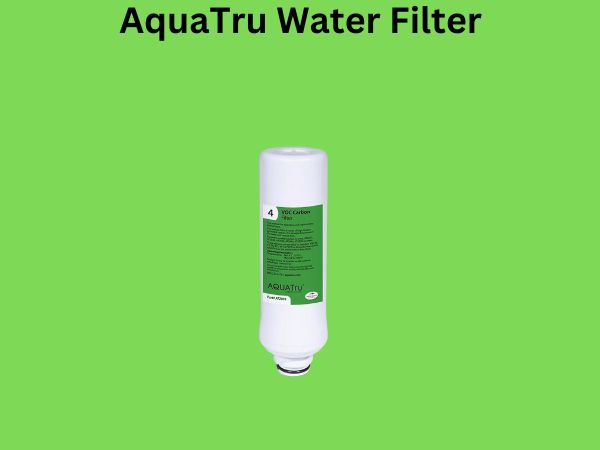
The AquaTru system operates in stages. First, water passes through a sediment pre-filter that catches larger particles like dirt and rust. Then it moves to an activated carbon filter that removes chlorine, taste, and odor issues. Finally, it goes through the reverse osmosis membrane, which is where the heavy lifting happens. The water that comes out is exceptionally pure, while the contaminants are flushed away as waste water.
Key Features of AquaTru
- Countertop design that doesn’t require installation
- Three-stage filtration process
- Produces water with extremely low TDS (Total Dissolved Solids)
- Comes with a dedicated faucet
- Digital display showing filter life
- Produces filtered water at a reasonable speed for reverse osmosis
What Is Berkey? Understanding This Gravity-Fed System
Berkey water filters have been around longer than AquaTru and have built a loyal following among people who value independence and sustainability. The Berkey system is gravity-fed, which means it doesn’t require electricity or water pressure to work. You simply pour water into the top chamber, and gravity does the work of pushing it through the filtration media.
The Berkey Filtration Method
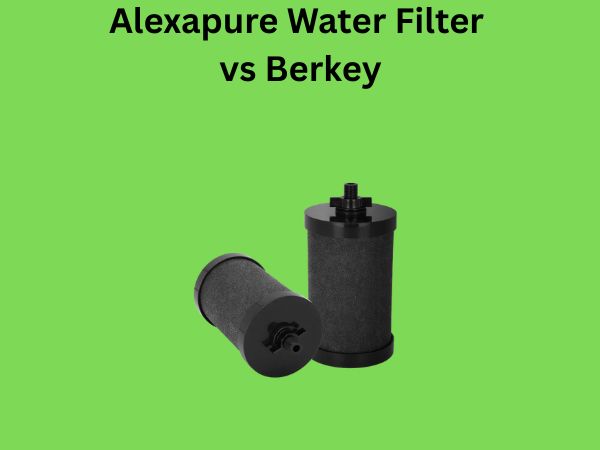
Berkey uses proprietary black filters made from a blend of media including activated carbon and other materials. These filters work through a combination of adsorption, absorption, and mechanical filtration. The water sits in the upper chamber and slowly drips through the filters into the lower chamber below. It’s a passive process that requires patience but offers great rewards.
What Makes Berkey Stand Out
- No electricity required
- Gravity-fed system that works anywhere
- Large capacity options available
- Filters last for thousands of gallons
- Affordable long-term filtration cost
- Simple maintenance and filter replacement
Filtration Effectiveness: Getting Down to the Numbers
Now here’s where things get interesting. When comparing water filters, you need to look at what they actually remove. AquaTru publishes extensive testing data showing that its reverse osmosis system removes up to ninety-nine percent of dissolved solids, including minerals, salts, and various contaminants. This results in water with a TDS reading that’s extremely low, sometimes in the single digits.
AquaTru’s Removal Capabilities
The three-stage system in AquaTru is designed to tackle a wide range of contaminants. The sediment filter handles particles, the carbon filter addresses chlorine and volatile organic compounds, and the reverse osmosis membrane tackles dissolved solids. The result is water that’s nearly pure—sometimes some people say it’s almost too pure because it lacks beneficial minerals.
Berkey’s Filtration Performance
Berkey’s black filters are tested to remove various contaminants including bacteria, viruses, and chemicals. The company claims its filters can reduce certain contaminants by significant percentages. However, it’s worth noting that Berkey hasn’t always been as transparent with third-party testing data as some users would like. The filters work well for general purpose filtration, but they don’t produce water as pure as reverse osmosis systems.
Cost Comparison: Initial Investment and Long-Term Expenses
Let’s talk about money because that’s a real factor in your decision. The initial cost of AquaTru is higher—you’re looking at somewhere in the range of four hundred to five hundred dollars depending on sales and promotions. Berkey units typically start around two hundred dollars for smaller models, with larger capacity units running higher.
Ongoing Costs for AquaTru
The replacement filters for AquaTru aren’t cheap. You’ll need to replace them periodically, and a full filter set can cost around one hundred dollars. However, each filter set can last several months depending on water usage and quality. Over five years, you’re looking at a significant investment in replacement filters.
Berkey’s Long-Term Expenses
This is where Berkey really shines in the cost department. The black filters are expensive individually, but they last for thousands of gallons—sometimes up to six thousand gallons or more. This means you might only need to replace them once or twice per year depending on your water consumption and how many filters you’re using. The math works out much more favorably over time.
Speed and Convenience: How Fast Is Your Filtered Water?
I’ll be honest—if you’re impatient like me, this matters. AquaTru produces filtered water at a decent pace for a reverse osmosis system, typically filling a pitcher in a few minutes. Some people do find this slower than they’d like, especially if they’re trying to fill large containers. You also need electricity, so you’re tied to having the unit near an outlet.
The AquaTru User Experience
Using AquaTru is straightforward. Fill the top reservoir with tap water, flip the switch, and wait. The digital display tells you how much filter life remains, which takes the guesswork out of maintenance. The dedicated faucet makes pouring easier than some other systems.
The Berkey User Experience
Berkey is slower—we’re talking hours to filter a full tank of water. However, many users see this as a minor inconvenience because you can set it and forget it. The passive nature of the system means you don’t have to think about it. Just pour water in the top and let gravity do its thing while you go about your day.
Installation and Setup: What’s Involved?
One of AquaTru’s biggest advantages is that it requires absolutely no installation. You unbox it, put it on your counter near a sink and electrical outlet, and you’re done. There’s no drilling, no plumbing, nothing complicated. This is huge if you’re renting or don’t want to deal with installation headaches.
AquaTru’s Easy Setup
The system arrives ready to go. You connect the inlet hose to your sink faucet, position the waste water hose, and you’re filtrating. The instructions are clear, and most people can have it running in less than ten minutes.
Berkey Installation Simplicity
Berkey is even simpler in some ways. You just assemble the two chambers, place the filters inside the top chamber, and set it on a counter. There’s no electricity to plug in, no hoses to connect. However, you do need to have two filter elements at minimum to make it work properly, which means you need to be prepared for that initial setup.
Portability and Flexibility: Can You Take It With You?
Here’s something that matters to people in different situations. AquaTru is essentially stationary. It needs to be near an outlet and near a sink for the inlet hose. If you move frequently or like flexibility, this could be a limitation.
Berkey, on the other hand, is incredibly portable. As long as you have tap water available, you can use it anywhere. Living in an RV? Berkey works. Going camping? Berkey works. Power outages? Berkey still works. This flexibility is a major selling point for many people.
Water Quality Testing and Transparency
When it comes to knowing exactly what you’re getting, transparency matters. AquaTru provides comprehensive testing reports showing TDS levels and specific contaminant removal percentages. This data-driven approach appeals to people who like numbers and proof.
Berkey has been less forthcoming with independent testing data in recent years, which has frustrated some consumers. The company maintains that its filters work, but without the same level of published testing data, it’s harder to verify specific claims.
Maintenance Requirements: Keeping Your System Running Smoothly
Both systems require some maintenance, but the level differs. With AquaTru, you’ll need to periodically flush the reverse osmosis membrane and replace filters on a schedule. This isn’t difficult, but it does require attention and cost.
AquaTru Maintenance Tasks
- Replace sediment filter every few months
- Replace carbon filter every few months
- Replace reverse osmosis membrane annually or as needed
- Periodically flush the system
- Keep the faucet and connections clean
Berkey Maintenance Tasks
- Clean the filters periodically using the provided brush
- Replace filters after thousands of gallons
- Keep the system clean and free from debris
- Ensure proper assembly of chambers
Berkey’s maintenance is simpler because you’re mainly just cleaning and occasionally replacing filters. There’s no complex technology to maintain or electricity-dependent components to worry about.
Water Waste Considerations: Environmental Impact
This is an important point that doesn’t get discussed enough. Reverse osmosis systems like AquaTru produce waste water. For every gallon of purified water you get, you might waste two to three gallons of water going down the drain. Over time, this adds up significantly.
Berkey, by contrast, filters water without producing waste. Gravity-fed systems are much more water-efficient, making them better for people concerned about environmental impact or water conservation.
Mineral Content in Filtered Water
Here’s a nuance that some people care about deeply. AquaTru’s reverse osmosis process removes nearly everything from water, including beneficial minerals like calcium and magnesium. Some health experts argue that you should get minerals from food rather than water, while others prefer water with some mineral content. AquaTru does offer the option to remineralize the water if you want to add minerals back in.
Berkey’s filtration approach is less aggressive about mineral removal, so you retain more of the natural minerals present in tap water. If you prefer your water to contain minerals, Berkey might be the better choice.
Real-World User Satisfaction and Reviews
Looking at what actual users say matters. AquaTru owners generally report being very satisfied with the water quality and appreciate the ease of use. The main complaints tend to be about the cost of filters and the waste water produced.
Berkey users are often extremely loyal to the brand, particularly those living off-grid or in areas with questionable water quality. The main complaint you see is about how long it takes to filter water, but most people who buy Berkey seem to accept this as a trade-off for the other benefits.
Which System Is Right for Your Situation?
Choosing between AquaTru and Berkey really depends on your specific needs and priorities. Let me break down some scenarios.
Choose AquaTru If You:
- Want the absolute purest water possible
- Don’t mind spending more on filters
- Have limited counter space but want effectiveness
- Prefer digital displays and modern technology
- Have access to electricity and consistent water pressure
- Want filtered water quickly
Choose Berkey If You:
- Want long-lasting filters and low ongoing costs
- Value portability and independence from electricity
- Don’t mind waiting for water to filter
- Prefer simple, low-tech solutions
- Are concerned about water waste
- Want a system that works anywhere, anytime
Conclusion
After examining both systems closely, I can tell you that there’s no objectively “best” water filter between AquaTru and Berkey. They’re both legitimate, effective solutions that happen to take different approaches to water purification.
AquaTru represents the modern, technology-forward approach to water filtration. It produces incredibly pure water quickly and requires minimal effort on your part. If you’re willing to pay higher costs for filters and don’t mind the waste water, and if you want the purest water possible, AquaTru is an excellent investment.
Berkey, meanwhile, represents the practical, cost-effective approach that prioritizes long-term savings and independence. It’s the choice for people who want reliable filtration without ongoing expenses, who value portability, and who don’t mind a slower process in exchange for simplicity and sustainability.
Consider your living situation, your budget, your water consumption habits, and your filtration priorities. Think about whether you’ll value purity or convenience more. Once you’ve answered those questions, you’ll know which system is the right match for you.
Frequently Asked Questions
Does AquaTru remove all contaminants from water?
AquaTru’s three-stage filtration system removes up to ninety-nine percent of dissolved solids and a wide range of contaminants. However, no filtration system removes absolutely everything. Some extremely small particles or certain specialized contaminants might not be caught. That said, for most household purposes, AquaTru produces water that’s as clean as you can get with a residential system.
How often do I need to replace Berkey filters?
Berkey’s black filters typically last between six thousand and fifteen thousand gallons depending on water quality and usage. For most households, this translates to replacing filters once or twice per year. The exact timeline depends on how much water you filter and how contaminated your source water is.
Is reverse osmosis water safe to drink long-term?
Yes, reverse osmosis water is safe to drink long-term. While it lacks minerals, there’s no scientific evidence that this causes health problems. Your body gets minerals from food, and some experts actually prefer mineral-free water. If you’re concerned about minerals, AquaTru offers remineralization options.
Can Berkey filters remove viruses and bacteria?
Berkey’s black filters are designed to reduce bacteria and viruses, though the exact