Brita vs Philips Water Filter Bottle: Which One Should You Buy?
Have you ever stopped to think about what you’re actually drinking when you fill up a glass of tap water? Most of us don’t, and that’s probably because we’re busy, tired, or we’ve simply accepted that tap water is just… tap water. But here’s the thing: the water flowing through your kitchen faucet might contain contaminants, odors, and tastes that a simple filter bottle could eliminate. That’s where products like Brita and Philips come into play.
Water filter bottles have become incredibly popular over the last decade, and for good reason. They’re convenient, relatively affordable, and they actually work. But when you’re standing in the store or browsing online, wondering whether to invest in a Brita or a Philips filter bottle, it’s easy to feel overwhelmed. They look similar, they promise similar results, so how do you know which one is actually the better choice for you?
In this guide, I’m going to break down everything you need to know about these two popular water filtration systems so you can make an informed decision that aligns with your needs and budget.
Understanding Your Drinking Water Needs
Before we dive into comparing Brita and Philips, let’s talk about why you might even need a water filter bottle in the first place. The quality of tap water varies dramatically depending on where you live. Some regions have excellent water infrastructure with strict quality controls, while others struggle with aging pipes that can introduce unwanted particles, chemicals, and minerals into your drinking water.
Think of your tap water like a highway—it starts clean at the treatment facility, but the longer it travels through pipes, the more “hitchhikers” it picks up along the way. These hitchhikers could be chlorine, sediment, heavy metals, or other contaminants.
Common Water Quality Issues
- Chlorine taste and odor
- Sediment and particulate matter
- Heavy metals like lead and copper
- Pesticides and herbicides
- Microorganisms
- Hard water minerals (calcium and magnesium)
Depending on which of these issues affect your local water supply, you might prioritize different features when choosing a filter bottle.
What is Brita and How Does It Work?
Brita is probably the name you’ve heard most often when it comes to water filtration. They’ve been in the business since 1966, starting in Germany and eventually expanding globally. When most people think about water filter pitchers or bottles, Brita is often their first thought—they’ve essentially become synonymous with filtered water.
Brita’s Filtration System
Brita uses a dual-layer filtration approach that combines activated carbon with ion-exchange resin. The activated carbon is excellent at removing chlorine, which is the primary culprit behind that unpleasant tap water taste you might be experiencing. The ion-exchange resin helps reduce hard water minerals and certain metals.
When you pour water through a Brita filter, the water passes through these two layers sequentially. The activated carbon traps chlorine molecules, and the resin exchanges problematic ions for more benign ones. It’s like having a bouncer and a security system working together—the bouncer (activated carbon) removes the obvious troublemakers, while the security system (resin) handles the sneakier threats.
Brita Product Range
- Standard filter pitchers (2-10 cups capacity)
- Premium filter pitchers with smart indicators
- Filter water bottles for on-the-go use
- Under-sink filtration systems
- Faucet-mounted filters
What is Philips and How Does It Work?
Philips is a massive electronics corporation based in the Netherlands, and they’ve entered the water filtration market with serious ambitions. While they might not have the same brand recognition as Brita in the filtration space, they bring years of innovation and quality engineering to the table.
Philips’ Filtration Technology
Philips takes a different approach than Brita. Many of their water filter bottles use a combination of activated carbon, ion-exchange resin, and sometimes additional filtration stages. Some of their premium models include microfiltration technology that can remove even smaller particles and microorganisms that regular carbon filters might let through.
Imagine Brita’s system as a basic three-course meal, while Philips’ advanced models are like a tasting menu with additional courses. Both will satisfy your hunger, but the tasting menu offers more complexity and refinement.
Philips Product Range
- Water filter bottles with basic filtration
- Advanced models with multiple filtration stages
- Smart water bottles with filter indicators
- Pitcher-style filters
- Countertop filtration systems
Comparing Filtration Technology
Activation Carbon Technology
Both Brita and Philips rely on activated carbon as their primary filtration medium. The question isn’t really whether activated carbon works—it absolutely does—but rather how much of it each product uses and how effectively it’s implemented.
Brita has had decades to perfect their carbon filter design, and honestly, their basic filters are incredibly effective at what they’re designed to do: remove chlorine and improve taste. Most people notice an immediate difference in how their tap water tastes after using a Brita filter.
Philips, particularly in their more premium offerings, often includes more sophisticated filter media combinations. This means they might target a broader range of contaminants beyond just chlorine.
Multi-Stage Filtration
Here’s where things get interesting. Some Philips models employ multi-stage filtration, which means the water passes through more than two filtration layers. This approach can be more effective at removing a wider variety of contaminants, but it also typically means a higher price point and potentially slower water flow.
Brita’s standard filters are primarily two-stage, which is simpler and faster, but potentially less comprehensive in contamination removal.
Price Comparison and Value for Money
Let’s talk about money, because this is often the deciding factor for most people. When you’re comparing two products, you’re not just looking at the upfront cost—you need to consider the total cost of ownership, including replacement filters.
Initial Investment
Brita filter bottles typically start around fifteen to thirty dollars, depending on the model and capacity. They’re affordable entry-level options that won’t break your budget.
Philips water filter bottles generally fall into a similar price range, though their premium models can cost significantly more—sometimes pushing toward fifty dollars or higher. You’re often paying for additional features and more advanced filtration technology.
Replacement Filter Costs
This is where your total cost of ownership really gets calculated. A Brita filter typically costs around five to seven dollars and lasts about two months with regular use (filtering around 40 gallons of water). For a typical household, that’s approximately thirty to forty dollars per year in replacement filters.
Philips filters can be similarly priced, though some models require filters that cost more due to their advanced filtration capabilities. You might spend between thirty to fifty dollars annually on replacements, depending on your usage and specific model.
Long-Term Value Analysis
If you’re considering a five-year timeline, the total cost for Brita would be around two hundred dollars (including the initial pitcher and filters). For Philips, it might range from two hundred fifty to three hundred fifty dollars, depending on the model and how often you replace filters.
The question becomes: are you willing to pay the premium for potentially better filtration technology? For some households, absolutely yes. For others, the basic Brita solution is perfectly adequate.
Design and Portability Features
Brita Design Considerations
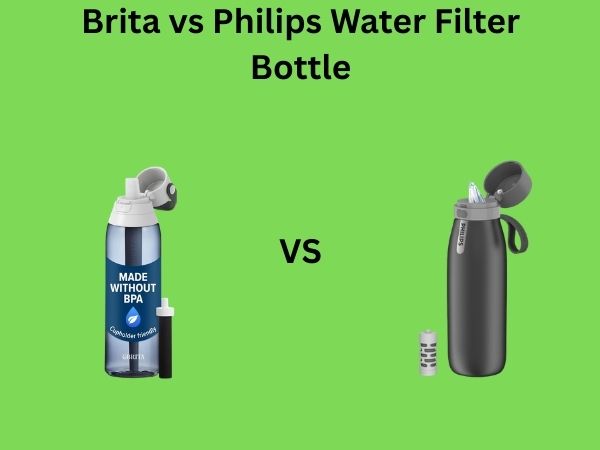
Brita’s filter bottles come in various designs, from sleek modern looks to more traditional pitcher styles. Their portable bottles are generally lightweight and easy to carry, making them perfect for people who travel frequently or work in an office.
The bottles typically feature clear plastic bodies so you can easily see when you need to refill them. They fit standard refrigerator shelves, and most models are dishwasher-safe (though you should check the specific product to be sure).
Philips Design Considerations
Philips bottles tend to have a more modern, sleek aesthetic. Many of their models feature premium materials and contemporary designs that look good on any kitchen counter or desk. Some models include smart features like filter replacement indicators that tell you exactly when to change your filter.
However, some people find certain Philips models less convenient for refrigerator storage compared to traditional pitcher-style filters. The design aesthetics come with certain practical trade-offs.
Portability Comparison
- Brita: Excellent for traditional pitcher use; portable bottles are lightweight
- Philips: Some models prioritize aesthetics over portability; varies by model
Filter Lifespan and Replacement Costs
Filter longevity is a crucial consideration because it directly impacts your convenience and ongoing expenses. Nobody wants to be caught without a clean filter when they need one.
Brita Filter Lifespan
Standard Brita filters last approximately two months or filter about forty gallons of water, whichever comes first. This is pretty consistent across their product line. If you use your filter heavily—say you’re filtering water for a family of four—you might need a new filter every six weeks.
The good news? Brita filters are widely available everywhere—supermarkets, pharmacies, online retailers. You’ll rarely be in a situation where you can’t find a replacement.
Philips Filter Lifespan
Philips filter lifespans vary by model. Some basic models last about two to three months, similar to Brita. However, their premium filters, which contain more advanced filtration media, can last longer—sometimes up to four months—because they’re designed to handle a wider range of contaminants more efficiently.
The trade-off? Philips filters can be slightly harder to find in regular retail stores, though they’re readily available online.
Water Taste Improvement Analysis
Here’s the million-dollar question: does the water actually taste better? And more importantly, does one product make noticeably better-tasting water than the other?
Honestly, most people notice an immediate and dramatic improvement in taste when they first use any activated carbon filter, whether it’s Brita or Philips. That chlorine taste and smell that you’ve probably gotten used to simply vanishes. It’s like when you clean your glasses—suddenly you realize how dirty they were.
Taste Testing Reality
If you did a blind taste test between Brita-filtered water and Philips-filtered water, the average person would probably find them nearly identical. Both products do an excellent job removing the primary culprit behind bad-tasting tap water: chlorine.
Where Philips might have an advantage is if your tap water contains additional contaminants beyond chlorine—heavy metals, pesticides, or high mineral content. In these cases, their multi-stage filtration might produce noticeably cleaner-tasting water. But for standard chlorinated tap water, both products perform admirably.
Environmental Impact Considerations
Plastic Waste
Both Brita and Philips produce plastic bottles, and if you’re environmentally conscious, this matters. Every two to three months, you’re disposing of a used filter. Over a lifetime, that’s a lot of plastic waste heading to landfills.
Brita has made efforts to address this with a recycling program in some regions where you can mail back used filters for proper recycling. Philips also offers similar programs in various markets.
Water Conservation
Both filter bottles reduce your reliance on bottled water, which is genuinely significant for environmental impact. Instead of buying plastic bottles of filtered water, you’re using tap water with a reusable bottle. Over a year, a family might prevent hundreds of plastic bottles from entering the waste stream.
Manufacturing Carbon Footprint
Neither company is dramatically superior in terms of manufacturing carbon footprint. Both produce their filters in industrial facilities, and the environmental cost is largely similar. This is a tie.
User Reviews and Real-World Performance
Let’s be honest—the best way to understand how a product actually performs is to see what real users say about it.
Brita User Feedback
Brita generally receives overwhelmingly positive reviews. Users consistently praise:
- Immediate improvement in water taste
- Ease of use and refilling
- Wide availability of replacement filters
- Affordability
- Reliable, consistent performance over years
The most common complaints are typically about filter longevity and occasional issues with plastic durability if bottles are dropped or mishandled.
Philips User Feedback
Philips users also report high satisfaction, particularly with:
- Premium build quality
- Modern aesthetic design
- Effective filtration performance
- Smart indicators on premium models
- Quiet operation
Common complaints include difficulty finding replacement filters in retail locations and occasional concerns about higher prices.
Maintenance and Cleaning Requirements
Brita Maintenance
Maintaining a Brita filter bottle is refreshingly simple. Most components are dishwasher-safe (just check your specific model’s instructions). You simply rinse out the pitcher or bottle periodically, and replace the filter when it reaches its expiration date.
The only slightly annoying aspect is remembering to change the filter on time. Brita’s basic filters don’t have built-in indicators, so you need to manually track when you installed the filter.
Philips Maintenance
Philips bottles are similarly low-maintenance. Most are also dishwasher-safe and require the same basic care as Brita products. The advantage of Philips premium models