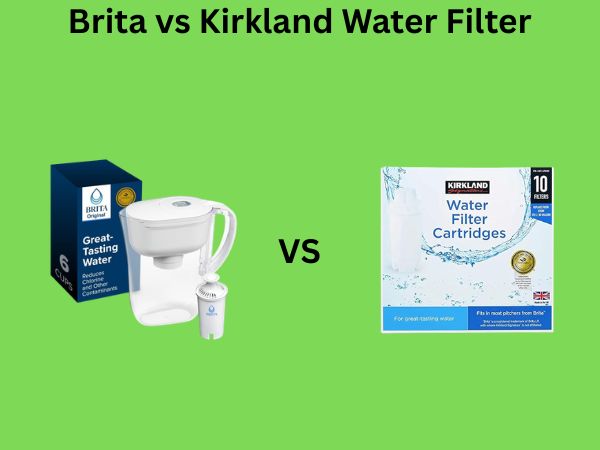
Brita vs Kirkland Water Filter: Which Saves More Money?
Let me be honest with you—I used to just drink tap water without thinking twice about it. Then one day, I noticed the taste was off, and I started wondering if I was actually doing myself any favors. That’s when I jumped down the rabbit hole of water filtration systems, comparing everything from basic pitcher filters to fancy under-sink contraptions. Two brands kept popping up in my research: Brita and Kirkland. Both promise clean, better-tasting water, but they come at different price points and with different long-term costs. So I decided to dig deep and figure out which one actually saves you more money over time.
Why Water Filtration Matters More Than You Think
Before we dive into the numbers, let’s talk about why you should care about water filtration in the first place. Your tap water might look clean, but it often contains chlorine, sediment, and other substances that affect both taste and quality. According to various water quality reports, many municipal water supplies contain trace amounts of contaminants that can accumulate in your body over time. That’s where filtration systems come in—they act as a safety net between you and whatever’s lurking in your pipes.
The Real Cost of Unfiltered Water
Think about how much money you might be spending on bottled water if you’re not filtering your tap water. A family buying bottled water regularly could spend hundreds of dollars per year. Not only is bottled water expensive, but it also creates massive environmental waste. Water filtration pitchers offer a middle-ground solution that’s both affordable and eco-friendly.
Understanding Brita: The Market Leader
Brita has been around since 1966, and honestly, they’ve earned their reputation as a household name. When most people think of water pitcher filters, Brita is usually the first brand that comes to mind. They’ve got sleek designs, they’re widely available, and they come in multiple styles to fit different needs and preferences.
How Brita Filters Work
Brita’s filtration system uses activated carbon and ion exchange resin to reduce chlorine taste and odor, along with other contaminants like copper, cadmium, and mercury. The process is straightforward—you fill the pitcher with tap water, let it pass through the filter, and out comes cleaner-tasting water. It’s simple, which is probably why so many households have one sitting in their refrigerators.
Brita Product Range and Options
One thing I appreciate about Brita is their variety. You can choose from standard pitcher models, faucet-mounted filters, or under-sink systems depending on your needs. The pitcher options range from basic models that hold about 5 cups to larger 10-cup versions. Each option targets different household sizes and usage patterns.
Brita Pitcher Models
- Standard Brita pitcher—affordable entry point
- Brita Stream pitcher—filtered and unfiltered dispensers
- Brita Premium pitcher—advanced filtration technology
- Brita Bottle—portable filtered water on the go
Getting to Know Kirkland: Costco’s Private Label Solution
Kirkland, Costco’s house brand, has quietly built a reputation for offering quality products at lower prices. Their water filters have gained traction among cost-conscious consumers who shop at Costco and want to avoid brand markups. But don’t let the “private label” designation fool you—Kirkland’s water filters are actually quite competitive.
How Kirkland Filters Function
Kirkland water filters work on similar principles to Brita, using activated carbon and ion exchange resin to remove chlorine, taste, and odor. The filtration process is essentially the same, which makes this comparison even more interesting because we’re looking at comparable technology at different price points.
Kirkland’s Market Position and Availability
Here’s the catch with Kirkland—you need a Costco membership to buy them. That membership costs money upfront, though most people who shop at Costco find the membership pays for itself through bulk purchases. For water filters specifically, Kirkland offers competitive pricing on their pitcher filters and replacement cartridges.
Initial Purchase Costs: Where Your Money Goes First
Let’s talk about what you’ll actually pay when you first decide to set up your water filtration system. This is where the comparison gets interesting because the upfront investment differs significantly between these two brands.
Brita Pitcher Initial Investment
When you buy a Brita pitcher, you’re looking at an initial cost ranging from about $20 to $50 depending on which model you choose. The basic pitcher models sit on the lower end, while their premium or stream models cost more. You can find Brita pitchers at most grocery stores, drugstores, and online retailers, which means no special membership is required.
Kirkland Pitcher Initial Investment
Kirkland water filter pitchers typically cost between $15 and $35, making them slightly cheaper upfront than their Brita counterparts. However, remember that you’ll need a Costco membership to access these prices. If you don’t already have a membership, that’s an additional $60 to $120 per year depending on which membership tier you choose.
Factoring in Membership Costs
This is crucial—if you’re only buying Kirkland filters and no other Costco products, the membership cost might not be worth it. But if you already shop at Costco for groceries and household items, then the Kirkland filter becomes much more attractive financially.
Replacement Filter Costs: The Ongoing Expense
Here’s where the real money comes into play. The pitcher itself is just the beginning—the real expense is replacing those filters regularly. Let’s break down what you’ll actually spend on replacement cartridges.
Brita Replacement Filter Pricing
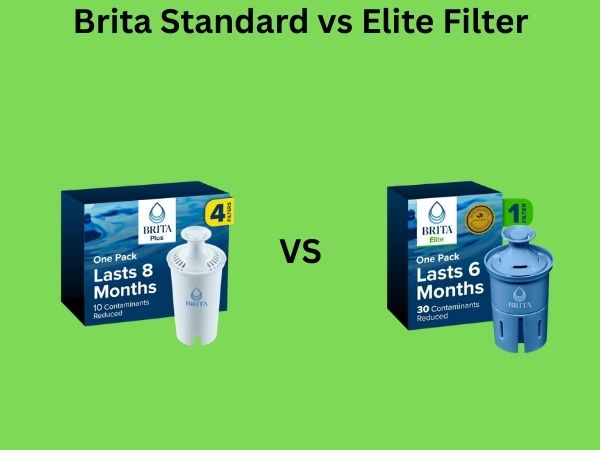
Brita replacement filters typically cost between $5 and $8 per filter when you buy them individually at retail price. However, buying in bulk packs usually drops this price to around $3 to $4 per filter. Each filter lasts about two to three months depending on your water usage and tap water quality.
Brita Filter Purchase Options
- Single filter—$6 to $8
- 2-pack filters—$10 to $14 (approximately $5 to $7 each)
- 4-pack filters—$12 to $18 (approximately $3 to $4.50 each)
- Subscription delivery—often offers discounts
Kirkland Replacement Filter Pricing
Kirkland filters are consistently cheaper, running about $2.50 to $3.50 per filter when bought in multi-packs at Costco. This is a significant difference compared to Brita, especially when you calculate costs over years of use.
Kirkland Filter Purchase Options
- Costco warehouse purchase—approximately $2.50 to $3.50 per filter
- Typically sold in packs of 2, 4, or more
- Filter lifespan—similar two to three month period
Comparing Long-Term Costs Over Five Years
Now let’s get to the real question—which option actually saves you more money over time? I’m going to calculate costs for an average household that goes through about four to five filters per year.
Brita Five-Year Cost Analysis
Let’s assume you buy a standard Brita pitcher for $30 and you use about five filters per year. If you buy filters in bulk packs at $4 each, here’s what you’d spend:
- Year one: $30 (pitcher) plus $20 (5 filters at $4 each) equals $50
- Years two through five: $20 per year for filters equals $80
- Five-year total: $130
- Average annual cost: $26
Kirkland Five-Year Cost Analysis
Now let’s calculate Kirkland assuming a $20 pitcher cost, $3 per filter, and five filters per year:
- Year one: $20 (pitcher) plus $15 (5 filters at $3 each) equals $35
- Years two through five: $15 per year for filters equals $60
- Five-year total (without membership): $95
- Five-year total (with $90 average membership cost): $185
- Average annual cost (with membership): $37
The Membership Question: Does It Make Sense?
This is where things get complicated. If you already have a Costco membership and shop there regularly, Kirkland is the clear winner financially. You save about $35 over five years compared to bulk-buying Brita filters. But if you’re buying a Costco membership purely for water filters, that doesn’t make economic sense.
Filter Lifespan and Durability Considerations
Both Brita and Kirkland filters are rated to last about two to three months under normal use. However, actual lifespan depends on your water quality and usage patterns. Hard water or heavy usage might require more frequent filter changes, which impacts your total cost.
Factors That Affect Filter Life
- Water hardness in your area
- How frequently you refill the pitcher
- Overall water quality from your municipal supply
- Whether you have sediment or other particles in your tap water
Pitcher Durability and Longevity
Both brands offer durable pitcher designs that typically last several years if properly maintained. Brita pitchers seem to have slightly more design variety and replacement options if something breaks. Kirkland pitchers are solid but less widely available for replacement parts.
Filtration Effectiveness: Do Both Perform Equally?
Here’s an important question—if Kirkland is cheaper, does it actually filter as well as Brita? I was curious about this myself.
What Contaminants Do They Remove?
Both filters remove similar contaminants including chlorine, some heavy metals like copper and mercury, and reduce sediment. Neither is designed to remove all bacteria or viruses—they’re both pitcher filters, not purification systems. For basic tap water improvement, both perform comparably.
Independent Testing Results
Various water quality tests have shown that Kirkland and Brita filters perform similarly in removing chlorine taste and odor. The differences are minimal, which suggests that you’re paying extra for the Brita brand name rather than significantly superior filtration.
Environmental Impact of Your Choice
If you care about the environment—and honestly, who doesn’t these days—there’s another consideration in this comparison. Both brands produce plastic cartridges that end up in landfills, which isn’t ideal. However, using either pitcher filter is far more environmentally friendly than buying bottled water.
Reducing Plastic Waste
- One pitcher filter replaces roughly 300 plastic water bottles
- Brita has a recycling program for old filters
- Kirkland filters are recyclable through Costco locations
- Both are better choices than single-use bottled water
Which One Fits Your Lifestyle Better?
Beyond just the numbers, your choice depends on your personal situation and lifestyle. Let me break down who each option serves best.
Choose Brita If You:
- Don’t have a Costco membership and don’t plan to get one
- Prefer shopping at regular grocery stores
- Want maximum availability and product variety
- Value brand recognition and established support
- Want subscription delivery options
Choose Kirkland If You:
- Already have an active Costco membership
- Shop at Costco regularly anyway
- Want to minimize costs and save money aggressively
- Are comfortable with a private label brand
- Buy household items in bulk
Real User Satisfaction and Reviews
I spent time reading through customer reviews for both brands to get a sense of real-world satisfaction. Both generally receive positive ratings, with users consistently noting improved water taste and easy-to-use designs.
Common Brita User Feedback
Brita users appreciate the variety of pitcher styles and appreciate the brand familiarity. Some complaints center on filter availability in certain areas and higher replacement costs. Overall satisfaction rates hover around 4.2 to 4.5 stars out of 5.
Common Kirkland User Feedback
Kirkland users consistently praise the cost savings and note that filtration quality matches Brita. The main limitation mentioned is availability—you can only buy them at Costco locations. Satisfaction ratings are similarly strong at around 4.1 to 4.4 stars out of 5.
Making Your Final Decision: Cost Versus Convenience
So which one actually saves you more money? The answer depends on your situation, and I’m going to be honest about that.
If You Already Shop at Costco:
Kirkland wins by a comfortable margin. You’re looking at genuine savings of $30 to $40 per year, which compounds over time. Over a decade, that’s meaningful money that could go toward other priorities.
If You Don’t Shop at Costco:
Brita makes more sense because you avoid the membership cost. Unless you’re buying other Costco items anyway, the membership fee wipes out any filter savings.
The Sweet Spot Strategy:
Consider this approach—if you’re on the fence about a Costco membership anyway, calculate what you’ll save on all Costco purchases. If the total savings from groceries and household items justifies the membership, then add Kirkland filters to that mix as an additional benefit.
Conclusion
After digging into the numbers, comparing costs, and evaluating real-world usage, here’s my honest take: both Brita and