
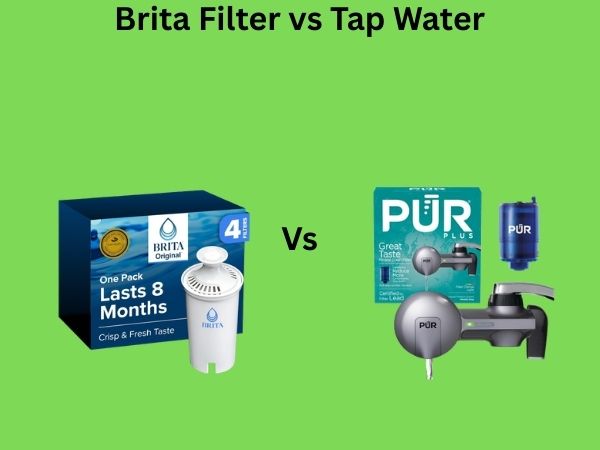
Brita Filter vs Tap Water: Is Filtering Really Necessary?
Have you ever stood in your kitchen, staring at a glass of tap water and wondering whether you’re about to drink something refreshing or risky? You’re not alone. Millions of people face this decision daily, and it’s sparked a genuine debate about whether water filtration systems like Brita are worth the investment or just another unnecessary expense in an already crowded marketplace.
The truth is, this question doesn’t have a simple yes or no answer. Your answer depends on where you live, your personal health concerns, your budget, and honestly, your peace of mind. Let me walk you through everything you need to know to make an informed decision.
Understanding Tap Water: Is It Really That Bad?
What Happens Before Water Reaches Your Home
Here’s something that might surprise you: in most developed countries, tap water is actually heavily regulated and tested regularly. In the United States, the Environmental Protection Agency (EPA) sets strict standards for drinking water quality. Municipal water systems are required to test their water multiple times per day and provide annual water quality reports to residents.
Think of tap water as a carefully monitored journey. Water travels from treatment plants through miles of pipes, and at every stage, it’s being monitored for contaminants like bacteria, chemicals, and heavy metals. The regulations are actually quite rigorous, even if they don’t make headlines as often as they should.
Common Concerns About Tap Water
Despite these safeguards, people have legitimate concerns about tap water quality. Some of the most common worries include:
- Chlorine and chlorine byproducts: Used to kill bacteria, but can affect taste and smell
- Lead: Primarily from old pipes in aging infrastructure
- Fluoride: Added for dental health, but some people prefer to avoid it
- Microplastics: An emerging concern that’s still being studied
- Pesticide residues: From agricultural runoff in some areas
- Aging infrastructure: Pipes that can leach metals into otherwise clean water
Now, here’s where it gets interesting: whether these substances are actually present in YOUR tap water depends almost entirely on where you live. A person in rural Vermont likely faces completely different water quality challenges than someone in an industrial area of Ohio.
How Brita Filters Actually Work
The Technology Behind the Pitcher
Brita filters use a combination of activated carbon and ion exchange resin. Let me break down what that means in plain language. Activated carbon is like a microscopic sponge with tons of tiny pores. These pores trap certain chemicals and odors, improving taste and reducing chlorine. The ion exchange resin works by swapping ions, which helps reduce metals like lead and copper.
It’s actually pretty clever technology, but here’s the catch: it’s not catching everything. Brita filters are specifically designed to improve taste and reduce certain contaminants, but they’re not certified to remove bacteria, viruses, or some other potentially harmful substances.
What Brita Filters Remove and Don’t Remove
Let’s be honest about what you’re actually getting. Brita filters are effective at removing:
- Chlorine taste and odor
- Some heavy metals like lead and copper
- Some pesticides
- Certain organic compounds that affect taste
But they’re NOT certified to remove:
- Bacteria and viruses
- Fluoride (in most standard filters)
- Nitrates
- All dissolved minerals
- Microplastics (debatable effectiveness)
If you’re concerned about serious contamination like bacterial or viral pathogens, a basic Brita pitcher won’t give you the protection you need. You’d need a reverse osmosis system or distillation for that level of filtration.
The Cost Comparison: What Really Adds Up?
Initial Investment and Ongoing Expenses
A Brita pitcher typically costs between $20 and $40 upfront. That seems reasonable, right? But then you need to factor in replacement filters. Here’s where the numbers start becoming important.
A single Brita filter costs roughly $5 to $8 and lasts about two to three months, depending on your water usage. If you have a family and use the filter regularly, you’re looking at about $20 to $32 per year just for replacement filters. Over five years, that’s $100 to $160 on top of your initial pitcher investment.
Compare that to tap water, which costs pennies per gallon in most places. Even in areas with higher water rates, you’re probably paying less than a penny per gallon. So if you’re drinking a gallon of filtered water daily, you’re spending roughly $0.03 on tap water versus $0.06 to $0.10 on filtered Brita water. It’s not a massive difference, but it adds up.
Is the Taste Worth the Extra Cost?
This is where personal preference enters the equation. If you genuinely enjoy the taste of filtered water more, then you might find the extra cost worthwhile. But if you’re filtering water purely out of fear rather than preference, you might be spending money unnecessarily.
I’d suggest conducting your own taste test. Blind taste several glasses of water: tap water, Brita-filtered water, and maybe even water from a different source. You might be surprised at how similar they taste once you remove the psychological factor.
Environmental Impact: The Bigger Picture
Plastic Waste from Brita Filters
Here’s something people often overlook when comparing tap water to filtered water. Each Brita filter cartridge is plastic, and millions of them end up in landfills every year. While Brita has launched a mail-back recycling program in some regions, not everyone participates or has access to it.
If you use two filters per year for ten years, that’s twenty pieces of plastic waste dedicated solely to your water filtration. That’s not insignificant when you multiply it across millions of households.
Tap Water’s Environmental Footprint
Drinking tap water, on the other hand, generates minimal waste beyond your water usage itself. The treatment plants are already built and operating whether you use filtered water or not, so the environmental impact per gallon is relatively low.
If environmental consciousness is important to you, tap water is the clear winner. You’re not generating plastic waste, and you’re not contributing to the demand for filter manufacturing.
Regional Water Quality Variations
Urban vs. Rural Water Systems
This is crucial information that often gets overlooked. Water quality varies dramatically depending on where you live. Some municipalities have pristine water sources and modern treatment facilities, while others struggle with aging infrastructure and higher contamination risks.
If you live in an area with a known water quality issue—like Flint, Michigan experienced—then a filter isn’t just a nice-to-have; it’s essential. But if you live in an area with excellent municipal water quality, a filter is more about personal preference than necessity.
How to Check Your Water Quality
The best way to determine whether you need a filter is to actually check your water quality. Most municipalities provide annual Consumer Confidence Reports (also called Water Quality Reports) that detail what’s in your tap water. These are usually available online or by requesting them from your local water authority.
If you want even more detailed information, you can purchase a home water testing kit for $20 to $50. These kits can identify specific contaminants and give you objective data to base your decision on.
Health Implications: Should You Be Concerned?
Lead Contamination and Its Risks
Lead is probably the most serious concern people have about tap water, and rightfully so. Lead exposure, especially in children, can cause developmental issues and learning problems. The problem is that lead usually comes from old pipes in homes and buildings, not from the water treatment plant itself.
If your home was built before 1980, there’s a higher likelihood of lead pipes or lead solder. In this case, a Brita filter can help reduce lead exposure, though it’s not a complete solution. Running your water for 30 seconds before using it can also help flush out lead that’s been sitting in your pipes.
When Filtering Becomes Medically Necessary
Certain health conditions or immunocompromised states might make water filtration more important. If you have:
- A compromised immune system (HIV, chemotherapy, organ transplant)
- Severe gastrointestinal disorders
- Confirmed contamination in your water supply
Then talking to your doctor about water filtration isn’t paranoid; it’s responsible. Your healthcare provider can recommend appropriate filtration systems based on your specific health situation.
Taste and Odor: The Sensory Difference
Why Chlorine Makes Water Taste Different
Chlorine is the main reason people say tap water tastes “off.” It’s necessary for killing bacteria, but it does create a distinctive taste and smell. Some people are highly sensitive to it, while others barely notice it.
Here’s an interesting fact: if you leave a glass of tap water on your counter for a few hours, the chlorine will naturally evaporate, and the taste will improve. It’s completely free and requires no equipment. So if taste is your main concern, you might try this simple experiment first.
Mineral Content and Water Taste
Some tap water contains minerals like calcium and magnesium, which some people find unpleasant. Brita filters reduce some minerals, which can improve taste. However, these minerals aren’t harmful; they’re actually beneficial for your health. You’re not removing impurities; you’re removing things that your body needs.
This is where the taste-versus-health debate becomes interesting. Filtered water might taste “purer,” but it’s literally less mineralized, and minerals are essential for bone health and cardiovascular function.
Maintenance and Convenience Factors
The Reality of Filter Maintenance
Brita filters require replacing every two to three months. For some people, this is a welcome ritual that makes them feel proactive about their health. For others, it’s an annoying chore that’s easy to forget.
Here’s what actually happens in many households: people buy a Brita pitcher with good intentions, use it for a few months, forget to replace the filter, and then go back to tap water. The initial enthusiasm wears off, and convenience wins.
When Convenience Tips the Scale
If you travel frequently, the convenience of just drinking tap water wherever you are is valuable. If you’re someone who stays in one place and can establish a routine, maintaining a filter is more feasible. Your lifestyle matters more than you might think in this decision.
Real-World Experiences and User Feedback
What People Actually Report
After reviewing thousands of user experiences, a pattern emerges. People generally fall into three categories:
- Taste preference users: People who genuinely prefer the taste of filtered water and feel the cost is justified
- Peace of mind users: People who use filters primarily for psychological reassurance, even if testing shows their tap water is safe
- Necessity users: People in areas with confirmed water quality issues who use filters as a practical solution
Interestingly, most people in the first two categories could probably stop using filters without any health consequences. But the psychological benefit of believing you’re taking action for your health is real, and for some people, that’s worth the cost.
When You Actually Need to Filter
Red Flags That Indicate You Should Filter
There are specific situations where water filtration isn’t optional but necessary:
- Your water quality report shows contamination above EPA limits
- Your tap water has visible particles or discoloration
- Your water has a persistent odor or taste even after running it
- You live in an area with known water infrastructure problems
- Your home has old pipes and a lead test shows elevated levels
- You have a medical condition that requires filtered water
- You’ve been notified by your water authority of a boil water advisory
If none of these apply to you, filtering is more optional than essential.
Alternatives to Brita Filters
If you decide you need filtration, Brita isn’t your only option. You might also consider:
- Under-sink filters: More expensive but provide filtered water directly from your tap
- Reverse osmosis systems: Better for serious contamination but more costly
- Water distillers: Excellent for removing almost everything, but slow
- Faucet-mounted filters: Cheaper alternative to pitcher filters
- Boiling: Free method for killing microorganisms, though it doesn’t remove chemicals
Each option has trade-offs between cost, effectiveness, and convenience.
Making Your Decision: A Practical Framework
Step-by-Step Decision Process
Here’s how I’d approach this decision if I were in your shoes:
Step One: Get your water tested or review your local water quality report. This gives you objective data rather than assumptions.
Step Two: Honestly assess whether taste is the issue. Conduct a blind taste test and be truthful about your results.
Step Three: Consider your health situation. Do you have any conditions that would benefit from filtered water?
Step Four: Calculate the long-term cost. Is $20 to $30 per year worth your peace of mind?
Step Five: Think about environmental impact. Does generating plastic waste bother you more or less than potential minor contamination?
Step Six: Make your decision based on facts, not fear.
Conclusion
So, is filtering really necessary? The honest answer is: it depends. For many people living in areas with good municipal water quality, Brita filters are more about taste preference and psychological reassurance than actual health necessity. For others living in areas with water quality
![10 Best Activated Charcoal Water Filter [2026]](https://waterans.com/wp-content/uploads/2026/06/10-best-activated-charcoal-water-filter-2026-featured-768x432.jpg)
![10 Best Ten Inch Whole House Water Filter Cartridge [2026]](https://waterans.com/wp-content/uploads/2026/06/10-best-ten-inch-whole-house-water-filter-cartridge-2026-featured-768x432.jpg)

![10 Best Activated Carbon Water Filter Pitcher [2026]](https://waterans.com/wp-content/uploads/2026/06/10-best-activated-carbon-water-filter-pitcher-2026-featured-768x432.jpg)