3 Stage vs 5 Stage Water Filter: Which Offers Better Purification?
When you’re standing in front of water filter options at your local store or scrolling through online catalogs, you’ve probably noticed those mysterious numbers—3 stage, 5 stage, and sometimes even 7 stage filters. But what do these numbers actually mean? More importantly, which one should you bring home to protect your family’s health? I’m going to walk you through this decision because choosing the right water filter is genuinely important, and honestly, the marketing can be confusing.
Understanding Water Filtration: A Quick Foundation
Before we dive into comparing these two popular options, let’s establish what we’re actually talking about. A “stage” in water filtration refers to a distinct layer or process that targets specific contaminants. Think of it like a security checkpoint at an airport—the more checkpoints you pass through, the more thorough the screening becomes. Each stage removes different unwanted substances from your water, gradually improving the quality with each step.
Your tap water travels through a journey of purification, and every stage acts as a different filter designed to catch particular problems. Some stages focus on sediment, others target chemical contaminants, and some specialize in removing odors or improving taste. It’s a collaborative effort between multiple layers to deliver you clean, safe drinking water.
What Exactly Is a 3 Stage Water Filter?
The Basic Structure and Components
A 3 stage water filter system is the more straightforward cousin in the filtration family. It uses three distinct filtration layers, each serving a specific purpose. These systems are commonly found under kitchen sinks, in pitcher filters, and in whole-house applications for budget-conscious households.
The typical 3 stage configuration looks something like this:
- First stage: Sediment filter that catches visible particles and debris
- Second stage: Activated carbon filter that removes chlorine, odor, and taste issues
- Third stage: Another carbon filter or mineral filter for final refinement
What Contaminants Does It Remove?
A 3 stage filter does a respectable job tackling common water problems. You’ll get relief from sediment particles, chlorine taste and odor, and some chemical contaminants. However, it’s not designed to be a comprehensive solution for every possible water quality issue.
Here’s what you can realistically expect it to handle:
- Sediment and rust particles
- Chlorine and chlorine by-products
- Some volatile organic compounds (VOCs)
- Unpleasant odors and strange tastes
- A portion of heavy metals through carbon absorption
Cost Considerations for 3 Stage Systems
One of the biggest advantages of a 3 stage filter is the price tag. These systems are significantly more affordable than their 5 stage counterparts, making them accessible to households watching their budget. Initial installation costs are lower, and replacement cartridges also come at a friendlier price point. If you’re dealing with fairly clean municipal water, this might be all you need.
Introducing the 5 Stage Water Filter System
The Comprehensive Approach to Water Purification
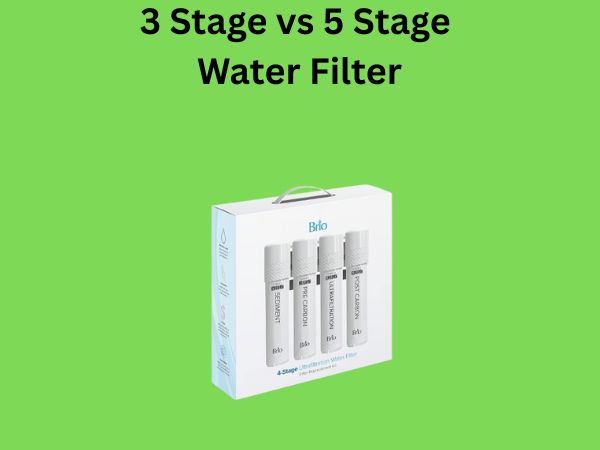
Now let’s talk about the more sophisticated option. A 5 stage water filter system adds two additional filtration layers to the basic three, creating a more thorough purification process. These systems are gaining popularity among health-conscious consumers and people living in areas with questionable water quality.
A typical 5 stage configuration includes:
- First stage: Sediment pre-filter for larger particles and debris
- Second stage: Activated carbon filter targeting chlorine and VOCs
- Third stage: Specialized media filter for specific contaminants
- Fourth stage: Another carbon filter or reverse osmosis membrane for deeper purification
- Fifth stage: Final polishing stage, often using mineral or ceramic filtration
The Extended Contaminant Removal List
Here’s where things get interesting. A 5 stage system doesn’t just remove more contaminants—it removes them more effectively. Because water passes through additional layers, each contaminant has more opportunities to be captured and removed.
You can expect removal of:
- All particles removed by 3 stage systems
- More comprehensive heavy metal removal (lead, mercury, cadmium)
- Bacterial contaminants and some parasites
- Fluoride (if that’s a concern for you)
- Pesticides and herbicides
- Pharmaceuticals and hormones
- More volatile organic compounds
- Improved mineral balance in some cases
Investment and Maintenance for 5 Stage Systems
You’ll pay more upfront for a 5 stage system, and yes, replacement filters cost more too. But consider this an investment in your family’s health. The additional filtration stages often extend the lifespan of individual filters because each one handles less work, which can balance out replacement costs over time. Plus, you’ll have greater peace of mind knowing more contaminants are being addressed.
Head-to-Head Comparison: Performance Metrics
Filtration Efficiency and Thoroughness
When you compare these systems directly, the 5 stage filter wins on pure filtration comprehensiveness. It’s like comparing a basic car wash to a detailed detailing service—both leave your car cleaner, but one is noticeably more thorough. The 3 stage filter handles the essentials well, but the 5 stage system catches contaminants that the simpler system might miss.
Testing has shown that 5 stage systems consistently achieve higher removal rates for problematic substances like lead and fluoride. If you’re concerned about specific contaminants, the extra stages make a measurable difference.
Water Flow Rate Comparison
Here’s a practical consideration many people overlook. More filtration stages mean slower water flow. Your 3 stage filter will deliver water faster because there are fewer barriers for the water to pass through. If you’re impatient waiting for a glass of water or running a whole-house system, this matters.
A 5 stage system typically produces water at a slower rate, which is the trade-off you make for better purification. It’s a choice between speed and quality, and for most people, quality wins in this scenario.
Maintenance and Filter Replacement Frequency
Both systems require regular maintenance, but the schedules differ. A 3 stage filter might need replacement every 6 to 12 months depending on water quality and usage. A 5 stage system, because each filter handles less contaminant load, might actually last slightly longer per set of replacements.
However, the 5 stage has more individual filters to potentially replace or monitor, which requires more hands-on attention. You’ve got five instead of three, so there’s slightly more to keep track of.
Water Quality Assessment: Know Your Starting Point
Testing Your Tap Water
Before deciding which system is right for you, consider what’s actually in your water. Municipal water quality varies dramatically depending on where you live. Some areas have excellent water treatment infrastructure, while others struggle with older pipes that contaminate water between the treatment facility and your home.
You can get your water tested through your local health department, by a certified lab, or even through some water filter companies themselves. This testing will reveal what specific contaminants you’re actually dealing with, which helps you make an informed choice.
Regional Water Quality Variations
Urban areas with modern water treatment plants might have water clean enough that a 3 stage filter provides adequate protection. Rural areas with wells, older infrastructure, or industrial activity nearby might genuinely need the additional purification that a 5 stage system provides. Your location isn’t destiny, but it’s definitely relevant.
Which System Should You Choose?
Scenarios Where a 3 Stage Filter Makes Sense
A 3 stage filter is genuinely sufficient if you’re dealing with relatively clean municipal water with typical chlorine treatment. If your main concerns are taste, odor, and general sediment, this system handles your needs capably. You’re also choosing the 3 stage filter if budget is a significant factor and you’re willing to accept that some contaminants might get through.
Students in dormitories, renters without plumbing modification capabilities, and people in well-maintained urban systems often find that 3 stage filters provide excellent value and performance for their situations.
When a 5 Stage Filter Becomes the Smarter Choice
A 5 stage system becomes the intelligent choice when you have identified specific contaminants in your water supply. If your water test shows elevated lead, pesticides, or pharmaceutical contamination, you want those extra stages working for you. Families with young children, elderly members, or anyone with compromised immunity benefit from the additional purification.
People with wells, those living near agricultural areas, and anyone with persistent health concerns related to water quality should strongly consider the 5 stage option. It’s also the right choice if you simply want maximum peace of mind, even if your current water isn’t noticeably problematic.
The Middle Ground: Upgrading Over Time
Here’s a strategy many people don’t consider: start with a 3 stage filter, test your water after using it for a few months, and then upgrade if needed. This approach lets you experience what improved water quality feels and tastes like without the full investment upfront. Some people discover the 3 stage is perfectly adequate, while others realize they want more comprehensive filtration.
Long-Term Cost Analysis
Initial Purchase Investment
A basic 3 stage filter system might cost between 50 and 200 dollars, while a comparable 5 stage system typically ranges from 150 to 500 dollars. That’s a significant upfront difference, and it matters for household budgets.
Ongoing Replacement Expenses
Filter replacements for 3 stage systems usually cost 30 to 100 dollars per year, while 5 stage replacements might run 60 to 200 dollars annually. Over ten years, that difference compounds to something meaningful.
However, if better water quality prevents health issues or reduces bottled water purchases, the investment pays dividends you might not quantify in pure dollars.
Health and Safety Considerations
Understanding Contaminant Risks
Some contaminants pose genuine health risks even in small quantities. Lead exposure, for instance, accumulates in your body and causes permanent damage, particularly in children. Bacterial contamination can cause immediate illness. These aren’t theoretical concerns—they’re real health threats that affect thousands of people.
A 5 stage filter’s superior performance against these hazards isn’t just convenience—it’s legitimate health protection. If your water contains these contaminants, skimping on filtration is essentially gambling with your family’s wellbeing.
Peace of Mind Factor
Let’s be honest: the psychological benefit of knowing you’ve done everything possible to protect your water quality has real value too. You sleep better at night when you’re confident in your water safety. For many households, that peace of mind alone justifies the additional investment.
Maintenance Tips for Maximum Effectiveness
Regular Filter Replacement Schedule
Both systems only work effectively if you actually replace the filters as recommended. Set calendar reminders or subscribe to automatic replacement services. Ignoring filter replacement schedules defeats the purpose entirely—you might as well be drinking unfiltered water at that point.
System Cleaning and Care
Periodically clean the exterior of your filter housing and check connections for leaks. If you notice water flow decreasing dramatically, it’s time to replace filters sooner than expected. Cloudy or discolored water indicates a filter has reached capacity and needs changing.
Environmental Impact of Your Choice
Plastic Waste Considerations
A 5 stage system generates more plastic waste since you’re replacing more filters more frequently. If environmental impact concerns you, this is worth considering. Some manufacturers now offer recycling programs for used filters, which can mitigate this issue.
On the flip side, reducing reliance on bottled water—which you’ll probably do with either system—eliminates far more plastic waste than the difference between 3 and 5 stage filter replacements.
Conclusion
So, which is better: a 3 stage or 5 stage water filter? The honest answer is that it depends on your specific situation. A 3 stage filter provides reliable, cost-effective purification for households with relatively clean municipal water and basic contamination concerns. It removes chlorine, sediment, and odor effectively, making noticeably better water without requiring a substantial investment.
However, a 5 stage filter offers superior performance against a broader range of contaminants and provides extra security for health-conscious households or those with identified water quality issues. It’s the more comprehensive solution, though it comes with higher initial and ongoing costs.
My recommendation is to get your water tested first. This single step provides clarity about what you’re actually dealing with, transforming this decision from guesswork into informed choice. Once you know what contaminants are in your water, you can confidently select the filtration level that matches your actual needs rather than overpaying for unnecessary protection or under-protecting your family’s health.
Either way, choosing any water filter system is better than relying solely on tap water that may contain harmful contaminants. The question isn’t whether to filter—it’s how thoroughly to filter. And now you have the information to make that decision confidently.
Frequently Asked Questions
Can a 3 stage filter remove lead from drinking water?
A 3 stage filter can remove some lead through activated carbon absorption, but the removal rate is typically 50 to 80 percent depending on the specific filter quality and water chemistry. If lead removal is critical for your household, a 5 stage system with dedicated lead removal stages provides significantly better protection. You should have your water tested to know lead levels before and after filtration.
How often should I replace filters in a 5 stage system?
Most 5 stage systems require filter replacement every 6 to 12 months, though this varies based on your water quality and household usage. Some filters might need replacement more frequently while others last longer. Many manufacturers include replacement schedule indicators or gauges on their systems. Setting a calendar reminder or subscribing to automatic replacement services ensures you never accidentally run expired filters.
Will either filter system remove fluoride from my water?
Standard 3 stage filters typically do not remove fluoride effectively, though some specialized carbon filters have limited fluoride removal capability. A 5 stage system with a dedicated fluoride removal stage can eliminate 90 percent or more of fluoride if that’s a priority for you. Check the product specifications carefully if fluoride removal is important, as not all 5 stage systems include this feature.
Is filtered water safe to drink indefinitely, or should I still boil it?
Both 3 and 5 stage filtered water is safe to drink without boiling if the filters are functioning properly and maintained on schedule. The filtration process removes most harmful bacteria and parasites. However, if your water has tested positive for severe bacterial contamination, you might want to boil as an additional precaution until the contamination source is resolved. Check your local water quality reports and test results to guide this decision.