Brita Water Bottle Filter: How to Use It Correctly
Have you ever wondered why tap water sometimes tastes a bit off, or why you keep buying bottled water despite the environmental guilt? I’ve been there too. That’s where the Brita water bottle filter comes into play—a simple yet incredibly effective solution that transforms your everyday hydration routine. But here’s the thing: owning one isn’t quite enough. You need to know exactly how to use it properly to get the best results.
In this comprehensive guide, I’m going to walk you through everything you need to know about using your Brita water bottle filter correctly. Whether you’re a first-time user or someone who’s been using one for years but wants to optimize your experience, this article has you covered.
Understanding Your Brita Water Bottle Filter: The Basics
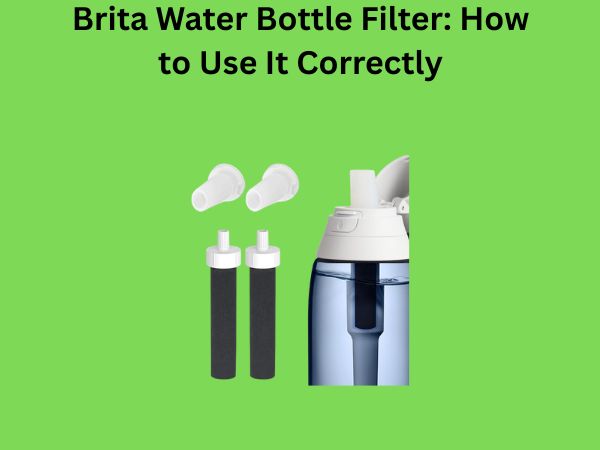
Before we dive into the nitty-gritty of usage, let’s talk about what a Brita water bottle filter actually is. Think of it as a small guardian for your drinking water—a device that sits inside your bottle and removes impurities, odors, and that unpleasant chlorine taste that many people find off-putting.
The Brita water bottle filter works through a process called mechanical and chemical filtration. The filter contains activated carbon and ion exchange resin, which work together like a tag team to capture unwanted particles and contaminants. Activated carbon is particularly effective at removing chlorine, while the ion exchange resin helps reduce metals like copper and mercury.
Why People Choose Brita Filters
I get asked all the time why someone should bother with a Brita filter when they could just drink tap water. The answer is simple: quality of life. By using a Brita water bottle filter, you’re not just getting cleaner water—you’re getting water that tastes better, looks clearer, and genuinely makes you want to drink more of it. Plus, you’re reducing your plastic waste significantly, which is a win for everyone.
What You Need to Know Before Your First Use
The moment you unbox your new Brita water bottle filter, there are a few critical steps you shouldn’t skip. Many people make mistakes right from the start, and I want to help you avoid those pitfalls.
Removing the Filter from Its Packaging
Your Brita filter comes in special packaging designed to keep it fresh and protected. When you remove it, you’ll notice the filter might feel slightly damp or have a protective coating. This is completely normal. The filter has been stored in this condition to maintain its effectiveness.
The Critical Pre-Use Soak
Here’s something absolutely crucial that many people overlook: you must soak your filter before using it. This isn’t optional—it’s essential for optimal performance.
- Fill a glass with cold water
- Place the filter in the glass vertically
- Let it soak for at least 15 minutes
- Some experts recommend soaking for up to 30 minutes for maximum activation
Why is soaking so important? The activated carbon inside the filter needs to become fully hydrated to work at its best capacity. When you skip this step, you’re essentially running your filter at half strength. I learned this the hard way when I used my first filter without soaking and wondered why the taste improvement wasn’t dramatic.
Step-by-Step Guide to Using Your Brita Water Bottle Filter
Now that your filter is properly prepared, let’s go through the actual usage process. This is where most people get confused, but I promise it’s simpler than you might think.
Assembling Your Brita Water Bottle
After your filter has soaked, it’s time to put everything together. Here’s the process:
- Remove the soaked filter from the water glass and gently pat it dry with a clean cloth or paper towel
- Open your Brita water bottle and locate the filter reservoir compartment
- Insert the filter into the designated slot, making sure it sits firmly and level
- The filter should feel snug but not forced—if you’re struggling, you might be inserting it at an angle
- Close the bottle securely to ensure a proper seal
Filling Your Bottle the Right Way
This might sound straightforward, but there’s actually a technique to filling your Brita water bottle that maximizes filtration effectiveness.
Fill your bottle with cold tap water—room temperature or warmer water can actually reduce the filter’s efficiency slightly. Fill it to the indicated line on your bottle, which is usually marked with a MIN and MAX indicator. Never overfill beyond the maximum line, as this can compromise the seal and reduce filtration quality.
Understanding the Initial Flow
Here’s something that surprises many first-time users: the water won’t flow through instantly. The first few ounces of water that come through might look slightly darker or have tiny carbon particles floating in it. Don’t panic—this is completely normal and actually a sign that your filter is working.
The first fill-up might take a bit longer than subsequent fills. Be patient and let the water filter through naturally. You shouldn’t force it or shake the bottle aggressively. Give it time, and the flow will improve as you continue to use the filter.
How Often Should You Replace Your Brita Filter?
Using your Brita water bottle filter correctly also means knowing when it’s time to retire the old one and bring in a new champion. This is where people often make expensive mistakes—either replacing filters too early or keeping them in way too long.
The Two-Month Rule
Brita recommends replacing your filter every two months under normal usage conditions. However, “normal usage” is the key phrase here. If you’re using your bottle multiple times daily, you might need to replace it sooner—perhaps every 6 to 8 weeks. If you’re only using it occasionally, you might stretch it to 10 weeks.
Signs Your Filter Needs Replacement
Rather than following a strict calendar, pay attention to these warning signs that indicate your filter is past its prime:
- The water starts flowing much more slowly than before
- You notice an unpleasant odor returning to the water
- The taste becomes noticeably worse despite proper usage
- You see visible particles or cloudiness in the water that doesn’t clear
- The filter physically appears damaged or degraded
I’ve found that keeping track of your installation date with a small sticky note on your bottle is helpful. Some people even set phone reminders to check their filter status.
Maintenance Tips for Optimal Filter Performance
Getting the most out of your Brita water bottle filter isn’t just about using it correctly initially—it’s also about maintaining it properly throughout its lifespan.
Daily Care Practices
After each use, rinse your bottle with cool water. You don’t need to use soap or any special cleaners. Just a quick rinse with water is sufficient. Make sure the bottle is completely empty before refilling.
Once a week, give your bottle a more thorough cleaning. Remove the filter temporarily and wash the bottle interior with room-temperature water. You can use a soft bottle brush if you have one. Avoid hot water, as extreme temperatures can affect the filter’s performance and longevity.
Storage Considerations
If you’re not planning to use your Brita bottle for an extended period, don’t just leave water sitting in it for weeks. Empty the bottle completely and allow both the bottle and filter to air dry. A moist environment left stagnant can encourage bacterial growth, which defeats the entire purpose of filtration.
Store your Brita bottle in a cool, dry place away from direct sunlight. Heat and UV exposure can degrade the filter material and reduce its effectiveness.
Common Mistakes People Make When Using Brita Filters
Let me share some of the most frequent errors I’ve noticed people make with their Brita water bottle filters. Learning from others’ mistakes can save you time and frustration.
Skipping the Initial Soak
I mentioned this before, but it bears repeating because it’s the number one mistake. Without proper soaking, your filter won’t perform at its peak capacity. This isn’t about being impatient—it’s about getting maximum value from your purchase.
Using Hot Water
The activated carbon in your Brita filter is designed for cold water. When you run hot water through it, the heat can damage the carbon structure and dramatically shorten the filter’s lifespan. Always use cold or room-temperature tap water.
Overusing the Filter
Some people think they can keep using a filter well past its recommended replacement date. While the filter might still technically work, it’s not filtering effectively anymore. You’re basically drinking unfiltered water with the illusion of filtration.
Forgetting to Clean the Bottle
The filter is only one part of the equation. If your bottle itself is dirty or harboring bacteria, the filtered water becomes contaminated immediately. Regular bottle cleaning is just as important as filter replacement.
Maximizing Water Quality and Taste
Now that you know how to use your Brita filter correctly, let’s talk about taking the water quality and taste to the next level.
Water Temperature Matters More Than You Think
While cold water filters better through your Brita system, the ideal drinking temperature is slightly cool—not ice-cold. Ice-cold water doesn’t carry flavor as effectively, so your taste buds can’t fully appreciate the improved quality that the filter provides.
The sweet spot is water that’s been chilled to about 45-55 degrees Fahrenheit. This temperature range allows your taste buds to detect the subtle improvements in flavor while still being refreshingly cold.
The Power of Consistency
Using your Brita filter regularly ensures consistent water quality. Don’t alternate between filtered and unfiltered water throughout the day—this inconsistency confuses your palate. Commit to filtering all your drinking water, and you’ll notice the difference more dramatically.
Troubleshooting Common Issues
Even with perfect usage, you might encounter some issues. Let’s address the most common ones.
Slow Water Flow
If your water flows very slowly, there are several possible causes. First, check if your filter needs replacement—this is the most common culprit. Second, ensure the filter is inserted correctly and isn’t blocked by debris. Third, confirm you’re using cold water, as hot water can clog the filter faster.
Unpleasant Taste or Odor
If your filtered water suddenly tastes bad or smells off, replace the filter immediately. Your current filter has reached the end of its service life. Also inspect the bottle itself—if it’s been sitting unused for weeks, the bottle might need a thorough cleaning.
Visible Particles in Water
A small amount of activated carbon particles in the first few glasses is normal and harmless. These particles actually indicate that your filter is active and working. However, if you continue seeing particles after several uses, your filter might be damaged.
Environmental Impact of Using Brita Filters Correctly
Using your Brita water bottle filter properly isn’t just better for you—it’s better for the planet. When you use your filter correctly and maintain it well, you’re reducing single-use plastic consumption dramatically.
Think about it this way: if you were buying a plastic water bottle every day, that’s 365 bottles per year. With a reusable Brita water bottle and filters, you’re replacing just one filter every two months, or six filters per year. The environmental impact is staggering.
Cost-Effectiveness Analysis
Let’s talk numbers. A Brita water bottle filter costs approximately $5-8 and lasts about two months. That’s roughly $30-48 per year for filtered water at home. Compare that to buying bottled water at a convenience store, where you might spend $2-3 per bottle, and you could easily spend $730-1,095 annually. The savings are substantial.
Conclusion
Using your Brita water bottle filter correctly is truly a game-changer for your daily hydration routine. It’s not complicated—soak your filter before first use, fill with cold water, and replace it every two months or when performance drops. Maintain your bottle through regular cleaning, and you’ll enjoy consistently great-tasting water that’s better for your health, your wallet, and the environment.
The key to success is treating your Brita filter as an investment in your wellness, not just a casual purchase. Pay attention to the details, follow the proper procedures, and you’ll get maximum value and benefit from your water filtration system. Start implementing these techniques today, and you’ll notice the difference immediately.
Frequently Asked Questions
How long does it take for water to filter through a Brita water bottle filter?
The filtration time depends on the filter’s age and condition. A fresh filter typically takes 2-5 minutes to filter a full bottle of water. As the filter ages and accumulates particles, the flow slows down gradually. If it’s taking more than 10 minutes to filter a bottle, your filter is likely nearing the end of its lifespan and should be replaced soon.
Can I use filtered Brita water for cooking?
Absolutely! Using filtered Brita water for cooking is perfectly safe and actually recommended. The filtered water can improve the taste of soups, pasta, rice, and other dishes. Some people find that using filtered water for cooking results in better-tasting meals, though this is partially subjective. Just remember not to run hot water through your filter during the filling process.
What happens if I don’t soak my Brita filter before using it?
If you skip the soaking step, your filter will still work, but it won’t perform at full capacity. The activated carbon won’t be fully hydrated and activated, so it won’t remove impurities as effectively. You might notice minimal improvement in taste and odor compared to what you’d experience with a properly soaked filter. Always soak for at least 15 minutes before first use.
Is it safe to drink water that has been filtered for longer than two months?
Drinking water filtered past the recommended replacement date isn’t dangerous in the immediate sense, but it’s not effective either. After two months, the activated carbon becomes saturated and can no longer filter contaminants properly. You’re essentially drinking unfiltered water without realizing it. Replace your filter on schedule for optimal results.
Can I clean my Brita filter to extend its lifespan?
You shouldn’t attempt to clean the internal filter itself, as this can damage it. However, you can rinse the outside under cool water if it appears dusty. The activated carbon inside the filter can’t be “recharged” or cleaned effectively, which is why replacement is necessary. Focus your cleaning efforts on the bottle itself rather than trying to restore an old filter.
“`
—
## Article Outline (Summary)
1. **Introduction** – Overview of Brita water bottle filters and importance of proper usage
2. **Understanding the Basics** – What the filter does and how it works
3. **Why People Choose Brita** – Benefits and advantages
4. **Pre-