
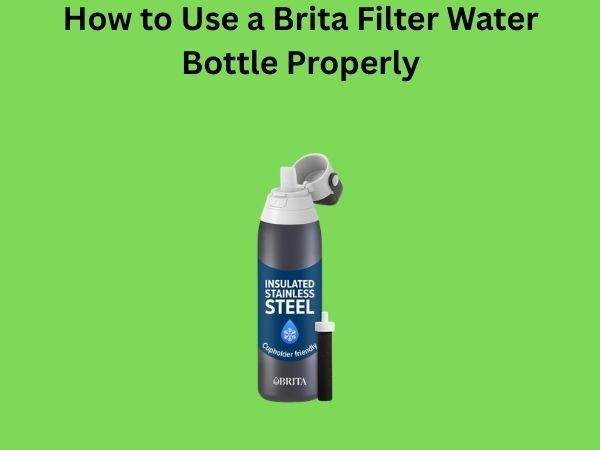
How to Use a Brita Filter Water Bottle Properly: A Complete Guide
Have you ever thought about how much water you drink in a single day? Most of us go through several bottles or cups without really considering what’s actually in the water we’re consuming. This is where a Brita filter water bottle enters the picture. It’s like having a personal water purification system that goes everywhere with you. Whether you’re heading to the gym, office, or on a hiking adventure, a Brita bottle ensures you’re drinking cleaner, better-tasting water without the environmental impact of single-use plastic bottles.
But here’s the thing—just owning one of these bottles isn’t enough. Using it correctly is what separates people who get amazing results from those who wonder why their water still tastes a bit off. In this guide, I’m going to walk you through everything you need to know about using your Brita filter water bottle like a pro.
What Exactly Is a Brita Filter Water Bottle?
Think of a Brita filter water bottle as your personal water treatment plant in miniature form. It’s a convenient container that combines a reusable bottle with an integrated or removable filter system. The filter works by reducing chlorine, mercury, cadmium, and other contaminants that might be present in your tap water, while also improving the taste and odor of what you’re drinking.
The Main Components You Need to Know
Understanding the parts of your Brita bottle will make using it much simpler. Your bottle typically consists of:
- The main water chamber where you fill up your drinking water
- The filter cartridge, which does the actual purification work
- The cap or lid that seals everything in
- The mouthpiece or drinking spout
- Sometimes a display window showing filter life remaining
Getting Started: Unboxing and Initial Preparation
When you first get your Brita bottle, you’re probably excited to start using it right away. I get it. But taking a few extra minutes during the initial setup can make all the difference in your experience.
Step One: Remove Everything from the Box
Carefully unpack your bottle and lay out all the components. Check that you have the main bottle body, at least one filter cartridge, and all lids or caps. It’s similar to when you assemble furniture—having all your pieces accounted for before you start is crucial.
Step Two: Wash the Bottle Components
Before you even think about adding water, rinse out the bottle body, cap, and any removable parts with clean water. While these items have been manufactured in a clean facility, giving them a quick wash removes any dust or residue that might have settled during shipping and storage. Use warm water and your hands—no need for soap at this stage.
Step Three: Prepare Your Filter for Activation
This step is absolutely critical, and many people skip it to their detriment. The filter cartridge needs to be activated before it can do its job effectively. Here’s how:
- Remove the filter cartridge from its packaging
- Hold it under a stream of clean running water
- Let water run through it for about 15 to 30 seconds
- You might see some black particles wash out—this is normal and expected
- This rinsing removes any loose activated carbon dust and prepares the filter for active use
Installing Your Filter: Getting It Right the First Time
Now comes the moment where you actually put everything together. The installation method varies slightly depending on your specific Brita bottle model, but the general process is straightforward.
For Bottom-Loading Filter Bottles
If your Brita bottle has a removable base filter cartridge:
- Unscrew or unlock the base of the bottle
- Insert the rinsed filter cartridge into the bottom chamber, twisting it gently until it’s snug
- Make sure it’s secure but don’t over-tighten, as this can damage both the filter and the bottle
- Screw or lock the base back into place
For Top-Loading Filter Bottles
Some models feature a top-loading design where the filter sits in an upper chamber:
- Remove the top cap or filter basket
- Drop your rinsed filter cartridge into the upper chamber
- Make sure it clicks or seats properly into place
- Replace the cap, ensuring it’s secure
Filling Your Bottle: The Proper Technique
You might think filling a water bottle is obvious, but there’s actually a right way and a wrong way to do it with filtered bottles.
The First Fill is Special
For your very first use, fill your bottle with tap water and let it sit for a few minutes. This allows the filter to properly saturate and begin working. Then, pour this water out—don’t drink it. Think of this as priming your filter pump. It’s an extra precaution that ensures optimal filtration from the moment you take your first sip.
Standard Filling Process
Once you’ve done the initial prime, filling your bottle becomes routine:
- Unscrew the cap or remove the top section if it’s designed that way
- Hold the bottle under your tap and fill with cold tap water
- Fill it to just below the rim to avoid overflow when you screw the cap back on
- Replace the cap securely
- Flip the bottle or rotate it gently a couple of times if it has a top filter to ensure water flows through the cartridge
Drinking from Your Brita Bottle: Making It a Habit
Now that your bottle is filled, you’re ready to enjoy filtered water throughout your day. The beauty of these bottles is their simplicity when it comes to actually drinking from them.
Taking Your First Sips
When you take your first drink, you might notice the water tastes noticeably fresher and cleaner compared to unfiltered tap water. This is the filter doing its job—removing impurities and improving taste. Some people need a few days to adjust to this cleaner taste, and that’s completely normal.
Usage Tips for Maximum Benefits
To get the most out of your Brita bottle throughout the day:
- Drink from it consistently to stay hydrated and reap the benefits of filtered water
- Keep it with you at work, school, or while exercising
- Refill it whenever you get home or whenever you have access to clean tap water
- Avoid leaving it in direct sunlight for extended periods, as this can affect the filter and the water quality
Maintaining Your Bottle: Keeping Things Clean and Fresh
Proper maintenance is what separates a Brita bottle that lasts years from one that becomes problematic within months. Let me share what I’ve learned from actually using these bottles regularly.
Daily Cleaning Practices
Every day or every few days, depending on usage:
- Rinse the bottle with water after drinking from it
- Pay special attention to the mouthpiece where bacteria can accumulate
- If you have time, use a bottle brush to clean the interior walls thoroughly
- Make sure to dry the cap and mouthpiece completely before storing
Weekly Deep Cleaning
Once a week, give your bottle a more thorough cleaning:
- Fill the bottle with warm water and add a small amount of white vinegar
- Let it soak for 30 minutes to help dissolve any mineral buildup
- Use a bottle brush to scrub the interior, paying attention to corners and crevices
- Rinse thoroughly with clean water several times
- Wash the cap and mouthpiece separately with soap and water
- Allow everything to air dry completely before reassembling
What NOT to Do
Just as important as what you should do is what you shouldn’t:
- Never put your Brita bottle or filter in the dishwasher unless the manufacturer explicitly states it’s safe
- Don’t use abrasive scrubbers or harsh chemicals that can damage the bottle
- Avoid using extremely hot water on the filter cartridge itself
- Never try to clean or wash the filter cartridge itself beyond the initial rinse
Understanding Filter Lifespan and Replacement
Your filter isn’t going to last forever, and understanding when and how to replace it is crucial for continued performance.
How Long Does a Filter Actually Last?
Most Brita filters are designed to last approximately 40 gallons of water, which typically translates to about two to three months with regular use. However, this can vary based on your water quality and how frequently you use the bottle. If your tap water is particularly hard or has more contaminants, the filter might need replacing sooner.
Signs That Your Filter Needs Replacing
Your bottle will let you know when it’s time for a change:
- The water starts to taste less fresh or cleaner than usual
- The flow rate becomes noticeably slower when drinking
- Your bottle’s digital display shows that filter life has been exceeded
- You notice any odor coming from the water
- The water appears slightly cloudy or discolored
Replacing Your Filter: A Simple Process
Swapping out an old filter for a new one is quick and easy:
- Empty any remaining water from your bottle
- Remove the old filter cartridge by following the reverse of your installation process
- Rinse your new filter under running water for 15-30 seconds
- Install it just as you did with the original
- Do the priming process again with the first fill
Common Mistakes People Make (And How to Avoid Them)
After talking to many Brita bottle users, I’ve noticed some recurring mistakes that can diminish your experience. Let me help you avoid these pitfalls.
Mistake One: Not Rinsing the Filter Before First Use
This is probably the most common error. People get excited and start using their bottle immediately without that initial rinse. Skipping this step means you might drink some activated carbon particles and get a slightly off-tasting first impression of your bottle.
Mistake Two: Ignoring Filter Replacement Schedules
Some folks keep using the same filter long past its recommended lifespan. This defeats the whole purpose of having a filter—at a certain point, it’s just water in a fancy bottle. Mark your calendar or set phone reminders when you install a new filter so you remember when to replace it.
Mistake Three: Storing Water in the Bottle for Too Long
While your bottle is designed to store water, leaving water sitting in it for more than a few days can lead to bacterial growth. If you’re not going to drink the water within a reasonable timeframe, empty it and refill fresh.
Mistake Four: Using Hot Water with Filters
The filter cartridge isn’t designed to handle hot water. If you need hot water for tea or cooking, fill your bottle with regular filtered water and then boil it separately, or use unfiltered hot tap water.
Maximizing Your Filter’s Performance
Want to get the absolute most out of each filter cartridge? Here are some pro tips.
Store Your Bottle Properly
Keep your Brita bottle in a cool, dark place. Sunlight and heat can degrade both the bottle material and the filter’s effectiveness. Your refrigerator is actually an ideal storage spot if you have room.
Fill with Cold Water
Always use cold tap water when filling your bottle. Cold water filters more effectively and the filter lasts longer when you’re not putting thermal stress on it.
Use Consistently
Interestingly, filters that are used regularly tend to perform better than those used sporadically. Regular water flow through the filter keeps it active and functioning optimally.
Troubleshooting Common Issues
Even with perfect usage, you might encounter some issues. Let’s address the most common ones.
Water Flows Too Slowly
If you notice the water is coming through at a snail’s pace, the filter might be clogged. Sometimes this is just mineral buildup from hard water. Try soaking the filter in white vinegar for an hour, then rinsing thoroughly. If this doesn’t help, it’s probably time for a replacement.
Water Tastes Odd or Smells Strange
If something seems off with the taste or smell, first check that your filter isn’t expired. If it’s still within its lifespan, do a thorough cleaning of the entire bottle, paying special attention to the cap and mouthpiece where bacteria can hide. If the problem persists after cleaning and with a fresh filter, it might be your tap water source rather than your bottle.
Bottle Leaks
Leaking usually means the cap isn’t sealed properly or the filter isn’t installed correctly. Remove and reinstall both components, ensuring they’re tight but not over-tightened. If leaking continues, there might be a crack in the bottle itself, and you may need a replacement.
Environmental and Health Benefits of Regular Use
Beyond just having better-tasting water, using a Brita filter bottle comes with some nice added benefits.
Environmental Impact
By using a reusable Brita bottle, you’re eliminating the need for single-use plastic bottles. This might seem like a small choice, but multiply that by the hundreds of bottles you’d buy annually, and you’re making a genuine environmental difference.


![10 Best Activated Carbon Water Filter Pitcher [2026]](https://waterans.com/wp-content/uploads/2026/06/10-best-activated-carbon-water-filter-pitcher-2026-featured-768x432.jpg)
