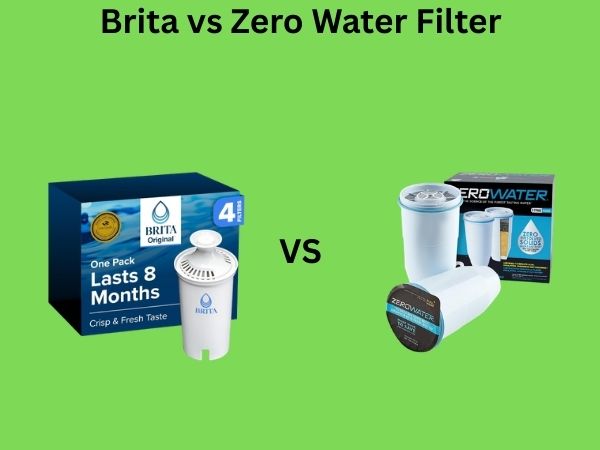
Brita vs Zero Water Filter: Which Is More Accurate?
When you’re standing in the kitchen aisle staring at water filter options, you’re probably wondering which one actually delivers on its promises. I’ve been there too. You see two major brands—Brita and Zero Water—and they both claim to make your tap water cleaner and better tasting. But here’s the thing: are they really that different? And more importantly, which one actually does what it says it will do?
Let me walk you through this comparison in a way that makes sense. We’re going to dig into how these filters work, what they actually remove from your water, and whether the price difference justifies the performance gap. By the end of this article, you’ll have a clear picture of which filter deserves a spot under your sink.
Understanding Water Filtration Basics
Before we jump into comparing these two brands, let’s talk about what water filtration actually does. Think of water filters like a security checkpoint at an airport—they’re designed to catch unwanted items and let the good stuff through.
Water contains dissolved solids and contaminants that you can’t always see with your naked eye. These include chlorine, lead, mercury, zinc, and various other minerals. Different filters target different contaminants, and that’s where the real distinction lies between brands.
How Filtration Technology Works
Most water filters use one or more of these methods:
- Activated carbon filtration—traps odors and some chemicals
- Ion exchange resin—swaps bad minerals for harmless ones
- Multiple filtration stages—combines different methods for better results
Understanding these methods will help you see why Brita and Zero Water perform differently despite serving the same basic purpose.
What Is Brita and How Does It Work?
Brita has been around since the 1970s, and it’s probably the brand you’ve seen most often. Their filters are everywhere—pitcher filters, faucet-mounted systems, you name it. But what’s actually happening inside that blue and white pitcher?
Brita’s Filtration Process Explained
Brita uses activated carbon and ion exchange resin in their filter cartridges. The activated carbon handles chlorine and improves taste and odor. The ion exchange resin targets some heavy metals and minerals that make water taste off.
Here’s the interesting part: Brita’s approach is straightforward but limited. They’re not trying to remove absolutely everything. Instead, they focus on the contaminants that most affect taste and smell. It’s like they’re saying, “Let’s make this water taste better,” rather than “Let’s remove every possible contaminant.”
Common Brita Products
- Standard pitcher filters—affordable and easy to use
- Faucet-mounted filters—convenient for daily use
- Under-sink systems—hidden installation for cleaner aesthetics
What Is Zero Water and How Does It Differ?
Zero Water came onto the scene more recently, but they’ve created quite a buzz. Their big claim? They remove 99.6% of dissolved solids from your water. That’s a pretty bold statement, and it’s one of the main reasons people compare them to Brita.
Zero Water’s Advanced Filtration System
Zero Water uses a five-stage filtration process. That means water passes through five different layers before it comes out of the pitcher. This is more intensive than Brita’s approach, and it shows in the results.
Their stages include:
- Coarse filter mesh—catches larger particles
- Foam layer—further traps sediment
- Activated carbon and oxidation reduction alloy—removes chlorine and chemical taste
- Ion exchange resin—targets dissolved solids
- Non-woven layer—final polish before the water reaches your glass
Notice how Zero Water has two dedicated stages for removing dissolved solids? That’s intentional and it’s why they can make those claims about removal rates.
Comparing Filtration Accuracy and Performance
Now we get to the heart of the matter: which filter is actually more accurate and effective?
What Gets Removed: The Real Numbers
Brita claims to reduce chlorine taste and odor and remove some metals. They don’t publish exact percentages for most contaminants, which is telling. They’re confident in what they do, but they’re not claiming to be comprehensive.
Zero Water, on the other hand, publishes detailed removal rates. They claim to remove 99.6% of total dissolved solids. But here’s what you need to understand: “total dissolved solids” is different from saying they remove 99.6% of all harmful contaminants. It’s an important distinction.
Testing the Claims
Independent testing has shown some interesting results. When researchers have tested both filters in real-world conditions, Zero Water consistently scores higher at removing dissolved solids. But remember, not all dissolved solids are bad. Some mineral content in water is actually beneficial.
Brita performs well at removing chlorine and improving taste, which is what most people care about. If your main concern is making your water taste better, Brita delivers. If you’re worried about comprehensive contaminant removal, Zero Water has the edge.
Cost Comparison and Long-Term Value
Here’s where things get practical. A Brita pitcher typically costs between $20 and $40, and replacement filters run about $4 to $7 each. A Zero Water pitcher is pricier—usually $30 to $50—and replacement filters cost around $20 to $25.
Filter Lifespan and Replacement Frequency
Brita filters last about two to three months, depending on your water quality and usage. Zero Water filters last much shorter—typically one to two months—because they’re working harder to remove more contaminants.
Do the math here. If you use Brita, you’re spending roughly $20 to $28 per year on replacement filters. With Zero Water, you’re looking at $120 to $150 annually. That’s a significant difference for the average household.
Is the Extra Cost Worth It?
This depends entirely on your water quality and what contaminants concern you. If your tap water already tastes decent, Brita is probably the smarter financial choice. If you live in an area with notoriously poor water quality or you have specific health concerns, Zero Water’s extra filtration might justify the higher cost.
Filter Replacement Indicators
Both brands have built-in features to tell you when it’s time for a new filter, but they work differently.
Brita’s Indicator System
Brita filters come with a simple electronic indicator that tracks how long you’ve been using the filter. It’s not measuring actual filter saturation; it’s just counting down from the expected lifespan. This means if your water is particularly contaminated, the filter might be done before the indicator tells you.
Zero Water’s Testing Approach
Zero Water includes a total dissolved solids meter (TDS meter) with their pitcher. You can test your water whenever you want. When the TDS reading reaches a certain threshold, you know it’s time for a new filter. This is more accurate because it’s actually measuring what’s in your water, not guessing based on time.
If you’re someone who wants precise information about what’s happening to your water, Zero Water’s approach gives you more control and transparency.
Taste Testing and User Experience
Let’s be honest—water filtration comes down to taste for most people. Does the water taste better? That’s the real question.
What Users Say About Brita
People love Brita because it noticeably improves chlorine taste. The water tastes fresher and cleaner. For many users, this is exactly what they want. They’re not trying to remove every mineral; they just want their water to taste good.
What Users Say About Zero Water
Zero Water users often describe the water as “pure” and “clean.” Some people love it. However—and this is important—some people find Zero Water tastes too clean, almost bland. Remember those minerals we mentioned? Removing them means you lose some of the natural taste people expect from water.
This is subjective, but it’s worth considering. If you’ve never tasted heavily filtered water, Zero Water might seem amazing. If you’re used to mineral content, it might taste a bit flat.
Contaminant Removal Breakdown
Lead and Heavy Metals
Both filters reduce lead, but Zero Water is more aggressive about it. If lead contamination is your primary concern—and it’s a legitimate one in older homes—Zero Water is the safer choice.
Chlorine and Chemical Taste
Brita excels here. It removes chlorine taste effectively and is specifically designed for this purpose. Zero Water also removes chlorine, but that’s just one of five stages, so it’s not the priority.
Pesticides and Pharmaceuticals
Neither filter is designed to remove prescription medication traces or complex pesticides. If you need that level of filtration, you’d need a more advanced system like reverse osmosis, which isn’t what these consumer filters offer.
Environmental Impact Considerations
Here’s something people don’t always think about: what happens to those filter cartridges when you throw them away?
Brita’s Sustainability Efforts
Brita has a take-back program for their filters. You can mail used filters back to them for recycling. It’s not perfect because you’re shipping them across the country, but it beats throwing them in the landfill.
Zero Water’s Environmental Footprint
Zero Water filters also contribute to waste, but because you’re replacing them more frequently, you’re creating more trash overall. The higher replacement rate means more packaging waste and more material entering landfills.
Which Filter Should You Actually Choose?
Let’s cut through all the information and get to the practical recommendation.
Choose Brita If You Want:
- Affordable filtration that handles chlorine taste effectively
- A simple, low-maintenance solution
- Lower long-term costs
- Water that tastes fresh and clean without being too pure
- A brand that’s proven over decades
Choose Zero Water If You Want:
- The most comprehensive dissolved solids removal available in a pitcher
- Precise measurement of what’s in your water via TDS meter
- Maximum contaminant removal for specific health concerns
- Peace of mind that you’re removing nearly everything possible
- The cleanest possible taste, regardless of cost
Accuracy in Claims: The Honest Truth
So which filter is more accurate in what it claims? This depends on how you interpret “accurate.”
Brita is accurate about what it does—it removes chlorine and improves taste. It doesn’t overpromise. Zero Water is also accurate about its removal percentages, but it uses specific metrics that sound more impressive than they might actually be in practice.
Both brands are honest, but they’re answering different questions. Brita is saying, “We’ll make your water taste better.” Zero Water is saying, “We’ll remove more contaminants.” Neither statement is false; they’re just different priorities.
Installation and Convenience
Both systems are equally convenient in terms of installation. You’re not dealing with complex plumbing for most pitcher models. The real convenience question is about daily use.
Brita’s Convenience Factor
Filters last two to three months, so you’re not replacing them as often. The pitcher is standard size and fits most refrigerators. No testing required—you just use it.
Zero Water’s Convenience Factor
You get a TDS meter, which is helpful if you want to stay on top of filter saturation. However, you’re replacing filters every month or two, which means more frequent trips to the store or online ordering.
Real-World Performance Scenarios
Let me paint some realistic pictures.
Scenario One: City Water with Chlorine Taste
You live in a city, your tap water is safe but tastes like a swimming pool. Brita is your answer. You’ll spend minimal money and solve your problem.
Scenario Two: Well Water or Contamination Concerns
You’ve got well water or you’re concerned about lead or heavy metals. Zero Water’s more aggressive filtration becomes the more sensible investment, even though it costs more.
Scenario Three: Budget-Conscious but Quality-Minded
You want better water but you’re watching your spending. Brita gives you 80% of what you’d get from Zero Water at a fraction of the cost.
Maintenance and Care Requirements
Let’s talk about keeping these filters working properly.
Brita Maintenance Tips
- Replace filters every two to three months or when indicated
- Wash the pitcher pitcher monthly with warm soapy water
- Don’t use hot water with the filter—it damages the activated carbon
- Store the pitcher in the refrigerator for best taste
Zero Water Maintenance Tips
- Replace filters more frequently—monitor with the TDS meter
- Keep the meter clean and calibrated
- Wash the pitcher regularly
- Ensure you’re filling the pitcher correctly to avoid channeling water around the filter
Conclusion
After examining both options thoroughly, here’s what you need to know: Brita and Zero Water aren’t really in competition. They’re solving different problems.
Brita is the practical choice for most households. It delivers on its promises to improve taste and reduce chlorine at a reasonable cost. If your water is already relatively safe and you just want it to taste better, Brita wins on value.
Zero Water is the choice for people who want maximum contaminant removal and are willing to pay for it. It’s more aggressive, more comprehensive, and gives you the tools to monitor exactly what’s happening to your water. If you have specific health concerns or you live in an area with known water quality issues, the extra cost is worth it.
Neither filter is more “accurate” in an absolute sense. They’re accurate within their own design parameters. The question isn’t which filter is better—it’s which filter is better for your specific situation. Consider your water quality, your budget, your health concerns, and your taste preferences. Once you’ve honestly assessed those factors, the right choice becomes clear.
Frequently Asked Questions
Can I use Brita and Zero Water filters interchangeably?
No, you cannot. These filters are specifically designed for