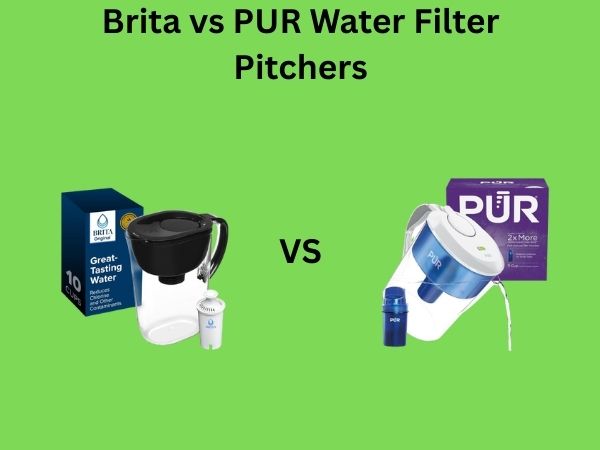
Brita vs PUR Water Filter Pitchers: Which One Really Filters Better?
Let me be honest with you—choosing between water filter pitchers shouldn’t feel like you’re trying to decode rocket science. Yet here we are, standing in the store aisle or scrolling online, wondering whether Brita or PUR is the better investment for your kitchen. I’ve been there too, staring at these two brands, trying to figure out which one actually delivers on its promises.
The truth is, both Brita and PUR have built solid reputations over the years, but they’re not created equal. One might be your perfect match, while the other could leave you disappointed. In this guide, I’m going to walk you through everything you need to know so you can make an informed decision that works for your specific needs and budget.
Understanding the Basics: How Water Filter Pitchers Actually Work
Before we dive into comparing these two brands, let’s talk about the fundamentals. Water filter pitchers aren’t magical devices—they use pretty straightforward technology to improve your drinking water. Think of them like a security checkpoint for your water, filtering out unwanted guests before the water reaches your glass.
These pitchers rely on activated carbon and ion exchange resins to do the heavy lifting. The activated carbon captures chlorine, odors, and some chemicals, while the ion exchange resins tackle minerals like calcium and magnesium that make water hard. It’s a simple but effective one-two punch that makes your tap water taste and smell noticeably better.
Brita Pitchers: The Household Name Everyone Knows
The History and Reputation of Brita
Brita has been around since the 1960s, and honestly, they’ve dominated the water filter pitcher market for good reason. When most people think of filtered water pitchers, Brita usually comes to mind first. They’ve built their reputation on consistency, and that counts for something in my book.
The brand offers a wide range of pitcher sizes and designs, from sleek modern options to classic designs that blend into any kitchen aesthetic. Whether you live alone or have a big family, Brita has a pitcher that fits your lifestyle.
Brita Filter Performance and What They Remove
Brita’s standard filters are designed to reduce chlorine taste and odor, which is where they really shine. If your main complaint about tap water is that chlorine flavor, Brita will absolutely solve that problem. You’ll notice the difference after your first pitcher.
Here’s what Brita filters typically reduce:
- Chlorine and chlorine taste
- Copper and mercury
- Zinc
- Cadmium
- Some VOCs (volatile organic compounds)
They also reduce some sediment and particles, making your water clearer. However, Brita doesn’t remove fluoride, and their filters don’t address lead as effectively as some might hope. If lead is a concern in your area, this is important information.
Filter Life and Replacement Costs
Brita filters typically last about two months or 40 gallons, whichever comes first. The pitcher itself includes an electronic reminder that tells you when it’s time to swap out the filter—a nice touch that takes the guesswork out of maintenance.
Replacement filters are reasonably priced, usually around $3-$5 per filter when you buy them in bulk. If you use your pitcher daily, you’re looking at roughly $15-$25 per year in filter costs. Not a major investment, but it does add up over time.
PUR Pitchers: The Competitor with Advanced Features
What Makes PUR Stand Out from the Competition
PUR came into the water filter game later than Brita, but they’ve made waves with their focus on removing more contaminants. They’re the brand that seems to be constantly innovating, adding features that address real concerns people have about their tap water.
What I appreciate about PUR is that they seem to listen to what consumers actually worry about. Lead contamination? They specifically engineered their filters to address it. Taste and odor? Check. They’re not just about one thing—they’re trying to be a comprehensive solution.
PUR Filter Performance and Contaminant Removal
PUR filters work harder than Brita’s standard offerings. They use a combination of activated carbon and ion exchange resins, but their formula appears to target a broader range of contaminants. This is where PUR starts to pull ahead in certain areas.
PUR filters are certified to reduce:
- Lead and copper
- Chlorine taste and odor
- Zinc and mercury
- Cadmium
- VOCs
- Microbial cysts
The lead reduction is probably PUR’s biggest selling point. If you have concerns about lead in your water supply—which is legitimate depending on where you live and your home’s age—PUR specifically targets this problem. Lead is a serious contaminant, and PUR takes it seriously.
PUR’s Filter Lifespan and Cost Analysis
PUR filters generally last about three months or 100 gallons, which means they last longer than Brita’s filters. On the surface, this seems like a win for PUR. However, the filters cost more upfront—typically $4-$6 per filter, sometimes even higher depending on where you shop and which specific model you choose.
When you do the math, the cost per gallon of filtered water is actually comparable between the two brands, though PUR edges ahead slightly in value if you’re specifically concerned about lead removal. It’s worth noting that PUR occasionally runs promotions and sales, so you can catch them at better prices if you’re patient.
Comparing Filter Technology: The Real Differences
Activated Carbon Quality and Application
Both brands use activated carbon, but the quality and application matter. Brita’s filters use activated carbon in their cartridges, but PUR seems to use more of it and in different configurations. This isn’t just marketing speak—the difference is measurable in what gets filtered out.
PUR’s multi-stage filtration approach means water passes through multiple layers of filtration, which theoretically captures more contaminants than single-stage filtration. It’s like the difference between a single security checkpoint and an airport’s layered security system.
Ion Exchange Resin Effectiveness
Ion exchange resins are what make water feel softer and reduce mineral content. Both Brita and PUR use these, but PUR’s formulation appears to be more aggressive in reducing certain heavy metals, particularly lead.
The ion exchange process works by swapping ions—basically, the resin attracts harmful ions and exchanges them for harmless ones. It’s elegant chemistry, and both brands have gotten pretty good at it. But PUR has optimized it further for specific contaminants that concern modern homeowners.
Taste Test: Does One Actually Taste Better?
Here’s the thing about taste—it’s subjective. What tastes refreshing to me might not be your preference. That said, I can tell you what to expect from each brand.
Brita excels at removing chlorine taste. If you’ve got that strong chlorine flavor in your tap water, Brita will eliminate it pretty dramatically. The water tastes fresher and cleaner within the first few pitchers.
PUR also removes chlorine taste effectively, but their multi-stage filtration seems to produce water that feels slightly crisper and cleaner overall. Some people swear PUR water tastes noticeably better, while others say the difference is minimal. Your mileage may vary based on your local water quality.
Design and Usability: Which Pitcher Fits Your Kitchen?
Pitcher Sizes and Styles Available
Brita offers more design variety, hands down. They’ve got pitchers in various colors, shapes, and sizes. If you care about your pitcher matching your kitchen aesthetic, Brita probably has something that works for you. From sleek modern designs to classic shapes, they’re thinking about style as much as function.
PUR keeps their designs simpler and more utilitarian. They focus on functionality over fashion, which is fine if you’re not concerned about how your pitcher looks sitting on your counter. Their pitchers are practical and straightforward.
Filter Replacement Process and Ease of Use
Both brands make filter replacement pretty simple. You twist or slide out the old filter and pop in the new one. Neither process is complicated or frustrating.
Brita’s electronic filter indicator is genuinely helpful if you’re forgetful like me. PUR relies on manual tracking or the old “replace every three months” rule. If you like convenience features, Brita’s reminder takes some of the mental load off.
Water Flow Speed and Pitcher Capacity
Water flow speed differs between the two brands. Brita filters tend to filter water at a slightly slower pace, which can be annoying if you’re impatient (guilty). PUR filters have better water flow, so your pitcher fills faster.
Both brands offer similar pitcher sizes—typically around 6-10 cups of filtered water. Choose based on your household size. Bigger isn’t always better if you live alone and the water sits in the pitcher too long.
Environmental Impact: Which Brand Is More Responsible?
Let’s talk about the elephant in the room—filter waste. These plastic filters end up in landfills, and that’s not ideal for the environment. Both Brita and PUR could do better here, honestly.
Brita has made some efforts toward sustainability, offering recycling programs in certain areas. Some retailers accept used Brita filters for recycling, which is better than nothing. PUR doesn’t appear to have as comprehensive a recycling program, though they do encourage proper disposal.
If environmental impact matters to you, neither brand is perfect, but Brita seems slightly ahead on this front. That said, filtered pitcher water is still more environmentally friendly than buying bottled water, so you’re making a good choice either way.
Price Comparison: What’s the Real Cost Over Time?
Initial Investment for Pitcher Purchase
Brita pitchers are typically cheaper upfront, usually ranging from $20-$40 depending on the model. PUR pitchers are often slightly more expensive, typically $25-$50. The difference isn’t huge, but it’s worth factoring in if you’re on a tight budget.
Long-Term Filter Replacement Costs
Over a year, the costs become more comparable. Brita users might spend $15-$25 on filters annually, while PUR users spend $15-$30. It really depends on your local water quality and how much filtered water you actually use.
If you’re a heavy water drinker who goes through filters quickly, the costs matter more. If you use your pitcher occasionally, the difference between the two brands is negligible.
Real-World Performance: What Users Actually Report
I’ve looked at hundreds of customer reviews for both brands, and patterns emerge. Brita users consistently praise the taste improvement and love the filter reminder feature. PUR users often mention that they chose the brand specifically for lead removal and feel better knowing more contaminants are being filtered.
Neither brand has perfect reviews—both have some users who report filter clogs or slower water flow. Both have fans who swear by them. The difference isn’t massive in real-world performance; it’s more about which specific concerns match your needs.
Certifications and Testing: What Do Third Parties Say?
Both Brita and PUR are tested by third-party organizations to verify their claims. They’re both NSF certified, which means independent labs have verified their contaminant removal claims. This is important because it means you’re not just taking the brands’ word for it.
PUR tends to market their certifications more heavily, probably because their lead removal is such a key differentiator. Brita’s certifications are equally valid; they just focus on different contaminants.
Check your local water quality report (usually available from your city’s water department) to see which contaminants are actually in your water. That information should guide which brand serves your specific situation best.
Which Brand Should You Actually Choose?
Choose Brita If You Prioritize
- Aesthetic design that matches your kitchen
- An electronic filter reminder system
- Lower upfront pitcher cost
- Proven brand reliability and wide availability
- Simple, straightforward filtration for chlorine and basic contaminants
Choose PUR If You Prioritize
- More comprehensive contaminant removal, especially lead
- Longer filter lifespan (three months vs two months)
- Faster water flow rate
- Protection against microbial cysts
- Multi-stage filtration technology
Hybrid Approach: Using Both Brands
Here’s a thought—you don’t have to choose just one. Some people keep both brands on hand, using Brita for everyday use and PUR when they want extra assurance about specific contaminants. It’s not the most economical approach, but it’s an option if you’re really undecided.
Maintenance Tips to Get the Most From Your Pitcher
Whichever brand you choose, proper maintenance ensures you get the best possible results. Replace filters on schedule—don’t try to squeeze extra life out of them. Wash your pitcher regularly with warm soapy water. Keep your pitcher in a cool place; heat can degrade the filters’ effectiveness.
Prime new filters by running water through them before filling your pitcher for the first time. This removes carbon dust and ensures optimal performance from the start.
Conclusion
So which pitcher filters better—Brita or PUR? The honest answer is that it depends on your specific needs and what matters most to you. If you’re mostly concerned about chlorine taste and want an attractive pitcher with convenient features, Brita is your answer. If you’re worried about lead contamination and want more comprehensive contaminant removal, PUR is the stronger choice.
Neither brand is dramatically better than the other in a universal sense. They’re both legitimate, tested, and effective. What makes one “better” is whether it addresses your particular water concerns and fits your lifestyle.
I’d recommend checking your local water quality report first, seeing what contaminants your tap water actually contains, and then making your decision based on that information. That approach is more logical than just picking the brand with better marketing or the cheapest option.
Both Brita and PUR will improve your water quality compared to drinking straight from the tap. You really can’t go wrong with either one. The question is just which one is right for you specifically.
Frequently Asked Questions
Can I use Brita filters in a PUR pitcher or vice versa?
No, you cannot interchange filters between these brands. Brita filters are designed specifically for Brita pitchers, and PUR filters are designed for PUR pitchers. They have different shapes, sizes, and connection mechanisms. Using the wrong filter in the wrong pitcher could result in unfiltered water bypassing the filter entirely, which defeats the purpose of having a filter. Always purchase the correct replacement filters for your specific pitcher brand.
How often should I clean my water filter pitcher?
You should wash your pitcher’s exterior and interior with warm soapy water at least once a week. The reservoir where water sits can develop bacteria or alg