
Berkey Water Filter vs Brita: Is Berkey Worth the Higher Price?
When you’re standing in the kitchen staring at your tap water, wondering if it’s truly safe to drink, you’ve probably encountered the same question thousands of people ask themselves daily. Should I invest in a water filtration system? And if so, which one? Today, I want to walk you through a detailed comparison of two of the most popular names in home water filtration: Berkey and Brita.
The truth is, choosing between these two brands feels like comparing apples to oranges at first glance. One sits on your countertop like a decorative pitcher, while the other looks like something from a survival kit. But there’s much more beneath the surface, and I’m here to help you understand whether spending extra money on a Berkey system makes sense for your household.
Before we dive deep into the comparison, let’s establish what we’re actually talking about. Both Berkey and Brita are water filtration systems designed to improve your drinking water quality, but they approach the problem in fundamentally different ways.
How Brita Works in Your Home
Brita has been around for decades, and you’ve probably seen their iconic pitcher in someone’s refrigerator. The system is refreshingly simple. You fill the pitcher with tap water, and it flows through a replaceable filter cartridge. These cartridges use activated carbon and ion exchange resin to reduce chlorine taste and odor, along with some other contaminants. It’s quick, convenient, and requires minimal effort.
The beauty of Brita is its accessibility. You don’t need to install anything, read complicated instructions, or understand complex filtration science. Fill it up, wait a few minutes, and drink filtered water. That’s it.
How Berkey Systems Function Differently
Berkey systems work on a gravity-fed principle that feels almost ancient in its simplicity, yet sophisticated in its execution. Picture a stainless steel container divided into two chambers. Water sits in the upper chamber and slowly gravitates through filter elements into the lower chamber. No electricity needed. No complicated plumbing required.
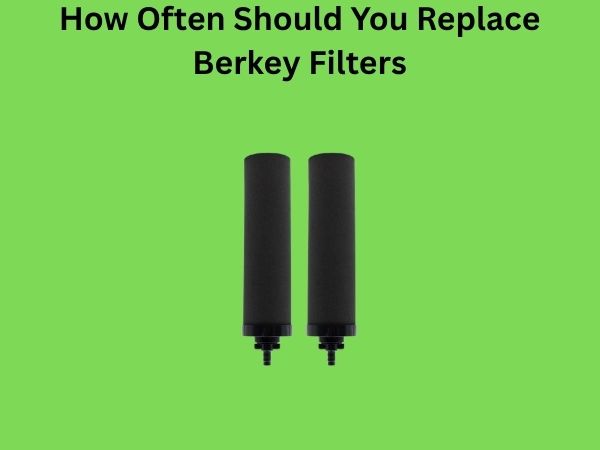
Berkey uses what they call “Black Berkey Purification Elements,” which are significantly more robust than standard Brita cartridges. These filters contain multiple stages of filtration, including activated carbon, but they also incorporate other media designed to tackle a broader spectrum of contaminants.
Filtration Capability: The Real Difference
Here’s where the comparison gets interesting, and honestly, this is where you’ll find the most compelling argument for spending more money on Berkey.
What Brita Actually Removes
Brita filters are certified to reduce several common contaminants. They handle chlorine remarkably well—if your main complaint is that your tap water tastes like a swimming pool, Brita solves that problem beautifully. They also reduce some sediment, copper, and mercury.
However—and this is important—Brita filters do not remove fluoride, bacteria, viruses, pharmaceuticals, or most heavy metals beyond copper and mercury. If your water contains lead, pesticides, or microbial threats, a standard Brita pitcher won’t address these issues.
- Reduces chlorine taste and odor
- Removes some sediment
- Reduces copper and mercury
- Does not remove fluoride
- Does not remove bacteria or viruses
- Limited heavy metal filtration
What Berkey Claims to Remove
This is where Berkey makes its stand. Their Black Berkey elements claim to remove or significantly reduce a much longer list of contaminants. We’re talking about lead, chromium, bacteria, viruses, pharmaceuticals, pesticides, and even radioactive isotopes in some cases.
The company claims their filters can remove up to 99.99% of certain pathogens and contaminants. Are these claims independently verified? That’s a more complicated question, and we’ll explore that shortly.
- Reduces chlorine and taste/odor compounds
- Removes lead and heavy metals
- Filters bacteria and viruses
- Removes pharmaceutical residues
- Filters pesticides and herbicides
- Does not require electricity
- Handles fluoride reduction with optional filters
Third-Party Testing and Certification: What’s Verified?
Brita’s Certification Status
Brita products carry NSF/ANSI certification for specific claims. This is legitimate testing by an independent organization that verifies their marketing statements. When Brita says a filter reduces chlorine by a certain percentage, that’s been tested and verified by NSF International. This is a genuine advantage because you’re not just taking the company’s word for it.
The limitation is that these certifications cover what Brita claims, not necessarily everything you might want filtered. They’re transparent about their certification scope, which is respectable.
Berkey’s Complicated Certification Story
Here’s where things get murky. Berkey does not carry NSF/ANSI certification for their complete filtration claims. This is actually a significant red flag that concerns many water quality experts. The company provides test results from third-party labs, but these aren’t the same as official NSF certification.
Berkey has faced criticism from the EPA and various state health departments regarding their marketing claims. Some states have even issued warning letters suggesting that Berkey’s claims exceed what’s been independently verified. This doesn’t necessarily mean the filters don’t work—it means the company has made claims that haven’t been validated through official certification channels.
Before choosing Berkey, understand that you’re relying somewhat on the company’s own testing data and testimonials rather than independent certification for most of their claims.
Cost Comparison: Initial Investment and Long-Term Expenses
Brita’s Pricing Structure
A basic Brita pitcher costs between 25 to 40 dollars. That’s your entry point. Replacement filters run about 6 to 8 dollars each and typically need replacing every 40 gallons or roughly every two months for an average household.
Let’s do some math. If you purchase one pitcher and replace filters regularly, you’re looking at approximately 35 to 50 dollars annually for supplies after the initial investment.
Berkey’s Price Tag
A basic Berkey system starts around 140 dollars for a smaller model and can exceed 400 dollars for larger systems. That’s a substantial upfront investment. However, the replacement Black Berkey elements cost around 60 dollars for a pair and last for approximately 6,000 gallons before needing replacement.
This means annual maintenance costs for Berkey are roughly 20 to 40 dollars per year, which is lower than Brita once you get past that initial expensive purchase.
The Break-Even Point
Mathematically, a Berkey system pays for itself through lower replacement filter costs in three to five years, depending on your water consumption. If you plan to use a water filter for longer than five years, Berkey becomes the more economical choice. If you’re thinking shorter term, Brita wins on cost.
Maintenance and Convenience: Daily Use Considerations
How Easy Is Brita to Use?
Brita is absurdly convenient. Fill it from the tap, place it in the refrigerator, and drink filtered water. Changing filters is straightforward—rinse the old one, drop in the new one, and you’re done. It takes thirty seconds. There’s no learning curve, no assembly required, and no maintenance beyond filter replacement.
The downside? That pitcher takes up refrigerator space, and you need to remember to fill it regularly. If you forget, you’ll be without filtered water until the next batch is ready.
Berkey’s Maintenance Demands
Berkey requires more involvement. You need to assemble the system initially, understand how it works, and maintain it properly. The filters need occasional cleaning using a special brush if water flow slows down. You also need to keep the upper chamber filled with water, which some people forget to do.
That said, once you establish a routine, it becomes automatic. Many people actually prefer the ritual of maintaining their Berkey, finding it more intentional than grabbing water from a Brita pitcher.
Water Quality and Contaminant Removal: The Science
Understanding Filtration Layers
Brita’s activated carbon filter is effective for what it targets, but it’s relatively basic. It works well for chlorine and some dissolved substances but doesn’t address everything you might worry about.
Berkey’s Black Berkey elements contain multiple filtration stages. In theory, this layered approach captures different types of contaminants at different stages. However—and this is crucial—testing by independent experts has sometimes found that Berkey’s actual performance doesn’t match all of its marketing claims.
Real-World Testing Results
When independent labs have tested Berkey systems, the results have been mixed. Some tests show impressive contaminant removal. Other tests suggest the filtration isn’t quite as comprehensive as advertised, especially regarding bacteria and virus removal.
The inconsistency might stem from variables like water source, pH level, filter condition, and testing methodology. This is precisely why third-party certification matters—it standardizes the testing process.
Lifespan and Durability: Long-Term Value
Brita’s Durability
A Brita pitcher can last years, but it’s plastic. Eventually, the pitcher itself may crack, discolor, or develop odors that don’t wash away. The filters themselves are disposable—that’s the entire business model. You’re expected to replace them regularly.
From an environmental perspective, this creates plastic waste. From a practical perspective, you might find yourself buying a new pitcher every few years just because the old one has seen better days.
Berkey’s Long-Term Durability
Berkey systems are built with stainless steel and quality materials designed to last decades. People report owning the same Berkey system for twenty years or more. The filters eventually need replacing, but the system itself is incredibly durable.
This longevity appeals to people who value quality and want to make a purchase that will serve them for the long haul. It’s the difference between buying a disposable product and investing in something built to last.
Space and Aesthetics: Fit in Your Kitchen
Brita’s Compact Footprint
A Brita pitcher lives in your refrigerator. It takes up minimal counter space, and many people appreciate that it’s out of sight and out of mind. If you have limited counter space or prefer a minimalist kitchen aesthetic, Brita keeps your space clean and uncluttered.
Berkey’s Countertop Presence
A Berkey system sits on your countertop, and there’s no hiding it. Some people love the stainless steel aesthetic—it looks professional and substantial. Others find it bulky and prefer not having appliances on their counter.
For those living in small apartments or with already-crowded counters, this could be a real drawback. You’re essentially committing to having a visible water filtration system in your kitchen.
Environmental Impact: Beyond Just Filtering
Brita’s Plastic Footprint
Every Brita filter is plastic waste. Over a decade, you’re disposing of sixty filters. While the company has implemented a recycling program, not everyone participates. From an environmental standpoint, this is a genuine concern if sustainability matters to you.
Berkey’s Sustainable Approach
Because Berkey filters last so much longer and the system itself is permanent, you generate far less waste. You’ll replace filters maybe twice over ten years instead of sixty times. This is a significant environmental advantage if that matters in your purchasing decision.
Who Should Choose Berkey?
If you’re concerned about comprehensive contaminant removal and want maximum filtration capability, Berkey is worth considering despite its higher price. If you plan to use a water filter long-term and want to minimize replacement costs and waste, Berkey makes financial sense.
You should also consider Berkey if you live in an area with questionable water quality, or if you want a system that works without electricity. Preppers and off-grid enthusiasts often choose Berkey for this reason.
Who Should Choose Brita?
If you primarily want to improve taste and reduce chlorine odor, Brita absolutely does the job effectively and affordably. If you prefer convenient, low-maintenance solutions and have limited counter space, Brita fits seamlessly into your lifestyle.
Budget-conscious shoppers and those who might switch systems frequently will find Brita’s lower initial cost appealing. People who rent apartments and can’t commit to permanent installations also benefit from Brita’s portability.
The Verdict: Is Berkey Really Worth It?
Here’s my honest assessment. If your primary concern is taste improvement and you don’t worry much about heavy metals or pathogens, Brita is perfectly adequate and saves you money. If your water source concerns you, or if you want to filter more comprehensively, Berkey offers stronger capability despite its limitations.
The real issue with Berkey is that it makes claims that haven’t been officially certified, which creates uncertainty about whether you’re getting what you pay for. Brita is transparent and certified but limited in scope.
Neither system is perfect. Both have legitimate use cases. The decision ultimately depends on your specific water quality concerns, budget constraints, and how long you plan to use the system.
Final Thoughts on Your Decision
Don’t let anyone pressure you into spending more than you’re comfortable with. If Brita solves your immediate water quality concerns, it’s a solid choice. If you want more comprehensive filtration and plan to use the system for years, Berkey’s higher initial investment makes sense.
Test your water first. Many municipalities provide free water quality reports. Knowing what you actually need to filter makes this decision much easier. Sometimes people invest in expensive filtration for problems that don’t actually exist in their water supply.
Conclusion
Choosing between Berkey and Brita isn’t simply about picking the “better” filter—it’s about understanding what you actually need and what you’re willing to spend and maintain. Brita excels at affordability and convenience, making it ideal for basic taste and odor improvement. Berkey offers more comprehensive filtration and lower long-term costs, but requires higher upfront investment and comes with certification concerns.
If you’re focused on chlorine removal and taste improvement with minimal hassle, Brita serves you well. If you’re concerned about heavy metals, bacteria, and other contaminants and plan to maintain a filtration system long-term, Berkey warrants serious consideration despite its higher price point.
Whatever you choose, investing in water filtration shows you care about your health. Both systems are legitimate improvements over drinking unfiltered tap water. The “right” choice is the one that aligns with your actual water concerns, budget, and lifestyle preferences.
Frequently Asked Questions
Can Berkey remove fluoride from drinking water?
Standard Black Berkey elements do not remove fluoride. However, Berkey sells optional PF-2 fluoride filters that work in conjunction with the main Black Berkey