Activated Carbon vs Charcoal Water Filter: Are They the Same?
When you’re standing in the water filter aisle at your local store, you’ve probably noticed two terms getting tossed around interchangeably: activated carbon and charcoal. But here’s the thing—are they actually the same thing, or is there a meaningful difference between them? This question trips up a lot of people, and honestly, I don’t blame you. The confusion is totally understandable because these terms often show up in the same conversations about water purification.
In this comprehensive guide, I’m going to break down everything you need to know about activated carbon versus charcoal water filters. By the time you finish reading, you’ll have a clear understanding of how they work, what makes them different (or similar), and which one might be better for your specific water filtration needs.
Understanding the Basics: What Exactly Is Charcoal?
Let’s start with the fundamentals. Charcoal is basically carbon that’s been burned or processed at extremely high temperatures. Think of it like taking regular wood or coconut shells and subjecting them to intense heat without much oxygen present—what you get is charcoal. It’s been used by humans for thousands of years, from purifying water in ancient times to being used in modern medicine and industrial applications.
The reason charcoal works so well for filtering is its inherent porous structure. Imagine it like a tiny sponge at the molecular level, full of holes and crevices. These gaps give charcoal a relatively large surface area compared to its weight, which means it can trap contaminants.
The Activated Carbon Story: A Step Beyond Regular Charcoal
Now, activated carbon is where things get interesting. Activated carbon is essentially charcoal that’s undergone an additional treatment process. After the initial charring, the material is exposed to steam or chemical activating agents at high temperatures. This extra step creates even more pores and dramatically increases the surface area of the material.
So here’s the key distinction: activated carbon is charcoal that’s been specially treated and processed to have greater adsorptive properties. It’s not a completely different substance—it’s an enhanced version of charcoal. Think of it like the difference between regular denim and premium denim that’s been specially treated for extra durability and performance.
The Activation Process Explained
The activation process typically involves two main methods: physical activation and chemical activation. Physical activation uses steam or carbon dioxide, while chemical activation involves using chemicals like potassium hydroxide or zinc chloride. Both methods create additional microscopic pores in the carbon structure, vastly improving its adsorptive capacity.
This increased porosity is why activated carbon filters are generally more effective than regular charcoal filters. We’re talking about a significant difference in performance, not just a minor upgrade.
How Do These Filters Actually Work?
Both activated carbon and charcoal filters operate through a process called adsorption—and yes, that’s adsorption with a D, not absorption. They’re different things. Adsorption happens when contaminants stick to the surface of the filter material, while absorption is when something gets soaked up like a sponge absorbing water.
When water passes through these filters, various contaminants get trapped on the surface of the carbon or activated carbon material. This includes things like chlorine, volatile organic compounds, some pesticides, and various chemicals that give your water an unpleasant taste or odor.
What Contaminants Do They Remove?
Both charcoal and activated carbon filters are effective at removing:
- Chlorine and chlorine compounds
- Volatile organic compounds (VOCs)
- Pesticides and herbicides
- Bad taste and odor
- Some heavy metals
- Sediment and particulates
However, they’re not particularly effective at removing bacteria, viruses, or dissolved minerals like calcium and magnesium. If you need to remove those contaminants, you’d need additional filtration stages beyond what charcoal or activated carbon alone can provide.
Performance Comparison: Which One Filters Better?
This is where activated carbon really shows its advantage. Because of the additional activation process, activated carbon has a significantly larger surface area and more pores than regular charcoal. This means it can typically adsorb more contaminants and work more effectively over a longer period.
If you’ve ever compared two similar products side by side, you know that better materials usually mean better results. That’s exactly what’s happening here. Activated carbon filters generally outperform regular charcoal filters when it comes to:
- Contaminant removal capacity
- Filter lifespan
- Overall effectiveness at improving water quality
- Handling a wider variety of contaminants
Why the Performance Difference Matters
Imagine you’re pouring water through two filters—one regular charcoal and one activated carbon. The water passes through both, but the activated carbon version removes more contaminants more thoroughly. Over time, as you use the filters repeatedly, the difference becomes even more apparent. The activated carbon filter keeps working effectively for longer because it has more capacity to trap contaminants.
Cost Considerations: What’s Your Budget?
Let’s talk money, because let’s face it, this matters when you’re making a decision. Regular charcoal filters are typically less expensive than activated carbon filters. If you’re looking for the most budget-friendly option, charcoal might seem appealing.
However—and this is important—you often get what you pay for. While activated carbon filters cost more upfront, they usually last longer and perform better, which can actually save you money in the long run. You won’t need to replace them as frequently, and you’ll get better water quality throughout their lifespan.
The True Cost of Filtration
When you’re calculating the real cost of water filtration, don’t just look at the initial purchase price. Consider how often you’ll need to replace the filters and the actual value you’re getting in terms of water quality improvement. Sometimes spending a bit more upfront saves you money and hassle down the road.
Different Types of Activated Carbon Filters
Here’s something that might surprise you: not all activated carbon filters are created equal. There are different types, and they have varying applications.
Granular Activated Carbon (GAC)
Granular activated carbon comes in larger particles, kind of like grains of sand. These are commonly used in pitcher filters and whole-house filtration systems. They’re effective at removing chlorine and improving taste and odor, though water flow through them can sometimes be slower.
Powdered Activated Carbon (PAC)
Powdered activated carbon consists of finer particles, almost like a powder. It’s often used in municipal water treatment and industrial applications because it can be mixed directly into water. However, you don’t typically see this in home filter systems.
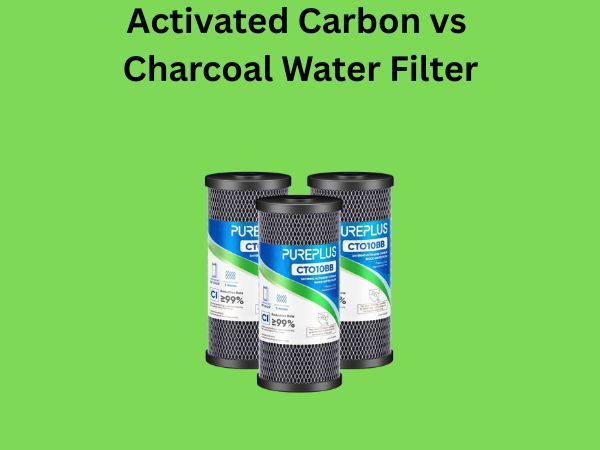
Block Activated Carbon Filters
Block activated carbon filters compress activated carbon into a solid block form. These are incredibly effective because water has to flow through a denser medium, which means longer contact time with the filter material. This usually results in better contaminant removal compared to granular filters.
Real-World Applications: Where Do You Find These?
Both charcoal and activated carbon filters show up in various water filtration products, and understanding where they’re used can help you make better decisions.
Pitcher Filters
Those popular pitcher filters you’ve seen—like Brita or PUR—typically use activated carbon combined with other filter media. The activated carbon handles the chlorine and odor removal, while other layers handle particulates.
Faucet-Mounted Filters
These smaller filters that attach directly to your tap usually contain activated carbon. They’re convenient and affordable, though they generally have a shorter lifespan than larger systems because they filter more water regularly.
Under-Sink Systems
More comprehensive filtration systems that sit under your kitchen sink often use activated carbon as one component in a multi-stage filtration process. Combined with other technologies, these systems can remove a wider variety of contaminants.
Whole-House Filters
Some whole-house filtration systems use granular activated carbon to treat all the water entering your home. These are more expensive but filter everything from your showers to your washing machine.
Lifespan and Maintenance: How Long Do They Last?
One of the practical concerns people have is how long these filters actually work before needing replacement. The answer depends on several factors, but let’s break it down.
Regular Charcoal Filter Lifespan
Regular charcoal filters typically last anywhere from one to three months, depending on how much water you’re filtering and how contaminated your source water is. In homes with heavily chlorinated water or poor water quality, they’ll need replacement sooner.
Activated Carbon Filter Lifespan
Activated carbon filters generally last longer—typically two to six months, sometimes longer with block filters under ideal conditions. Again, this depends on your water quality and usage patterns. If you’re filtering large volumes of heavily contaminated water, the filter will saturate faster.
Signs Your Filter Needs Replacement
Your filter is telling you it’s time for a change when you notice:
- Water starts tasting or smelling bad again
- Water flow slows down noticeably
- You’ve reached the manufacturer’s recommended replacement time
- Visible discoloration or buildup appears
Environmental Impact: Which Is More Eco-Friendly?
If environmental consciousness matters to you, it’s worth considering the ecological footprint of these filters. Both charcoal and activated carbon filters are biodegradable and come from natural sources (typically coconut shells or wood), which is better than some alternatives.
However, activated carbon typically requires more processing and energy to produce due to the activation step. On the flip side, because activated carbon filters last longer, you’ll need fewer replacements over time, which can actually make them more environmentally friendly in the long run.
Disposal and Recycling
Most used filters can go in regular trash since they’re biodegradable, though some communities might accept them in green waste. A few companies are starting to offer filter recycling programs, so it’s worth checking if that’s available in your area.
Which One Should You Choose?
After all this information, you might be wondering which filter to actually buy. The answer depends on your specific situation.
Choose Regular Charcoal If:
- You’re on a very tight budget
- You have relatively clean source water
- You don’t mind changing filters more frequently
- You just need basic odor and taste improvement
Choose Activated Carbon If:
- You want maximum contaminant removal
- You’re willing to invest more upfront for longer-lasting filters
- You have lower water quality that needs significant improvement
- You want better overall performance and value over time
- You prefer changing filters less frequently
Common Misconceptions Cleared Up
I’ve encountered several myths about these filters that I want to address directly.
Myth: Activated Carbon and Charcoal Are Completely Different
False. Activated carbon is processed charcoal. They’re related, with activated carbon being an enhanced version. Understanding this relationship helps you appreciate why one performs better than the other.
Myth: Both Remove All Contaminants Equally
Also false. While both can remove similar types of contaminants, activated carbon does it more thoroughly and for longer. The performance difference is substantial, not negligible.
Myth: You Don’t Need to Replace Filters Regularly
This is a dangerous misconception. A saturated filter can actually harbor bacteria and become counterproductive. You absolutely need to replace them according to manufacturer recommendations.
Testing Your Water Quality
Before investing in any filtration system, consider having your water tested. Many local water departments provide free or low-cost testing, or you can get a comprehensive test from a private lab. Knowing exactly what contaminants you’re dealing with helps you choose the right filtration solution.
Conclusion
So, are activated carbon and charcoal water filters the same? The short answer is no, though they’re closely related. Activated carbon is charcoal that’s been specially processed to have greater adsorptive capacity, making it more effective at removing contaminants and lasting longer.
Both have their place in water filtration, and the right choice depends on your budget, water quality needs, and how long you’re willing to wait between filter changes. If you can afford it and want the best performance, activated carbon filters are the superior choice. If budget is your primary concern and you don’t mind more frequent replacements, charcoal filters can work for basic filtration needs.
The most important thing is that you’re taking steps to improve your water quality. Whether you choose activated carbon or regular charcoal, you’re already ahead of the game compared to drinking unfiltered water. Just remember to replace your filters regularly, and you’ll keep enjoying cleaner, better-tasting water in your home.
Frequently Asked Questions
Can I Use Regular Charcoal Briquettes from My BBQ in a Water Filter?
Absolutely not. BBQ charcoal briquettes contain additives and chemicals that are not safe for drinking water. They’re also not processed the same way as filtration-grade charcoal, and they won’t be effective at removing contaminants. Always use charcoal or activated carbon specifically designed and sold for water filtration purposes. Using anything else could actually contaminate your water rather than purify it.
How Often Should I Replace My Activated Carbon Filter?
The general recommendation is every two to six months, depending on your water usage and quality. Most manufacturers provide specific guidelines for their products, often based on gallons filtered. Pay attention to these recommendations and don’t stretch filters beyond their intended lifespan. A good rule of thumb is to keep track of how much water you use and follow the manufacturer’s schedule closely. If you notice water quality declining before the recommended replacement time, change it sooner.
Do Activated Carbon Filters Remove Fluoride?
Standard activated carbon filters are not very effective at removing fluoride. If fluoride removal is important to you, you’ll need a specialized filter system, typically one that uses reverse osmosis or distillation technology. You can find activated carbon filters that are specifically designed to remove fluoride, but they’re different from standard models. Check the product specifications carefully if fluoride removal is a priority for you.
Can I Combine Activated Carbon with Other Filtration Methods?
Yes, and many effective water filtration systems do exactly this. Activated carbon works great with sediment filters, reverse osmosis systems, and other technologies. In fact, multi-stage filtration systems that combine different methods often provide better overall water quality than any single filter alone. This layered approach allows each filter to target specific contaminants it’s best suited for.
Is Filtered Water Completely Safe to Drink?
Activated carbon and charcoal