How Long Do Brita Filter Cartridges Last? A Complete Guide to Maximizing Your Water Filter’s Lifespan
If you’re someone who relies on a Brita water filter pitcher or system to keep your drinking water fresh and clean, you’ve probably wondered at some point: exactly how long do these cartridges actually last? It’s a fair question, especially when you’re trying to budget for replacements or figure out if you’re getting the most bang for your buck. The truth is, the lifespan of your Brita filter cartridge depends on several factors, and understanding them can help you make smarter decisions about your water filtration setup.
In this comprehensive guide, I’m going to walk you through everything you need to know about Brita filter cartridge longevity, maintenance tips, and how to tell when it’s time to swap out your old filter for a new one. Whether you’re a new Brita user or you’ve been using these filters for years, there’s something here for everyone.
Understanding the Basics: What Is a Brita Filter Cartridge?
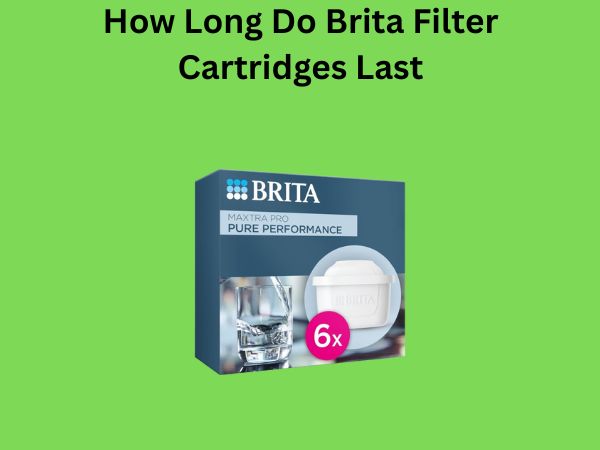
Let me start by explaining what we’re actually talking about here. A Brita filter cartridge is a replaceable component that contains activated carbon and ion exchange resin—basically, the stuff that does the heavy lifting when it comes to removing contaminants from your water. When you pour tap water into your Brita pitcher, it flows through this cartridge, where impurities get trapped and filtered out, leaving you with cleaner, better-tasting water.
Think of it like the air filter in your car. Just as your car’s air filter collects dust and particles over time, your Brita cartridge gradually fills up with the contaminants it’s removing from your water. Eventually, it reaches its limit and needs to be replaced. That’s where the big question comes in: how long does it take to reach that point?
The Standard Lifespan: What Brita Tells Us
The Official Timeline
According to Brita’s official guidelines, a standard filter cartridge is designed to last about two months, or approximately 40 gallons of water filtered. If you’re a light water user, this might stretch to three months. But here’s the thing—this isn’t a one-size-fits-all answer. The actual lifespan of your filter depends on what’s happening in your home.
Some Brita cartridges, particularly the newer Elite or Premium lines, claim to last up to three months or 120 gallons under ideal conditions. It really comes down to which model you’re using and how much water you’re filtering. If you live in an area with particularly hard or contaminated water, you might find your cartridge wearing out faster than the manufacturer’s estimate.
Different Models, Different Durations
Not all Brita filters are created equal. Here’s a breakdown of what you can typically expect from different Brita products:
- Standard Brita Pitcher Filters: Two to three months, 40 to 60 gallons
- Brita Elite Filters: Up to three months, up to 120 gallons
- Brita Premium Filters: Up to six months, up to 200 gallons
- Brita Faucet Filters: Two to three months
- Brita Bottle Filters: Two to three months, around 40 gallons
As you can see, if you spring for a premium option, you’re looking at significantly longer filter life. This is because premium filters contain more activated carbon and ion exchange resin, giving them greater capacity to trap contaminants.
Factors That Affect How Long Your Brita Filter Lasts
Water Quality in Your Area
Here’s something many people don’t realize: your local water quality plays a massive role in how quickly your Brita filter gets used up. If you live in an area with high mineral content—what we call “hard water”—your filter is working overtime. All those minerals and impurities are being trapped in your cartridge, reducing its effective lifespan.
On the flip side, if you live somewhere with relatively clean tap water, your filter might last longer than the manufacturer estimates. It’s kind of like driving on a highway versus driving in the city. City driving taxes your engine more because you’re constantly starting and stopping, while highway driving is easier on your vehicle. The same principle applies to your water filter.
How Much Water You’re Actually Filtering
This might seem obvious, but it’s worth stating clearly: the more water you filter, the faster your cartridge depletes. If you’re filtering water for a family of five, your cartridge is going to need replacing much sooner than if you’re just using it for yourself. The two-month timeline assumes a certain amount of daily water consumption. If you’re using more water than average, expect your filter to need replacement sooner.
Chlorine and Chemical Content
One of the primary things Brita filters are designed to remove is chlorine. If your tap water has high chlorine levels—which many municipal water systems do for disinfection purposes—your filter’s activated carbon is going to be busy working to remove it. Chlorine is a heavy-duty contaminant that requires a lot of activated carbon to neutralize. The more chlorine your water contains, the faster your filter will become saturated.
Sediment and Particulates
Think about the worst-case scenario: you’ve got sediment, rust, or other visible particles in your tap water. Your Brita filter is designed to handle some of this, but if you’ve got excessive amounts, it’s going to clog up your cartridge much faster. This is why people living in older neighborhoods with aging infrastructure sometimes find their filters don’t last as long.
Storage and Environmental Conditions
Believe it or not, how you store your Brita pitcher can affect cartridge longevity. If you leave your pitcher in direct sunlight or in a warm environment, the filter might degrade faster. It’s best to keep your Brita pitcher in a cool, dark place—typically your refrigerator or a kitchen cabinet.
Signs Your Brita Filter Needs Replacing
The Light Indicator (Your Best Friend)
Most modern Brita pitchers come with a clever little electronic light indicator on the filter itself. This is honestly one of the best features Brita has introduced because it removes the guesswork. When the light turns from blue to red, it’s time to replace your filter. This indicator is specifically calibrated to account for the factors I mentioned earlier—water usage, quality, etc.—so it’s actually quite reliable.
If your Brita pitcher has this feature, trust it. Don’t just assume you’ve got time left based on the calendar. The light knows better than you do.
Changes in Water Taste
If you’ve been using a Brita filter for a while, you’ve probably noticed how good properly filtered water tastes. One of the first signs that your cartridge is getting tired is a subtle change in that taste. The water might taste slightly off, or you might notice the chlorine taste returning. This is your cartridge telling you it’s reached capacity.
Slower Flow Rate
Pay attention to how quickly water flows through your pitcher. If you notice that filling your pitcher is taking longer than it used to, it could be a sign that sediment or other particles are starting to clog the filter. While this doesn’t necessarily mean you need to replace it immediately, it’s a yellow flag worth noting.
Visible Discoloration
Some people report seeing visible changes to the filter cartridge itself after heavy use. The activated carbon might appear darker or the filter might look more saturated. While you can’t always see inside the cartridge easily, if you do notice any visible changes, it’s worth considering a replacement.
How to Extend Your Brita Filter’s Lifespan
Proper Maintenance Matters
While there’s only so much you can do to extend a filter’s life beyond its designed capacity, proper maintenance can help ensure you’re getting the full value from each cartridge. Here’s what I recommend:
- Replace your filter on schedule—don’t wait until you notice a problem
- Keep your pitcher clean to prevent bacterial growth
- Store your pitcher in a cool location, away from direct sunlight
- Change the water in your pitcher regularly if you’re not using it daily
- Follow the manufacturer’s instructions for your specific model
Pre-filtering When Necessary
If you live in an area with particularly contaminated or hard water, consider using a pre-filter before your water reaches your Brita pitcher. This might sound like overkill, but it can significantly extend the life of your cartridge. A simple screen or sediment filter can catch large particles before they hit your Brita cartridge, reducing the workload and extending its useful life.
Avoiding Common Mistakes
I’ve learned through research that many people inadvertently shorten their filter’s lifespan through simple mistakes. Don’t leave your pitcher in the sun. Don’t forget to replace the filter when indicated. Don’t use boiling water with your pitcher—it can damage the cartridge. These seemingly small things add up and can meaningfully impact how long your filter actually lasts.
The Cost Factor: Is It Worth It?
Calculating Your Real Expenses
Let’s talk money for a second. A standard Brita filter cartridge costs anywhere from eight to fifteen dollars, depending on where you buy it and which model you get. If you’re replacing your filter every two months, that’s roughly four to six filters per year, which adds up to somewhere between thirty and ninety dollars annually.
When you compare that to buying bottled water—which can easily cost several dollars per gallon—the Brita filter is a bargain. Even if your filter doesn’t last quite as long as advertised, you’re still coming out ahead compared to bottled water alternatives.
Premium Filters vs. Standard Filters
Here’s an interesting calculation: a Brita Premium filter might cost thirty dollars but lasts six months, while a standard filter costs ten dollars but lasts two months. At first glance, the premium filter seems expensive. But if you do the math, you’re paying thirty dollars for six months versus thirty dollars for just two months with standard filters. The premium option is actually cheaper per month of use.
Troubleshooting: When Your Filter Seems to Be Dying Too Fast
Water Quality Issues
If you’re finding that your filters consistently need replacement much sooner than expected, there’s likely something unusual about your water. Consider getting your tap water tested. Many municipalities provide free water quality reports, and if yours doesn’t, you can purchase an affordable testing kit. Understanding exactly what contaminants are in your water can help you determine whether a standard Brita filter is sufficient or if you need a more robust filtration system.
Pitcher Problems
Sometimes the issue isn’t the filter—it’s the pitcher itself. If your pitcher isn’t sealing properly or if there’s a crack that’s allowing unfiltered water to mix with filtered water, your “filtered” water will taste off even with a brand new cartridge. Inspect your pitcher for damage and make sure all connections are tight.
Faulty Light Indicators
Occasionally, the electronic light on newer Brita pitchers can malfunction. If you’re noticing that your light indicator seems off compared to your actual water taste and quality, it might be time to contact Brita customer service or consider replacing the pitcher itself.
Storage Tips for Unused Filters
Keeping Backup Filters Ready
I always recommend keeping a spare filter or two on hand. There’s nothing worse than running out of filtered water and having to wait for a delivery or trip to the store. The good news is that unused Brita filters have a decent shelf life—typically several years when stored properly in a cool, dry place.
Avoiding Filter Degradation Before Use
When you’re storing backup filters, keep them in their original packaging. Exposure to air, moisture, and heat can degrade the activated carbon in the filter before you even use it. Think of it like keeping vitamins in their original container—there’s a reason manufacturers package them the way they do.
Environmental Considerations
What Happens to Used Filters?
Every two to three months, you’re replacing your filter, which means used cartridges end up somewhere. While Brita filters are relatively small and don’t create massive waste compared to bottled water plastics, it’s worth considering the environmental impact. Some people wonder if there’s a way to recycle or properly dispose of these cartridges.
The reality is that most Brita filters end up in landfills, though some components can technically be recycled. Brita has launched a mail-back program in some regions where you can send used cartridges back for proper recycling. If this concerns you, it might be worth looking into whether your area participates in such a program.
Comparing Brita to Other Filtration Methods
How Brita Stacks Up
Brita filters are effective for removing chlorine, taste, and odor, but they’re not the most comprehensive water filtration system available. If you’re dealing with serious contamination issues—like lead, bacteria, or viruses—you might need a more advanced system like reverse osmosis or a whole-house filter. However, for general use in most developed areas with municipal water, Brita does a solid job.
The advantage of Brita is simplicity and affordability. You’re not paying for professional installation or complex maintenance. You just pop in a new cartridge when the light tells you to. For many households, that’s the perfect balance.
Maximizing Your Filter Purchase
Using Your Full Filter Capacity
Here’s something worth considering: you paid for that filter to clean a certain amount of water. Make sure you’re actually using it. Some people buy Brita pitchers and then don’t use them consistently, which means they’re replacing filters based on time rather than actual usage. If you’re going to invest in filtered water, you might as well use it regularly enough to justify the expense.
Conclusion
So, how long do Brita filter cartridges last? The honest answer is: it depends, but you can generally expect two to three months for standard filters, with premium options potentially lasting six months or longer. The key factors influencing this timeline are your local water quality, daily water consumption, and how well you maintain your pitcher.
Rather than trying to squeeze extra life out of a cartridge that’s reached capacity, I’d recommend replacing it when indicated—whether that’s by the electronic light, the calendar, or noticeable changes in your water quality. The modest cost of replacement is well worth the assurance that you’re drinking clean, well-filtered water. And compared to bottled water alternatives, Brita remains one of the most economical and convenient filtration solutions for the average household.
Remember, the goal here isn’t to make your filter last as long as possible—it’s to get the best quality filtered water at the lowest cost. Sometimes that means replacing your filter on schedule rather than pushing it past its prime. Pay attention to your water quality, trust the manufacturer’s indicators, and don’t hesitate to replace your cartridge when the time comes. Your taste buds will thank you.
Frequently Asked Questions
Can I use my Brita filter longer than the recommended two to three months?
While you technically can continue using a filter beyond the recommended timeframe, I wouldn’t advise it. Once a filter reaches its designed capacity, it stops effectively removing