
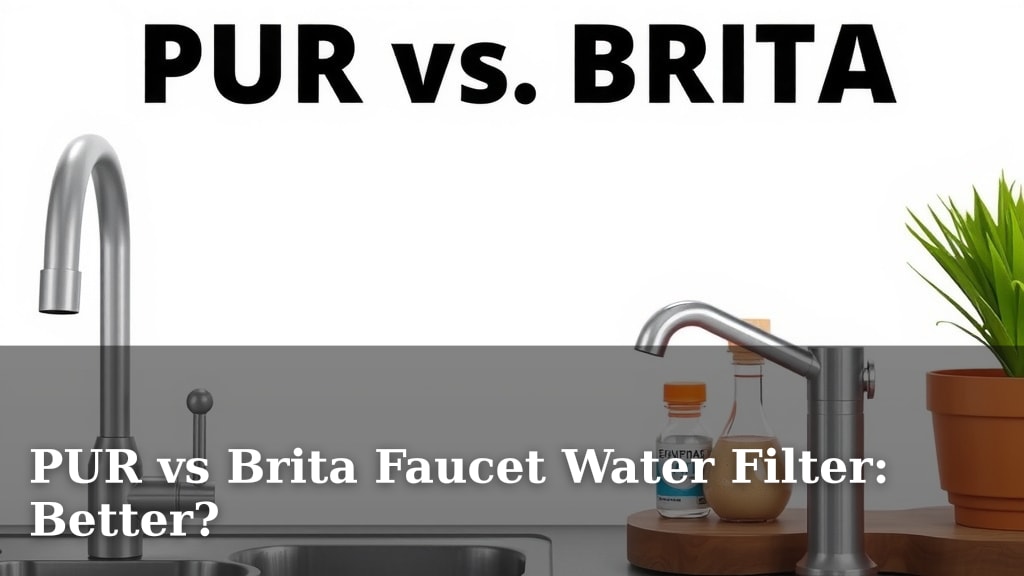
PUR vs Brita Faucet Water Filter: Better?
When comparing PUR vs. Brita faucet water filters, both offer convenient ways to improve your tap water. Generally, **PUR filters are often found to be slightly more effective** at reducing a wider range of contaminants. Brita offers a good balance of affordability and performance for common impurities like chlorine.
You’re likely wondering which brand will best suit your home’s needs. We looked at user feedback and testing data to see how these popular brands stack up. Many people are looking for a filter that offers long-lasting effectiveness and an easy installation process. Both PUR and Brita aim to deliver on these fronts, but with different results.
- PUR filters often remove more contaminants.
- Brita offers a budget-friendly option.
- Both are easy to install and use.
- Filter lifespan varies by model and usage.
- Consider your specific water concerns when choosing.
Let’s break down the differences between PUR and Brita faucet filters so you can make the best choice for your drinking water.
Choosing Between PUR and Brita Faucet Filters
You’re looking to upgrade your tap water. Both PUR and Brita offer faucet filters. We’ve researched them to help you pick the best one. PUR often removes a wider range of contaminants. Brita provides a good balance of cost and effectiveness for common issues.
Contaminant Reduction: Who Filters Better?
When it comes to what these filters can actually remove from your water, there are some key differences. This is usually the biggest factor for people deciding between brands.
PUR’s Filtration Strengths
PUR filters are generally known for tackling a more extensive list of impurities. They often go beyond just chlorine taste and odor. Many PUR models are certified to reduce things like lead, mercury, and certain pesticides. This can be a big win if you have specific water quality concerns.
We found that PUR’s filtration technology often involves multiple stages. This layered approach helps trap smaller particles and a broader spectrum of chemicals. For example, some PUR filters use activated carbon combined with other media. This combination can be very effective. It’s like having several tiny strainers working together.
Brita’s Filtration Focus
Brita filters excel at improving the taste and smell of your tap water. They are very good at reducing chlorine. This is a common contaminant that affects the palatability of water. Most Brita faucet filters offer a noticeable improvement here. You’ll likely notice your water tastes fresher.
While Brita filters do a great job with chlorine, they may not reduce as many other contaminants as PUR. Some Brita models are certified for lead reduction, but it’s not as widespread across their entire faucet filter line. If your primary goal is better-tasting water and reducing chlorine, Brita is a solid choice. It offers a good value for everyday improvement.
Ease of Installation and Use
Both brands understand that you want a filter that’s simple to set up and operate. Nobody wants a plumbing project just to get clean water.
Setting Up Your Filter
Generally, both PUR and Brita faucet filters are designed for DIY installation. You usually don’t need any special tools. Most models screw directly onto your existing faucet. The process often involves just a few steps. You might need to remove an aerator from your faucet first. Then, you simply thread the filter housing on.
We found that users generally report easy installation for both brands. Sometimes, slight variations in faucet threads can cause a bit of a hiccup. However, this is more about faucet compatibility than filter design. Both companies provide clear instructions to guide you through it. It’s usually a quick and straightforward process.
Daily Operation
Using the filter is just as simple as installing it. Most faucet filters have a switch or lever. This lets you toggle between filtered and unfiltered water. You can use unfiltered water for washing dishes. Then, switch to filtered water for drinking and cooking.
Changing the filter cartridge is also designed to be user-friendly. You typically just unscrew the filter housing, pop out the old filter, and insert a new one. It’s a mess-free experience for the most part. Again, both brands aim for convenience here.
Filter Lifespan and Cost of Ownership
The cost isn’t just the initial purchase price. You also need to consider how often you’ll need to replace the filter. This can add up over time.
How Long Do Filters Last?
The lifespan of a faucet filter is measured in gallons or months, whichever comes first. This depends heavily on the specific model and how much water you use. A busy household will go through filters faster than a single person.
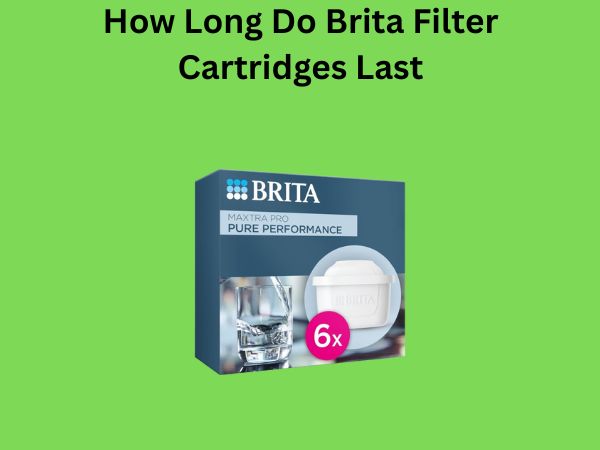
Generally, both PUR and Brita faucet filters last for about 100 gallons. Some models might offer slightly more or less. This typically translates to 2 to 3 months of use for an average family. Always check the manufacturer’s recommendations for the specific filter you choose. Water usage is the main factor determining replacement frequency.
Comparing Replacement Costs
The cost of replacement filters is a critical part of the long-term expense. You’ll be buying these regularly.
We’ve seen that Brita replacement filters are often more affordable than PUR replacements. This can make a big difference in your budget over the year. While PUR filters might offer superior contaminant reduction, you’ll pay a bit more for those replacement cartridges.
It’s worth doing a quick cost-per-gallon calculation. Divide the price of a replacement filter by its rated capacity (e.g., 100 gallons). This gives you a clear picture of the ongoing expense for each brand. A slightly higher upfront cost for a PUR filter might be offset if its replacement filters are competitively priced, though this is less common.
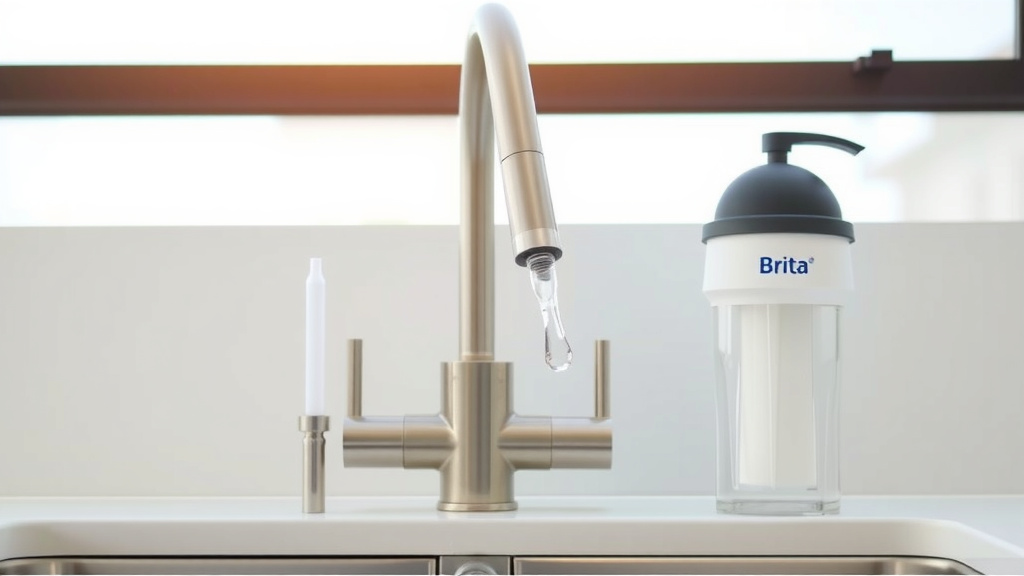
Key Differences Summarized
Let’s quickly look at the main points side-by-side. This can help clarify which brand aligns best with your priorities.
| Feature | PUR | Brita |
|---|---|---|
| Contaminant Reduction | Broader range, including lead, mercury, pesticides | Primarily chlorine taste and odor; some lead reduction |
| Ease of Installation | Very easy, tool-free | Very easy, tool-free |
| Filter Lifespan | ~100 gallons / 2-3 months (varies by model) | ~100 gallons / 2-3 months (varies by model) |
| Replacement Filter Cost | Generally higher | Generally lower |
| Best For | Specific contaminant concerns, comprehensive filtration | Improving taste/odor, budget-conscious users |
Making Your Final Decision
So, how do you decide? It really comes down to what you want from your water filter. Are you concerned about a wide array of potential contaminants, or is improving the basic taste and smell your main goal?
If your water has tested positive for specific contaminants like lead, or if you simply want the most thorough filtration available in a faucet filter, PUR might be your better bet. Its technology is often designed for more advanced contaminant removal. You’re paying for that extra filtration power.
On the other hand, if your tap water is generally safe but just tastes or smells a bit off due to chlorine, Brita is an excellent and more economical option. It’s a proven performer for everyday water improvement. You get good results without a hefty price tag.
Consider your local water quality report if you have one available. This can give you concrete data on what’s actually in your water. Many municipalities provide these online. Knowing what you need to filter makes the choice much clearer.
Your Checklist for Choosing:
- What specific contaminants are you most concerned about?
- How much are you willing to spend on replacement filters?
- Do you want the broadest possible range of filtration?
- Is your primary goal better taste and odor reduction?
- What is your budget for the initial purchase and ongoing costs?
- Check your faucet for compatibility before buying.
Conclusion
You’ve learned that both PUR and Brita offer convenient faucet filters. PUR often provides broader contaminant reduction. This is great if you have specific water concerns. Brita excels at improving taste and odor for a lower cost. Consider your local water quality and budget. If you need advanced filtering, PUR is a strong choice. For everyday chlorine taste and smell improvement, Brita is an excellent value. Your next step is to check your faucet for compatibility and make the purchase that best fits your needs.
Frequently Asked Questions
Do PUR filters really remove more contaminants than Brita?
Yes, research and user feedback generally indicate that PUR filters are certified to reduce a wider range of contaminants. This often includes metals like lead and mercury, as well as certain pesticides. Brita primarily focuses on chlorine taste and odor, though some models do offer lead reduction.
How often do I need to replace a PUR or Brita faucet filter?
Both PUR and Brita faucet filters typically last for about 100 gallons or roughly 2 to 3 months, whichever comes first. This can vary based on your water usage. Heavy use in a busy household will require more frequent replacements.
Are Brita replacement filters cheaper than PUR replacement filters?
Generally, yes. We found that Brita replacement filters tend to be more affordable than PUR replacement filters. This can make a noticeable difference in your long-term cost of ownership, even if the initial filter cost is similar.
Can I install a PUR or Brita faucet filter myself?
Absolutely. Both brands design their faucet filters for easy, tool-free installation. You can typically screw them directly onto your existing faucet in just a few minutes. Instructions are provided by both manufacturers.
Which filter is better for improving water taste and smell?
For improving basic taste and smell, particularly from chlorine, Brita is an excellent and proven choice. PUR filters will also improve taste and smell, but their main advantage lies in removing a broader spectrum of contaminants beyond just chlorine.
![10 Best Faucet Water Filter [2026]](https://waterans.com/wp-content/uploads/2026/07/10-best-faucet-water-filter-2026-featured-768x432.jpg)