Alkaline Water Filter: The Basics You Need
An alkaline water filter restructures your tap water to a higher pH level. This process often involves adding beneficial minerals back into the water. Many people choose these filters for their perceived health benefits and improved taste. We’ll cover what makes them work and if they’re right for you.
These filters can use various methods to achieve alkalinity. Some common techniques include ionizing or adding alkaline minerals like calcium and magnesium. Understanding these filters helps you make an informed choice for your home’s drinking water. Research shows they can affect water’s properties.
- What is an alkaline water filter?
- How do they work?
- What are the potential benefits?
- Are there any downsides to consider?
- Key takeaways for choosing one.
Ready to dive deeper? Let’s walk through the basics of alkaline water filters so you can decide if one belongs in your kitchen.
Understanding Your Water: An Alkaline Filter Guide
So, you’re curious about alkaline water filters. You’ve seen them around, heard the buzz, and maybe even wondered if they’re a good fit for your home. We get it! It’s all about making sure the water you drink is the best it can be for you and your family. Let’s break down what these filters are all about.
What Exactly Does an Alkaline Water Filter Do?
An alkaline water filter is designed to do one primary thing: change the pH level of your tap water. Typically, tap water falls into a neutral pH range, around 7. Alkaline filters aim to raise this pH level, usually to somewhere between 8 and 9. Think of it like this: water is measured on a scale, and this filter nudges it towards the “more alkaline” side.
How Does It Actually Change the pH?
These filters use a few different clever methods to achieve that higher pH. One common technique involves ionization. This process uses electricity to separate alkaline minerals from acidic ones in the water. The alkaline minerals are then added back into your drinking water.
Another approach is through remineralization. The filter itself contains alkaline minerals like calcium and magnesium. As your tap water passes through, these minerals are released into the water, naturally increasing its pH. It’s a bit like adding a tiny, controlled dose of natural minerals to your water.
The Science Behind Alkaline Water
We know that water’s pH is a measure of how acidic or alkaline it is. Pure water has a pH of 7, which is neutral. Anything below 7 is considered acidic, and anything above 7 is alkaline. Many experts agree that slightly alkaline water, with a pH between 8 and 9, may offer certain advantages (NCBI).
The idea is that by raising the pH, the water’s properties change. Some research suggests that alkaline water might have different antioxidant properties compared to regular tap water. While the exact mechanisms are still being studied, many people report a difference in how the water feels and tastes.
What Are the Claimed Benefits of Alkaline Water?
You’ve probably heard about various health benefits linked to drinking alkaline water. Many proponents suggest it can help neutralize acid in your bloodstream. Some research has looked into whether it can improve hydration or provide antioxidant benefits. It’s important to note that many of these claims are still being explored in scientific circles.
However, we found that a frequently cited benefit is the potential for improved taste. Many users report that alkaline water simply tastes smoother and cleaner. This alone can encourage people to drink more water, which is always a good thing for your health!
Is There Anything to Be Cautious About?
Like with any product that alters your drinking water, it’s wise to consider potential downsides. One thing to be aware of is that filtering out minerals might occur in some systems before they add alkaline ones back. If a filter isn’t designed for remineralization, you could end up with water that’s not only alkaline but also stripped of beneficial minerals.
Also, some concerns exist about whether extremely high pH levels could interfere with your body’s natural processes. Your stomach acid, for example, is naturally very acidic to aid digestion. It’s generally recommended to stick to filters that produce a moderately alkaline pH, usually between 8 and 9, rather than extremely high levels.
Common Types of Alkaline Water Filters
Alkaline filters come in various forms, fitting into different kitchen setups and budgets. You’ll find them as under-sink systems, countertop units, or even pitcher filters.
Under-Sink Systems
These are often the most robust options. They connect directly to your cold water line and usually have their own dedicated faucet. Many under-sink systems also include other filtration stages, like carbon filters, to remove common contaminants found in tap water before the water is ionized or remineralized.
Countertop Ionizers
Countertop ionizers are popular because they are relatively easy to install. You simply connect them to your existing faucet. These machines typically have controls that allow you to select different pH levels for drinking, cleaning, or even beauty purposes. They often provide alkaline and acidic water outputs.
Pitcher Filters
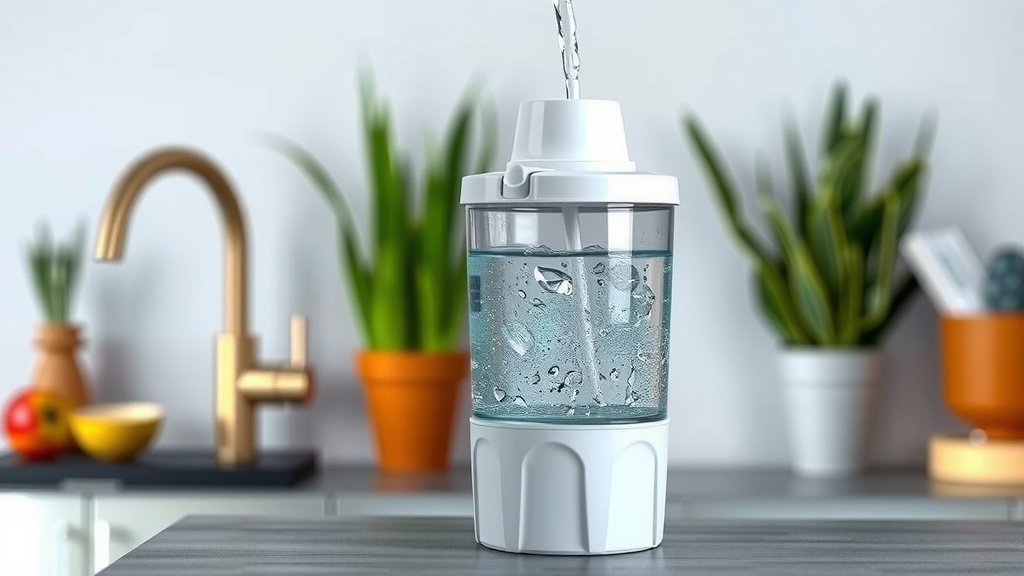
For a simpler, more budget-friendly option, consider an alkaline water pitcher. These look like regular water filter pitchers but contain special filter cartridges. As you pour tap water into the pitcher, it slowly filters through the alkaline medium, raising the pH before you pour it into your glass.
Comparing Filter Methods
Different filters use different technologies. It’s helpful to know what you’re getting.
| Filter Type | How it Works | Pros | Cons |
|---|---|---|---|
| Ionizers (Electrolysis) | Uses electricity to separate water molecules and add alkaline minerals. | Can often produce a range of pH levels; may remove impurities. | Can be more expensive; requires electricity. |
| Remineralization (Media) | Passes water over alkaline mineral beds (e.g., calcium, magnesium). | Simple and effective; no electricity needed. | Limited pH range; depends on the quality of the mineral media. |
| Additives (e.g., baking soda) | Simple infusion of alkaline substances. | Very inexpensive and easy. | Temporary effect; can affect taste. |
Making the Right Choice for Your Home
So, how do you decide if an alkaline water filter is right for you? Consider what you’re looking for. If improved taste is your main goal, a pitcher might be a great starting point. If you’re interested in a more comprehensive system that also removes other contaminants, an under-sink unit could be better.
Key Features to Look For
When you’re shopping around, keep these points in mind:
- Certifications: Look for NSF certifications, which ensure the filter meets certain standards for safety and performance.
- Filtration Stages: Does it just make water alkaline, or does it also remove chlorine, lead, or other common tap water impurities?
- pH Output: Check the typical pH range the filter produces. Aim for something moderate (8-9 pH).
- Filter Life and Cost: How often do you need to replace the filters, and what is the ongoing cost?
- Ease of Installation: Will you need a plumber, or can you install it yourself?
Final Thoughts on Alkaline Water Filters
An alkaline water filter can be a great addition to your home if you’re looking to alter the pH of your drinking water, potentially improve its taste, and perhaps gain some of the antioxidant benefits that research is exploring. By understanding how they work and what to look for, you can confidently choose a system that fits your needs and brings healthier hydration to your daily routine.
Conclusion
You’ve now got a solid grasp on alkaline water filters. We’ve covered how they work through ionization or remineralization to raise your water’s pH. While research on health benefits is ongoing, many users enjoy the improved taste and smoother feel of alkaline water. Remember to look for NSF certifications and consider the filter’s stages and ongoing costs when making your choice.
Ready to find the right filter for your home? Start by assessing your needs – are you looking for a simple pitcher or a more robust under-sink system? Taking this step can lead to a more enjoyable and potentially healthier hydration experience for you and your family.
Frequently Asked Questions
Can an alkaline water filter remove harmful contaminants?
Some alkaline water filters also include stages to remove common contaminants like chlorine or lead from your tap water. However, the primary function is to adjust pH. Always check the filter’s specifications to ensure it meets your needs for both alkalinity and contaminant removal.
How do I know if my water is truly alkaline after filtering?
You can test your water’s pH using simple pH test strips or a digital pH meter. These tools are widely available and can give you a clear reading of the water’s pH level after it has passed through the filter.
Is alkaline water safe for everyone to drink?
For most healthy individuals, moderately alkaline water (pH 8-9) is generally considered safe. Those with specific health conditions, especially kidney issues, should consult their doctor before making significant changes to their water intake.
How often do I need to replace alkaline water filters?
Replacement frequency varies by filter type and brand, often ranging from every 3 to 6 months for pitchers and cartridges, to longer intervals for under-sink systems. Check the manufacturer’s recommendations for your specific model to ensure optimal performance.
What’s the difference between alkaline water and ionized water?
While often used interchangeably, ionized water specifically refers to water that has undergone electrolysis to separate alkaline and acidic components. Many alkaline filters achieve their effect through this ionization process, but remineralization is another method that doesn’t involve electricity.