APEC Water Filter Replacement: How Often Should You Change It?
If you’ve recently installed an APEC water filtration system in your home, you’re probably wondering about the maintenance schedule. How often do you actually need to replace those filters? Is it really necessary to follow the manufacturer’s recommendations, or can you stretch them out a bit longer? I get these questions all the time, and honestly, understanding your filter replacement timeline is crucial to keeping your water clean and your system running smoothly.
Let me walk you through everything you need to know about APEC water filter replacement. We’ll cover the standard timelines, the factors that affect how often you need to change them, and some practical tips to help you stay on top of maintenance without breaking the bank.
Understanding Your APEC Water Filtration System
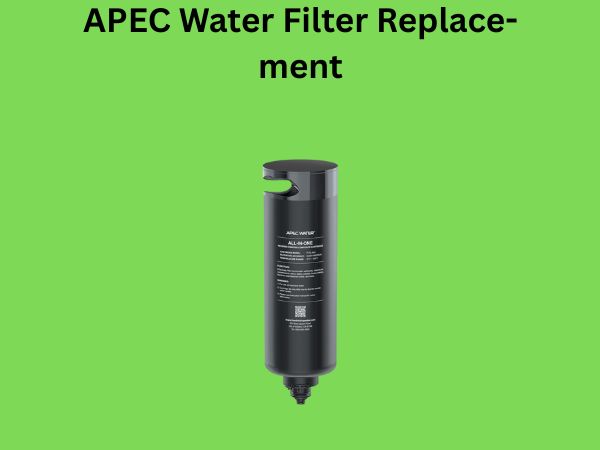
Before we dive into replacement schedules, let’s talk about what you’re actually dealing with. APEC is one of the leading manufacturers of under-sink and whole-house water filtration systems in North America. Their systems typically use a multi-stage filtration approach, which means water passes through several different filter cartridges, each designed to remove specific contaminants.
Think of it like this: your water travels through a series of checkpoints, with each stage catching different impurities. The first stage might grab sediment and particles, the second tackles chlorine and odors, and the third removes dissolved solids and minerals. It’s a comprehensive approach, but it also means you’ve got multiple filters to keep track of.
The Standard APEC Filter Replacement Timeline
Most APEC systems come with guidance suggesting you replace your filters every 6 to 12 months. But here’s the thing—this isn’t a one-size-fits-all answer. The actual lifespan of your filters depends on several variables that are unique to your home’s water quality and usage patterns.
What the Manufacturer Recommends
APEC typically recommends replacing:
- Sediment filters (Stage 1) every 6 to 12 months
- Activated carbon filters (Stage 2) every 6 to 12 months
- Carbon block filters (Stage 3) every 12 months
- Reverse osmosis membranes every 24 to 36 months
Now, these timelines are conservative estimates. They’re designed to ensure you’re always getting the best water quality possible. But I’ve talked to thousands of users who get different results based on their specific circumstances.
Factors That Affect How Often You’ll Change Your Filters
The replacement schedule isn’t written in stone. Several factors can either extend or reduce how long your filters actually last before they need changing.
Your Local Water Quality
This is the biggest wildcard. If you live in an area with hard water loaded with minerals and sediment, your filters are going to work much harder and wear out faster. On the flip side, if your municipal water supply is already relatively clean, your filters might last longer than the recommended timeline.
I had a friend whose well water was so full of iron that his sediment filter changed color in just three months. Meanwhile, my neighbor with filtered municipal water stretched his filters to nearly two years. The difference? Source water quality.
Daily Water Usage
How much water does your household actually use? Are you a family of six running multiple faucets all day, or is it just you and a partner? The more water that passes through your filters, the faster they accumulate contaminants and lose effectiveness.
A household using 100 gallons per day will need filter replacements much more frequently than one using 20 gallons per day. Most APEC systems are rated for specific flow rates, and they’ll degrade faster if you’re consistently pushing them to their limits.
Chlorine and Chemical Content
If your water supply is heavily chlorinated, your activated carbon filters will become saturated more quickly. Chlorine is one of the things that carbon filters excel at removing, but that efficiency comes at a cost—they’ll need more frequent replacement.
Sediment and Particulate Matter
Areas with older infrastructure or well water often have higher sediment loads. Your first-stage sediment filter acts like a bouncer at a club—it’s taking the hit first and foremost. Heavy sediment will clog it faster than lightly contaminated water.
Signs Your APEC Filters Need Replacement Right Now
Rather than just following a calendar, I recommend paying attention to these warning signs that your filters are past their prime.
Decreased Water Flow
Is water coming out of your faucet slower than usual? A significant drop in flow rate is a classic indicator that your filters are clogged with contaminants and need replacement. Think of it like a shower drain—when water stops flowing freely, something’s blocking the path.
Changes in Water Taste or Odor
Did your water taste fresh when you first installed the system, but now it’s developing that chlorine taste again? Or maybe you’re noticing an off smell? These are signs that your activated carbon filters have reached saturation and can’t absorb any more odor-causing compounds.
Visible Discoloration
While you can’t see inside your cartridges, some APEC filter housings are transparent or translucent. If you notice the filter itself has turned brown, dark gray, or any color other than its original white or blue, replacement time is here.
Strange Taste Developing Over Time
A bitter or slightly metallic taste can indicate that your filters are beginning to break down or that bacteria is starting to grow in the cartridges. This is a health concern that shouldn’t be ignored.
System Pressure Changes
Some APEC systems have pressure gauges or check valves. If you notice unusual pressure readings, this often means a filter is too clogged to function properly.
Breaking Down Each Filter Stage
Let’s look at each stage of a typical APEC system and understand its specific replacement needs.
Stage 1: Sediment Filter
This filter removes particles like sand, silt, and rust. It’s a mechanical filter that physically traps particles. You might need to replace this one more frequently than others if your water is heavily sediment-laden. Expect replacement every 6 to 9 months under typical conditions.
Stage 2: Activated Carbon Filter
Activated carbon is phenomenal at removing chlorine, pesticides, and volatile organic compounds that affect taste and odor. It works through absorption, gradually filling up with contaminants. This typically lasts 6 to 12 months depending on your chlorine levels.
Stage 3: Carbon Block Filter
The carbon block provides additional polishing and removes finer particles that might have slipped through earlier stages. It’s generally denser than granular activated carbon and can last up to 12 months under normal use.
Stage 4: Reverse Osmosis Membrane
This is the heavyweight champion of your filtration system. It removes dissolved solids, minerals, and contaminants at a molecular level. These are expensive to replace but incredibly durable. You’re typically looking at 24 to 36 months before replacement, and some users report even longer lifespans if their water quality is good and they maintain proper pre-filtration.
Does Water Quality in Your Area Really Make That Much Difference?
Absolutely, it does. Let me illustrate with some real-world examples. If you’re pulling water from a well in a rural area, you might have completely different contaminants than someone getting municipal water from an urban center. Well water might have more bacteria concerns and sediment, while municipal water has more chemical additives like chlorine and fluoride.
I recommend having your water tested before you install your system and then again after a few months to understand exactly what contaminants you’re dealing with. This knowledge is gold—it tells you which stages are working hardest and which ones might have an easier job.
How to Track Your Replacement Schedule
Keeping up with filter replacements is easier when you have a system. Here are my favorite methods.
Use a Calendar Reminder
Set a phone alarm or calendar notification for when you should check your filters. I recommend setting it for every three months as a check-in point, even if you’re not replacing yet.
Keep Receipts and Records
Write down the exact date you installed each filter. Keep these records somewhere visible—maybe on a label attached to your system under the sink. When you know exactly when something was installed, you can calculate when it’s getting close to replacement time.
Monitor Water Quality Changes
Pay attention to how your water looks, tastes, and smells. Your senses are often the best indicator of filter performance. When things start changing, that’s your signal to check your filters.
Check the Filter Housing Regularly
If your APEC system has clear filter housings, spend 30 seconds every month looking at the cartridges. You’ll quickly notice when they’re becoming discolored or clogged.
Can You Extend Filter Life?
I’m asked this question constantly, and the honest answer is: somewhat, but with limitations. You can’t magically make a filter last longer than it should, but you can practice good maintenance to ensure they perform optimally until replacement.
Proper Pre-Filtration Matters
Some APEC systems come with a whole-house pre-filter option. Using one significantly reduces the load on your under-sink filters by catching large sediment before it reaches your main system. This can extend the life of your cartridges considerably.
Regular System Flushing
If your system has a reverse osmosis component, the membrane benefits from regular flushing. This removes accumulated sediment and minerals that could otherwise cause premature deterioration. Check your specific model’s manual for flushing procedures.
Managing Water Pressure
Excessive water pressure can damage filters and reduce their lifespan. If your home’s water pressure exceeds 80 PSI, installing a pressure regulator can extend filter life and protect your entire system.
Budget Planning for Filter Replacements
Let’s talk money. Filter replacement costs vary, but knowing what you’ll spend helps with planning. A typical set of replacement cartridges for an APEC system runs between $40 and $100 for stages 1-3, and reverse osmosis membranes can cost between $50 and $150 depending on the model.
If you’re replacing stages 1-3 every 9 months, you’re looking at roughly $45 to $100 per year in cartridges. Reverse osmosis membranes every two years add another $50 to $75 annually. That’s still dramatically cheaper than buying bottled water and keeps your system running optimally.
Installation Tips to Remember
When replacement time comes, proper installation is critical. Always:
- Turn off your system before beginning replacement
- Relieve system pressure by opening the faucet briefly
- Replace all stages in one session if possible
- Use only APEC-certified replacement cartridges
- Flush the system for several minutes after replacement
- Don’t forget to reset any electronic filter change indicators
Common Mistakes People Make With Filter Replacement
After years of helping people maintain their systems, I’ve noticed patterns in what goes wrong.
Waiting Too Long Between Replacements
The most common mistake is ignoring signs that filters need replacement. People think they’re saving money, but an over-clogged filter actually reduces water quality and can damage your system. It’s false economy.
Replacing Only Some Stages
I often see folks replace stage 1 but skip stage 2. While stage 1 might be clogged first, all your stages are working hard. For best results and system longevity, replace all cartridges together every 9-12 months.
Using Non-APEC Cartridges
Generic replacement cartridges might seem cheaper initially, but they often don’t fit properly or provide adequate filtration. Stick with APEC-certified products to ensure your system works as designed.
What Type of Water You’re Filtering Matters
The source of your water dramatically impacts replacement frequency. Municipal water treated with chlorine will wear out activated carbon faster. Well water with high iron content will clog sediment filters quicker. Rainwater collection systems might introduce different contaminants altogether.
Understanding your water source helps you anticipate replacement needs and plan accordingly. It’s also worth noting that seasonal changes can affect water quality—spring snowmelt can increase sediment, while summer heat can concentrate certain contaminants.
Should You Upgrade Your System?
If you find yourself replacing filters more often than recommended, upgrading to a larger capacity system might make sense. APEC offers various models designed for different water volumes and contaminant loads. More filters or larger cartridges mean longer intervals between replacements.
Conclusion
The answer to how often you should replace your APEC water filters isn’t a one-liner—it depends on your specific water quality, usage patterns, and system model. However, using the manufacturer’s recommendations as a baseline, combined with paying attention to water quality changes and system performance, will keep you on the right track. Most households should plan on replacing stages 1-3 every 6 to 12 months and reverse osmosis membranes every 24 to 36 months. Regular maintenance isn’t optional; it’s the key to ensuring your APEC system delivers clean, great-tasting water for years to come. Set up a replacement schedule, stick to it, and your water quality will thank you.
Frequently Asked Questions
How do I know if my APEC filter really needs replacing before the recommended timeline?
The best indicators are changes in water flow rate, taste, or odor. If water flows noticeably slower than when you first installed the system, or if you detect chlorine taste or odor returning, your filters are likely saturated. You can also check the filter cartridges visually if your system has transparent housings—significant discoloration is a clear sign of replacement need.
Can I use third-party replacement filters instead of official APEC cartridges?
While some third-party filters might be cheaper, I strongly recommend using APEC-certified cartridges. They’re designed specifically to work with your system’s housing and flow rates, ensuring proper fit and optimal filtration performance. Generic cartridges might not seal properly, allowing unfiltered water to bypass the filter entirely, which defeats the purpose of your investment.
What happens if I forget to replace my filters on schedule?
Operating with expired filters compromises water quality. Over-clogged filters can’t effectively remove contaminants, meaning you might be drinking unfiltered water without realizing it. Additionally, excessive pressure from blocked filters can damage your reverse osmosis membrane or other system components, leading to expensive repairs or system failure.
Is there a way to clean and reuse my APEC filters instead of replacing them?
Unfortunately, APEC filters aren’t designed to be cleaned and reused.