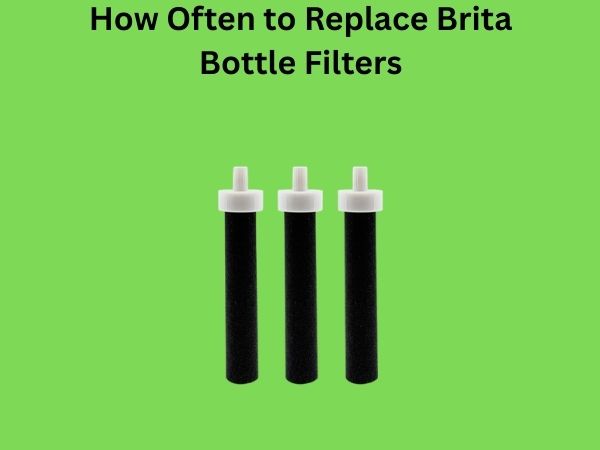
How Often to Replace Brita Bottle Filters: A Complete Guide to Fresh Water
Let me be honest with you—I used to ignore my Brita filter replacement schedule, and my water started tasting a bit off. Sound familiar? If you’re wondering when exactly you should swap out that filter in your Brita water bottle, you’ve landed in the right place. This guide will walk you through everything you need to know about keeping your water fresh, clean, and delicious.
Understanding Your Brita Filter’s Timeline
The most common question people ask is simple: how often should I actually replace my Brita bottle filter? The straightforward answer is that most Brita filters need replacing every two to three months. However, this isn’t a one-size-fits-all situation. Your specific replacement schedule depends on several factors that we’ll explore throughout this article.
Think of your Brita filter like the air filter in your car. It does an incredible job initially, but over time, it gets clogged with contaminants and becomes less effective. The difference is that with water filters, you can’t just blow out the dust—you need a fresh one.
The Standard Two-Month Mark
Most Brita bottle filters are designed to work optimally for approximately two months of daily use. This timeline assumes you’re using your bottle regularly, typically filling it up once or twice daily with tap water. If you follow this recommendation, you’ll maintain the best filtration performance and ensure your water tastes its absolute best.
Why This Timeline Matters
Understanding why Brita recommends a two to three-month replacement window is crucial. During this period, the filter media gradually becomes saturated with contaminants like chlorine, sediment, and other impurities. Once the filter reaches its capacity, it can no longer effectively remove these substances, leaving you with water that’s less filtered than you’d want.
Factors That Affect Your Filter Replacement Schedule
Now here’s where things get interesting. Your actual replacement frequency might differ from that standard two-month guideline, and that’s completely normal. Let’s break down the factors that influence how often you’ll need a fresh filter.
Water Usage and Consumption Levels
If you’re refilling your Brita bottle multiple times daily, your filter will naturally get used up faster. Someone who drinks four bottles of filtered water daily will deplete their filter quicker than someone who uses it once a day. It’s basic math—more water flowing through means more contaminants getting trapped.
- Heavy users (3-5 refills daily) may need replacement every 4-6 weeks
- Moderate users (1-2 refills daily) typically need replacement every 8-10 weeks
- Light users (occasional use) might stretch to 12 weeks
The Quality of Your Tap Water
This is something many people overlook. The tap water coming into your home plays a massive role in filter lifespan. If you live in an area with hard water—meaning high mineral content—your filter will work much harder and get saturated faster. Similarly, if your local water supply has higher chlorine levels or visible sediment, your filter’s capacity will be consumed more quickly.
You can check your local water quality report by contacting your municipal water department. This report will tell you exactly what contaminants exist in your water, helping you understand how hard your filter is really working.
The Filter Indicator Light System
Here’s something that makes life easier: most modern Brita bottles come with a filter indicator light. This smart feature tracks your water usage and estimates when your filter needs replacing. The light will change color—usually from green to yellow to red—giving you a visual reminder.
However, I’ll let you in on a secret: these indicators use an average calculation. They assume typical water quality and average usage. If your tap water is particularly poor quality, the light might turn red before you hit the two-month mark. Conversely, if you have excellent tap water quality, you might have a few extra weeks even after the light suggests replacement.
Signs Your Brita Filter Needs Replacing Now
Beyond the calendar and the indicator light, your senses can tell you when it’s time for a new filter. Here are the telltale signs that shouldn’t be ignored.
Taste and Smell Changes
Notice your water tasting slightly chlorinated or metallic? That’s often your first clue that the filter is losing its effectiveness. A fresh Brita filter removes chlorine taste and odor impressively well. When you start noticing these flavors creeping back in, it’s time to make a change.
Slower Water Flow Rate
If you’ve noticed it takes longer to fill your bottle than it used to, the filter is getting clogged. This reduced flow rate indicates that sediment and particles are accumulating in the filter medium. While the water might still be filtering to some degree, the slower flow suggests the filter is near the end of its life.
Visible Discoloration or Cloudiness
Sometimes you can actually see the problem. If your filtered water appears cloudy, has a slight brown tint, or shows any discoloration, something’s wrong. Your filter should produce crystal-clear water. If it’s not, replacement time has arrived.
Different Brita Bottle Models and Their Replacement Schedules
Brita offers several water bottle models, and they don’t all use identical filters. Let’s look at the most popular options.
Brita Premium Filtering Bottle
The classic Brita bottle with the standard filter typically follows the two to three-month replacement timeline. These filters are effective and widely available, making them convenient for most users. The replacement process is straightforward, and you can find filters at virtually any grocery store or online retailer.
Brita Filtering Water Bottle with Hard-Sided Design
If you’ve chosen a hard-sided Brita bottle, your filter schedule remains similar. These bottles offer durability and are great for active people. The filters work exactly like the standard ones—plan on replacement every two to three months.
Brita Premium Bottle with Advanced Filtration
Some premium Brita models claim longer filter life. If you’ve invested in one of these, check your specific product documentation. While they might extend filter life slightly, the basic principle remains: plan for regular maintenance to ensure optimal water quality.
Creating Your Replacement Routine
Having a system makes filter replacement way easier. You won’t forget, and you’ll always have fresh water to drink.
Mark Your Calendar
This might sound old-fashioned, but it works. When you install a new filter, mark your calendar for two months out. Set a phone reminder for that date. Some people prefer setting it for 50 days to give themselves a week-long buffer before the filter truly needs replacing.
Stock Extra Filters at Home
There’s nothing worse than realizing you need a filter replacement and having to make an emergency store run. Keep at least one extra filter under your sink or in a cabinet. This way, when the time comes, you’re ready to go.
Subscribe to Automatic Deliveries
Many online retailers offer subscription services for Brita filters. You can set it up so a new filter arrives automatically every two or three months. This approach eliminates guesswork and ensures you never run out.
The Replacement Process: Making It Simple
Now that you know when to replace your filter, let’s talk about how. The good news is that changing a Brita filter is incredibly easy—seriously, it takes about 30 seconds.
Step-by-Step Filter Replacement
- Remove your Brita bottle from the refrigerator or wherever you keep it
- Unscrew or twist off the filter cartridge from the bottom of the bottle
- Rinse your new filter under cold water for about 15 seconds to activate it
- Screw the new filter into place, ensuring it’s tight but not overly forceful
- Fill your bottle with water and dispose of the first fill—this primes the new filter
- Fill again and enjoy crisp, filtered water
That’s it. Seriously, if you can unscrew a jar lid, you can handle this task.
Why Rinsing the New Filter Matters
You might wonder if rinsing the new filter is really necessary. The quick answer is yes. Rinsing helps activate the filter media and removes any loose carbon particles. It’s a simple step that makes a noticeable difference in water quality right out of the gate.
Cost Considerations and Value
Let’s talk money for a moment. How much does it cost to keep your Brita bottle properly maintained?
Filter Pricing
A single Brita filter typically costs between four and seven dollars, depending on where you shop and whether you’re buying them individually or in bulk. Some retail stores occasionally run sales or promotions, which can bring the price down further. If you buy a pack of three or four, you’ll often get a better per-filter price.
The True Cost of Filtered Water
Here’s the perspective worth considering: if you spend about five dollars on a filter every two months, that’s roughly thirty dollars per year. Compared to buying bottled water—which can easily cost hundreds of dollars annually for a household—it’s genuinely affordable. You’re getting filtered water at a fraction of the bottled water cost, plus you’re reducing plastic waste.
Common Mistakes People Make With Filter Replacement
Even though filter replacement is straightforward, people sometimes make avoidable errors. Let’s cover the most common ones.
Replacing the Filter Too Infrequently
Some folks think, “Well, my water still tastes okay, so I don’t really need to change it yet.” That’s the thinking that leads to drinking water filtered by a saturated filter. Even if the water tastes fine, a filter past its prime isn’t performing at its best. Stay on schedule.
Forgetting to Rinse the New Filter
As mentioned, some people skip the rinsing step. When you do this, you might notice the first couple of fills have a slightly off taste or appearance. It only takes 15 seconds to rinse, so why not do it?
Not Reading Specific Product Instructions
While most Brita bottles follow similar procedures, some models might have unique requirements. Always check your product manual. It only takes a minute, and it ensures you’re doing everything correctly for your specific bottle.
Maximizing Your Filter’s Lifespan
Want to get the most out of each filter? There are ways to help your filter last as long as possible.
Prefilter Your Water When Possible
If your tap water is particularly sediment-heavy, let it settle for a minute before filling your Brita bottle. This simple step reduces the amount of sediment your filter needs to handle immediately. It’s a small gesture that can extend filter life slightly.
Store Your Bottle Properly
Keep your Brita bottle in a cool place, preferably in the refrigerator. Storing it in direct sunlight or in warm environments doesn’t damage the filter, but cool storage does help maintain the overall quality of your filtered water.
Don’t Force It
When installing or removing your filter, use steady pressure but don’t muscle it. Forcing the filter can damage both the filter and the bottle threads. Gentle but firm works best.
Troubleshooting Filter Issues
What if something doesn’t seem right with your filter? Here’s how to troubleshoot.
Filter Leaking or Dripping
If you notice water leaking from around the filter area, the most common cause is an improper seal. Remove the filter and reinstall it, making sure it’s tight. If leaking continues, you might have a damaged filter and should replace it immediately.
Water Tastes Like Plastic
New Brita filters sometimes impart a slight plastic taste, especially if you didn’t rinse them beforehand. Run several fills through your bottle, disposing of the water. After three or four fills, the taste should disappear completely.
Conclusion
Replacing your Brita bottle filter every two to three months is the golden standard for maintaining clean, great-tasting water. However, your specific timeline might vary based on your water quality, usage habits, and the filter indicator light on your bottle. The key is staying attentive to these factors and replacing your filter before it becomes completely saturated with contaminants.
Think of filter replacement as a small investment in your health and wellness. You’re ensuring that the water you drink is as clean and free from chlorine and other contaminants as possible. The process takes 30 seconds, costs just a few dollars every couple of months, and saves you from buying expensive bottled water.
Set up a replacement routine that works for you—whether that’s calendar reminders, automatic subscriptions, or simply keeping extra filters on hand. The system matters less than consistency. Once you establish a habit around filter replacement, you’ll forget you ever had to think about it. Your Brita bottle will simply continue delivering that fresh, clean water you’ve come to expect and enjoy.
Frequently Asked Questions
What happens if I don’t replace my Brita filter on time?
If you continue using an expired Brita filter, it stops removing chlorine effectively and becomes less capable of filtering sediment and other contaminants. Your water might develop a chlorine taste and odor, and it may become cloudy. Additionally, bacteria can potentially grow in a saturated filter, though this is rare in typical household use. To be safe, stick to the replacement schedule.
Can I clean my Brita filter instead of replacing it?
No, Brita filters cannot be effectively cleaned and reused. The filter media becomes saturated with captured contaminants and loses its effectiveness. Attempting to clean it might damage the filter structure. Always replace with a new filter rather than trying to extend the life of an old one.
Are all Brita bottle filters the same?
While most standard Brita bottles use compatible filters, some premium models and specific bottle designs may use different filter cartridges. Always check your bottle’s documentation or packaging to ensure you’re buying the correct replacement filter. Using the wrong filter type might result in poor fit or ineffective filtration.
How do I know which Brita filter I need?
Check your Brita bottle’s manual or look for product information on the bottle itself. You can also visit Brita’s official website and use their product finder tool. When purchasing replacements, bring your bottle to the store if you’re unsure, or take a photo to show retail staff the model.
Is it worth buying Brita filters in bulk?
Absolutely. Buying filters in multi-packs typically saves you money per filter compared to purchasing individual ones. If you use your Brita bottle regularly, bulk buying makes sense both financially and practically since you’ll always have a replacement ready when needed.
“`

![10 Best Above Sink Water Filter [2026]](https://waterans.com/wp-content/uploads/2026/06/10-best-above-sink-water-filter-2026-featured-768x432.jpg)
![10 Best Home Water Filter [2026]](https://waterans.com/wp-content/uploads/2026/06/10-best-home-water-filter-2026-featured-768x432.jpg)