APEC vs iSpring Water Filter: A Complete RO System Comparison Guide
When you’re standing in front of your kitchen sink, staring at cloudy tap water, you start thinking about solutions. Two names keep popping up: APEC and iSpring. Both are heavyweights in the reverse osmosis game, but which one actually deserves a spot under your sink? I’ve spent considerable time researching these systems, and I’m here to break down everything you need to know.
Choosing between water filtration systems isn’t just about picking the prettier box. It’s about understanding what each system does, how they compare in performance, and whether they fit your lifestyle and budget. Let me walk you through this comparison in a way that actually makes sense.
Understanding Reverse Osmosis Technology
Before we dive into the specifics of APEC and iSpring, let’s talk about what reverse osmosis actually is. Think of it like a bouncer at an exclusive club—it only lets the smallest, purest molecules through while blocking everything else.
Reverse osmosis works by forcing tap water through a semipermeable membrane under pressure. This membrane has tiny pores that are so small they block dissolved minerals, chemicals, bacteria, and viruses. What you end up with is water that’s significantly purer than what came out of your tap. It’s remarkably effective, which is why both APEC and iSpring use this technology.
But here’s the thing—just because both systems use RO technology doesn’t mean they’re identical. The devil is in the details, and those details can make a real difference in your water quality and user experience.
APEC Water Systems: The Reliable Workhorse
What Makes APEC Stand Out
APEC has been in the water filtration business for over two decades. They’ve built a reputation on simplicity and reliability. Their RO systems are manufactured right here in the United States, which matters to a lot of people who care about quality control and supporting domestic production.
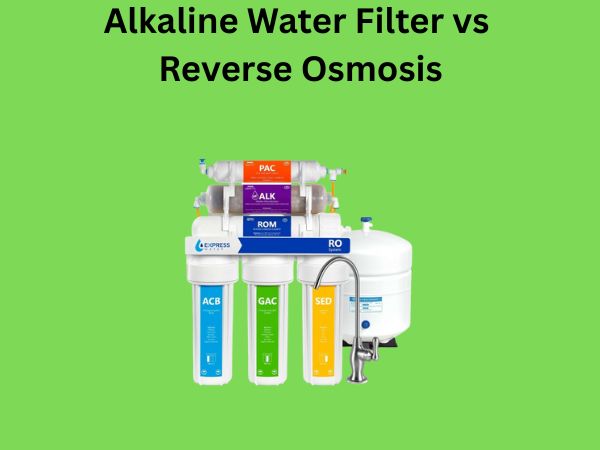
APEC’s approach is straightforward—they focus on core functionality without unnecessary bells and whistles. Their systems typically feature five-stage filtration, which is pretty standard in the industry. You get sediment filters, carbon filters, and that all-important RO membrane that does the heavy lifting.
APEC’s Typical Product Lineup
APEC offers several models, with the ROES-PH75 and ROES-50 being among their most popular choices. These aren’t fancy names, but they represent solid engineering. The ROES-PH75, for instance, includes a pH balancing stage that adds minerals back into your water after filtration. This is actually pretty thoughtful because pure water can taste a bit flat.
- Five-stage filtration process
- Made in the USA with quality components
- Straightforward installation process
- Competitive pricing compared to premium brands
- Simple membrane replacement system
The APEC Filtration Process Explained
APEC systems typically work through a five-stage process. The first stage uses a sediment filter to catch particles like sand, silt, and rust. It’s like the preliminary security check at an airport. The second stage uses a carbon filter to remove chlorine and improve taste and odor. Stages three and four use more specialized carbon filters to catch smaller contaminants and organic compounds. Finally, stage five is where the RO membrane does its magic, removing dissolved minerals and microscopic nasties.
iSpring Water Filters: The Modern Innovator
iSpring’s Philosophy and Approach
iSpring came onto the scene more recently but has quickly gained market share by focusing on innovation and customer experience. They’re known for incorporating modern features that make water filtration less of a chore and more of a seamless part of your home setup.
iSpring systems often include smart features and more sophisticated filtration stages. They’re particularly popular with tech-savvy consumers who want more than just clean water—they want convenience and monitoring capabilities.
iSpring’s Product Range
iSpring’s most talked-about models include the RCC7 and the RCC7AK. These systems go beyond basic RO filtration. They incorporate alkaline remineralization and sometimes even UV sterilization in higher-end models. It’s like comparing a reliable sedan to one with all the latest gadgets.
- Six to seven-stage filtration options available
- Alkaline remineralization in premium models
- Better water taste customization features
- More compact designs for modern kitchens
- Enhanced customer support and documentation
iSpring’s Advanced Filtration Technology
iSpring typically includes an extra stage compared to APEC’s standard offerings. This additional stage usually involves alkaline mineralization, where filtered water passes through mineral cartridges that add beneficial minerals like calcium and potassium. Some people swear this makes the water taste better, and from a scientific standpoint, it does increase the pH of the water, making it less acidic.
Direct Comparison: APEC vs iSpring
Filtration Performance and Water Quality
Both APEC and iSpring systems are highly effective at removing contaminants. They both reduce TDS (total dissolved solids) to acceptable levels, typically achieving 90 to 95 percent removal rates. However, there are subtle differences.
APEC systems are excellent at the basics. If you just want clean water that removes harmful contaminants, APEC does this reliably. iSpring, however, takes things a step further by often including that alkaline remineralization stage, which means your water not only gets cleaned but also gets enhanced with beneficial minerals.
The real-world difference comes down to this: do you care about water taste? Some people notice that pure RO water tastes slightly flat or acidic. iSpring’s mineralization stage addresses this directly. APEC recognizes this too, which is why their pH models include this feature, but it’s not standard across their entire lineup.
Installation and Maintenance
Installation for both systems is relatively straightforward, but there are differences. APEC systems are known for being particularly easy to install, with clear instructions and standardized components. Most people can handle it themselves with basic DIY skills.
iSpring systems are also fairly straightforward to install, though some models with more advanced features can be slightly more complex. Neither system requires professional installation, which saves you money right out of the gate.
When it comes to maintenance, both require regular filter changes. APEC filters are widely available and affordable. iSpring filters are similarly accessible, but because their systems often include more stages, you might have slightly more cartridges to replace when the time comes.
Tank Storage Systems
Most RO systems, including both APEC and iSpring models, come with storage tanks. These tanks hold filtered water so you have clean water available immediately when you want it. APEC typically includes 3.2-gallon tanks as standard, while iSpring models often come with similar capacities.
Here’s something important: reverse osmosis produces water slowly. You’re not getting instant gallons of clean water. The storage tank solves this problem by collecting filtered water over time. Both companies handle this similarly, so this isn’t really a differentiator.
Cost Analysis: Value for Your Money
Initial Purchase Price
APEC systems are generally more affordable at the entry level. You can find solid APEC RO systems for between $150 to $250. This is one of their biggest selling points—they offer reliable performance without premium pricing.
iSpring systems typically cost more upfront, ranging from $200 to $400 depending on the model and features. That extra cost reflects the additional filtration stages and features they include. If you’re budget-conscious, APEC will seem more attractive here.
Long-Term Operating Costs
Let’s look beyond that initial purchase. Filters need replacing, typically every 6 to 12 months depending on your water quality and usage. APEC replacement filters run about $50 to $100 per set. iSpring replacements are similarly priced, sometimes slightly higher because of the additional stages.
Over a five-year period, if you factor in filter replacements, water waste (RO systems do produce wastewater), and electricity use, both systems are relatively affordable to operate. APEC maintains its cost advantage throughout the lifecycle, but iSpring’s extra features might justify the higher investment to some users.
Water Waste Comparison
An often-overlooked consideration is water waste. RO systems produce reject water—essentially the contaminants and minerals that don’t pass through the membrane. Older systems might have a 3:1 waste ratio, meaning for every gallon of clean water, you waste three gallons.
Both APEC and iSpring have modernized their systems to reduce this waste. Many current models achieve approximately 1:1 or 2:1 ratios, which is much better. Check the specific model specs because this can vary and affect your water bill over time.
Customer Support and Warranty
APEC’s Support Structure
APEC provides solid customer support through phone and email. They offer a one-year manufacturer’s warranty on most components, which is fairly standard. Their documentation is clear and straightforward, making troubleshooting relatively easy if something goes wrong.
The APEC community online is robust. You’ll find plenty of user forums and YouTube guides showing APEC system installation and maintenance. This community support is incredibly valuable when you need answers quickly.
iSpring’s Support Approach
iSpring has gained a reputation for particularly attentive customer service. They offer similar warranty terms but tend to be more proactive in supporting customers. Their documentation is often more detailed and includes video tutorials, which many people find helpful.
iSpring also has an active online community, and because their products are newer to the market, the enthusiasm level among users is sometimes higher. You’ll find plenty of detailed reviews and user experiences shared across various platforms.
Water Quality Testing Results
When we talk about actual performance, both systems deliver impressive results. Independent testing shows that both APEC and iSpring systems reduce contaminants like lead, fluoride, bacteria, and dissolved minerals to levels well below EPA standards.
The key difference shows up in pH and mineral content. APEC’s standard models produce water with a pH around 5.5 to 6.0, which is slightly acidic. iSpring models with alkaline remineralization produce water with a pH around 7.0 to 8.0, which is neutral to slightly alkaline. If this matters to you, it’s a meaningful distinction.
Installation Space Requirements
Under-Sink Compatibility
Most people want their RO system tucked away under the sink, out of sight. Both APEC and iSpring systems are designed with this in mind. However, space requirements do vary by model.
APEC systems tend to be slightly more compact and straightforward in their layout. iSpring systems, particularly those with additional stages, can sometimes require a bit more vertical or horizontal space. If you have a cramped under-sink cabinet, this could actually matter.
Counter-Space Considerations
If you’re considering a countertop model, both companies have options, though they’re less common than under-sink installations. These take up noticeable counter space but offer easier filter access and maintenance.
The Real-World User Experience
What APEC Users Report
APEC users consistently praise the system’s reliability and simplicity. People appreciate that it just works without complicated features to learn. The most common complaint isn’t about water quality but rather about the slightly acidic pH of the filtered water and the slow production rate, which is inherent to all RO systems.
What iSpring Users Report
iSpring users tend to be enthusiastic about the additional features and the improved water taste from mineralization. They appreciate the attention to detail in design and documentation. Some users mention that the system can be slightly finicky during initial setup, though once running, performance is excellent.
Environmental Considerations
If you’re environmentally conscious, both systems have advantages and trade-offs. RO systems do produce wastewater, and neither APEC nor iSpring can completely eliminate this. However, modern versions of both systems have improved waste ratios significantly compared to older technology.
The positive environmental aspect of both systems is that they reduce your reliance on single-use plastic water bottles. If you’ve been buying bottled water, switching to either system dramatically reduces your plastic consumption and carbon footprint.
Which System Wins for Different Situations?
APEC Wins If You Want
- Maximum affordability without sacrificing core performance
- Simplicity in design and maintenance
- American-made quality assurance
- Minimal fuss installation and operation
iSpring Wins If You Want
- Enhanced water taste through mineralization
- More comprehensive filtration stages
- Modern design and better documentation
- Attention to customer experience and support
Making Your Final Decision
Here’s my honest take: both APEC and iSpring make solid water filtration systems. The decision really comes down to your priorities and budget. If you’re someone who values simplicity, affordability, and proven reliability, APEC is an excellent choice. You’re getting a workhorse that does exactly what it’s supposed to do.
If you’re willing to spend a bit more for additional features, better water taste through mineralization, and a company that’s focused on customer experience, iSpring delivers value that justifies the higher cost.
Consider your water quality. If you already like your tap water but just want more contaminant removal, APEC is sufficient. If taste is important to you and you want that enhanced mineral content, iSpring’s extra stage becomes more valuable.
Think about your space. Both fit under sinks, but iSpring models can sometimes need a bit more room. If you’re working in tight quarters, visit the specs for your specific model choice.
Conclusion
The APEC versus iSpring debate doesn’t have a one-size-fits-all answer. APEC represents the best value for those who want reliable RO filtration without extra features or premium pricing. iSpring appeals to consumers who appreciate modern design, additional filtration stages, and enhanced water quality through mineralization.
Both systems will significantly improve your tap water quality and reduce your reliance on bottled water. Both are made by reputable companies with solid track records. The right choice is the one that aligns with your specific needs, budget, and preferences.
Before making your final decision, consider taking a moment to think about what matters most to you in a water filtration system. Is it cost? Water taste? Customer service? Ease of maintenance? Once you identify your priorities, the choice between these two excellent systems becomes much clearer.
Frequently Asked Questions
How often do I need to replace filters in these systems?
Most filter cartridges in both APEC and iSpring systems last between 6 to 12 months, depending on your water quality, usage volume, and how many people are using the filtered water. If you have harder water with more sediment, you might need replacements more frequently. The pre