5 Micron Water Filter vs 1 Micron: Which Is Safer for Drinking?
When you’re standing in front of water filter options at your local store, you might find yourself overwhelmed by technical specifications and micron ratings. What exactly does a micron mean? Why does the difference between 5 microns and 1 micron matter so much? These questions are more important than you might think, especially when you’re making decisions about what you and your family will drink every single day.
The truth is, understanding water filtration isn’t just about picking a number out of thin air. It’s about knowing what contaminants you’re trying to remove, how effectively different filter sizes can do that job, and what trade-offs you might be making. Let me walk you through this journey so you can make an informed decision that actually fits your needs.
Understanding What a Micron Actually Is
Before we dive into the comparison, let’s talk about the basic unit we’re dealing with here. A micron, or micrometer, is incredibly tiny. We’re talking about one-millionth of a meter. To put this in perspective, a human hair is roughly 75 microns thick. When water filter manufacturers talk about micron ratings, they’re describing the smallest particle size that their filter can catch.
Think of it like a net with different sized holes. A larger net lets more water through but also lets bigger particles slip past. A tighter net catches more particles but might slow down the water flow. This is the fundamental trade-off we’re looking at when comparing different micron ratings.
What Can 5 Micron Filters Actually Remove?
The Capabilities of 5 Micron Filtration
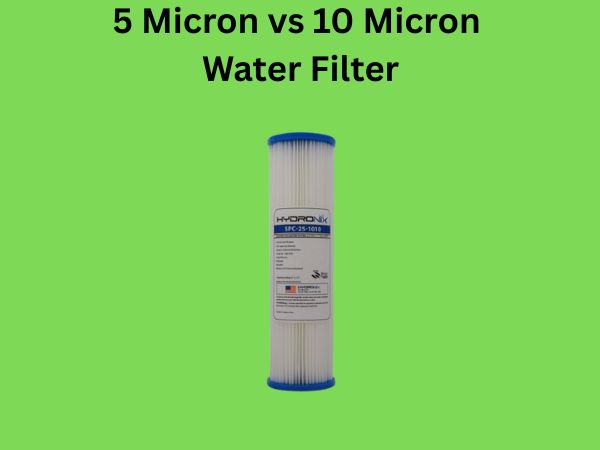
A 5 micron water filter is quite effective at removing many common contaminants that you might find in tap water. When water passes through a 5 micron filter, it can catch particles that are larger than or equal to 5 microns in diameter. This includes:
- Most sediment particles and rust
- Common bacteria like E. coli and Salmonella
- Larger protozoan cysts such as Cryptosporidium and Giardia
- Silt and sand particles
- Some algae cells
- Dirt and debris from aging pipes
In practical terms, a 5 micron filter is often the standard choice for many households. It provides substantial protection against the contaminants that cause most waterborne illnesses. If your water comes from a relatively clean municipal source or a private well that’s been tested, a 5 micron filter might be all you really need.
Flow Rate Advantages of 5 Micron Filters
One significant advantage of 5 micron filters is that they allow water to flow through more freely. Because the filtration holes are larger, less pressure is required to push water through the filter. This means faster water delivery at your tap, which many people appreciate. You won’t have to wait as long to fill a glass of water or run your shower. This efficiency also means the filters tend to last longer before needing replacement, which can save you money over time.
What Can 1 Micron Filters Remove?
The Superior Filtration Power of 1 Micron Ratings
Now let’s talk about 1 micron filters. These are the heavy hitters in the filtration world. A 1 micron filter can catch particles five times smaller than what a 5 micron filter can trap. This level of filtration removes virtually everything that a 5 micron filter does, but goes significantly further:
- Smaller bacteria and microorganisms
- Smaller protozoan cysts with greater effectiveness
- Some viruses (though not all types)
- Finer sediment and particulate matter
- Microscopic debris that 5 micron filters miss
- Improved clarity and taste of water
If you’re dealing with contaminated water, have a compromised immune system, or simply want the absolute best protection available, a 1 micron filter is the more conservative choice. It’s like choosing premium insurance for your drinking water.
When 1 Micron Filtration Becomes Essential
There are situations where upgrading to 1 micron filtration makes real sense. If you’ve experienced water contamination issues in your area, if you’re getting water from an untested well, or if anyone in your household has a weakened immune system, the extra filtration power is worth considering. Parents of newborns sometimes prefer 1 micron filters for added peace of mind.
The Trade-Offs: Flow Rate and Cost Considerations
Understanding Water Pressure Issues
Here’s where things get real. That extra filtration capability comes with a price, and I’m not just talking about money. A 1 micron filter has much tighter pores, which means water has a harder time passing through. You might notice a reduced flow rate at your tap. Some people don’t mind this at all, while others find it frustrating when they’re trying to fill a pot quickly or take a satisfying shower.
If you have low water pressure to begin with, a 1 micron filter might exacerbate the problem. You might need to install a booster pump to maintain adequate water pressure, which adds additional cost and complexity to your system.
Replacement Filter Costs
The tighter filtration of a 1 micron filter means it catches more particles, which means it fills up faster. You’ll be replacing filters more frequently, sometimes two or three times as often as you would with a 5 micron filter. Over a year, this can add up significantly. If budget is a concern, the lower operating costs of a 5 micron system might be the practical choice for you.
Comparing Water Quality Testing Results
What Laboratory Tests Show
When water quality laboratories compare 5 micron versus 1 micron filtration, the results clearly show that 1 micron filters provide superior removal rates for most contaminants. However, the improvement isn’t always dramatic when starting with relatively clean water.
For example, if your tap water already meets municipal safety standards and you’re mainly concerned about taste and odor, a 5 micron filter might improve water quality enough that most people can’t taste the difference. But if your water source has known contamination issues, the superiority of 1 micron filtration becomes much more apparent in testing.
Certified Testing and Standards
Look for filters certified by NSF International or WQA (Water Quality Association). These certifications mean the filter has been independently tested and verified to perform as claimed. Whether you choose 5 or 1 micron, make sure you’re getting a certified product rather than relying on manufacturer claims alone.
Different Water Sources Require Different Approaches
Municipal Water Supply Considerations
If you’re getting water from a municipal supply, it’s already being treated and tested regularly. In most developed countries, municipal water is fairly safe. For this scenario, a 5 micron filter usually provides excellent additional protection and might be all you need. The municipal system already does the heavy lifting; your filter is just adding an extra safety layer.
Private Well Water Situations
Private wells are a different story entirely. You’re responsible for water quality, and wells can be vulnerable to contamination from various sources. If you have a private well, I’d lean toward recommending a 1 micron filter, especially if your well hasn’t been recently tested or if there’s any history of contamination in your area.
Traveling or Boil Water Advisories
During boil water advisories or when traveling in areas with questionable water quality, a 1 micron filter becomes much more valuable. It’s your insurance policy against waterborne illnesses in uncertain situations.
Installation and Maintenance Differences
System Complexity and Setup
5 micron filters are generally easier to install and require less maintenance. They’re often found in simple pitcher filters, faucet-mounted systems, or basic under-sink setups. A 1 micron filter system might require more sophisticated installation, possibly including pre-filters to extend the life of the main filter.
Some 1 micron systems use multiple stages of filtration, which means more components, more connections, and more opportunities for something to go wrong. If you prefer simplicity, a 5 micron system might suit you better.
Filter Replacement Frequency and Process
With a 5 micron filter, you might replace it every six to twelve months, depending on water quality and usage. A 1 micron filter could need replacement every two to four months. Factor in the time to actually change the filter and the hassle of getting replacement cartridges. This isn’t just about cost; it’s about convenience and lifestyle fit.
Health Considerations and Risk Assessment
Who Really Needs Maximum Filtration?
Your health status and living situation should influence your decision. Pregnant women, young children, elderly individuals, and anyone with compromised immune systems benefit from maximum filtration. If you fall into any of these categories, the investment in 1 micron filtration is worth it for the peace of mind alone.
On the other hand, if you’re a healthy adult living in an area with good water quality, a 5 micron filter provides adequate protection for your circumstances.
Common Health Concerns and Filter Response
Cryptosporidium and Giardia are two parasites that concern many people. A 5 micron filter blocks most Cryptosporidium and Giardia cysts because these organisms typically exceed 5 microns. However, a 1 micron filter provides even more reliable removal. If you’ve had parasitic infections in your household or know others who have, this is worth considering.
Bacteria generally range from 0.5 to 5 microns in size. A 5 micron filter can catch most bacteria, but a 1 micron filter is more thorough. Viruses, which are smaller than bacteria, are only partially removed by 5 micron filters and require additional treatment methods regardless of micron rating.
Environmental Impact of Your Filter Choice
Replacement Filter Waste
Consider the environmental footprint of your water filter choice. A 1 micron filter that needs replacement every three months creates four times more waste annually compared to a 5 micron filter you replace once a year. If environmental impact matters to you, this is worth factoring into your decision.
Many manufacturers now offer recycling programs for used filters, so check whether this option is available for whichever system you choose.
Water Waste Considerations
Some filtration systems waste water during the filtering process. This varies by system type, but it’s worth investigating before purchasing.
Real-World Performance Expectations
What Actual Users Experience
User reviews and real-world testing show that both 5 and 1 micron filters improve water taste and clarity noticeably. Most people can’t detect a significant difference in taste between water filtered through a 5 micron versus a 1 micron system when starting with already decent water quality.
However, if your water has visible particles, strong odors, or tastes noticeably off, the 1 micron filter tends to provide more dramatic improvement that people actually notice and appreciate.
Common User Complaints and Satisfactions
Users with 5 micron filters praise the fast water flow and low maintenance requirements. Those with 1 micron filters appreciate the superior filtering but sometimes complain about slow flow and frequent filter changes.
Making Your Decision: A Practical Framework
Questions to Ask Yourself
Before making your final choice, ask yourself these questions:
- What is my water source, and how clean is it currently?
- Does anyone in my household have health concerns that warrant extra filtration?
- How important is water flow rate to me?
- What’s my budget for both initial purchase and ongoing replacement costs?
- How much maintenance am I willing to do?
- Have there been water quality issues in my area?
Your answers to these questions will point you toward the right choice for your specific situation.
Conclusion
So which is safer for drinking, a 5 micron water filter or a 1 micron filter? The honest answer is that it depends on your circumstances. A 1 micron filter technically provides superior filtration and removes smaller particles that a 5 micron filter lets through. In that sense, it’s objectively safer from a pure filtration standpoint.
However, for most people living in areas with reasonably good water quality, a 5 micron filter provides excellent protection that’s entirely adequate for daily drinking water needs. The question isn’t really “which is safer” but rather “which is the right balance of safety, cost, convenience, and performance for your life?”
If you have a private well, immunocompromised family members, or known water quality issues in your area, invest in the 1 micron filter. The extra cost and maintenance are worth the superior protection. If you’re on municipal water that tests well and you want a convenient, affordable solution, a 5 micron filter gets the job done effectively.
Remember that neither type of filter is a complete solution for all water quality problems. Viruses require additional treatment methods, and chemical contaminants need activated carbon filtration. Whatever micron rating you choose, ensure it’s part of a comprehensive approach to water safety that includes regular water testing and proper filter maintenance.
Frequently Asked Questions
Can a 5 micron filter remove bacteria completely?
A 5 micron filter can remove most common bacteria since bacteria typically range from 0.5 to 5 microns in size. However, it won’t catch every bacterial particle, and smaller bacteria might slip through. A 1 micron filter provides more thorough bacterial removal, especially for smaller bacterial strains. For maximum bacterial protection, a 1 micron filter is more reliable, but a 5 micron filter still provides substantial bacterial reduction.
Will a 1 micron filter make my water taste better than a 5 micron filter?
If your water already tastes decent, you probably won’t notice a significant taste difference between 5 and 1 micron filtration. Both remove sediment and larger particles that affect taste. If your water has strong odors or tastes off, a 1 micron filter might provide a more noticeable improvement, but for taste alone, a 5 micron filter is usually sufficient. Activated carbon filtration addresses taste and odor more effectively than micron rating alone.
How often should I replace each type of filter?
A 5 micron filter typically lasts six to twelve months depending on water quality and usage volume. A 1 micron filter usually needs replacement every two to four months because it catches more particles and fills faster. Replace filters according to manufacturer recommendations or when you notice reduced water flow. Don’t wait too long between replacements, as saturated filters become less effective.
Will a 1 micron filter protect me from viruses?
A 1 micron filter provides only partial protection against some viruses since viruses are much smaller than 1 micron. Neither 5 nor 1 micron mechanical filtration alone will remove viruses effectively.