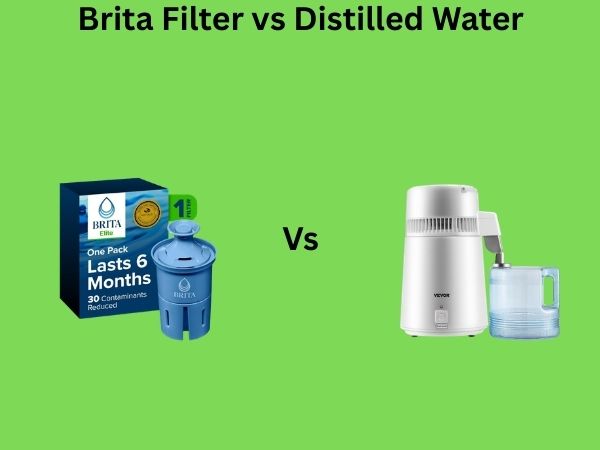
Brita Filter vs Distilled Water: Which Is Healthier for Daily Use?
When you turn on your kitchen tap, you’re probably wondering what’s actually flowing into your glass. Is it safe to drink straight from the source, or should you be filtering it? And if filtering is the answer, which option gives you the best bang for your buck—a Brita filter pitcher or distilled water from the store?
I’ve been down this rabbit hole myself, comparing water quality options until my head spun. Today, I’m breaking down everything you need to know about Brita filters versus distilled water so you can make an informed decision for your household.
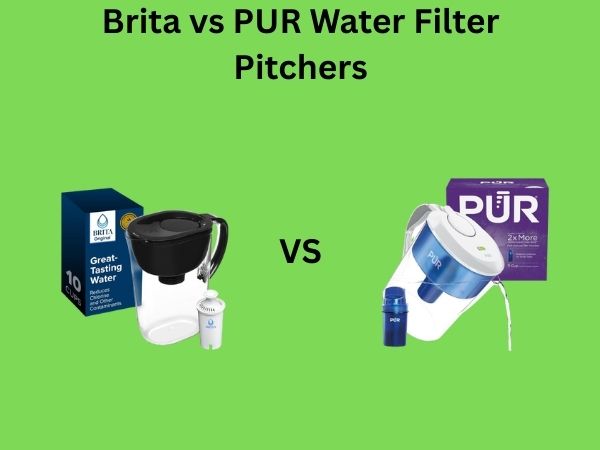
Understanding Brita Filters and How They Work
Let me start by demystifying what a Brita filter actually does. Think of it like a bouncer at a nightclub—it lets some things through while keeping others out, but it’s not perfect at its job.
What’s Inside a Brita Filter Cartridge?
A Brita filter cartridge contains activated carbon and ion exchange resin. The activated carbon is like a sponge with millions of tiny pores that trap chemicals, chlorine, and some sediment. The ion exchange resin swaps out certain minerals, particularly calcium and magnesium, which contribute to hard water.
When water passes through these layers, contaminants stick to the carbon particles while cleaner water flows through. It’s a physical and chemical process that removes certain impurities, but here’s the thing—it’s not removing everything.
What Brita Filters Remove
Brita filters are effective at reducing:
- Chlorine taste and odor
- Some heavy metals like lead and mercury
- Sediment and particles
- Some pesticides and herbicides
- Certain pharmaceutical residues
- Copper and cadmium
What Brita Filters Don’t Remove
Here’s where things get interesting. Brita filters are less effective at removing:
- Viruses and bacteria
- Fluoride
- Nitrates
- Most dissolved salts and minerals
- Some volatile organic compounds
This is important because if you’re hoping to remove every single contaminant from your water, a Brita filter alone won’t get you there.
What Is Distilled Water and How Is It Made?
Distilled water is the opposite end of the spectrum. Instead of filtering, distillation is a process of boiling water to create steam, then condensing that steam back into liquid. It’s like nature’s reset button.
The Distillation Process Explained
Picture water boiling in a pot. When it turns to steam, most contaminants are left behind because they have higher boiling points than water. The steam rises, cools down, and condenses back into pure water. What’s left in the pot is all the stuff you didn’t want—minerals, chemicals, salts, and other dissolved solids.
What Makes Distilled Water Pure
Distilled water removes nearly everything from tap water. We’re talking about:
- All minerals and electrolytes
- Bacteria and viruses
- Chemicals and pesticides
- Heavy metals
- Fluoride
- Chlorine and chlorine byproducts
- Dissolved salts
It’s essentially H2O and not much else. Some people see this as the ultimate in water purity, while others—and I’ll explain why soon—see it as a problem.
Health Benefits of Brita Filtered Water
Let’s talk about what Brita does well for your health. There are legitimate reasons why millions of households use Brita pitchers every day.
Improved Taste and Odor
First and foremost, Brita water tastes better. If your tap water smells like a swimming pool, that’s chlorine, and Brita removes about 97% of it. The taste improvement alone makes many people more likely to drink water instead of reaching for sugary beverages. That’s a genuine health win.
Reduced Chemical Exposure
Chlorine isn’t the only chemical in your water. Brita filters help reduce exposure to various contaminants that develop during water treatment and transport. While your municipal water is tested and deemed safe, reducing chemical exposure when it’s convenient is a smart approach to long-term health.
Lead and Heavy Metal Reduction
If you live in an older home with aging pipes, lead contamination is a real concern. Brita filters do reduce lead levels, which is particularly important for families with young children. The CDC has documented that even low levels of lead exposure can affect cognitive development, making this benefit significant.
Health Considerations with Distilled Water
Now, here’s where distilled water gets controversial. It’s pure, but is pure always better?
The Mineral Deficiency Issue
Your body needs certain minerals. Calcium, magnesium, potassium, and sodium aren’t just nice additions to water—they’re essential nutrients. Distilled water strips away all of these minerals, which means you’re losing out on a source of nutrition that people have relied on for millennia.
Is this a dealbreaker? Not necessarily, if you’re getting these minerals from food sources. But if you’re relying heavily on water as a source of minerals, distilled water might leave you short.
Potential for Leaching
Here’s something that surprised me when I first learned it: distilled water is so pure that it can actually pull minerals out of your body. Because it lacks dissolved minerals, it creates an osmotic imbalance. Some health experts worry this could contribute to mineral deficiencies over time, though the scientific evidence on this is mixed.
Lack of Natural Protection
Certain minerals in water, particularly minerals that create “hardness,” can actually protect your body. Some research suggests that water hardness correlates with lower rates of cardiovascular disease. That protective mineral content is completely absent in distilled water.
Cost Comparison: Brita vs Distilled Water
Let’s get practical. What’s going to hit your wallet harder?
Brita Filter Costs
A Brita pitcher costs around $25 to $35 for the initial purchase. Replacement filters run about $5 to $8 each, and one filter typically lasts through about 40 gallons of water. If your household uses 5 gallons per day, one filter lasts about 8 days.
That breaks down to roughly $22 to $35 per month for filter replacements, plus the initial investment. Over a year, you’re looking at around $265 to $420 depending on your consumption.
Distilled Water Costs
Store-bought distilled water typically costs $1 to $2 per gallon. If your household needs 5 gallons daily, you’re spending $5 to $10 per day, or $150 to $300 per month. Over a year, that’s $1,800 to $3,600—significantly more than Brita filtering.
However, if you have a home distiller, the math changes. A quality home distiller costs $300 to $800 upfront but produces distilled water for just a few cents per gallon once that initial investment is recouped.
Environmental Impact and Sustainability
This is something I don’t think gets discussed enough when comparing water options.
Brita Filter Environmental Footprint
Every filter you replace adds to landfill waste. Brita filters aren’t easily recyclable in most areas, despite the company’s efforts to create recycling programs. You’re also using energy to manufacture all those replacement cartridges, and they need to be shipped, which adds carbon emissions.
On the positive side, Brita reduces the need to buy bottled water, which is a massive environmental improvement. Plastic water bottles are a serious problem, and any shift away from them benefits the planet.
Distilled Water Environmental Considerations
If you’re buying distilled water from the store, you’re buying it in plastic bottles, which brings you back to the plastic waste problem. A home distiller is more environmentally friendly long-term, but it uses electricity during the boiling and condensation process, which has its own environmental cost depending on your energy source.
Best Use Cases for Brita Filters
So when should you choose Brita? Here are the scenarios where it makes the most sense.
If You Have Good Municipal Water
If your tap water is already well-treated and your main complaint is taste or slight odor issues, Brita is perfect. You’re getting the benefits of filtration without overkill.
If You Want to Reduce Plastic Waste
If your primary motivation is avoiding single-use plastic bottles, Brita is excellent. You’ll go through far fewer containers with a Brita pitcher than buying bottled water.
If Cost is a Major Factor
For households watching their budget, Brita offers a middle ground between free tap water and expensive bottled water.
If You Want the Convenience Factor
Brita is incredibly convenient. You fill a pitcher, stick it in the fridge, and you’re done. No complex equipment needed.
Best Use Cases for Distilled Water
When does distilled water make more sense?
If You Have Severely Contaminated Water
If your tap water has high levels of contaminants that Brita can’t handle—like bacteria, viruses, nitrates, or heavy metals above safe levels—distilled water is a better choice until the underlying issue is resolved.
If You Have Well Water
Well water isn’t regulated like municipal water, and it’s more likely to contain bacteria or unsafe mineral levels. Distillation is more comprehensive for well water treatment.
If You Have Medical Concerns
Certain health conditions require ultra-pure water. If your doctor recommends it, that’s your answer right there.
If You Invest in a Home Distiller
If you’ve already made the investment in a home distiller, the per-gallon cost becomes reasonable, and you have control over your water purity.
Brita vs Distilled Water: Direct Comparison
Let me lay out the key differences side by side so you can see what matters most to you.
Purity Level
Distilled water wins here. It removes nearly everything, while Brita removes most common contaminants but not all.
Mineral Content
Tap water and Brita-filtered water retain beneficial minerals. Distilled water has none.
Taste
Brita significantly improves taste. Distilled water tastes flat or bland to many people because it lacks minerals.
Cost
Brita is more affordable for most households, especially compared to store-bought distilled water.
Convenience
Brita is more convenient than buying distilled water, though less convenient than just drinking tap water.
Environmental Impact
Brita reduces plastic waste compared to bottled water. Home distillers are most sustainable long-term.
Can You Mix the Best of Both Worlds?
You don’t necessarily have to choose one or the other. Some people use a multi-stage filtration system that includes activated carbon (like Brita) plus other technologies. Others alternate between filtered and distilled water depending on their needs.
The key is understanding your specific water quality issues and choosing solutions that address them without creating new problems.
Conclusion
So, which is healthier for daily use—Brita or distilled water? The honest answer is that it depends on your specific situation.
Choose Brita if you have decent municipal water that just needs taste and odor improvement, if you’re concerned about plastic waste, or if cost and convenience are your priorities. It’s a practical solution for most households in developed areas with regulated water systems.
Choose distilled water if you have serious water contamination concerns, well water that isn’t tested regularly, or specific medical requirements. Just be aware of the mineral deficiency issue and consider supplementing your diet with mineral-rich foods.
The ideal scenario? Get your water tested to understand exactly what you’re dealing with. Some areas offer free water quality tests. Once you know what’s in your water, you can make a truly informed decision rather than guessing. And remember, any water you’re drinking regularly is better than soda or other sugary drinks, so give yourself credit for even trying to optimize your hydration.
Frequently Asked Questions
Is Brita water completely safe to drink every day?
Yes, Brita water is safe to drink daily for most people, especially if you’re starting with municipal tap water. Brita filters remove most common contaminants like chlorine and some heavy metals. However, they don’t remove everything, so if you have specific water quality concerns—like bacteria contamination or unsafe mineral levels—you may want to pursue more comprehensive testing and filtration. Always check your local water quality report to understand what you’re filtering.
Will drinking only distilled water cause mineral deficiencies?
Drinking exclusively distilled water could potentially contribute to mineral deficiencies over time, especially if you’re not getting adequate minerals from food sources. However, the risk is relatively low if you maintain a balanced diet rich in fruits, vegetables, and whole grains. That said, most experts recommend using distilled water only when necessary rather than as your sole water source. If you must drink distilled water long-term, consider taking a mineral supplement or supplementing with mineral-rich foods.
How often should I replace my Brita filter?
Brita recommends replacing filters every 40 gallons of water filtered, which typically translates to every two to three months for average household use. However, the exact timeframe depends on your water quality and household consumption. If your water is heavily chlorinated or contaminated, filters may become saturated faster. Most Brita pitchers have electronic indicators that tell you when replacement is needed, making it easy to stay on schedule.
Can you drink distilled water long-term without health problems?
Long-term consumption of only dist