Filter vs Boiling Water: Which Is Safer?
When it comes to making your water safe to drink, boiling is generally the more reliable method than filtering. While filters can remove many contaminants, boiling kills all harmful microorganisms. If you’re unsure about your water source, boiling is your safest bet for peace of mind.
We know you want the cleanest water possible for yourself and your family. Both filtering and boiling aim to improve water quality, but they tackle different issues. Understanding their differences can help you choose the best approach for your needs, especially when dealing with potential microbial threats or sediment.
- Boiling is best for killing bacteria and viruses.
- Filters are better at removing sediment and chemicals.
- Neither method is perfect on its own for all contaminants.
- Boiling requires more time and energy.
Let’s dive into the details of each method so you can make the best choice for your tap water.
Water Purification: Boiling vs. Filtering Explained
When your tap water looks a little cloudy or you’re unsure about its safety, you might wonder if boiling or filtering is the better option. Both methods aim to make water safer. But they work in different ways and tackle different problems. We’re here to help you understand which one is best for your needs.
So, should you boil your water or use a filter? The truth is, it depends on what you’re trying to remove. Boiling is a powerful way to kill living things. Filters are good at catching other stuff. Let’s break down how each works.
The Power of Boiling: Killing What You Can’t See
Boiling water is an age-old method for a good reason. It’s incredibly effective at making water safe from tiny, invisible threats. Think of it like a tiny hot yoga session for your water, but instead of relaxation, it’s about elimination.
How Boiling Works Its Magic
When you bring water to a rolling boil, the heat reaches temperatures that kill most harmful bacteria, viruses, and protozoa. These are the microscopic troublemakers that can cause illnesses like diarrhea, dysentery, and cholera. The CDC recommends boiling water for at least one minute to ensure it’s safe for consumption during emergencies. If you’re at high altitudes, you’ll need to boil it a bit longer, for about three minutes.
What Boiling Does Well
- Kills microorganisms: This is its primary strength. It effectively neutralizes bacteria, viruses, and parasites.
- Simple and accessible: All you need is a heat source and a pot. This makes it ideal for camping or power outages.
- No chemicals added: Unlike some purification tablets, boiling doesn’t introduce any extra substances into your water.
The Limitations of Boiling
While boiling is a killer of microscopic life, it doesn’t do much for other issues. It won’t remove sediment, heavy metals, or chemical contaminants like pesticides or chlorine. Sometimes, boiling can even concentrate certain dissolved minerals or chemicals as the water evaporates. So, if your water tastes funny or looks murky due to non-living contaminants, boiling alone might not be enough.
The Role of Water Filters: Catching the Other Stuff
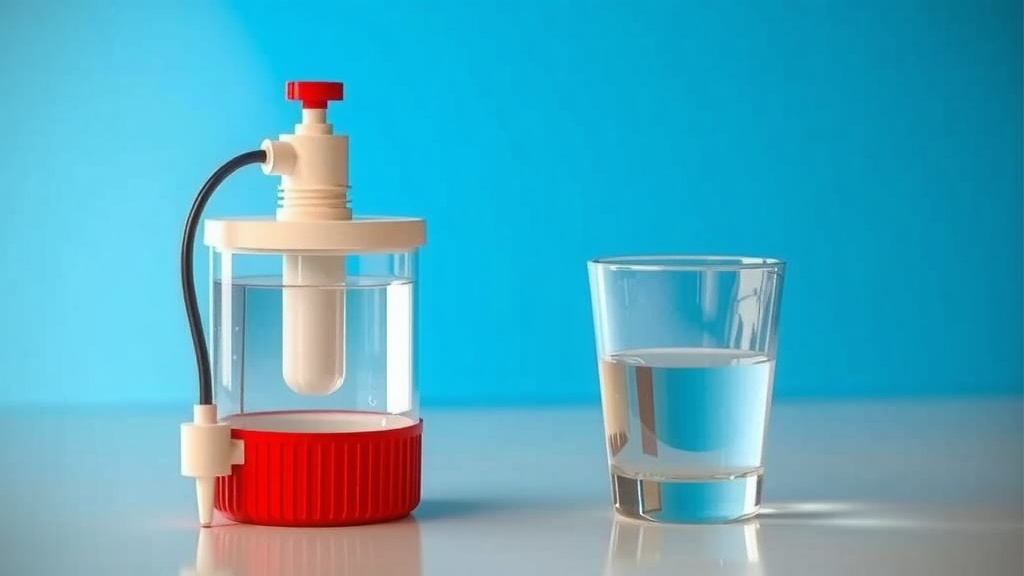
Water filters are like tiny sieves for your water. They use various materials to physically trap or chemically interact with contaminants, removing them from your water supply. Filters come in many shapes and sizes, from simple pitcher filters to complex whole-house systems.
Types of Water Filters and What They Remove
Filters work in a few main ways. Many common pitcher filters use activated carbon. This material has a porous surface that adsorbs (not absorbs!) many chemicals, improving taste and odor. Other filters use mechanical filtration, with a fine mesh to physically block particles like sediment, rust, and sand. Some advanced filters, like reverse osmosis systems, can remove a very wide range of contaminants, including some dissolved solids and heavy metals.
What Filters Do Well
- Improve taste and odor: Activated carbon is excellent at removing chlorine and other substances that can make water taste or smell unpleasant.
- Remove sediment and particles: Filters can make cloudy water clear by trapping sand, silt, and rust.
- Reduce certain chemicals: Depending on the filter type, they can reduce lead, pesticides, and other chemical contaminants.
The Limitations of Filters
Here’s where filters can fall short, especially compared to boiling. Most standard filters are not designed to kill bacteria or viruses. While some specialty filters (like those certified for NSF/ANSI Standard 53 for cyst reduction) can remove larger microorganisms, they often don’t eliminate the smallest viruses. Also, the effectiveness of a filter depends heavily on its type and maintenance. If you don’t change the filter cartridge regularly, it can become clogged and less effective, or even a breeding ground for bacteria itself.
Comparing Boiling and Filtering Side-by-Side
Let’s put these two methods head-to-head. Think of it like choosing between a detective and a bouncer. The detective (filter) finds and removes specific troublemakers. The bouncer (boiling) just kicks everyone unwelcome out by force.
Here’s a quick comparison to help you decide:
| Feature | Boiling | Filtering |
|---|---|---|
| Kills Germs (Bacteria, Viruses) | Yes (Excellent) | Generally No (Some specialty filters can remove larger ones) |
| Removes Sediment/Particles | No | Yes (Varies by filter type) |
| Removes Chemicals (e.g., Chlorine, Lead) | No (Can sometimes concentrate them) | Yes (Varies by filter type, especially activated carbon) |
| Improves Taste/Odor | No (Can sometimes make it worse) | Yes (Often) |
| Time & Energy Needed | Requires heating time and energy | Instantaneous (for pitchers/faucets), requires installation for others |
| Maintenance | None, beyond heating | Regular filter replacement is crucial |
When to Choose Boiling
You should reach for the kettle when you suspect microbial contamination. This is common after heavy rain, floods, or if there’s a boil water advisory in your area. It’s also your go-to if you’re camping and using untreated surface water. Boiling gives you peace of mind that the water is free of the most common disease-causing microbes.
When to Choose Filtering
Filters are fantastic for everyday use, especially if your main concerns are taste, odor, or cloudy water. If your tap water has a chlorine smell or you see visible particles, a good filter can make a big difference. They are also useful for reducing lead from old pipes or certain agricultural chemicals, depending on the filter’s specifications.
Making the Best Choice for Your Water
For most people concerned about the safety of their everyday tap water, a combination of approaches might be best. If your local water quality reports are consistently good, a good quality filter might be all you need for taste and minor improvements. However, if you ever have doubts or face an emergency, boiling is the most reliable way to ensure your water is free from harmful microorganisms.
A Quick Checklist for Water Safety
To help you remember the key points, keep this checklist handy:
- Always boil water if there’s a boil water advisory.
- Boil water when camping and using natural sources.
- Use filters to improve taste and remove sediment from daily tap water.
- Check filter certifications to ensure they remove what you need (e.g., NSF/ANSI standards).
- Replace filter cartridges on time; a used filter can be worse than no filter.
- Consider boiling if you suspect a plumbing issue or contamination source.
Conclusion
When it comes to making your water safe, boiling is your most reliable defense against invisible germs like bacteria and viruses. Filters are great for improving everyday taste, odor, and removing things like sediment and some chemicals. Neither method is a perfect all-in-one solution, so understanding their strengths is key. For daily use, a good filter can enhance your water experience. But if you ever doubt your water’s safety, especially during emergencies or boil water advisories, reach for the kettle. Your peace of mind is worth the extra step to ensure you’re drinking truly safe water.
Frequently Asked Questions
Does boiling water remove lead?
No, boiling water does not remove lead. In fact, as water evaporates during boiling, it can actually concentrate lead and other heavy metals. If you suspect lead in your water, you should use a certified filter designed to remove lead or consider replacing old plumbing fixtures.
Can I drink filtered water if there’s a boil water advisory?
Generally, no. Most common water filters are not designed to kill bacteria or viruses. A boil water advisory means your water supply may be contaminated with harmful microorganisms. Boiling is the recommended method to kill these pathogens and make the water safe to drink during such advisories.
How long do I need to boil water for it to be safe?
You should bring water to a rolling boil and let it boil for at least one full minute. If you are at an altitude of 6,500 feet or higher, you should boil it for three minutes. This ensures that most disease-causing microorganisms are killed.
What’s the difference between activated carbon filters and sediment filters?
Sediment filters primarily remove larger particles like sand, silt, and rust, making cloudy water clearer. Activated carbon filters, on the other hand, use a porous material to adsorb chemicals like chlorine, which helps improve taste and odor. Many filters combine both types of media.
How often should I replace my water filter?
This depends on the type of filter and how much water you use. Most pitcher filters recommend replacement every 1-3 months or after a certain number of gallons. Always check the manufacturer’s instructions for your specific filter model. Using an old filter can make your water quality worse.