
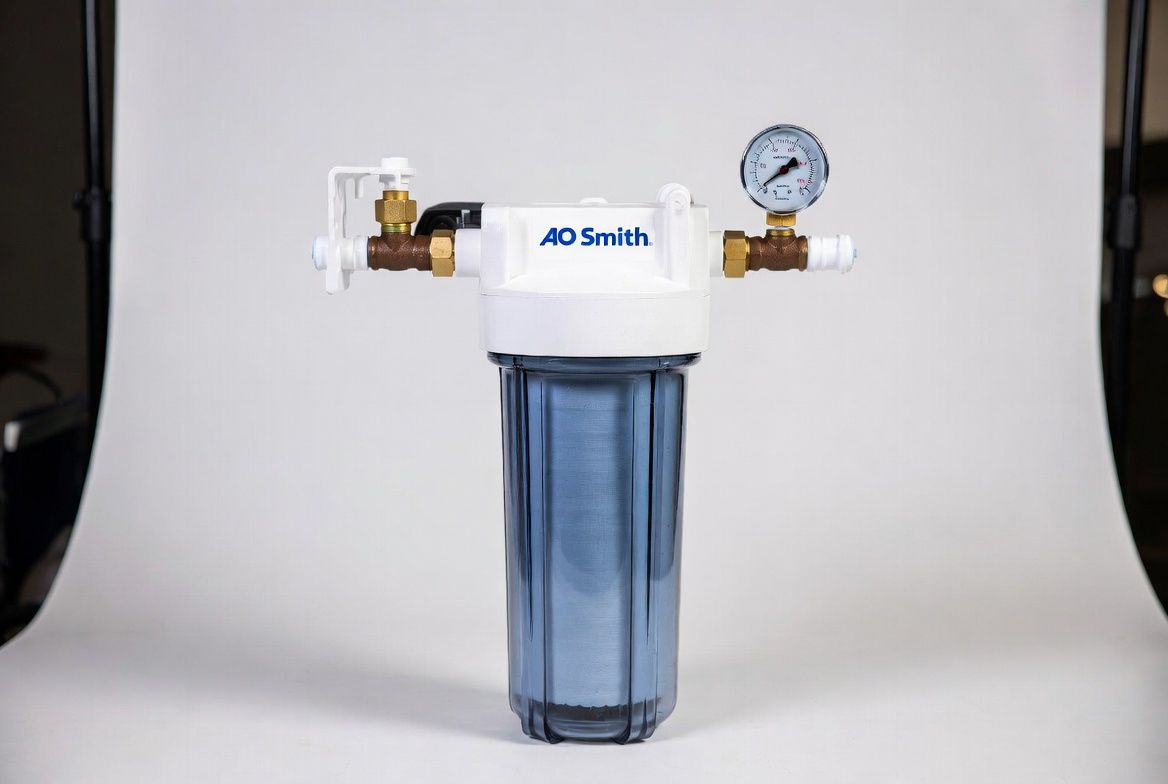
AO Smith Water Filter Reviews: Which Model is Best for You?
When it comes to ensuring your family drinks clean, safe water, choosing the right water filter can feel overwhelming. There are so many options out there, and honestly, most of them blur together after a while. That’s why I’m here to break down AO Smith water filters for you in a way that actually makes sense.
AO Smith is a brand that’s been around for decades, and they’ve built a solid reputation in the water filtration industry. But just because they’re reputable doesn’t mean every model is right for your home. Let me walk you through their top options and help you figure out which one deserves a spot under your sink or on your counter.
Understanding AO Smith’s Water Filtration Technology
Before we dive into specific models, let’s talk about what makes AO Smith different. Think of water filtration like a security system for your home—you want multiple layers of protection, not just one. AO Smith understands this, which is why they’ve invested heavily in developing multi-stage filtration systems.
Their filters typically use a combination of activated carbon, sediment filters, and sometimes even reverse osmosis technology. This layered approach means they’re not just catching big particles—they’re also removing chlorine, odors, and potentially harmful contaminants that you can’t even see.
How Does Multi-Stage Filtration Work?
Imagine you’re sifting flour through progressively finer screens. The first screen catches the largest particles, the second catches medium-sized ones, and so on. That’s essentially what multi-stage filtration does with water. The first stage might catch sediment and larger particles, while subsequent stages handle chemicals and microscopic contaminants.
Top AO Smith Water Filter Models Worth Your Money
Let’s get into the real meat of this discussion. I’ve researched their most popular models, and I’m going to give you honest feedback on each one.
The AO Smith A1 Series: The Budget-Friendly Champion
If you’re looking for an entry-level water filter that doesn’t break the bank, the A1 Series is worth serious consideration. This model is compact, easy to install, and gets the job done without any unnecessary frills.
What I appreciate about the A1 is its simplicity. You don’t need a degree in engineering to figure out how to use it. The filter cartridge is straightforward to replace, and the whole system is designed with everyday homeowners in mind.
- Removes chlorine taste and odor effectively
- Reduces sediment and some chemical contaminants
- Filter replacement is simple and quick
- Affordable price point makes it accessible
- Works with standard faucets
However, if you’re dealing with serious water quality issues—like high levels of specific contaminants—this model might not provide enough heavy-duty filtration. It’s solid for general purification, but not specialized.
The AO Smith Z Series: The Advanced Performer
Now, if you want to step up your game, the Z Series is where things get interesting. This model represents AO Smith’s commitment to more comprehensive water treatment. It’s like upgrading from a basic security system to one with smart cameras and motion sensors.
The Z Series typically includes activated carbon block filtration combined with sediment filters, creating a more thorough purification process. People who’ve switched to this model often report noticing a significant difference in their water quality immediately.
- Superior chlorine removal compared to basic models
- Better at reducing heavy metals like lead
- Improved taste and clarity in filtered water
- Longer filter lifespan means fewer replacements
- Still relatively user-friendly installation
The trade-off? You’ll pay more upfront, and the filters aren’t quite as cheap to replace. But if water quality is a priority in your home, the investment typically pays dividends.
The AO Smith Reverse Osmosis Systems: The Thoroughbreds
Want the absolute best in water purification? Their reverse osmosis systems are in a different league entirely. These systems are the heavy hitters of the water filtration world—they remove up to 99% of dissolved solids from your water.
Reverse osmosis works by pushing water through a semi-permeable membrane under pressure. Only pure water molecules make it through; everything else gets flushed away. It’s incredibly effective but also requires more maintenance and produces some wastewater.
- Removes virtually all contaminants including fluoride
- Produces the purest water available for home filtration
- Ideal for areas with poor water quality
- Great for people with specific health concerns
- Significantly improves water taste
The downsides are that reverse osmosis systems are expensive, require professional installation in many cases, and generate wastewater (typically around 3-4 gallons of waste for every gallon of filtered water). They’re also slower, so you’ll need a storage tank.
What Problems Are You Actually Trying to Solve?
Here’s where I want you to pause and think about your specific situation. Not every home needs the same level of filtration. Choosing the right AO Smith filter depends entirely on what’s wrong with your water in the first place.
If Your Main Concern Is Taste and Odor
Does your water taste like chlorine? Does it smell funny? Then you’re probably dealing with a basic filtration problem. An activated carbon filter—which even their basic models include—will typically solve this within hours of installation. You don’t need to spend premium dollars here.
If You’re Worried About Sediment and Particles
Maybe your water is cloudy or has visible particles? This is where sediment filters shine. Most AO Smith models have them, so you’re looking at choosing between entry-level and mid-range options rather than debating whether to buy at all.
If You’re Concerned About Chemical Contaminants
Worried about pesticides, pharmaceuticals, or industrial chemicals? This is where things get more complicated. You’ll probably want their Z Series or better. Some contaminants require specific filtration methods, so you might even want to get your water tested first.
If You Have Hard Water
Interestingly, standard water filters don’t address hard water. If you’re dealing with mineral buildup in your kettle or on your shower head, you might need a different solution entirely—possibly a water softener alongside your AO Smith filter.
Installation and Maintenance: What You Need to Know
Okay, so you’ve picked your model. Now let’s talk about getting it set up and keeping it running smoothly.
Installation Difficulty Levels
AO Smith’s under-sink and faucet-mounted filters are designed for DIY installation. I’ve seen people do it with just a wrench and basic plumbing knowledge. However, their reverse osmosis systems are more complex and often benefit from professional installation.
Filter Replacement Schedule
This is crucial: your filter won’t last forever. Most AO Smith filters need replacement every 6 to 12 months, depending on water quality and usage. Think of it like changing your car’s oil—necessary maintenance that keeps your system healthy.
The good news? Their filters are widely available online and in stores, and they’re not prohibitively expensive. Budget around $30-60 for replacement filters depending on the model.
Maintenance Tips for Longevity
- Replace filters on schedule, don’t wait until water quality drops
- Keep your system clean by flushing it regularly
- Check for leaks or unusual sounds regularly
- Store replacement filters in a cool, dry place
- Follow the manufacturer’s instructions for your specific model
Real User Experiences: What People Actually Say About AO Smith Filters
You know what I find most valuable? Hearing from actual users, not just marketing speak. So let me break down the patterns I’ve noticed in genuine user feedback.
The Positives Users Consistently Mention
People love the noticeable improvement in water taste. Seriously, this comes up repeatedly. Customers say their water goes from tasting like a swimming pool to actually being pleasant to drink. That alone justifies the purchase for many households.
Users also appreciate how straightforward the systems are to use and maintain. You don’t feel like you need a PhD in chemistry to operate an AO Smith filter.
The Concerns Users Raise
Some customers wish the filters lasted longer before needing replacement. Others mention that reverse osmosis systems produce that waste water, which feels wasteful even though the filtered water is superior.
A few users also note that pricing can be higher than some competitors, though most agree the quality justifies the cost.
Comparing AO Smith to Competitors
How does AO Smith stack up against brands like Brita, PUR, and EveryDrop? Let me give you my honest assessment.
AO Smith vs. Brita
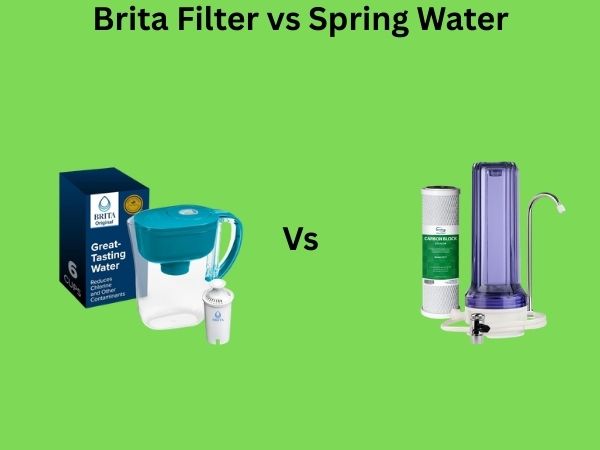
Brita excels at affordability and portability with their pitcher filters. However, AO Smith’s permanent systems typically provide superior filtration and convenience. If you want set-it-and-forget-it water quality, AO Smith wins.
AO Smith vs. PUR
PUR is solid, but AO Smith tends to offer more model variety and better performance at similar price points. Both are reputable, but AO Smith’s technology feels slightly more advanced.
AO Smith vs. Whole House Systems
If we’re talking point-of-use filters (filters at specific faucets) versus whole-house systems, it’s comparing apples to oranges. Whole-house systems filter everything but cost more and require professional installation. AO Smith’s products fit a middle ground—affordable point-of-use solutions with solid performance.
Cost-Benefit Analysis: Is AO Smith Worth It?
Let’s talk dollars and cents. An AO Smith filter system ranges from $30-40 for basic models to $500+ for reverse osmosis units. Then you’re looking at ongoing filter replacement costs.
Here’s how I think about it: clean water is essential. If you’re currently buying bottled water, an AO Smith filter pays for itself quickly. Over a year, a typical family might spend $200+ on bottled water—more than many AO Smith systems cost.
Plus, you’re reducing plastic waste and always having clean water on tap. That convenience factor is worth something too.
Environmental Impact and Sustainability
I think it’s worth considering how your choice affects the environment. AO Smith filters reduce reliance on bottled water, which means less plastic waste heading to landfills. That’s a significant positive.
The trade-off is that filter cartridges themselves become waste, though many are recyclable. If you use a reverse osmosis system, that wastewater is a consideration too. But overall, filtering your own tap water beats bottled water from an environmental perspective.
Final Thoughts on Choosing Your AO Smith Model
So which model is actually best for you? It depends entirely on your situation.
- Start with basic models if you just want taste/odor improvement
- Move to mid-range options if you have moderate water quality concerns
- Consider reverse osmosis only if you have serious contamination issues
- Get your water tested if you’re unsure what you’re dealing with
- Think about your budget for ongoing filter replacements
Conclusion
AO Smith has earned its reputation by consistently delivering quality water filtration solutions across multiple price points. Whether you’re looking for a simple chlorine remover or a comprehensive reverse osmosis system, they’ve got options worth considering.
The key is understanding your specific water quality issues and matching them to the right model. Don’t overspend on features you don’t need, but don’t cheap out on filtration if you’re genuinely concerned about water safety.
My recommendation? If you’re currently not filtering your water at all, start with an AO Smith A1 or Z Series. You’ll immediately notice the difference in taste, and you’ll gain confidence in your water quality. If you’re willing to invest more upfront, their reverse osmosis systems offer peace of mind that’s hard to match.
Remember, clean water is one of those things that affects your health daily. Getting it right is worth the effort and investment. AO Smith gives you reliable options to do exactly that.
Frequently Asked Questions About AO Smith Water Filters
How often do I really need to replace my AO Smith filter cartridge?
Most AO Smith filter cartridges need replacement every 6 to 12 months, though this varies based on your water quality and daily usage. If you have a large family using a lot of filtered water, you might need to replace it more frequently. The best approach is to monitor water flow and taste—when either diminishes noticeably, it’s time for a replacement. Many models come with indicator systems that alert you when replacement is due, taking the guesswork out of maintenance.
Are AO Smith filters certified to remove specific contaminants?
Yes, AO Smith filters carry various certifications from organizations like NSF International, which tests and verifies that products perform as claimed. Different models have different certifications—some are certified to reduce chlorine, others to reduce lead or cysts. When choosing a model, look for certifications that match your specific concerns. You can typically find this information in the product specifications or on AO Smith’s website.
Can I install an AO Smith filter myself, or do I need a plumber?
Most AO Smith faucet-mounted and under-sink filters can be installed by homeowners with basic tools and plumbing knowledge. The installation process is typically straightforward and requires just a wrench. However, reverse osmosis systems are more complex and may require professional installation, especially if you need to add a dedicated faucet or modify your plumbing. Always consult the instruction manual for your specific model to determine if professional help is recommended.
How much water does an AO Smith reverse osmosis system waste?
Traditional reverse osmosis systems typically produce 3-4 gallons of waste water for every 1 gallon of filtered water produced. This might sound wasteful, but it’s a normal part of the reverse osmosis process. Some newer models are becoming more efficient, reducing the waste ratio. If water waste concerns you, check the specific efficiency rating of the model you’re considering, or explore alternatives like point-of-use filters that don’t produce wastewater.
Will an AO Smith filter soften hard water?
No, AO Smith water filters do not soften hard water. Filtration removes contaminants and improves taste, but it doesn’t address the minerals that cause hardness. If you have hard water issues, you’ll need a separate water softening system in addition to your AO Smith filter. Some people use both systems in combination—the softener removes minerals, and the filter removes contaminants and improves taste. This layered approach provides comprehensive water treatment for homes with multiple water quality issues.
“`
![10 Best In Home Water Filter [2026]](https://waterans.com/wp-content/uploads/2026/07/10-best-in-home-water-filter-2026-featured-768x432.jpg)
![10 Best Whole House Water Filter System [2026]](https://waterans.com/wp-content/uploads/2026/06/10-best-whole-house-water-filter-system-2026-featured-768x432.jpg)

