
How Can I Filter Tap Water? Best Methods
Yes, you can absolutely filter tap water right in your own home! Filtering tap water is an effective way to improve its taste and remove common contaminants like chlorine, sediment, and sometimes even lead or PFAS. Many simple methods exist, from pitchers to under-sink systems, making cleaner drinking water accessible for your family.
Many people wonder about the quality of their tap water. Fortunately, filtering it is easier than you might think. We’ve found that a variety of filter types can make a big difference in your daily hydration. Understanding your options helps you pick the best fit for your needs and budget.
- Pitcher filters are easy and portable.
- Faucet filters offer instant filtered water.
- Under-sink systems provide a large supply.
- Whole-house filters treat all your home’s water.
- Consider what contaminants you want to remove.
Let’s walk through the best ways to filter your tap water, so you can enjoy a refreshingly clean drink every time.
Getting Started with Home Water Filtration
You’re probably here because you’re wondering about your tap water. Is it as clean as it could be? You’re not alone! Many people want to improve the quality of their drinking water. Thankfully, filtering your tap water at home is very achievable. We’ve found that a variety of methods can make a big difference for your family’s hydration and peace of mind.
Understanding Your Water Filtration Needs
Before diving into specific methods, it’s helpful to think about what you want to filter out. Different filters target different contaminants. Are you concerned about the taste and smell of chlorine? Perhaps you’re worried about sediment or even more serious issues like lead or PFAS. Knowing your main concerns helps you choose the right system. Many municipalities provide water quality reports, which can be a great starting point (CDC).
Common Tap Water Concerns
- Chlorine: Added to kill bacteria, but can affect taste and smell.
- Sediment: Small particles like sand or rust that can make water cloudy.
- Heavy Metals: Such as lead, which can leach from old pipes.
- PFAS (Per- and Polyfluoroalkyl Substances): “Forever chemicals” that are a growing concern.
- Microplastics: Tiny plastic particles that are increasingly found in water sources.
Research also shows that understanding your local water quality report is a smart first step. These reports often detail the levels of various substances in your tap water. We found this information to be quite eye-opening for many households.
Popular Tap Water Filter Methods Explained
Now let’s look at the most common and effective ways to filter your tap water at home. We’ll break down each method, so you can see how it works and if it fits your lifestyle.
Filter Pitchers: Simple and Portable
Pitcher filters are perhaps the most familiar option. You simply fill the top reservoir with tap water, and gravity does the rest. The water slowly drips through a filter cartridge into the main pitcher below. They are easy to use and don’t require installation. You can also easily move them from the fridge to the table. We found that for small households or for targeted use (like making coffee), they are an excellent choice.
How They Work
Most pitcher filters use activated carbon. This material is very porous and effective at adsorbing chlorine and other organic compounds. Some filters also include ion-exchange resins to reduce heavy metals like copper and zinc. You’ll need to replace the filter cartridges regularly, usually every two to three months, depending on usage and the specific filter model. Keeping track of replacements is key to ensuring you always have clean water.
Faucet Filters: On-Demand Clean Water
Faucet filters attach directly to your existing kitchen faucet. They offer the convenience of filtered water on demand. You typically flip a switch or lever to direct water through the filter when you need it. This means no waiting for a pitcher to fill. Many models are quite sleek and don’t take up much space. We found that for busy kitchens, this is a fantastic time-saver.
Installation and Maintenance
Installation is usually straightforward and requires no special tools for most standard faucets. You’ll need to ensure your faucet is compatible. Like pitcher filters, faucet filters use cartridges that need periodic replacement. The lifespan of a cartridge can vary, but many last for several months of typical use. Checking the manufacturer’s recommendations is always a good idea.
Under-Sink Water Filters: A Hidden Workhorse
For a more robust filtration solution, under-sink systems are a popular choice. These are installed beneath your kitchen sink and typically connect directly to your cold water line. Some systems have a separate faucet for filtered water, while others filter the water that comes from your main faucet. They offer a larger filtration capacity and often use multi-stage filtration for enhanced contaminant removal.
Benefits of Under-Sink Systems
These systems can be very effective at removing a wider range of contaminants. They often employ multiple filter types, such as sediment filters, activated carbon, and sometimes specialized filters for things like lead or VOCs (Volatile Organic Compounds). Because they’re out of sight, they help keep your countertops clutter-free. Maintenance involves replacing the filter cartridges, typically once or twice a year, which is less frequent than pitchers or faucet filters.
Countertop Water Filters: Easy Access, Bigger Capacity
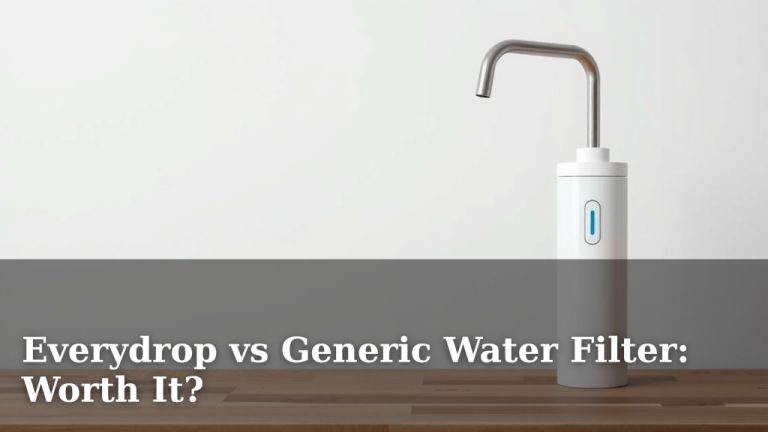
Countertop filters sit on your counter and connect to your faucet. Water is then diverted through the filter and dispensed from a dedicated spout. They offer a good balance between the convenience of a faucet filter and the filtration power of an under-sink system. They generally have larger filter capacities than pitcher or faucet filters and can last longer between replacements. They are a great option if you want better filtration without complex installation.
Filtration Technology Used
These systems often use advanced filtration methods, including activated carbon, ceramic filters, and sometimes even UV sterilization. This multi-stage approach allows them to tackle a broad spectrum of impurities. We found that countertop filters are a good middle-ground for those seeking superior filtration without altering their plumbing.
Whole-House Water Filtration Systems: Ultimate Coverage
If you’re looking to filter all the water entering your home – for drinking, bathing, and appliances – a whole-house system is the way to go. These systems are installed where the main water line enters your house. They provide filtered water to every tap and showerhead in your home. This is an excellent solution if you have widespread water quality concerns or want to protect all your plumbing and appliances from sediment and chlorine.
Pros and Cons of Whole-House Systems
The biggest advantage is that every drop of water in your home is treated. This can extend the life of your appliances and reduce scale buildup. However, these systems represent a larger initial investment and typically require professional installation. Filter replacements are needed periodically, but the filters are usually larger and last longer than point-of-use filters.

Choosing the Right Filter for Your Home
Selecting the best filter method depends on several factors. Consider your budget, how much filtered water you need, and your willingness to install and maintain the system. For many people, starting with a pitcher or faucet filter is a practical first step. If you have persistent water quality concerns or want the most comprehensive solution, an under-sink or whole-house system might be a better long-term choice.
| Method | Pros | Cons | Best For |
|---|---|---|---|
| Pitcher Filter | Affordable, portable, no installation | Small capacity, slow filtration, frequent cartridge changes | Individuals, small households, targeted use |
| Faucet Filter | On-demand filtered water, easy installation | Can affect faucet flow, not compatible with all faucets, regular cartridge changes | Busy kitchens, renters, moderate water use |
| Under-Sink Filter | High capacity, hidden, multi-stage filtration options | Requires installation, more expensive upfront, regular filter changes | Families, those wanting dedicated filtered water tap |
| Countertop Filter | Good capacity, easy setup, advanced filtration | Takes up counter space, needs faucet connection | Moderate to high water usage, desire for better filtration |
| Whole-House System | Filters all water, protects appliances, long-lasting filters | Highest cost, requires professional installation | Whole-home water quality concerns, protecting plumbing |
Your Checklist for Better Tap Water
Ready to take the next step towards cleaner water? Here’s a quick guide to help you get started:
- Identify your main water concerns (taste, specific contaminants).
- Check your local water quality report for official data.
- Determine your budget for initial purchase and ongoing maintenance.
- Assess your installation comfort level (DIY vs. professional).
- Consider your household’s daily water usage.
- Choose a filter method that best matches your needs.
Conclusion
Filtering your tap water at home is a smart and achievable way to ensure you’re drinking the cleanest, best-tasting water possible. You’ve learned about various methods, from simple pitchers to whole-house systems. We’ve seen how each option offers unique benefits for taste, health, and convenience. Now that you understand your choices, you can confidently select the filtration method that best fits your home and your family’s needs. Your next step is to assess your water quality concerns and budget to make an informed decision. Enjoy your refreshed, filtered water!
Frequently Asked Questions
How often do I need to replace water filter cartridges?
The frequency of replacement varies by filter type and usage. Pitcher and faucet filters often need changing every 2-3 months. Under-sink and whole-house systems typically last 6-12 months. Always check the manufacturer’s recommendations for your specific filter model.
Can I filter out lead from my tap water?
Yes, many water filters are designed to remove lead. Activated carbon filters and those with ion-exchange resins are particularly effective. If lead is a concern, look for filters certified to reduce heavy metals, like NSF/ANSI Standard 53.
What’s the difference between an under-sink and a whole-house filter?
An under-sink filter provides filtered water to a single point, usually your kitchen sink. A whole-house system filters all the water entering your home, treating water for drinking, bathing, and appliances. Whole-house systems offer broader protection but come at a higher cost.
Are countertop filters hard to install?
Countertop filters are generally very easy to install. Most simply connect to your existing faucet with an adapter. You typically don’t need special tools or plumbing knowledge. They offer a good balance of filtration power and simple setup.
Where can I find information about my local tap water quality?
Your local water utility provider is the best source. Many municipalities publish annual water quality reports, often called Consumer Confidence Reports. You can usually find these reports on their website or by contacting them directly.