

Home Water Filter vs Water Softener: Which?
Deciding between a home water filter and a water softener really depends on your main goal. If you want to remove contaminants like chlorine and sediment for better tasting water, a filter is your best bet. If your problem is hard water with high mineral content causing soap scum and scale buildup, a softener is what you need. They tackle different water issues.
You might be wondering if one can do the job of the other. We’ve found that while both improve your water quality, they target different problems. A filter cleans impurities you can taste or smell, while a softener tackles mineral buildup that can damage pipes and appliances. Think of it as choosing the right tool for the specific job your water needs.
- Filters remove contaminants like chlorine and sediment.
- Softeners remove minerals like calcium and magnesium.
- Filters improve taste and odor.
- Softeners prevent scale buildup and soap scum.
- They serve different purposes for your home’s water.
Let’s break down exactly what each system does and how to choose the right one for your home.
Choosing the Right Water Treatment: Filter vs. Softener
Deciding whether you need a home water filter or a water softener is all about understanding what’s in your water and what you want to achieve. They’re not interchangeable. We found that filters focus on improving taste and safety, while softeners tackle issues caused by mineral-heavy water. Let’s break down what each one actually does.
What a Home Water Filter Does for You
Think of a water filter like a fine sieve for your water. Its main job is to remove impurities that affect how your water looks, smells, and tastes. This can include things like chlorine, sediment, lead, and certain other chemicals. Many people notice a big difference in the crispness of their drinking water.
Common Contaminants Filters Remove
You might be surprised by what can end up in your tap water. Filters are designed to capture many of these unwanted guests. Here are some common ones:
- Chlorine: Often added for disinfection, it can give water a distinct smell and taste.
- Sediment: Small particles like sand, rust, or silt can make water cloudy.
- Lead: This can leach from older pipes, posing health risks. (CDC notes lead can cause developmental problems in children).
- Pesticides and Herbicides: These can sometimes find their way into water sources.
- VOCs: Volatile Organic Compounds can come from industrial processes.
Benefits You’ll Notice from Filtering
The most immediate benefit is usually better-tasting and smelling water. You might also see improvements in your coffee or tea. Beyond that, removing certain contaminants can be good for your health. Research has shown that reducing exposure to chemicals like chlorine can have positive effects (World Health Organization). Your dishes might come out cleaner too, without spots from sediment.
Understanding What a Water Softener Does
A water softener is designed to tackle a specific problem: hard water. Hard water is water that contains a high concentration of dissolved minerals, primarily calcium and magnesium. While these minerals aren’t harmful to drink, they cause a lot of headaches around the house.
The Problem with Hard Water Minerals
Calcium and magnesium in your water can leave behind a chalky residue called limescale. This buildup is the enemy of your appliances and plumbing. We’ve found that it can clog pipes, reduce the efficiency of your water heater, and leave unsightly marks on your shower doors and sinks. It also affects how well soap works.
How Scale Affects Your Home
Imagine a coffee maker or a dishwasher working harder because of mineral buildup inside. That’s what happens with hard water. It can lead to expensive repairs or premature replacement of appliances. Your water heater, in particular, can lose efficiency as scale coats the heating elements. This means you’re using more energy to heat your water.
The Soap Scum Struggle
Ever notice how soap doesn’t lather well in your shower or how a film is left on your bathtub? That’s hard water at work. The minerals react with soap, creating soap scum instead of a good lather. This makes cleaning your bathroom a bigger chore than it needs to be. Your clothes might also feel stiff and look dingy if washed in hard water.
How Water Softeners Work
Water softeners use a process called ion exchange. The system contains resin beads that are coated with sodium ions. As hard water passes through, the calcium and magnesium ions in the water are attracted to the resin beads. They trade places with the sodium ions, effectively removing the hardness minerals from the water. The system periodically flushes these collected minerals away with a brine solution.
Filter vs. Softener: A Direct Comparison
To make it crystal clear, let’s put them side-by-side. They serve different, though sometimes overlapping, functions in your home’s water treatment.
| Feature | Home Water Filter | Water Softener |
|---|---|---|
| Primary Goal | Remove contaminants for better taste, odor, and safety. | Remove hardness minerals (calcium, magnesium) to prevent scale and soap scum. |
| What it Removes | Chlorine, sediment, lead, VOCs, some pesticides. | Calcium, magnesium. |
| Main Benefit | Improved taste and odor of drinking water; potentially healthier water. | Prevents limescale buildup; improves soap lathering; protects appliances. |
| Does NOT Remove | Hardness minerals (calcium, magnesium) effectively. | Taste/odor contaminants like chlorine unless it has a carbon filter component. |
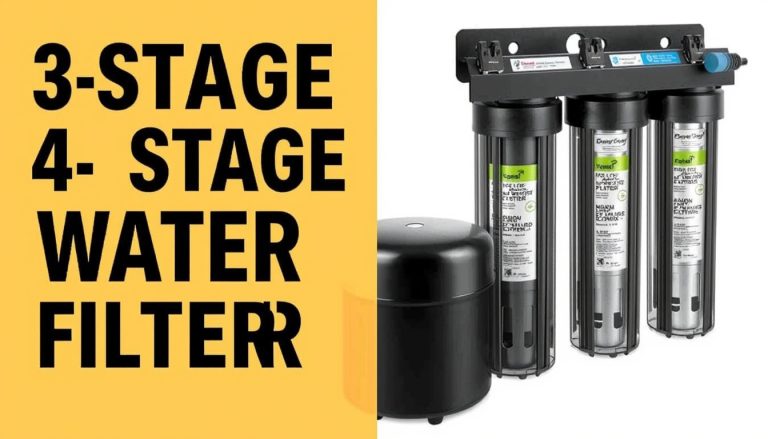
| Common Uses | Pitcher filters, faucet filters, under-sink systems, whole-house filters. | Whole-house systems, typically installed where water enters the home. |
When to Choose a Water Filter
You should lean towards a water filter if your primary concerns are the taste and smell of your tap water. If you notice a chemical odor, or if your water is cloudy due to sediment, a filter is a great solution. Many people opt for filters to ensure their drinking water is as pure as possible for consumption and cooking. It’s also a good choice if you’re concerned about specific contaminants like lead or chlorine.

When to Choose a Water Softener
A water softener is your go-to if you’re battling the effects of hard water. Are you seeing white, chalky deposits on your faucets and showerheads? Does soap refuse to lather properly, leaving behind a residue? If your appliances seem to be wearing out faster than they should, or if your skin feels dry and ashy after showering, you likely have hard water and need a softener. We found that most homes in areas with high mineral content in their water benefit greatly from softening.
Can You Have Both?
Yes, absolutely! Many households find that the best solution involves using both a water filter and a water softener. A water softener will remove the minerals that cause hardness. Then, a water filter can be used downstream to address any remaining contaminants like chlorine or sediment, further polishing your water. This combination offers the most complete water improvement for your home.
Quick Checklist: What’s Your Water Need?
Ask yourself these questions to help guide your decision:
- Does your water have an unpleasant taste or odor? (→ Filter)
- Do you see white, chalky buildup (limescale) around your fixtures? (→ Softener)
- Does soap not lather well, and do you get soap scum easily? (→ Softener)
- Are you concerned about specific contaminants like lead or chlorine? (→ Filter)
- Do you want to protect your appliances from mineral damage? (→ Softener)
- Are you looking for the best possible taste for your drinking water? (→ Filter)
Conclusion
You’ve learned that a home water filter and a water softener tackle different water challenges. Filters improve taste and remove contaminants like chlorine, while softeners combat hard water minerals like calcium and magnesium that cause scale and soap scum. Your choice depends on your primary water concerns. If your water tastes or smells off, a filter is likely your solution. If you’re dealing with limescale buildup and poor soap lather, a softener is the answer. For the most comprehensive water improvement, consider using both systems together.
Now that you understand the differences, take a moment to assess your home’s water. Check for those tell-tale signs of hard water or notice any off-putting tastes and smells. This will help you make the right choice for cleaner, better water in your home.
Frequently Asked Questions
Can a water filter remove minerals that cause hardness?
Generally, no. Standard water filters are designed to remove contaminants that affect taste, odor, and safety. They typically do not remove the dissolved minerals like calcium and magnesium that cause hard water. For hardness issues, you need a water softener.
Will a water softener make my drinking water taste better?
A water softener primarily removes hardness minerals. It won’t remove chlorine or other taste-altering contaminants unless it’s a special dual-purpose system that also includes a carbon filter. If taste is your main concern, a filter is usually more effective on its own.
How often do I need to maintain a water filter versus a water softener?
Maintenance schedules vary by system type and usage. Water filters typically require replacing cartridges every few months. Water softeners need periodic salt refills for the regeneration cycle and occasional servicing to ensure the resin bed is working correctly.
Is hard water bad for my health?
The minerals in hard water, like calcium and magnesium, are generally not considered harmful to your health; in fact, they can be a source of dietary intake. The main issues with hard water are related to appliance damage, increased soap usage, and potential scale buildup in pipes, rather than direct health risks.
Can I install a whole-house water filter and a whole-house water softener together?
Yes, you absolutely can! It’s common and often recommended for the most complete water treatment. Typically, the water softener is installed first where the water enters your home, followed by a whole-house filter to polish the water and remove any remaining taste or odor issues.


![10 Best Ten Inch Whole House Water Filter Cartridge [2026]](https://waterans.com/wp-content/uploads/2026/06/10-best-ten-inch-whole-house-water-filter-cartridge-2026-featured-768x432.jpg)