Bag Filter vs Cartridge Filter Water: A Comprehensive Guide to Industrial Filtration
When you’re running an industrial operation that relies on water quality, choosing the right filtration system can feel like standing at a crossroads with no clear signpost. Should you go with bag filters or cartridge filters? Both have their champions, and honestly, both have legitimate reasons to be considered. Let me walk you through everything you need to know about these two filtration powerhouses so you can make an informed decision that actually fits your needs.
Understanding the Basics: What Are Bag and Cartridge Filters?
Let’s start with the fundamentals. Both bag filters and cartridge filters serve the same primary purpose: they remove contaminants from water before it’s used in industrial processes. However, they approach this job using different methods and materials.
What Exactly Is a Bag Filter?
A bag filter is essentially a fabric sleeve that captures particles as water flows through it. Think of it like a mesh screen that sits in a housing unit. The water enters the top of the housing, travels through the porous bag, and the contaminants get trapped inside while clean water exits the bottom. The bag itself is typically made from materials like polypropylene, polyester, or nylon, depending on what you’re filtering and how aggressive your filtration needs are.
What Is a Cartridge Filter?
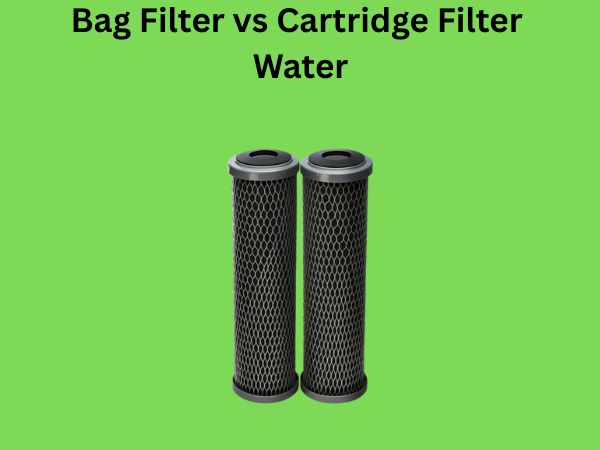
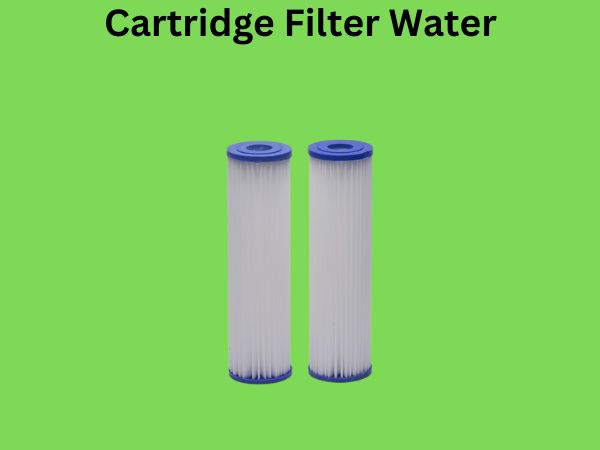
A cartridge filter works similarly in concept but uses a cylindrical element with pleated media. Instead of a flat bag, imagine a accordion-like structure with many folds. This design significantly increases the surface area available for filtration. Water flows from the outside of the pleats toward the center core, where clean water collects and exits. Cartridge filters typically use polyester, cellulose, or synthetic materials engineered for specific filtration levels.
How Each System Actually Works in Practice
The Bag Filter Filtration Process
When water enters a bag filter housing, it spreads across the surface of the bag material. The particles in your water—whether they’re sediment, debris, or other contaminants—get caught in the fibers of the bag. As more water flows through, the bag gradually becomes saturated with trapped particles, which increases the pressure differential across the system. This is why you need to monitor pressure gauges on your bag filter system.
Eventually, the bag reaches its maximum holding capacity, and you need to replace it. Some systems include a bypass valve that prevents damage if the bag becomes too clogged. This is actually a safety feature that prevents catastrophic pressure build-up.
The Cartridge Filter Filtration Process
Cartridge filters operate with a similar principle but leverage their pleated design for efficiency. The water enters the housing and flows through the outer surface of the pleated media. Because of all those folds, you’re essentially getting a much larger surface area than you would with a flat bag. This means the same volume of water can be processed before the cartridge reaches its pressure limit.
Interestingly, cartridge filters can sometimes be cleaned and reused through backflushing or compressed air methods. This is a major advantage over bag filters, which typically cannot be cleaned and reused effectively.
Comparing Costs: Initial Investment Versus Long-Term Expenses
The Price Tag on Bag Filter Systems
Here’s something that might surprise you: bag filter housings are generally less expensive upfront than comparable cartridge filter systems. You can typically install a bag filter system for less initial capital investment. However, this is just the beginning of the story.
Bag filters themselves are also cheaper per unit than cartridge elements. If you’re replacing them regularly, this cost advantage compounds. But wait—there’s another factor to consider.
Hidden Costs in Bag Filter Operations
- Labor time spent replacing bags frequently
- Disposal costs for used bags
- Potential product loss when changing bags
- More frequent replacements due to lower surface area
- Increased water waste during disposal procedures
The Investment in Cartridge Filter Systems
Cartridge filter housings carry a higher upfront cost. The initial investment can be 20 to 40 percent higher than bag filter systems. Additionally, individual cartridge elements cost more per unit than bag filters.
But here’s where the math gets interesting. Because cartridge filters have greater surface area and can sometimes be cleaned and reused, you might replace them less frequently. Over a five-year period, your total cost of ownership might actually be lower with cartridge filters, even though you paid more initially.
Long-Term Savings with Cartridge Filters
- Fewer replacements needed due to greater capacity
- Ability to clean and extend cartridge life
- Less labor time spent on maintenance
- Reduced disposal costs
- Potential for lower operating pressure requirements
Filtration Efficiency: Which One Performs Better?
Understanding Micron Ratings and Filtration Levels
Both bag and cartridge filters come in various micron ratings, which indicate how small the particles they can capture are. A lower micron rating means finer filtration. You might find bag filters available in ratings from 1 to 100 microns, and cartridge filters in similar ranges.
The key difference isn’t usually the micron rating available but rather the consistency of filtration. Cartridge filters, with their engineered pleated media, tend to provide more uniform filtration throughout their lifespan. Bag filters can experience some variation in filtration efficiency as the bag loads with particles.
Dirt-Holding Capacity Explained
Think of dirt-holding capacity as the amount of trash your filter can store before it’s full. This is where cartridge filters really shine. A typical cartridge filter can hold significantly more dirt before reaching its pressure limit than a comparable bag filter. We’re talking about potentially two to four times the capacity in many applications.
Why does this matter? If your cartridge filter can hold four times more dirt, you’re replacing it roughly one-quarter as often. That’s a substantial difference in operational efficiency and downtime.
Maintenance Demands: What’s Your Time Investment?
Maintaining Bag Filter Systems
Bag filter maintenance is straightforward, though it’s frequent. You monitor the pressure gauge regularly. When the pressure differential reaches a certain threshold—typically between 15 and 35 PSI depending on your system—you shut down the unit, depressurize it, and remove the saturated bag.
Then you dispose of that bag and install a new one. The whole process usually takes 15 to 30 minutes per replacement. If you’re running continuously and your bags are loading quickly with contaminants, you might be doing this several times per week. That adds up to significant labor hours annually.
Maintaining Cartridge Filter Systems
Cartridge filter maintenance depends on whether your system includes cleaning capabilities. Many modern cartridge filter housings feature compressed air backflushing or pulse-jet cleaning systems. When pressure rises to a preset level, the system automatically cleans the cartridge by reversing airflow or pulsing compressed air through it. This dislodges trapped particles and extends cartridge life substantially.
When the cartridge finally reaches the end of its useful life, you replace it. This might happen once every few months to once every year, depending on your water quality and flow rates. This is significantly less frequent than bag replacements.
Maintenance Comparison Summary
- Bag filters: Replace weekly to monthly
- Cartridge filters: Replace monthly to yearly
- Bag filters: Simple manual process
- Cartridge filters: Can include automated cleaning
- Bag filters: Lower skill requirement
- Cartridge filters: System monitoring may be more technical
Environmental Considerations and Sustainability
The Disposal Question
When you remove a saturated bag filter, you’re typically discarding a single-use fabric element. Depending on your filtration application, this could end up in a landfill. If you’re filtering out hazardous materials, there might be special disposal requirements, adding cost and complexity.
Cartridge filters present a more nuanced environmental picture. While they’re also eventually discarded, you might get significantly more life from them through cleaning. Some facilities even send used cartridges to remanufacturers who clean and recertify them for reuse. This circular approach reduces waste considerably.
Water Consumption in the Filtration Process
Bag filter systems sometimes waste water during the change-out process. If you’re filtering contaminated water and you need to dispose of the saturated bag, that dirty water often gets discarded. Cartridge filters, especially those with backflushing capabilities, can sometimes recover and filter the backflush water for reuse.
For water-conscious industries, this is becoming an increasingly important consideration.
Industry-Specific Applications and Best Uses
When Bag Filters Make Sense
Bag filters are ideal for certain applications. If you have a small operation with low to moderate flow rates and can tolerate frequent maintenance, bag filters work beautifully. They’re also excellent if you’re filtering particularly aggressive or hazardous materials where you want the flexibility of multiple bags running in parallel.
Industries using bag filters successfully include smaller food processing facilities, certain chemical manufacturing operations, and some paint and coating facilities. They’re also popular in situations where simplicity is valued over complexity.
When Cartridge Filters Dominate
Larger industrial operations almost universally choose cartridge filters. High-flow applications, continuous 24/7 operations, and processes requiring consistent water quality all favor cartridge filtration. Power generation plants, large beverage manufacturing facilities, and advanced semiconductor production facilities typically use cartridge filters.
Any situation where labor costs are significant, where downtime is costly, or where consistent filtration quality is critical strongly suggests you should choose cartridge filters.
Troubleshooting Common Problems
Bag Filter Issues and Solutions
One common problem with bag filters is premature clogging, where the bag reaches its pressure limit quickly. This often indicates you’re dealing with a particularly contaminated water source or perhaps the wrong micron rating for your application. Solution: consider higher-capacity bags or a finer pre-filter upstream.
Another issue is bag tears or holes, which allow unfiltered water to bypass the system. This can damage downstream equipment. You’ll need to inspect bags before installation and handle them carefully to prevent tears.
Cartridge Filter Issues and Solutions
Cartridge filters sometimes experience poor backflushing performance if the compressed air system isn’t adjusted correctly. If cartridges aren’t getting cleaned effectively, replace them sooner or check your air pressure settings.
Another potential issue is cartridge bypass, where contaminated water sneaks around the element. This usually indicates the cartridge is damaged or not seated properly. Regular inspection and proper installation prevent this problem.
Making Your Decision: The Key Factors to Consider
Assessing Your Operation’s Needs
Start with your flow rate requirements. How much water per minute does your process actually need? Then consider your water quality. What particles or contaminants are you dealing with? How much contamination is present?
Think about your labor costs. If you’re in a region where skilled labor is expensive, the fewer replacements and maintenance tasks required by cartridge filters become increasingly valuable. Conversely, if labor is inexpensive and your operation is small, bag filters might make perfect economic sense.
Calculating Your True Cost of Ownership
Don’t just look at purchase price. Calculate the total cost over five years including replacement elements, labor, disposal, and water waste. Factor in any equipment downtime costs. Often you’ll find cartridge filters provide better value despite higher upfront costs.
Considering Scalability and Future Growth
If you’re planning to expand your operation, choose a filtration system that can grow with you. Cartridge filter systems generally scale more efficiently, allowing you to add additional housings or increase element sizes without completely overhauling your infrastructure.
Hybrid Approaches and Combined Systems
Using Both in Series
Some sophisticated industrial operations use bag filters as a pre-filter stage followed by cartridge filters as the final filtration step. This approach combines advantages of both systems. The bag filter handles heavy contamination loads, protecting the more expensive cartridge filter downstream. This extends cartridge life significantly while keeping the whole system running optimally.
While this requires more capital investment and space, many facilities find the improved performance and longevity worth the cost.
The Future of Industrial Water Filtration
Technology in filtration continues advancing. Modern cartridge filters use increasingly sophisticated media materials that offer better filtration efficiency and longer life. Bag filters are also evolving with improved materials and multilayer constructions. Automated monitoring systems now track filter performance in real-time, alerting operators when replacement is needed before problems develop.
For new installations, the trend is clearly toward cartridge filtration, especially as automation becomes more affordable and common.
Conclusion
So which should you choose: bag filters or cartridge filters? Honestly, the answer depends on your specific situation. Bag filters remain a valid choice for small to medium operations with moderate flow rates and labor budgets. They’re simple, affordable upfront, and work reliably for many applications.
However, for most industrial operations with significant flow requirements, continuous operation, or where labor costs matter, cartridge filters represent the better long-term investment. They deliver superior filtration efficiency, longer service life, and typically lower total cost of ownership. They’re also more environmentally responsible and offer better system monitoring and control.
Take time to evaluate your specific water quality, flow requirements, space constraints, and budget. Consider consulting with a filtration specialist who can analyze your particular situation. The right choice will keep your operation running smoothly and cost-effectively for years to come.
Frequently Asked Questions
Can you clean and reuse bag filters like cartridge filters?
Bag filters are designed as single-use, disposable elements and cannot be reliably cleaned and reused. Attempting to clean a bag filter damages the fibers and compromises its filtration integrity. Once saturated, a bag filter must be discarded. This is one of the main differences from cartridge filters, many of which can be cleaned through backflushing or compressed air methods and reused multiple times before final disposal.
What happens if a bag or cartridge filter clogs completely?
If a filter clogs completely without being replaced, system pressure builds dangerously. Most filter housings include a bypass valve that opens at a preset pressure differential, typically around 45 to 60 PSI. When this valve opens, unfiltered water bypasses the filter element directly to downstream processes. While this prevents equipment damage from pressure buildup, it means unfiltere


![10 Best Activated Carbon Water Filter Pitcher [2026]](https://waterans.com/wp-content/uploads/2026/06/10-best-activated-carbon-water-filter-pitcher-2026-featured-768x432.jpg)