3 Stage vs 4 Stage Water Filter: Is an Extra Stage Worth It?
When you’re standing in the water filter aisle at your local store, or scrolling through endless options online, you’ve probably noticed something interesting: water filters come in different configurations. Some promise three stages of filtration, while others boast four. But here’s the question that keeps most people up at night: does that extra stage really make a difference, or are you just paying more for something you don’t actually need?
I’ve spent considerable time researching this topic because, let’s face it, clean water is non-negotiable in modern life. Your family deserves to drink water that’s free from harmful contaminants, but you also deserve to make an informed decision without being swayed by marketing hype. So let’s dive deep into this comparison and figure out whether you should stick with a three-stage system or upgrade to the fourth stage.
Before we can meaningfully compare three-stage and four-stage systems, we need to understand what water filtration actually does. Think of your water filter as a bouncer at an exclusive club—it’s job is to keep the undesirables out while letting the good stuff through.
Water that comes from your tap or well contains various particles, chemicals, and microorganisms. Some are harmless, but others can affect your health, taste, and even the appearance of your water. A filtration system works by passing water through different layers or stages, each designed to trap or eliminate specific types of contaminants.
What Happens in Each Filtration Stage?
Generally speaking, each stage of a water filter targets different sized particles and contaminants. The first stage usually tackles the biggest offenders, while subsequent stages get progressively more sophisticated in what they remove. It’s like having a team where each player has a specific role—the goalie doesn’t try to do the striker’s job, and vice versa.
The Three-Stage Water Filter Explained
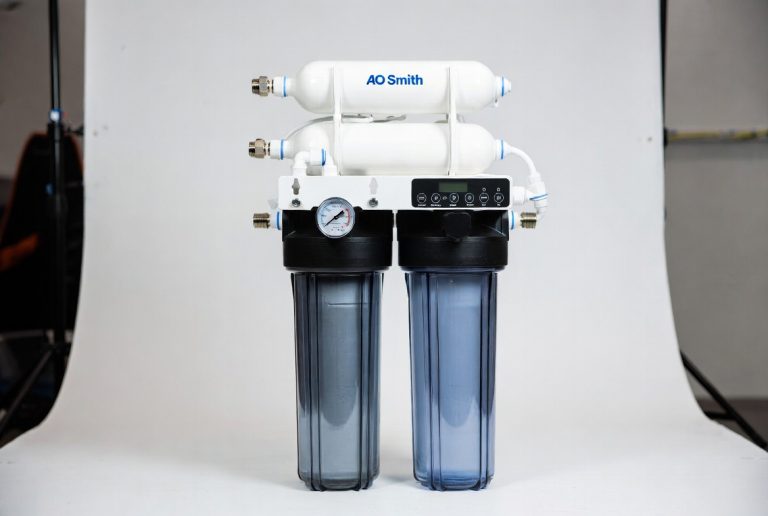
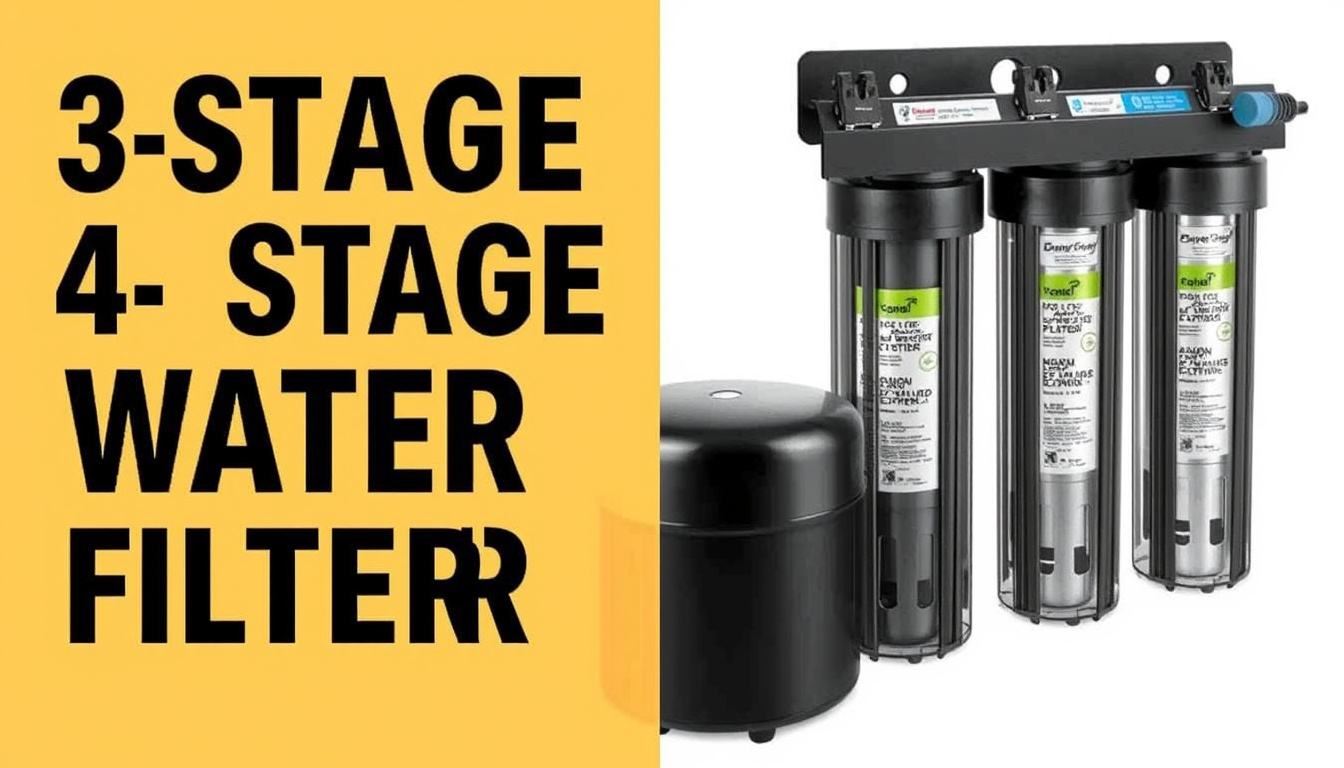
A three-stage water filter is the standard setup you’ll find in most households. These systems have become the industry baseline for good reason—they handle the majority of common water quality issues without breaking the bank.
Stage One: Sediment Filtration
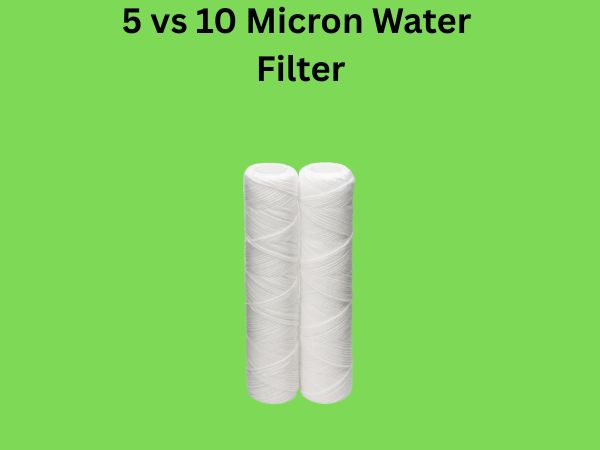
The first stage is your water filter’s first line of defense. It catches the visible and invisible particles floating around in your water. We’re talking about dirt, sand, rust particles, and other sediment that might be suspended in your tap water. This is the largest particle filter, with openings usually measuring between 5 and 20 microns.
Think of this stage as a mesh screen. It catches the big stuff so the more delicate stages downstream don’t get clogged up right away. Without this stage, your subsequent filters would get dirty much faster and require replacement more frequently.
Stage Two: Activated Carbon Filtration
Once the water has passed through the sediment filter, it moves to the activated carbon stage. This is where things get interesting. Activated carbon is like a sponge with millions of tiny pores, and it’s extraordinarily effective at absorbing certain chemicals and improving taste and odor.
Specifically, this stage removes chlorine (which makes water taste like a swimming pool), pesticides, some heavy metals, and certain volatile organic compounds. If you’ve ever noticed that your tap water has an unpleasant chemical taste or smell, activated carbon is what fixes that.
Stage Three: The Final Polish
The third stage varies depending on the specific system you purchase. Some use another layer of activated carbon, while others employ different technologies like ion exchange resins or sediment filters with smaller micron ratings. Whatever the technology, this stage provides a final polish to your water.
This stage ensures that any remaining particles or chemicals that slipped through the first two stages get caught. It’s also where you might see some systems address specific issues like removing fluoride, reducing water hardness, or further improving taste.
The Four-Stage Water Filter: Going the Extra Mile
A four-stage system takes the three-stage concept and adds an additional layer of purification. But here’s what’s important to understand: that fourth stage isn’t just a random addition. It’s specifically designed to address something that three-stage systems might miss.
What Does the Fourth Stage Actually Do?
The fourth stage depends on the manufacturer’s design, but common options include:
- Reverse osmosis membranes (removes dissolved solids and minerals)
- Ultraviolet light technology (kills bacteria and viruses)
- Specialized mineral filters (adds beneficial minerals back into the water)
- Post-carbon filters (removes any remaining odors or tastes)
- Ion exchange resins (softens hard water)
The inclusion of a fourth stage means you’re addressing water quality issues that a three-stage system might not handle as effectively. It’s the difference between “pretty good” water and “excellent” water.
Comparing Contaminant Removal: Three vs Four Stages
Now we’re getting to the heart of the matter. Let’s talk actual performance. How much more effective is a four-stage system when it comes to removing contaminants?
Chlorine and Chemical Removal
Both three-stage and four-stage systems handle chlorine removal effectively through activated carbon filtration. You’re looking at removal rates of 90-99% in both cases. So on this front, there’s no meaningful difference.
Sediment and Particle Removal
Again, both system types do an excellent job here. The first stage in both systems targets sediment with similar micron ratings. Unless you’re dealing with some extremely unusual water quality situation, both will leave you with particle-free water.
Heavy Metals and Chemical Compounds
This is where things start to diverge. A four-stage system with additional activated carbon or specialized filtration media can achieve higher removal rates for certain heavy metals like lead and mercury. The extra stage provides additional contact time and surface area for contaminants to be absorbed or trapped.
A three-stage system will still remove many of these, but perhaps not quite as comprehensively. If your water test shows concerning levels of heavy metals, that fourth stage becomes more valuable.
Dissolved Solids and Minerals
Here’s where the biggest difference emerges. If a four-stage system includes reverse osmosis technology, it can remove dissolved solids like fluoride, minerals, and certain salts that a three-stage system simply cannot capture. This is actually a significant advantage for people concerned about total dissolved solids in their water.
Cost Comparison: What’s the Price Tag?
Let’s be honest—price matters. You want clean water, but you also don’t want to overspend on features you might not need.
Initial Purchase Cost
A quality three-stage water filter typically costs between $100 and $300, depending on the brand and specific features. A four-stage system usually runs $200 to $500. So you’re looking at a premium of roughly $100 to $200 for that additional stage.
That’s a significant difference, but it’s not astronomical. The real question is whether the extra $100-200 gets you meaningful benefits.
Replacement Filter Costs
Here’s something many people overlook: replacement filters. A three-stage system might have replacement filter sets costing $30 to $60 per replacement cycle. A four-stage system typically runs $50 to $100 for replacements.
If you’re replacing filters annually, that’s an extra $20-40 per year in ongoing costs. Over five years, that adds up to an additional $100-200 in maintenance expenses.
Maintenance and Installation
Both systems are generally straightforward to install and maintain. A four-stage system might take slightly longer to set up due to the additional stage, but we’re not talking about a complicated process. Neither system requires professional installation unless you’re dealing with under-sink setups, which might have additional costs regardless of stage count.
Water Quality Testing: What Should You Check?
Here’s something critical that many people miss: you should test your water before deciding on a filtration system. You wouldn’t take medication for an illness you don’t have, and similarly, you shouldn’t buy a four-stage system if your water doesn’t require that level of filtration.
Common Contaminants in Tap Water
Most municipal water supplies are actually quite good, but local conditions vary dramatically. In some areas, you might be dealing with high chlorine levels. In others, hard water might be the primary concern. Some regions have agricultural runoff affecting water quality, while others might have aging pipes causing sediment issues.
Getting Your Water Tested
You can get your water tested through your local health department, a certified water testing lab, or sometimes through water filter companies. A basic test costs $15 to $50 and tells you what you’re actually dealing with. This information is invaluable for making the right choice between a three-stage and four-stage system.
If your tests show that you have high chlorine, sediment, and some chemical tastes and odors, a three-stage system is probably sufficient. If you’re dealing with heavy metals, high dissolved solids, or other complex contamination, a four-stage system becomes more justified.
Who Should Choose a Three-Stage System?
Three-stage filters are the right choice for many people, and there’s absolutely no shame in that. If your primary concerns are improving taste and odor, removing chlorine, and filtering out visible sediment, a three-stage system delivers excellent value.
Ideal Scenarios for Three-Stage Filters
- You have relatively clean municipal water to begin with
- Your main complaint is chlorine taste and odor
- You’re on a tight budget but want quality filtration
- Your water tests show only minor contamination issues
- You want a simple, no-fuss filtration solution
If this describes your situation, a three-stage system will likely serve you well for years to come. You’ll enjoy noticeably cleaner, better-tasting water without the additional expense and complexity of a fourth stage.
Who Should Choose a Four-Stage System?
A four-stage system makes sense for people dealing with more complex water quality challenges or those who want maximum peace of mind.
Ideal Scenarios for Four-Stage Filters
- Your water test shows elevated levels of heavy metals
- You have hard water or high dissolved solids
- You’re particularly concerned about fluoride
- Your water source is a well rather than municipal supply
- You want the highest level of purification available
- You have family members with compromised immune systems
If your water quality tests reveal significant contamination, or if you simply want the best possible water quality regardless of current concerns, a four-stage system represents a smart investment in your family’s health.
Technology Matters: Not All Four-Stage Systems Are Equal
Here’s something important to understand: not all four-stage systems are created equal. The type of technology in that fourth stage matters tremendously.
Reverse Osmosis Four-Stage Systems
If that fourth stage includes reverse osmosis, you’re getting the Cadillac of filtration. These systems can remove up to 99% of dissolved solids, making them exceptional for people with significant water quality concerns. However, they’re also more expensive, require more maintenance, and produce some wastewater during operation.
Ultraviolet Four-Stage Systems
UV technology in a fourth stage kills bacteria and viruses, which is valuable if you’re dealing with biological contamination. This is particularly relevant for well water users. UV systems are effective but require electricity and don’t leave a residual disinfectant in your water.
Post-Carbon Four-Stage Systems
Some four-stage systems simply add another activated carbon layer. This provides additional contaminant removal and improves taste and odor, but it’s not as comprehensive as reverse osmosis or UV options. These systems tend to be more affordable than reverse osmosis alternatives.
Longevity and Filter Lifespan
Another factor worth considering is how long filters last in each type of system. A three-stage system’s filters might last 12 months before replacement. A four-stage system’s filters might last 9-12 months because each stage has more work to do, potentially requiring more frequent changes.
However, by handling more contamination, the fourth stage actually protects the other stages and can extend their collective lifespan. It’s a trade-off worth considering in your calculation.
Environmental Considerations
Every time you replace a filter, that old filter ends up in a landfill. A three-stage system produces fewer filter replacements than a four-stage system over time. If environmental impact concerns you, this is worth factoring into your decision.
On the flip side, if a four-stage system means you stop buying bottled water (which has its own significant environmental impact), the net environmental benefit might actually favor the four-stage option.
The Verdict: Making Your Final Decision
So, is that extra stage worth it? The honest answer is: it depends on your specific situation.
If you have decent municipal water, modest contamination concerns, and a limited budget, a three-stage system represents excellent value. You’ll significantly improve your water quality while keeping costs reasonable.
If your water quality is questionable, you have specific contamination concerns identified through testing, or you want maximum filtration capability, a four-stage system is the better investment. The extra $100-200 upfront and slightly higher ongoing costs are worth it for superior water quality and greater peace of mind.
The key to making the right decision is getting your water tested. Let your actual water quality guide your choice rather than marketing hype or assumptions. After all, you’re making an investment in your family’s health, and that decision deserves to be based on facts rather than guesswork.
Conclusion
The choice between a three-stage and four-stage water filter isn’t about which one is objectively “better”—it’s about which one is better for your specific needs. Both systems represent solid water filtration solutions that will meaningfully improve your tap water quality compared to drinking unfiltered water.
A three-stage system handles the majority of common water quality issues effectively and efficiently. It’s a proven solution that millions of households rely on successfully. Unless you have specific reasons to believe you need more comprehensive filtration, a three-stage system will serve you well.
A four-stage system offers additional filtration capacity and can address more complex water quality challenges. If your water tests indicate contamination beyond what a three-stage system typically handles, or if you simply want maximum peace of mind, the extra investment in a fourth stage is justified.
Ultimately, get your water tested, understand what you’re dealing with, and make an informed decision based on your actual water quality and specific concerns. That’s the approach that will leave you confident in your choice, whether you go with three stages or four.
Frequently Asked Questions
Can a three-stage water filter remove bacteria and viruses?
A standard three-stage water filter with sediment, activated carbon, and a fine filter can remove some bacteria and sediment, but it’s not specifically designed to eliminate viruses or all bacterial pathogens. If you have well water or suspect biological contamination, you’d benefit from a four-stage system with UV technology or a reverse osmosis system that’s specifically designed to address these concerns. Municipal water is typically already