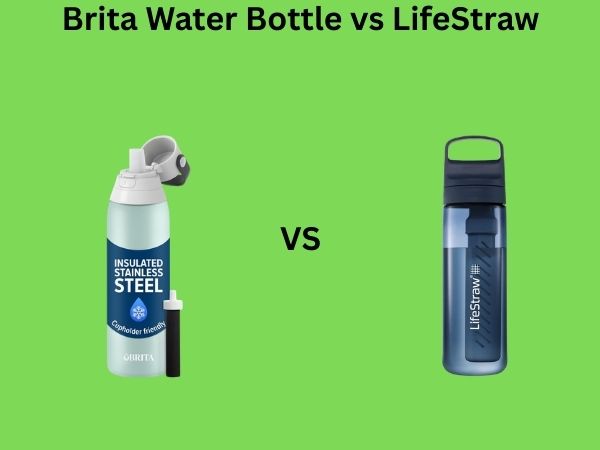
Brita Water Bottle vs LifeStraw: Which Is Best for Travel?
When you’re planning your next adventure, whether it’s a weekend hiking trip or a month-long backpacking expedition across Southeast Asia, one question inevitably pops up: how am I going to stay hydrated without spending a fortune on bottled water? This is where the great portable water filtration debate comes in. Two names consistently rise to the top of conversation: Brita and LifeStraw. But which one actually deserves a spot in your travel backpack? Let me break down everything you need to know to make the right choice for your lifestyle.
Understanding the Core Difference Between These Two Systems
Before we dive deep into the specifics, it’s important to understand that Brita and LifeStraw aren’t exactly the same type of product. Think of it like comparing an electric car to a hybrid—they both get you from point A to point B, but they work in fundamentally different ways. Brita is essentially a traditional filter bottle that relies on replacing filter cartridges regularly. LifeStraw, on the other hand, is a personal water filtration straw that works through a built-in filtration system. This distinction matters more than you might initially think when you’re standing in the middle of nowhere with nothing but questionable water sources around you.
What Makes Brita the Classic Choice
Brita has been around for decades, and honestly, they’ve perfected the art of making filtered water accessible to everyday people. Their water bottles combine simplicity with reliability, and they’re designed with the assumption that you’ll have access to tap water most of the time. The bottles hold a decent amount of water—typically between 23 and 26 ounces—which is perfect if you want to drink a full serving without constantly refilling.
How Brita Filters Work in Their Bottles
The Brita system uses activated carbon and ion exchange resin to reduce chlorine, lead, copper, and other contaminants. When you fill the bottle with tap water, it runs through the filter, and you get cleaner-tasting water on the other side. It’s straightforward, predictable, and it doesn’t require you to do anything unusual—just drink normally from the bottle like you would with any regular water bottle.
What LifeStraw Brings to the Table
LifeStraw represents a different philosophy altogether. This is a product designed for people who might find themselves in situations where they need to drink directly from natural water sources. Rivers, lakes, streams—if you’re hiking in remote areas, LifeStraw wants to be your lifeline. The product is compact, lightweight, and operates on a hollow fiber membrane filtration system that removes bacteria and protozoa from untreated water sources.
The Mechanics Behind LifeStraw’s Filtration
LifeStraw uses hollow fiber membrane technology that’s incredibly effective at removing pathogens. The membranes have tiny pores that are too small for bacteria and parasites to pass through, so the water you drink is significantly safer than what you’d get from an untreated natural source. This is where LifeStraw really shines—it’s designed for survival situations and serious outdoor adventures where tap water isn’t an option.
Portability and Weight Considerations for Travelers
If you’re traveling, weight matters. Every ounce in your backpack either contributes to your comfort or becomes dead weight by day three of your trip. Let’s talk honestly about how these two stack up when it comes to portability.
Brita Bottles: Compact but Not Ultralight
A Brita water bottle weighs around 8 to 10 ounces depending on the model. When empty, it’s not terrible, but you need to account for the fact that you’ll be filling it with water, which adds another 18 ounces or so. So you’re looking at carrying roughly one and a half pounds of weight when your bottle is full. For some travelers, this is absolutely fine. For ultralight backpackers, it might feel like dead weight.
LifeStraw: The Lightweight Champion
Here’s where LifeStraw wins decisively. A basic LifeStraw weighs less than 2 ounces. Even their larger models like the LifeStraw Go bottle version comes in under 10 ounces when empty. This is a game-changer if you’re watching every gram you carry. The difference becomes significant over a multi-day trek where every ounce affects your energy levels and joint stress.
Cost Analysis: Filter Replacement and Long-Term Expenses
Budget matters when you’re traveling, especially if you’re planning extended adventures. Let’s break down the actual costs you’ll face with each system over time.
Brita’s Ongoing Filter Costs
A Brita water bottle typically costs between thirty and fifty dollars upfront. The filters themselves cost about five to eight dollars each, and they last approximately 40 gallons of water before needing replacement. If you’re traveling through areas with treated tap water, you might only need one or two filter replacements during your entire trip. However, if you’re someone who uses this bottle regularly at home, you’re looking at replacing filters roughly every two months, which adds up to about thirty to forty dollars annually in filter costs alone.
LifeStraw’s Value Proposition
A basic LifeStraw costs fifteen to thirty dollars depending on where you buy it. Here’s the beautiful part: it lasts for about 1000 liters of water before the filter degrades. That’s substantially more than you’ll likely drink during any single trip. For the casual to serious traveler, you might buy one LifeStraw and never need to replace it throughout your entire traveling lifestyle. Even if you do eventually replace it, you’re looking at a one-time purchase of thirty dollars every few years.
Water Quality and Contamination Concerns
This is where things get serious. Different water sources pose different threats, and not all filters are equally effective against all contaminants.
What Brita Actually Filters Out
Brita filters are excellent at improving taste and removing chlorine, lead, and some sediment. They make tap water taste significantly better, which is their primary strength. However—and this is crucial—Brita filters are not designed to remove bacteria, viruses, or protozoa. If you’re planning to drink from untreated natural water sources, a Brita bottle won’t provide the protection you need. These filters work best when you’re starting with water that’s already been treated by municipal systems.
LifeStraw’s Pathogen Removal Capabilities
LifeStraw removes bacteria and protozoa effectively through its hollow fiber membrane system. This includes dangerous pathogens like E. coli, giardia, and cryptosporidium. The filter can handle 1000 liters before needing replacement. However, it’s worth noting that LifeStraw does not remove viruses, which are primarily a concern in developing countries with contaminated water systems. It also doesn’t remove chemical contaminants like pesticides or heavy metals as effectively as carbon-based filters.
Practical Travel Scenarios: Where Each System Excels
Let me walk you through some real-world travel situations and how each product performs.
Urban Travel and City Adventures
You’re spending two weeks exploring European capitals or visiting major cities in developed nations. You’re staying in hotels, eating in restaurants, and mostly drinking from tap water in your accommodation. Scenario: Brita wins here without question. You’ll get great-tasting water, the bottle integrates seamlessly with normal travel routines, and you avoid spending money on bottled water. LifeStraw would feel like overkill.
Wilderness Hiking and Remote Camping
You’re trekking through national parks, camping in remote areas, and you might need to drink from natural water sources. Scenario: LifeStraw is your clear winner. You need pathogen protection, and you want something lightweight that won’t weigh down your backpack. The ability to drink directly from any water source is invaluable when you’re miles from civilization.
Developing Countries with Questionable Water Infrastructure
You’re backpacking through Southeast Asia or Central America where municipal water systems are less reliable. Scenario: This is actually a tough call. Brita filters will improve taste and remove some contaminants from tap water, but if the water quality is truly questionable, you might want the additional protection that LifeStraw offers. Many experienced travelers in this situation use a combination approach or stick with bottled water despite the environmental impact.
Durability and Reliability in the Field
When you’re traveling, you can’t afford equipment failure. Let’s discuss how durable these products actually are.
Brita Bottle Durability
Brita bottles are made with durable plastic that handles normal travel wear reasonably well. The main failure point is usually the filter cartridge, which can sometimes get damaged if you’re not careful during packing. The bottles themselves have decent longevity if you treat them with basic care. They’re not indestructible, and they’re not designed for extreme abuse, but for standard travel use, you should get years of service from a single bottle.
LifeStraw’s Built-to-Last Design
LifeStraw is genuinely rugged. It’s designed for survival situations and extreme conditions, so it handles rough travel well. The straw itself is nearly indestructible—there are no moving parts to break, no cartridges to damage. As long as you keep it clean and don’t expose it to extreme temperatures, it should function reliably for years. Many users report owning the same LifeStraw for five or more years without any issues.
Environmental Impact and Sustainability
If you care about your environmental footprint while traveling, this comparison matters.
Brita’s Sustainability Consideration
Brita filters need regular replacement, which means plastic waste every couple of months if you use the bottle regularly. While Brita has implemented some recycling programs, the filters aren’t universally recyclable in all regions. If you’re traveling through countries without strong recycling infrastructure, you might struggle to dispose of old filters responsibly. This is something to consider if sustainability is important to you.
LifeStraw’s Eco-Friendly Advantage
A single LifeStraw lasts for approximately 1000 liters, which means minimal replacement waste. If you buy one LifeStraw and use it for years, you’re generating far less plastic waste compared to buying multiple Brita filters. From a sustainability perspective, LifeStraw is the clear winner. It’s designed to last, it doesn’t require consumable filters, and it eliminates the need for bottled water purchases during travel.
User Experience and Drinking Mechanics
Sometimes the simplest factors make the biggest difference in daily life. Let’s discuss how it actually feels to use these products.
Brita: Normal Bottle Drinking Experience
Using a Brita bottle feels completely normal. You fill it with tap water, and within minutes, the water has filtered through and tastes cleaner. You drink it like any regular water bottle with a cap and spout. There’s nothing awkward or unusual about the experience. If you prefer drinking water the traditional way, without anything strange about the mechanics, Brita delivers.
LifeStraw: The Straw Experience
LifeStraw requires you to drink through a straw, which takes some adjustment. You’re essentially sucking water through a filtration system, which requires slightly more effort than drinking from a regular bottle. Some people find this frustrating for extended drinking sessions, while others appreciate the fact that it slows their drinking and encourages hydration awareness. It’s a different experience, and whether you like it depends on your personal preferences.
Maintenance and Cleaning Requirements
Proper maintenance keeps your filtration system working effectively. Let’s discuss what each requires.
Brita Maintenance Routine
Brita bottles need regular cleaning like any water bottle. The filter cartridges need to be rinsed occasionally and replaced on schedule. If you forget to replace the filter, the water quality suffers. There’s a bit of a maintenance commitment here—you need to remember when filters need changing and actually purchase replacements.
LifeStraw Maintenance Needs
LifeStraw is genuinely low-maintenance. You rinse it after use, and that’s essentially it. There’s no filter replacement schedule to remember, no consumable parts to purchase. This simplicity is appealing for travelers who want to minimize logistical concerns while on the road.
The Verdict: Making Your Final Decision
So which one should you actually buy? The honest answer is that it depends entirely on your travel style and the water sources you’ll encounter. Let me give you a decision framework.
Choose Brita If You’re a City-Focused Traveler
You’re visiting multiple cities, staying in hotels, and mostly drinking from municipal tap water. You care about taste and want to avoid bottled water purchases. You’re comfortable carrying a bit of extra weight, and you don’t mind replacing filters periodically. Brita is perfect for this travel style.
Choose LifeStraw If You’re an Adventure Seeker
You’re hiking remote trails, camping in wilderness areas, and you might need to drink from natural water sources. You want to minimize pack weight, you prefer having one less thing to maintain, and you value reliability in unpredictable situations. LifeStraw is genuinely superior for this travel style.
The Hybrid Approach
Many experienced travelers actually carry both. A LifeStraw weighs almost nothing and provides emergency backup filtration capability, while a Brita bottle serves as your primary hydration vessel for daily use. This combination gives you flexibility for any scenario you encounter.
Conclusion
The Brita water bottle versus LifeStraw debate doesn’t have a universal winner because these products serve different purposes. Brita is excellent if you’re drinking mostly from treated tap water and you want improved taste and some contamination removal. LifeStraw is the choice for adventurers who need pathogen protection from natural water sources and want maximum portability with minimum maintenance.
For most city-focused travelers visiting developed nations, a Brita bottle makes more sense. For wilderness adventurers and serious backpackers exploring remote regions, LifeStraw is genuinely superior. Consider your travel style, the water sources you’ll encounter, and your priorities regarding weight, maintenance, and cost. With that framework in mind, you’ll make the choice that actually serves your travel needs rather than following generic recommendations.
Whatever you choose, you’re making an excellent decision to filter your water rather than buying bottled water. Both options are environmentally friendlier and more economical than constantly purchasing plastic bottles during your travels. The fact that you’re thinking about this decision shows you care about smart travel preparation.
Frequently Asked Questions
Can I use a Brita bottle to drink from a river or lake?
Technically you can, but it’s not recommended. Brita filters remove chlorine, sediment, and some heavy metals, but they don’t remove bacteria, viruses, or protozoa that are commonly found in untreated natural water sources. If you drink river water through a Brita filter, you’re likely still exposing yourself to dangerous pathogens. If you’re in a wilderness situation and need to drink from natural water sources, LifeStraw is the appropriate choice. Brita is designed for improving
![10 Inch Water Filter Cartridge [2026]](https://waterans.com/wp-content/uploads/2026/06/10-inch-water-filter-cartridge-2026-featured-768x432.jpg)