Brita Filter vs Spring Water: Which Is Better for Your Family?
When it comes to drinking water, we’re faced with more choices than ever before. You’ve got bottled spring water sitting pretty on grocery store shelves, and then there’s the trusty Brita pitcher gathering dust in someone’s refrigerator. But here’s the million-dollar question: which one actually deserves a permanent spot in your kitchen? Let me walk you through this decision together, because honestly, it’s not as straightforward as you might think.
Understanding What We’re Actually Drinking
Before we jump into the comparison, let’s get real about what these two options actually are. I think a lot of us grab a bottle of spring water without really knowing what makes it “spring water” in the first place. The same goes for filtered tap water. Understanding the basics is absolutely crucial if you want to make an informed decision for your family.
What Exactly Is Spring Water?
Spring water comes from underground sources that naturally flow to the surface. The water is collected at the point where it emerges from the ground, and it typically contains minerals that accumulated as it filtered through layers of rock and soil. Companies bottle this water and ship it to stores, where it sits until you pick it up. Sounds pretty natural, right? And it is—but natural doesn’t always mean it’s the best choice for your wallet or the environment.
How Do Brita Filters Actually Work?
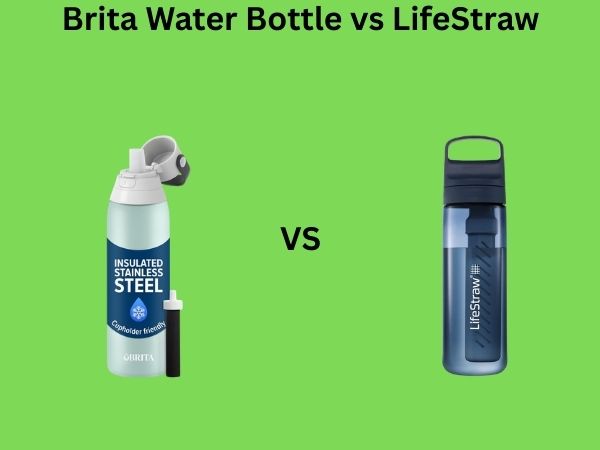
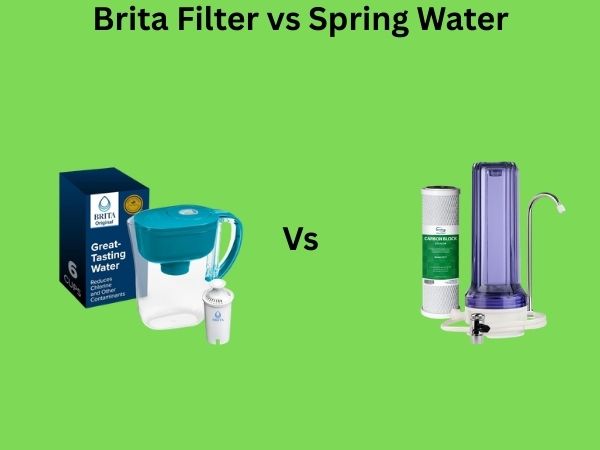
Brita filters, on the other hand, take your regular tap water and run it through activated carbon and ion exchange resin. Think of it like a bouncer at a club—the filter catches the stuff you don’t want and lets the good stuff through. The activated carbon traps chlorine, mercury, and some other contaminants, while the ion exchange resin softens the water by reducing mineral content. It’s a completely different approach from spring water, and the results are noticeably different too.
Cost Comparison: Let’s Talk Numbers
Here’s where things get interesting, and I’m guessing this might be why you’re reading this article in the first place. Money matters, especially when we’re talking about something you consume every single day.
The Real Price of Spring Water
When you buy spring water bottles, you’re not just paying for the water itself. You’re paying for the packaging, transportation, storage, and all the marketing that convinces you it’s the superior choice. A typical case of spring water bottles—let’s say 24 bottles—runs you somewhere between fifteen to twenty dollars, depending on where you shop. That breaks down to about sixty cents to eighty cents per liter.
If you’re drinking a couple of bottles daily, you’re looking at spending somewhere in the ballpark of four hundred to six hundred dollars every year. Now, I don’t know about you, but that’s a decent vacation fund right there.
What Brita Filters Cost You
A Brita pitcher typically costs between twenty-five to thirty-five dollars upfront. Then you’ve got replacement filters to consider. A filter generally lasts two to three months, and a pack of two filters costs around twenty to twenty-five dollars. Let’s do the math: that’s roughly ten dollars per month, or about one hundred twenty dollars per year.
Even if we add the initial pitcher cost, you’re looking at less than two hundred dollars in year one, and only about one hundred twenty in subsequent years. That’s dramatically less than the spring water route. In fact, you could save three hundred to five hundred dollars annually by switching to a Brita filter.
What About Filtered Water Quality and Expense?
Some places offer filtered water dispensers where you refill your own bottles. This middle ground typically costs twenty to thirty cents per gallon, which is cheaper than bottled spring water but slightly more expensive than Brita filters over the long haul. It’s worth investigating in your area if you’re interested in a hybrid approach.
Environmental Impact: The Bigger Picture
Let me be honest—the environmental argument has been weighing heavier on all our minds lately. We should think about what happens to all those water bottles.
Plastic Waste From Spring Water
Billions of plastic water bottles end up in landfills every single year. Even with recycling programs in place, only a fraction of these bottles actually get recycled. The rest sit in landfills for centuries, gradually breaking down into microplastics that contaminate our soil and water systems. It’s a sobering thought, isn’t it? Every bottle you buy contributes to this problem.
Beyond the disposal issue, there’s the manufacturing and transportation carbon footprint. Spring water has to be extracted, packaged, and shipped across the country or even internationally. That requires fuel, vehicles, and energy—all of which add to greenhouse gas emissions.
Brita’s Environmental Footprint
Brita filters do create waste, but significantly less than bottled water. You’re replacing a filter every few months instead of throwing away hundreds of plastic bottles annually. The filter cartridges are smaller and require less energy to manufacture and transport.
That said, Brita isn’t perfect. Those filter cartridges aren’t always recyclable in standard curbside programs, though Brita does have a mail-back program. It’s not ideal, but it’s better than the single-use bottle situation.
Water Conservation Considerations
Here’s something people don’t talk about enough: spring water extraction itself uses resources. Some spring water sources have actually been depleted by over-extraction. When you choose filtered tap water instead, you’re using water that’s already being delivered to your home, so you’re not creating additional demand on natural water sources.
Health and Safety: What Actually Matters
This is probably your biggest concern, and rightfully so. What’s the point of drinking filtered water if it’s not actually better for your health?
Tap Water Safety in the United States
First, let’s establish something: tap water in most of the United States is incredibly safe. The EPA regulates municipal water supplies much more strictly than the FDA regulates bottled spring water. Your tap water is tested regularly and must meet strict safety standards. Chlorine and other chemicals are added specifically to keep your water safe from bacteria and viruses.
Now, that doesn’t mean tap water is perfect. Depending on where you live, it might contain chlorine taste, some minerals, or occasionally trace amounts of contaminants. This is where filters come in.
What Brita Filters Remove
Brita filters are effective at reducing:
- Chlorine and chlorine taste
- Mercury and copper
- Cadmium
- Some pesticides and herbicides
- Sediment and particulates
They’re not designed to remove all contaminants, and they won’t help much with bacteria or viruses because those can pass right through. If you have a compromised immune system or your water quality is questionable, you’d want a more advanced filtration system.
Spring Water Health Claims
Spring water is often marketed as the “natural” and “pure” option. Here’s the thing though—natural doesn’t automatically mean healthier. Spring water does contain minerals like calcium and magnesium, which some people argue is beneficial. Others say your diet provides plenty of these minerals anyway.
The real catch? Spring water quality varies dramatically depending on the source. One brand’s spring water might contain different minerals and contaminants than another’s. There’s no guarantee that bottled spring water is any cleaner than filtered tap water.
Minerals and Your Body
There’s been some discussion about whether drinking water without minerals is bad for you. The evidence suggests that you get most of your necessary minerals from food, not water. Removing some minerals through filtration isn’t going to harm your health. However, some people prefer the taste and mineral content of spring water, and that’s perfectly valid too.
Taste Comparison: Does It Really Matter?
Let’s face it—if water doesn’t taste good, you’re less likely to drink enough of it.
The Chlorine Factor
Many people notice an obvious chlorine taste in tap water straight from the faucet. It’s off-putting, I get it. A Brita filter removes most of this chlorine taste within a few hours, making your water much more palatable. Spring water doesn’t have that chemical taste, which is one reason people prefer it.
Mineral Content and Taste
Spring water often has a subtle taste that some describe as crisp or fresh, thanks to its mineral content. Filtered tap water tends to taste flatter. Some people genuinely prefer one over the other, and this is actually a legitimate reason to choose spring water if taste is your primary concern.
Individual Preferences
Here’s the thing—taste is subjective. Your family members might have different preferences. Some might love filtered tap water, while others insist that spring water tastes better. There’s no objectively correct answer here, so you might want to do a taste test yourself.
Convenience and Practicality
Beyond cost and health, there’s the practical day-to-day stuff that matters in real life.
Brita Filter Convenience
Brita pitchers are incredibly convenient. You fill them up from your tap, stick them in the fridge, and boom—filtered water whenever you want it. There’s no trips to the store, no heavy cases to carry, no running out of water unexpectedly. You just need to remember to replace the filter every couple months.
Some people find the ritual of filling and refilling the pitcher annoying, but honestly, it takes about thirty seconds. For most households, this is a non-issue.
Spring Water Convenience
Spring water bottles are ready to go immediately. No filling, no waiting. You grab a bottle and you’re done. However, if you buy in bulk, you’ve got to store those cases somewhere. For smaller households or apartments, this might be a real limitation.
There’s also the issue of running out unexpectedly. We’ve all been there—you open the fridge and realize you’ve gone through all your bottled water. With a Brita filter, you can always make more in minutes.
Travel and On-the-Go Hydration
If you’re always on the move, spring water bottles might actually make more sense. You can toss them in a bag without worrying about spillage. With a Brita pitcher, you’d need to transfer water to a reusable bottle, which adds an extra step.
Reliability and Maintenance
How much effort is it really going to take to maintain your water filtering system?
Brita Filter Maintenance
Brita filters require minimal maintenance. You replace the filter every two to three months. That’s it. The pitcher itself just needs an occasional rinse. There’s virtually nothing that can go wrong, and if something does break, you can buy a new pitcher for thirty dollars.
Spring Water Reliability
Spring water doesn’t require any maintenance on your end. You buy it, it shows up, you drink it. There’s no risk of forgetting to replace a filter or dealing with water quality issues from your own equipment. In terms of reliability, it’s genuinely foolproof.
Water Quality Testing and Transparency
How do you know what’s actually in your water?
Tap Water Testing
Municipal tap water is tested continuously by water departments. These results are public information—your water utility publishes annual water quality reports. You can actually look up exactly what’s in your tap water. This transparency is actually a huge advantage over spring water.
Spring Water Transparency
Bottled spring water companies aren’t required to publish their testing results as thoroughly. They’ll provide basic information, but you don’t always know what contaminants might be present. The FDA regulation of bottled water is actually less strict than EPA regulation of tap water, which is kind of ironic given the marketing.
Special Situations: When One Choice Makes More Sense
Sometimes your circumstances determine which option is better for you.
If You Have Well Water
If you’re on a well system, a good filter like Brita becomes much more important. Well water isn’t regulated by the EPA, so you’re responsible for testing it. A quality filter can help remove potential contaminants that might be present.
If You Have Hard Water
Hard water—water with high mineral content—can be annoying. Brita filters can help reduce the mineral content, which improves taste and might help with appliances. Spring water also has minerals, so it wouldn’t necessarily help more than filtered tap water in this situation.
If You Live in an Area With Poor Water Quality
Some regions have tap water quality issues. In these cases, you might want a more advanced filter than basic Brita, or you might prefer spring water as an interim solution while you look into better filtration systems.
If You Have a Large Family
With more people drinking water, a Brita filter becomes even more cost-effective. Spring water expenses scale up significantly with family size, making the filter option much more attractive financially.
The Verdict: Making Your Decision
So which should you choose? Honestly, it depends on what matters most to your family.
Choose Spring Water If:
- You prioritize convenience and don’t want to think about maintenance
- You’re willing to pay more for what you perceive as superior taste
- Your household water quality is questionable and you want a safer option immediately
- You travel frequently and want portable water solutions
Choose Brita Filters If:
- Budget is a primary concern for your family
- You want to reduce your environmental impact
- You’re satisfied with your tap water quality but want to improve taste
- You have a large family or drink lots of water
- You live in an area with good municipal water quality
A Hybrid Approach
Here’s something to consider: you don’t have to choose just one. Many families do both. They use a Brita filter at home for daily drinking and cooking, then keep some spring water bottles on hand for travel or backup. This gives you the best of both worlds—cost savings and convenience combined with the security of having backup water available.
Final Thoughts on Your Water Choice
The truth is, both options are safe and viable for most households in developed countries. The “best” choice really comes down to your personal priorities, budget, and circumstances. What works perfectly for one family might not work at all for another, and that’s completely okay.
Take some time to evaluate what matters most to you: cost savings, environmental impact, convenience, taste, or peace of mind? Once you know your priorities, the decision becomes much clearer. And remember, you can always change your mind later if something isn’t working for your family.
Conclusion
When comparing Brita filters versus spring water, there’s genuinely no universal winner. Brita filters offer significant cost savings and environmental benefits, making them ideal for budget-conscious families with decent tap water quality. Spring water provides