Ceramic vs Carbon Water Filter: Differences
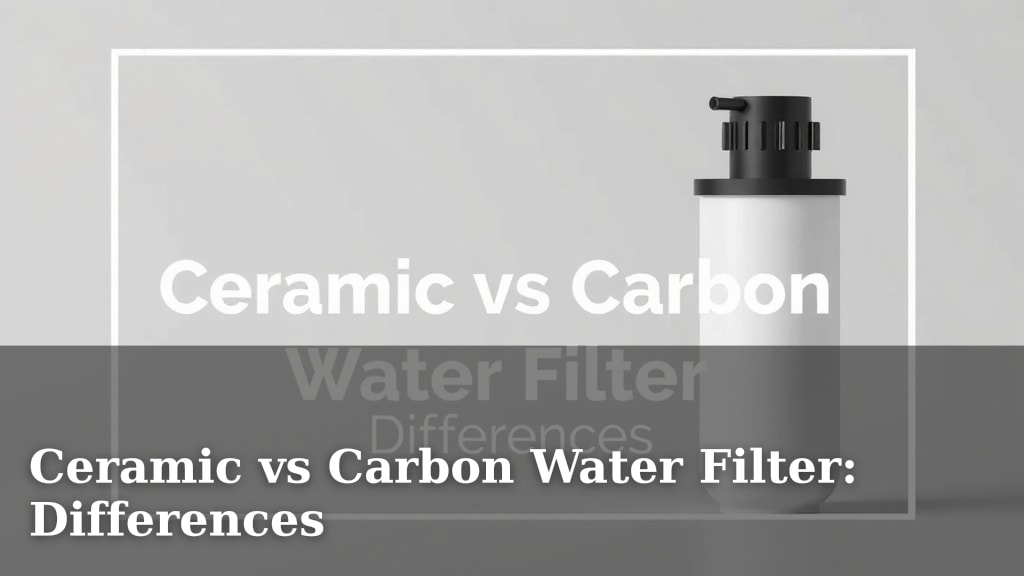
When choosing between a ceramic vs carbon water filter, the main difference lies in what they remove. Ceramic filters excel at trapping larger contaminants like sediment and bacteria. Carbon filters are masters at removing chemicals, improving taste, and reducing odors. Neither is universally “better”; the best choice depends entirely on your water’s specific needs.
Understanding your water quality is key. If you’re worried about visible particles and microorganisms, a ceramic filter might be your first stop. For improving the taste and safety from common dissolved impurities, carbon filters are often preferred. Many filtration systems cleverly combine both technologies to offer a more robust purification process.
- Ceramic filters catch big stuff: sediment, rust, bacteria.
- Carbon filters tackle chemicals, bad tastes, and smells.
- Neither filter type is always superior; it depends on your water.
- Often, systems use both for better overall filtration.
Let’s break down the pros and cons of each to help you decide which filter is the right fit for your home and your water.
“`htmlUnderstanding Your Water Filtration Options: Ceramic vs. Carbon
Choosing the right water filter can feel like a big decision. You want clean, safe water, but the choices can be confusing. Let’s dive into the differences between two popular filter types: ceramic and carbon. We’ll help you understand what each one does best so you can pick the perfect filter for your home.
How Ceramic Filters Work: Like a Mighty Fine Sieve
Think of a ceramic filter like a very, very tiny sieve. It’s made from **diatomaceous earth** or clay, fired at high temperatures. This creates a porous material with microscopic holes. These holes are small enough to physically block larger contaminants from passing through.
What Ceramic Filters Trap
Ceramic filters are champions at removing physical particles. This includes things you can often see, like:
- Sediment: Sand, silt, and dirt that might get into your water supply.
- Rust: Particles from aging pipes.
- Bacteria: Microscopic organisms like E. coli and salmonella.
- Cysts: Parasites such as Giardia and Cryptosporidium.
These filters are excellent for improving the clarity of your water. They act as a physical barrier, preventing these larger impurities from reaching your tap. Many experts recommend them for pre-filtration, especially if your water source is questionable.
The Lifespan and Maintenance of Ceramic Filters
One of the great things about ceramic filters is their longevity. They are often reusable. When the filter surface gets clogged, you can usually scrub it clean with a soft brush or sponge under running water. This process removes the trapped debris, restoring the filter’s flow rate.
However, this cleaning process needs to be done gently. Scrubbing too hard can damage the ceramic surface, reducing its effectiveness. Over time, even with cleaning, the filter pores can become too small or the ceramic may crack. At that point, it’s time for a replacement.
Pros and Cons of Ceramic Filtration
Let’s sum up the good and the not-so-good points for ceramic filters:
- Pros: Great for removing sediment and bacteria, long-lasting, often cleanable and reusable, good for pre-filtration.
- Cons: Slower flow rate, can clog easily if water is very dirty, not effective against dissolved chemicals or heavy metals, requires gentle cleaning.
How Carbon Filters Work: The Chemical Sponge
Carbon filters, often called activated carbon filters, work on a different principle. They use a special type of carbon that has been treated to be extremely porous. This massive internal surface area acts like a sponge, but for chemicals.
The Magic of Adsorption
Carbon filters work through a process called adsorption. This is different from absorption. Instead of soaking things up, impurities stick to the surface of the carbon. The more porous the carbon, the more contaminants it can capture.
What Carbon Filters Trap
Activated carbon is fantastic at removing a wide range of dissolved impurities, especially those that affect the taste and smell of your water. This includes:
- Chlorine: Commonly used for disinfection, but can impart a strong taste and odor.
- Volatile Organic Compounds (VOCs): Chemicals from industrial processes or household products.
- Pesticides and Herbicides: Traces from agricultural runoff.
- Lead and Mercury: Certain types of carbon filters can reduce these heavy metals.
- Bad Tastes and Odors: Essentially, it removes the “stuff” that makes water unpleasant to drink.
Because they target chemicals and smaller particles, carbon filters are key to making your water taste and smell fresh. Many municipalities treat water with chlorine, and a carbon filter is your best friend for removing it.
Types of Carbon Filters
You’ll often see two main types of carbon filters:
Granular Activated Carbon (GAC): This is made of small, irregular pieces of carbon. Water flows through the loose carbon granules. GAC filters are common and effective, but water can sometimes find channels to flow through, reducing contact time.
Carbon Block: This is made by compressing powdered activated carbon into a solid block. Water is forced through this dense block. Carbon block filters offer more consistent contact time and can also act as a finer physical filter, trapping some sediment too.
Pros and Cons of Carbon Filtration
Here’s a quick look at the upsides and downsides of carbon filters:
- Pros: Excellent for improving taste and odor, effective against chlorine and many chemicals, available in various forms (GAC, block), relatively fast flow rate.
- Cons: Doesn’t remove sediment or bacteria, has a limited lifespan and needs regular replacement (not reusable), effectiveness varies based on carbon type and quality.
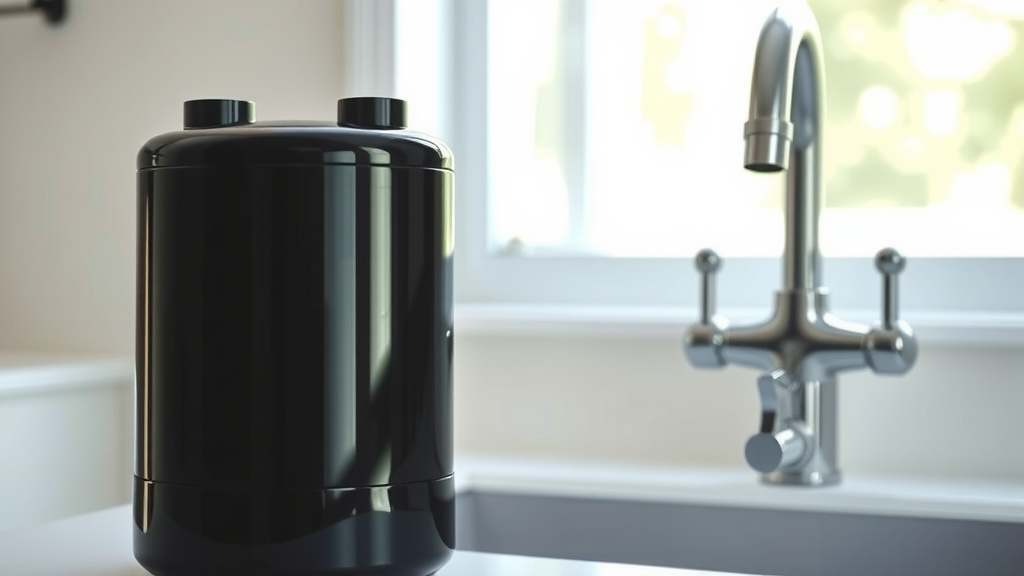
Comparing Ceramic and Carbon Filters Side-by-Side
To make it super clear, let’s put them head-to-head in a simple table. This should help you visualize their strengths:
| Feature | Ceramic Filter | Carbon Filter |
|---|---|---|
| Primary Function | Physical barrier against large particles | Chemical adsorption for taste/odor/chemicals |
| Removes | Sediment, rust, bacteria, cysts | Chlorine, VOCs, pesticides, bad tastes/odors |
| Effectiveness against Bacteria | High | Low (unless specially treated) |
| Effectiveness against Chlorine | None | High |
| Reusability | Yes (cleanable) | No (needs replacement) |
| Flow Rate | Slower | Faster |
| Maintenance | Regular gentle cleaning | Regular replacement |
Which Filter is Right for You? A Quick Checklist
Still wondering which one to choose? Ask yourself these quick questions:
- Is your main concern visible dirt or cloudy water? Go Ceramic.
- Are you bothered by the smell or taste of chlorine? Go Carbon.
- Do you need to remove bacteria or parasites? Ceramic is key.
- Do you want to reduce chemicals like pesticides? Carbon is your friend.
- Is budget and long-term use a priority? Ceramic might win.
- Do you want better tasting drinking water right now? Carbon is the answer.
Often, the best solution is to use both! Many advanced filtration systems combine ceramic and carbon stages. This way, you get the physical filtering power of ceramic followed by the chemical-cleansing abilities of carbon. This dual-action approach provides truly comprehensive water purification.
“`Conclusion
You’ve learned that ceramic and carbon filters offer distinct benefits for your water. Ceramic excels at removing physical particles like sediment and bacteria, making your water clearer and safer from microbes. Carbon filters, on the other hand, are your go-to for improving taste and odor by tackling chemicals like chlorine and VOCs. Neither is a one-size-fits-all solution, but understanding their unique strengths allows you to make an informed choice. For the most complete purification, consider systems that combine both ceramic and carbon stages to address a wider range of contaminants. Start by assessing your water’s specific issues to pick the filter that best meets your needs.
Frequently Asked Questions
Can a ceramic filter remove lead from my water?
Generally, standard ceramic filters are not designed to remove dissolved heavy metals like lead. Their strength lies in trapping larger physical contaminants. You would typically need a filter specifically rated for lead removal, often using activated carbon or specialized media.
How often do I need to replace a carbon filter?
Carbon filters need regular replacement because their adsorption capacity gets used up. Most pitcher and faucet filters recommend replacement every 2-6 months, depending on usage and the specific filter model. Always check the manufacturer’s guidelines for your filter.
Is scrubbing a ceramic filter too hard bad for it?
Yes, scrubbing a ceramic filter too aggressively can damage its porous surface. This can reduce its filtering effectiveness and its lifespan. A gentle cleaning with a soft brush or sponge under running water is usually sufficient to remove debris.
Will a carbon filter remove bacteria?
Most standard carbon filters are not effective at removing bacteria. They are designed to adsorb chemicals and improve taste and odor. If bacteria is a concern, you’ll need a filter with a very fine pore size, like a ceramic filter, or a dedicated bacteriostatic filter.
Can I use a ceramic filter if my water has a bad smell?
A ceramic filter alone likely won’t solve a bad smell issue. Smells are usually caused by dissolved compounds like chlorine or sulfur. For odor problems, you’ll want a carbon filter, which is excellent at adsorbing these volatile substances and making your water smell fresh.