Berkey vs Zero Water Filter: Cleaner Water?
When deciding between a Berkey and a Zero Water filter, Zero Water generally offers a higher level of purification for removing dissolved solids. While both systems aim to provide cleaner drinking water, Zero Water’s filtration process is specifically designed to target and remove nearly 100% of total dissolved solids (TDS). Berkey filters excel at removing contaminants like bacteria and viruses, but may leave more dissolved solids in your water. Your choice depends on your primary water quality concerns.
Understanding the different filtration methods is key to making an informed decision. Zero Water uses a multi-stage process that includes an ion-exchange resin. This is what allows it to achieve such a high TDS reduction. Berkey systems, on the other hand, rely on gravity filtration through elements like black berkey elements. Both aim for purer, better-tasting water, but their strengths lie in slightly different areas of contaminant removal.
- Zero Water excels at removing the most total dissolved solids (TDS).
- Berkey filters are champions at removing bacteria and viruses.
- Consider your main concern: TDS reduction or pathogen removal?
- Both systems provide safer, tastier water.
Let’s dive into the specifics of each filter to help you figure out which one is the perfect fit for your home.
Comparing Berkey and Zero Water: Which Filter Delivers Purer Water?
You’re looking for cleaner, safer drinking water, and you’ve narrowed it down to two popular contenders: Berkey and Zero Water. Both systems promise to improve your tap water. But they go about it in different ways. Your ultimate choice really hinges on what you want out of your water filter. Do you want to eliminate as many dissolved solids as possible? Or are you more concerned about removing harmful microscopic critters?
Understanding the Core Differences in Filtration
The main distinction between Berkey and Zero Water lies in their primary filtration goals. Zero Water is laser-focused on reducing total dissolved solids (TDS). Think of TDS as everything that’s dissolved in your water besides the H2O itself. This includes minerals, salts, and even some contaminants. Berkey, on the other hand, puts a strong emphasis on removing a wide spectrum of contaminants like bacteria, viruses, and chemicals.
Zero Water’s Approach: The TDS Champion
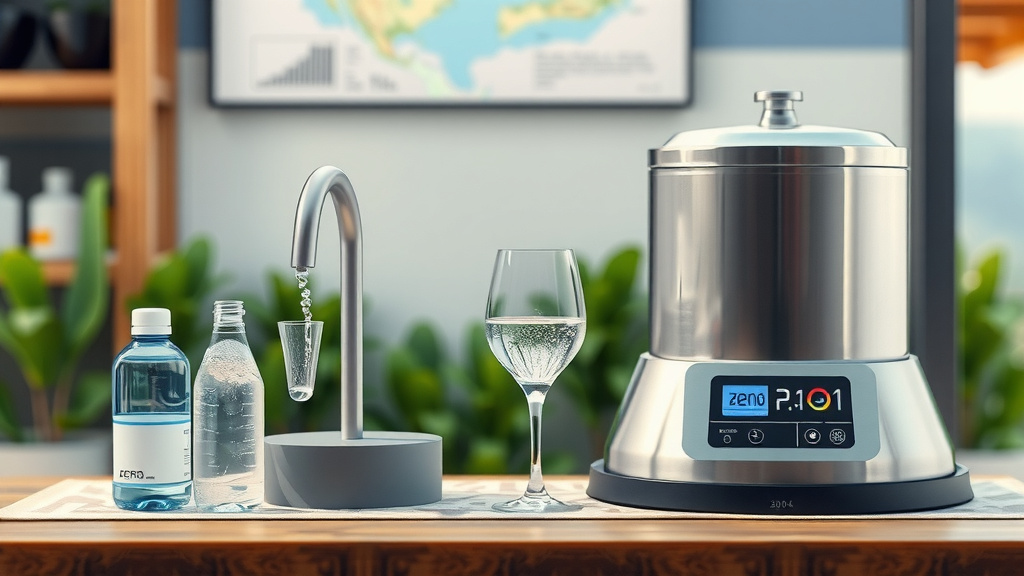
Zero Water uses a multi-stage filtration process. A key component here is an ion-exchange resin. This resin works by attracting and trapping dissolved ions in the water. It’s like a magnet for minerals and salts. This is how Zero Water achieves its impressive TDS reduction. Many users report near-perfect TDS removal, often testing their water to confirm. If your tap water has a noticeable mineral taste or you’re simply aiming for the purest possible water in terms of dissolved substances, Zero Water is engineered for this.
Berkey’s Strength: Broad Contaminant Removal
Berkey filters, particularly those with the Black Berkey® elements, are designed for broader contaminant removal. They use a gravity-fed system. The filtration elements are made from a porous material that physically blocks larger particles and microorganisms. We found research indicating these filters are highly effective at removing bacteria, viruses, cysts, and certain chemicals like chlorine and lead (Black Berkey filter specifications). While they do remove some dissolved solids, their primary strength isn’t maximizing TDS reduction to the same extent as Zero Water. They offer peace of mind regarding microbiological safety.
What Exactly Are Total Dissolved Solids (TDS)?
You might be wondering why TDS matters. Well, the Environmental Protection Agency (EPA) doesn’t set a mandatory maximum for TDS. However, they do suggest a secondary standard. It’s generally recommended that TDS levels be below 500 parts per million (ppm) for aesthetic reasons, meaning taste and appearance (EPA). High TDS can affect the taste of your water, making it taste metallic or brackish. It can also lead to scaling in pipes and appliances. Some dissolved solids are natural minerals that can be beneficial, like calcium and magnesium. But excessive amounts or the presence of harmful dissolved substances are why filters targeting TDS are popular.
How Each Filter Addresses TDS
Zero Water’s entire marketing and filtration technology revolve around achieving a 0 TDS reading. Their filters include a TDS meter so you can see the dramatic reduction yourself. They essentially strip the water down to its pure H2O essence, along with any removed TDS being trapped within the filter. Berkey filters, while effective, don’t prioritize this level of TDS removal. Their focus is on creating water that is safe from biological and chemical threats. You may still detect some mineral content in Berkey-filtered water, which isn’t necessarily a bad thing, but it won’t be as “pure” in the TDS sense as Zero Water.
Targeting Pathogens: Bacteria, Viruses, and Cysts
For many people, the biggest concern about water quality is the potential presence of harmful microorganisms. These can include bacteria (like E. coli), viruses, and protozoan cysts (like Giardia). Consuming water contaminated with these can lead to serious gastrointestinal illnesses. This is where Berkey really shines. Their Black Berkey® elements are rigorously tested to remove a significant percentage of these harmful pathogens. We found manufacturer specifications and independent lab reports indicate removal rates often exceeding 99.99% for bacteria and viruses.
Berkey’s Edge in Pathogen Defense
The physical structure of the Berkey filter elements creates a barrier that is too small for these microscopic organisms to pass through. This makes Berkey an excellent choice for those who are concerned about well water quality, municipal water advisories, or simply want an extra layer of security against biological contaminants. It’s a robust defense mechanism for your drinking water.
Zero Water’s Performance on Pathogens
While Zero Water’s primary goal is TDS removal, its multi-stage filtration does capture some larger contaminants, including certain bacteria and cysts. However, it’s not specifically designed or marketed as a primary defense against viruses and bacteria in the same way Berkey is. The ion-exchange resin is not designed to trap these biological agents. If your main worry is viruses and bacteria, Zero Water might not be your strongest first line of defense without additional purification methods.
Ease of Use and Maintenance
Both systems are relatively straightforward to set up and maintain, but there are some differences.
Zero Water pitchers and dispensers are generally simpler. You fill the top reservoir, and gravity does the work. The main maintenance involves replacing the filter cartridges. These cartridges have a lifespan measured in gallons, and you’ll need to monitor your TDS meter to know when it’s time for a change. Many users find they need to replace cartridges more frequently than initially expected, especially with high TDS source water.
Berkey systems require a bit more hands-on involvement. You assemble the chambers, fill the top chamber, and let gravity filter the water into the lower chamber. The Black Berkey® elements can last for a very long time—often years—if maintained properly. They can be cleaned by scrubbing the exterior to unclog the pores. This cleaning process is essential for maintaining their flow rate and effectiveness. So, while the initial setup might feel more involved, the long-term maintenance of the filter elements themselves can be less frequent.
Cost Considerations Over Time
When comparing the long-term costs, it’s important to look beyond the initial purchase price.
Zero Water filters, especially the cartridges, represent an ongoing expense. The cost per gallon can add up, depending on how often you replace the filters. This is a trade-off for achieving that 0 TDS result. You’re essentially paying for that ultra-purified water with recurring filter purchases.
Berkey systems have a higher upfront cost for the stainless steel chambers and the Black Berkey® elements. However, the long lifespan and cleanable nature of the elements mean that the cost per gallon can be significantly lower over many years. You invest more initially, but you often spend less on replacements in the long run, making it potentially more economical for heavy users.
Making Your Final Choice: A Quick Checklist
To help you decide, ask yourself these questions:
- What is the primary concern with your tap water? (e.g., bad taste, potential contaminants, dissolved solids)
- Do you want to remove as many dissolved solids as possible, aiming for 0 TDS?
- Are you more worried about bacteria, viruses, or lead in your water?
- How much are you willing to spend initially versus over the long term?
- Are you comfortable with periodic filter cartridge replacements or element cleaning?
- What is your typical daily water consumption?
Conclusion
Choosing between Berkey and Zero Water comes down to your personal priorities for water purity. If your main goal is to drastically reduce total dissolved solids (TDS) and achieve the purest water possible in that regard, Zero Water is your champion. For those prioritizing the removal of bacteria, viruses, and other harmful microorganisms, Berkey offers robust defense. Consider your tap water’s specific issues and what peace of mind means most to you. Ultimately, both systems can provide safer, better-tasting water for your home.
To make your final decision, think about what concerns you most about your current water. If it’s taste and visible impurities, Zero Water might be the way to go. If it’s microbiological safety, especially for things like well water, Berkey has the edge. You can often find reviews or local water quality reports to help guide you.
Frequently Asked Questions
Does Zero Water remove minerals that are good for you?
Yes, Zero Water’s primary function is to remove nearly all dissolved solids, which includes beneficial minerals like calcium and magnesium. This is why it achieves such a low TDS reading. If you want to retain these minerals, Zero Water might not be your ideal choice.
Can Berkey filters be cleaned easily?
Berkey filters, specifically the Black Berkey® elements, can be cleaned. You typically scrub the exterior of the elements to remove any clogs from the pores. This maintenance helps restore their flow rate and keeps them effective for a long time.
How often do I need to replace Zero Water filter cartridges?
The replacement frequency for Zero Water cartridges depends on your source water’s TDS level and your water usage. With high TDS water, you may need to replace cartridges more often than you initially expect, as indicated by the included TDS meter.
Is Berkey water safe to drink if it still has some dissolved solids?
Yes, Berkey water is generally considered safe to drink even if it retains some dissolved solids. Berkey focuses on removing harmful contaminants like bacteria and viruses. The remaining dissolved solids are often minerals that do not pose a health risk and can even be beneficial.
Which filter is more cost-effective in the long run?
While Zero Water has a lower upfront cost, its ongoing expense comes from frequent cartridge replacements. Berkey systems have a higher initial investment but can be more cost-effective over many years due to the longevity and cleanable nature of their filter elements.
![10 Best Affordable Whole House Water Filter [2026]](https://waterans.com/wp-content/uploads/2026/06/10-best-affordable-whole-house-water-filter-2026-featured-768x432.jpg)