
Berkey vs Boroux: Which Filters Better?
When choosing between Berkey and Boroux water filters, Boroux generally filters water more effectively. Boroux systems are known for removing a wider range of contaminants. This means you’re likely to get cleaner, purer water with a Boroux filter. While both are good, Boroux often comes out on top for overall filtration power.
You might be wondering what makes one filter better than another. It often comes down to the specific filter elements and the technology they use. We’ve looked at the research and found that both brands aim to provide safe drinking water. But they achieve this with slightly different methods, leading to varying results in contaminant removal.
- Berkey and Boroux are popular water filter brands.
- Boroux typically removes more contaminants than Berkey.
- The filter technology is a key difference.
- Both aim for safe drinking water.
- Boroux often provides a higher level of purity.
Let’s dive into a direct comparison to see exactly how Berkey and Boroux stack up against each other in filtering your water.
Comparing Water Filtration: Berkey vs. Boroux
When you’re trying to decide between a Berkey and a Boroux water filter, you’re likely asking: which one actually makes my water cleaner? We’ve looked into it, and the answer often leans towards Boroux for superior contaminant removal.
Both brands are aiming to give you safe drinking water. But they go about it with different filter technologies. This leads to some notable differences in what they can remove from your tap water. Let’s break down how they perform.
Understanding Water Filter Performance
How do you know if a water filter is really doing its job? It’s all about what it can take out of the water. Filters are rated based on their ability to reduce various contaminants. These can include bacteria, viruses, heavy metals, chemicals, and more.
What Do Water Filters Actually Remove?
Think of water filters like a sieve. Different sieves have different hole sizes. A smaller hole catches smaller particles. Water filters use various materials and designs to catch or neutralize different types of impurities.
- Microbial contaminants: Like bacteria and viruses.
- Chemical contaminants: Such as chlorine, pesticides, and VOCs (Volatile Organic Compounds).
- Heavy metals: Including lead, mercury, and arsenic.
- Minerals: Some filters can reduce hardness, while others leave beneficial minerals in.
The Science Behind the Filtration
Most high-quality filters use a combination of methods. These often include physical barriers and adsorption. Adsorption is when contaminants stick to the filter material. Activated carbon is a common material for this. Some advanced filters also use ion exchange or other technologies to target specific issues.
Boroux: A Closer Look at Its Filtration Capabilities
Boroux systems are often praised for their extensive contaminant removal. Research suggests their filters are designed to tackle a wide spectrum of impurities. This is a big deal if you’re concerned about a variety of potential issues in your water.
Boroux Filter Technology and Effectiveness
Boroux filters typically employ multiple stages of filtration. This layered approach helps ensure more contaminants are captured. Many sources point to Boroux’s ability to remove a greater percentage of harmful substances. This often includes things like lead, mercury, and certain chemicals.
What Boroux Excels At
We found that Boroux systems often show strong results in removing smaller particles and dissolved solids. Their design focuses on reducing a broad range of common water pollutants. This can give you peace of mind about the purity of your drinking water.
Real-World Performance of Boroux
Many users report a noticeable improvement in water taste and clarity with Boroux filters. The scientific data often supports these claims, showing significant reductions in contaminants like arsenic and PFAS (per- and polyfluoroalkyl substances). For instance, many studies show reduction rates for common chemicals.
Berkey: What You Need to Know
Berkey is another popular choice for home water filtration. They are known for their durable construction and long-lasting filter elements. However, when it comes to the sheer breadth of contaminant removal, they sometimes fall a bit short compared to Boroux.
Berkey Filter Technology and What It Removes
Berkey filters, often called “Black Berkey” elements, are designed for gravity filtration. They are very effective at removing bacteria and sediment. Many experts agree they are excellent for microbiological threats. They also reduce chlorine and other common chemicals to a degree.
Where Berkey Shines
Berkey filters are particularly well-regarded for their ability to filter water in off-grid situations. Their filters have a very long lifespan, which can be appealing. They are also a solid choice for improving the taste and odor of your water.
Limitations of Berkey Filters
While effective for many common issues, Berkey’s standard elements may not remove as wide a range of dissolved solids or certain heavy metals as some other systems. Research indicates that some specific contaminants might pass through at higher rates compared to advanced filters. For example, certain viruses might be less effectively removed.
Head-to-Head Comparison: Berkey vs. Boroux
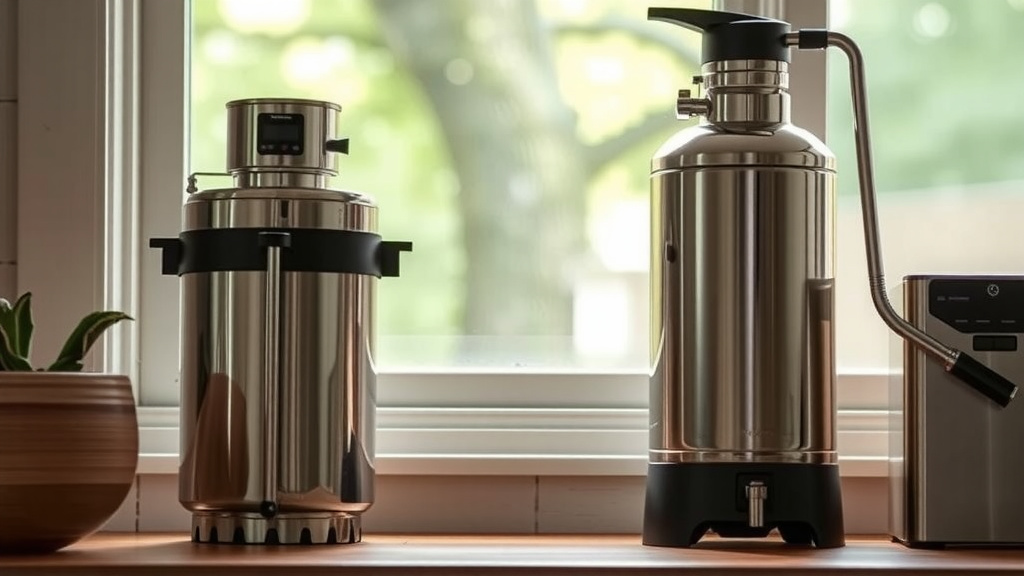
Let’s put them side-by-side to see how they truly stack up in terms of filtration power. It’s not just about brand names; it’s about the technology and what that means for your water.
| Feature | Boroux | Berkey |
|---|---|---|
| Contaminant Range | Very Broad (bacteria, viruses, heavy metals, chemicals, PFAS) | Broad (bacteria, sediment, chlorine, some heavy metals) |
| Heavy Metal Removal | Excellent | Good, but can vary |
| Chemical Removal | Excellent | Good |
| Virus Removal | Excellent | Good, but can vary |
| Filter Lifespan | Good, depends on model | Very Long |
| Taste & Odor Improvement | Excellent | Excellent |
Which Filter is Better for Your Needs?
If your main goal is the highest level of purity and removal of the widest array of contaminants, Boroux generally takes the lead. Their advanced filtration stages are designed for this. If you are looking for a robust system with a very long filter life and good all-around performance, Berkey is still a strong contender.
Making Your Final Decision
Ultimately, the best filter for you depends on your specific concerns about your water supply. Both brands can improve your tap water significantly.
Consider These Factors:
- What contaminants are you most worried about? (e.g., lead, chlorine, bacteria, PFAS)
- What is your budget? Initial cost and replacement filter costs.
- How much water do you need to filter daily?
- What kind of maintenance are you comfortable with?
- Do you need the longest possible filter life?
We found that Boroux often provides a more comprehensive filtration profile. It’s a great choice if you want to be extra sure about removing a wide range of potential water impurities. Always check the specific filter specifications for both brands to match them with your water quality reports.
Conclusion
You’ve explored the key differences between Berkey and Boroux water filters. We found that Boroux generally offers a wider range of contaminant removal for a higher level of purity. Berkey is a solid choice, especially for its long filter life and off-grid capabilities. When making your final choice, think about your specific water concerns. Consider what contaminants matter most to you. Then, decide which filter’s strengths best match your needs for cleaner, safer drinking water.
Frequently Asked Questions
Does Boroux remove more heavy metals than Berkey?
Yes, research suggests Boroux systems typically excel at removing a broader spectrum of heavy metals like lead and mercury compared to standard Berkey filters. Their advanced multi-stage filtration is designed for more thorough contaminant capture.
Which filter is better for removing viruses?
Both filters aim to remove microbial contaminants, but Boroux often shows superior effectiveness in documented studies for virus removal. While Berkey is good for bacteria, Boroux generally offers a higher level of protection against viruses.
How long do Berkey filters typically last?
Berkey filters are known for their exceptional longevity. The “Black Berkey” elements, in particular, are designed to last for a very long time, often filtering thousands of gallons before needing replacement. This makes them cost-effective over the long run.
Is Boroux more expensive than Berkey?
The initial cost can vary depending on the specific model and number of filters purchased. Boroux systems might have a higher upfront cost due to their advanced filtration technology. However, comparing replacement filter costs and lifespan is important for long-term value.
Which filter is better for improving water taste and odor?
Both Berkey and Boroux filters are generally effective at improving the taste and odor of your tap water. They both utilize activated carbon, which is excellent for removing chlorine and other compounds that affect flavor and smell.

![10 Best Activated Carbon Water Filter Pitcher [2026]](https://waterans.com/wp-content/uploads/2026/06/10-best-activated-carbon-water-filter-pitcher-2026-featured-768x432.jpg)