Boroux vs Berkey Water Filter: Right for You?
Choosing between a Boroux vs. Berkey water filter really depends on your specific needs for clean drinking water. The main difference lies in their filtration capacity and footprint; Berkey systems generally offer larger capacities but take up more space, while Boroux filters are more compact, making them great for smaller households or travel. Both effectively remove common contaminants.
When you’re looking to improve your water quality, both brands are solid choices. We found that Berkey is often lauded for its long-term cost-effectiveness due to the filters’ extended lifespan. Boroux, on the other hand, is praised for its simplicity and portability, fitting nicely into tighter spaces or active lifestyles.
- Berkey: Larger capacity, longer-lasting filters, better for families or high usage.
- Boroux: More compact, easier to move, good for singles or limited space.
- Both filters remove bacteria, viruses, and chemicals.
- Consider your water usage and available counter space.
Let’s break down what each filter brings to the table so you can make the best choice for your home.
So, you’re on the hunt for a water filter that will give you peace of mind with every sip. That’s fantastic! We get it; sifting through all the options can feel like a quest in itself. Today, we’re pitting two popular contenders against each other: Boroux and Berkey. Both promise cleaner water, but they approach it a little differently. Let’s dive in and figure out which one fits best into your life.
Comparing Boroux and Berkey for Your Home Water Needs
When you’re deciding between a Boroux and a Berkey, it really boils down to a few key differences. Think about how much water you use, how much counter space you have, and how often you want to replace the filters. We’ve looked at what makes each unique.
Filtration Technology: How They Clean Your Water
Both Boroux and Berkey use gravity-fed filtration systems. This means water slowly drips through a filter element. It’s a tried-and-true method. The main difference is in the filter material and the number of stages involved. Berkey systems often feature multiple filter elements, sometimes including specialized ones for fluoride or arsenic. Boroux typically uses fewer, but still effective, filter elements. We found that both are generally good at removing common contaminants like bacteria, viruses, and chemicals.
What They Remove
Most Berkey and Boroux filters are designed to tackle a wide range of impurities. You can expect them to reduce:
- Bacteria and Viruses: Think E. coli and Salmonella.
- Heavy Metals: Lead and mercury are often targeted.
- Chemicals: Chlorine, VOCs, and pesticides are common targets.
- Sediment: Cloudiness from dirt and rust can be cleared.
It’s always wise to check the specific filter specifications for the model you’re considering. Some may offer more specialized removal capabilities than others. We discovered that for everyday contaminants, both brands perform admirably.
Size and Capacity: Space vs. Volume
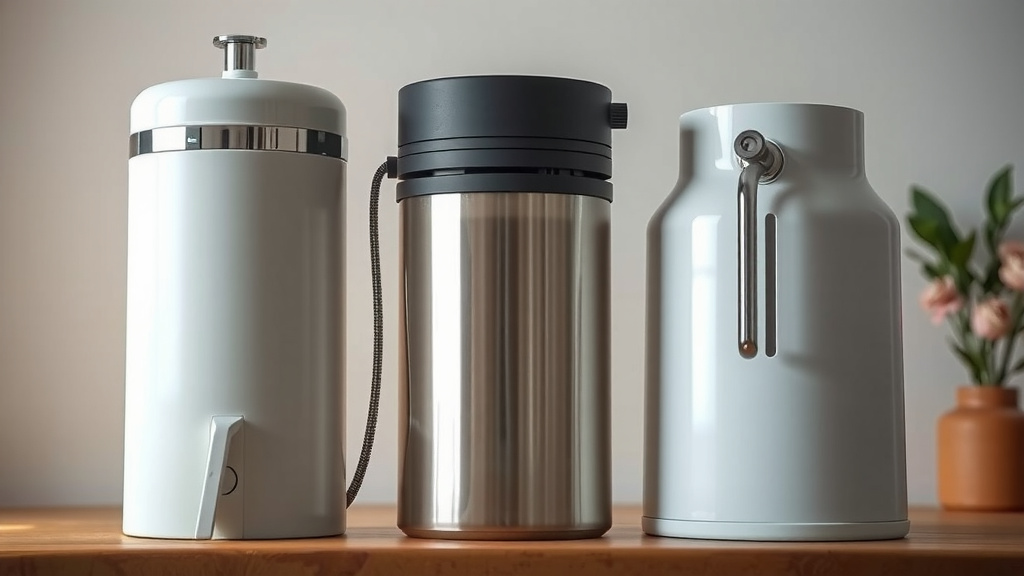
This is where you’ll see a big difference. Berkey systems are known for their larger size. They often come with two or more stacked chambers, making them quite tall. This means they can filter a lot of water at once, which is great for larger families or if you drink a lot of water throughout the day. Think of it like having a water butler always at the ready.
Boroux filters, on the other hand, are generally more compact. They might have a single chamber or a smaller stacked design. This makes them ideal for smaller kitchens, apartments, or for people who don’t need massive amounts of filtered water constantly. They’re less of a statement piece and more of a practical appliance. We found that if counter space is tight, Boroux is often the easier choice to fit in.
Footprint Comparison
A typical Berkey system might stand over 20 inches tall and hold several gallons. A Boroux system could be under 15 inches and hold a gallon or two. This difference in physical size is a major factor for many people. Imagine trying to fit a large pot under your sink versus a smaller pitcher – it’s that kind of difference.
Filter Lifespan and Maintenance: Long-Term Costs
When we talk about long-term costs, the lifespan of the filters is key. Berkey filters are renowned for lasting a very long time. Some of their main Black Berkey elements can last for thousands of gallons, often rated for 3,000 to 6,000 gallons. This means you might only replace them every few years, depending on your water usage. This is a big plus for budget-conscious users.
Boroux filters, while effective, tend to have a shorter lifespan. They might need replacement every 500 to 1,000 gallons. This means you’ll likely be buying new filters more frequently than with a Berkey. We found that while the initial cost of Boroux might be lower, the ongoing cost of replacement filters can add up faster. It’s a trade-off between upfront price and long-term filter expenses.
Cleaning and Priming
Both filter types require some initial setup. Berkey filters often need to be “primed” before first use, which involves a bit of preparation. Cleaning is usually straightforward for both; you’ll typically need to scrub the chambers and sometimes the filter elements themselves. Following the manufacturer’s instructions is essential for optimal performance and filter longevity.
Portability and Ease of Use: On the Go or At Home
If you travel frequently, go camping, or simply want a filter you can easily move around your home, Boroux often shines. Their more compact design makes them simpler to transport. They’re less likely to be a hassle to pack or set up in a new location. We’ve heard from many users who appreciate this flexibility.
Berkey systems, due to their size and weight when full, are less portable. They are generally designed to be a more permanent fixture on your countertop. Moving a Berkey can be a bit of a production, especially if it’s full of water. So, if your lifestyle involves frequent moves or outdoor adventures, this is a significant consideration.
Which One is Your Perfect Match? A Quick Checklist
To help you decide, let’s recap what we’ve discussed. Ask yourself these questions:
- Do you have limited counter space?
- Are you often on the go or need a portable option?
- Is a lower initial purchase price more important than long-term filter costs?
- Do you need to filter very large volumes of water regularly?
- How often are you willing to replace filters?
Thinking through these points should point you in the right direction. Many experts suggest that for daily home use with average needs, both can work well, but the specifics of your situation will dictate the winner.
| Feature | Boroux | Berkey |
|---|---|---|
| Size | Compact, smaller footprint | Larger, taller units |
| Capacity | Lower volume per cycle | Higher volume per cycle |
| Filter Lifespan | Shorter (hundreds to ~1000 gallons) | Longer (thousands of gallons) |
| Portability | Easier to move, good for travel | Less portable, best for stationary use |
| Maintenance | More frequent filter replacements | Less frequent filter replacements |
| Initial Cost | Often lower | Often higher |
We found that for singles or couples in smaller living spaces, a Boroux might be the simpler, more convenient choice. For larger households or those who want to “set it and forget it” for longer periods, the Berkey’s capacity and filter life could be a better fit. It’s all about finding that perfect balance for your unique needs and lifestyle.
Conclusion
You’ve now seen how Boroux and Berkey water filters stack up. Remember, the best choice really depends on your lifestyle. If you need a compact filter for a smaller space or for travel, Boroux is likely your winner. Its ease of use and smaller footprint make it incredibly practical. For larger families or those who prioritize fewer filter changes and higher volume, Berkey stands out with its long-lasting elements. We’ve found that by considering your water needs and available space, you can confidently pick the filter that will provide you with cleaner water for years to come. Now, take a moment to picture your kitchen and your daily water habits – that will likely point you toward your perfect match.
Frequently Asked Questions
Can I use Boroux filters with a Berkey system, or vice versa?
Generally, no. Boroux and Berkey use proprietary filter designs and threading. You should always use the specific filters designed for your chosen brand. Mixing filter types could lead to leaks or ineffective filtration, so stick to what the manufacturer recommends for optimal performance.
How often should I clean my Boroux or Berkey filter system?
We found that regular cleaning is key for both systems. Aim to clean your Berkey or Boroux chambers about once a month, or whenever you notice sediment buildup. Some users also recommend lightly scrubbing the filter elements periodically according to the manufacturer’s instructions to maintain flow rate and filter efficiency.
Are Boroux or Berkey filters effective against emerging contaminants like PFAS?
While both systems are excellent at removing many common contaminants, effectiveness against newer, emerging contaminants like PFAS can vary. Berkey often offers specialized filter elements that might target a broader range of substances. Always check the detailed specifications for the specific filter model you are considering to understand its removal capabilities for specific contaminants.
Is the initial cost of a Berkey system worth it for the long run?
For many, yes. Although Berkey systems often have a higher upfront cost, their exceptionally long-lasting filters mean you’ll buy replacements much less frequently. This can make them more cost-effective over several years compared to systems requiring more frequent filter changes, like some Boroux models.
Which filter is better if I have very hard water?
Both Boroux and Berkey filters can help reduce minerals that contribute to hard water, though they aren’t water softeners. We found that their effectiveness can depend on the specific filter elements used. If hard water is a major concern for you, research models that specifically mention reducing scale or improving taste related to mineral content.

![10 Best Ten Water Filter Cartridge [2026]](https://waterans.com/wp-content/uploads/2026/06/10-best-ten-water-filter-cartridge-2026-featured-768x432.jpg)

![10 Best Affordable Whole House Water Filter [2026]](https://waterans.com/wp-content/uploads/2026/06/10-best-affordable-whole-house-water-filter-2026-featured-768x432.jpg)