AquaTru vs Sans Water Filter: A Complete Countertop System Comparison Guide
When you’re standing in your kitchen thinking about water quality, you probably wonder if the tap water flowing from your faucet is truly safe for your family. That’s where countertop water filtration systems come into play, and two names that keep popping up are AquaTru and Sans. But which one should you actually bring home? Let me walk you through everything you need to know to make an informed decision.
Understanding the Need for Countertop Water Filtration
Before diving into the specifics of these two systems, let’s talk about why you might need a water filter in the first place. Your municipal water supply goes through treatment processes, but that doesn’t mean it’s perfect by the time it reaches your home. Chlorine, sediment, heavy metals, and various chemicals can still find their way into your drinking water. A quality countertop filter acts like a bouncer at a club, letting the good stuff through while keeping the unwanted particles out.
What is AquaTru and How Does It Work?
AquaTru is a countertop reverse osmosis system that’s been gaining serious attention in the water filtration market. Think of it as the high-tech option that takes water purification seriously. Unlike some other systems, AquaTru uses a three-stage reverse osmosis process combined with additional filtration layers to ensure your water is as pure as possible.
The Three-Stage Filtration Process
AquaTru’s approach involves three main stages. First, there’s the pre-filter that catches larger particles like sediment and chlorine taste. Then comes the reverse osmosis membrane, which is where the real magic happens. This membrane has tiny pores that allow water molecules to pass through while blocking virtually everything else, including dissolved solids and contaminants. Finally, there’s a post-filter stage that polishes the water and improves its taste.
AquaTru’s Key Features
- Removes up to 99 percent of contaminants
- No plumbing installation required
- Compact countertop design
- Produces both purified and regular water
- Digital indicator for filter life
- Built-in water quality monitor
What is Sans Water Filter and How Does It Work?
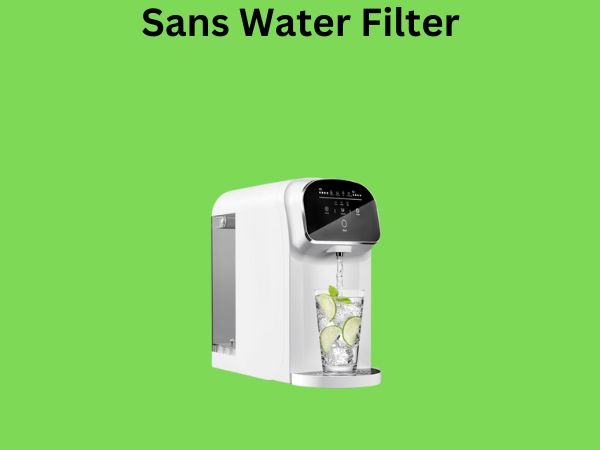
Sans presents itself as a more modern, sleek alternative to traditional water filtration. It’s designed with aesthetics in mind, looking almost like a minimalist kitchen appliance rather than a bulky filter system. Sans uses a different approach than AquaTru, relying on advanced absorption and ion exchange technology.
The Dual-Filter Technology
Sans employs a unique dual-filter system that combines activated carbon and ion exchange resins. The activated carbon tackles chlorine, odors, and some organic compounds, while the ion exchange process removes minerals like calcium and magnesium. This combination creates water that’s both clean and balanced in terms of mineral content.
Sans Water Filter’s Notable Features
- Sleek, minimalist design
- Easy filter replacement system
- Faster water production than reverse osmosis
- No waste water generation
- Lower operating costs
- Suitable for various water types
Filtration Technology Comparison: AquaTru Versus Sans
Here’s where things get interesting. The fundamental difference between these two systems comes down to their filtration philosophy. AquaTru is all about achieving the highest possible purity level, while Sans focuses on creating clean, great-tasting water with a more balanced approach.
Reverse Osmosis vs. Carbon Filtration
AquaTru’s reverse osmosis technology is more aggressive in removing contaminants. It creates water that’s essentially pure, which some people prefer and others find overly demineralized. Sans, on the other hand, maintains some minerals in your water, which many argue is healthier since our bodies do need certain minerals.
Contaminant Removal Rates
If we’re talking pure removal percentages, AquaTru typically wins. It removes more types of contaminants and removes them more thoroughly. However, Sans does an excellent job removing the most common contaminants you’d encounter in regular tap water, including chlorine, lead, and pesticides. For most households, Sans provides sufficient purification without going to extremes.
Water Waste Considerations
One significant difference is water waste. Reverse osmosis systems like AquaTru produce wastewater during the filtration process. The ratio can be somewhere around three to one, meaning for every gallon of pure water produced, you might lose two to three gallons as waste. Sans generates virtually no waste water, making it more environmentally friendly in this regard.
Installation and Setup Ease
Both systems are designed to sit on your countertop without requiring professional installation, which is fantastic. But how easy are they actually to set up?
AquaTru Installation Process
Setting up an AquaTru system is straightforward. You unpack it, fill the top chamber with tap water, and the system handles the rest. There’s no plumbing required, which means no holes to drill or complex water line connections. Within minutes, you’re ready to enjoy filtered water. The system does need access to a drain or a way to dispose of wastewater, though some people cleverly use this water for plants.
Sans Installation Process
Sans is equally simple to set up, if not simpler. You fill the top reservoir, and the water gradually filters down through the dual-filter system. There’s no electricity needed, no complicated calibration, and no special drainage setup required. It’s about as plug-and-play as water filters get.
Maintenance Requirements and Costs
Owning a water filter is like owning a car—you need to maintain it to keep it running smoothly and safely. Let’s examine what ongoing maintenance looks like for each system.
AquaTru Maintenance Schedule
AquaTru filters need replacing periodically. The pre-filter typically lasts several months, while the reverse osmosis membrane can last much longer, often two to three years depending on your water quality. The system has a helpful digital indicator that tells you when filters need replacement, removing the guesswork. Costs for replacement filters run around two hundred to three hundred dollars annually, depending on usage and water quality.
Sans Maintenance Schedule
Sans filters are designed to be replaced every few months, making the maintenance more frequent but potentially more cost-effective. Each filter replacement is simpler and less expensive than AquaTru’s replacements. You’re looking at significantly lower annual maintenance costs with Sans, probably in the hundred to one hundred and fifty dollar range.
Long-Term Cost Analysis
While AquaTru has a higher upfront cost for replacement filters, you’re changing them less frequently. Sans has lower replacement costs but requires more frequent changes. Over five years, the costs often end up being comparable, though this depends on your specific water conditions and consumption patterns.
Water Quality and Testing Results
What’s the actual quality of water these systems produce? That’s the question that really matters.
AquaTru Water Quality Metrics
AquaTru produces water with exceptionally low total dissolved solids, typically achieving readings below ten parts per million. The system removes approximately ninety-nine percent of most contaminants. This level of purity is comparable to distilled water, which makes it excellent for people concerned about maximum safety but potentially makes it too pure for some applications.
Sans Water Quality Metrics
Sans produces water that’s clean and fresh-tasting while maintaining some mineral content. Total dissolved solids typically remain in a moderate range, meaning you’re getting mineralized water rather than essentially pure water. For most contaminants like chlorine, lead, and common chemicals, Sans removal rates exceed ninety percent, which is solid performance.
Taste Test Comparisons
Here’s where personal preference becomes crucial. Many people find water from reverse osmosis systems slightly flat or lacking character. Sans water tends to have a more natural taste because it retains some minerals. If you prefer the taste of traditional bottled water, Sans might win in a blind taste test. If you prefer the cleanest possible water, AquaTru takes the prize.
Design and Aesthetics
Let’s be honest—you’re going to see this system every day on your kitchen counter, so aesthetics matter.
AquaTru’s Appearance
AquaTru looks functional and industrial, which isn’t necessarily bad. It has a white or black color option, a compact footprint, and clear water chambers so you can see your filtered water being produced. It’s clearly a water filter system at first glance, which some people appreciate for its honesty and others find less elegant.
Sans’s Appearance
Sans is designed to look like a stylish countertop appliance. It has a sleek, minimalist design with clean lines and an elegant finish. If you’re the type who cares about kitchen aesthetics and wants appliances that look intentionally designed rather than purely functional, Sans might appeal more to you. It’s the kind of system that makes you feel like you’re upgrading your kitchen’s look, not just its water quality.
Price Comparison: Initial Investment and Value
Money matters, so let’s talk actual numbers.
AquaTru Pricing
AquaTru systems typically cost between two hundred and fifty to four hundred dollars depending on the model and any current promotions. This is a significant upfront investment, but you’re paying for advanced reverse osmosis technology and the promise of maximum purification.
Sans Pricing
Sans systems generally fall in the one hundred and fifty to three hundred dollar range, making them more accessible for budget-conscious buyers. The lower entry price combined with lower replacement filter costs makes Sans more economical overall for many households.
Value Proposition
Is AquaTru worth the extra expense? That depends on your water quality concerns, health priorities, and budget. If you have contaminated water or serious health concerns, the extra investment might be justified. If you’re looking for a good balance of quality and affordability, Sans offers better value for most users.
Warranty and Customer Support
When something costs this much money, you want to know you’re protected if something goes wrong.
AquaTru Warranty
AquaTru typically offers a one-year limited warranty that covers manufacturing defects. The company also has established customer support channels with reasonable response times. Their warranty doesn’t cover normal wear and tear or filter replacement costs, which is standard in the industry.
Sans Warranty
Sans offers similar warranty coverage, typically covering the unit itself for one year from the purchase date. Customer support is readily available, and many users report positive experiences getting questions answered quickly. The simpler design of Sans actually means fewer things can go wrong, which is its own form of protection.
Real-World Performance Analysis
Let’s move beyond specifications and talk about how these systems actually perform in real homes.
AquaTru in Everyday Use
People who use AquaTru report being impressed by the water purity and the lack of chlorine taste. The main complaint tends to be the wait time—reverse osmosis systems produce water slowly, sometimes taking several minutes to fill a glass. For households with high water consumption, this can be inconvenient. Additionally, the need to find a drain solution bothers some users.
Sans in Everyday Use
Sans users appreciate the fast water production and the improved taste without significant wait times. The main advantage people notice is convenience—it’s simple, requires minimal setup, and produces water quickly. Some users in areas with very contaminated water wish for more aggressive filtration, but in most cases, people are quite satisfied with the results.
Environmental Impact and Sustainability
If you care about the environment, this consideration might influence your decision.
AquaTru’s Environmental Footprint
The main environmental concern with AquaTru is water waste. Depending on your water quality, you might use three to four gallons of water to produce one gallon of filtered water. This seems wasteful until you consider that you’re avoiding buying bottled water, which has its own significant environmental impact. Over time, AquaTru likely reduces your overall environmental footprint compared to bottled water consumption, but it does waste water during the filtration process.
Sans’s Environmental Footprint
Sans produces no waste water, making it more environmentally friendly in that respect. The filter cartridges are replaceable, which means less overall plastic waste than constantly buying bottled water. If environmental impact is your primary concern, Sans is the greener choice.
Which System Should You Choose?
So here’s the real question—which one is right for you? The answer depends on what matters most to you.
Choose AquaTru If You:
- Have serious water quality concerns or contamination issues
- Want the absolute highest level of water purity
- Don’t mind spending more for maximum safety assurance
- Can arrange for a drainage solution easily
- Have lower daily water consumption needs
- Prefer scientific certifications and heavy-duty filtration
Choose Sans If You:
- Want a more affordable water filtration solution
- Prefer faster water production and easier convenience
- Care about environmental sustainability and zero waste water
- Want a system that looks elegant in your kitchen
- Prefer maintaining minerals in your drinking water
- Value simplicity and minimal setup requirements
Conclusion
The battle between AquaTru and Sans isn’t really about which system is objectively better—it’s about which one aligns better with your specific needs, values, and lifestyle. AquaTru represents the ultimate water purification solution with its reverse osmosis technology, making it ideal for people facing significant water quality challenges or who prioritize absolute purity above all else. The system delivers exceptional results, though at a higher cost and with some convenience trade-offs regarding speed and water waste.
Sans, on the other hand, represents a thoughtful middle ground that appeals to most households. It provides excellent water filtration that removes common contaminants effectively, maintains a more natural taste with mineral retention, costs less upfront and to maintain, produces zero waste water, an