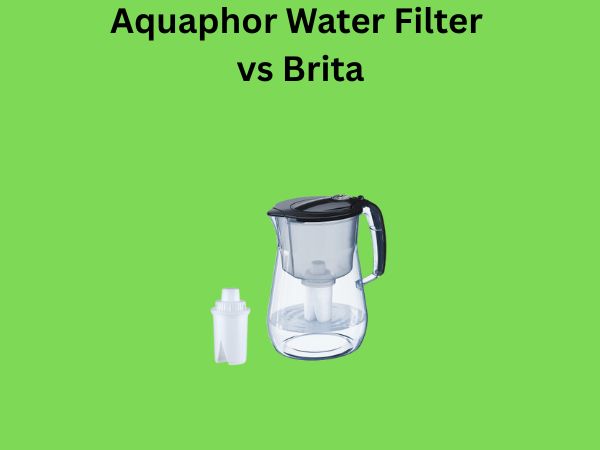
Aquaphor Water Filter vs Brita: Taste & Filtration Compared
When you’re standing in the grocery store aisle staring at water filter options, it feels like you’re choosing between two equally mysterious black boxes, doesn’t it? Both Aquaphor and Brita have been household names for years, but which one actually delivers cleaner, better-tasting water? I’ve spent considerable time researching and comparing these two brands, and I’m here to break down everything you need to know to make an informed decision.
The truth is, choosing between Aquaphor and Brita isn’t as straightforward as flipping a coin. Both companies have their strengths and weaknesses, and what works perfectly for your neighbor might not be ideal for your specific situation. Let me walk you through the details so you can figure out which filter makes the most sense for your household.
Understanding Water Filtration: The Basics Before We Compare
Before we dive into the specifics of each brand, let’s talk about what water filtration actually does. Think of a water filter as a bouncer at an exclusive club—it’s checking what’s allowed through and what gets stopped at the door. Most residential water filters focus on removing or reducing chlorine, sediment, heavy metals, and other contaminants that affect taste and odor.
Here’s the thing though: no filter is perfect. Different filters target different contaminants, and some work better in certain situations than others. That’s why understanding what each brand does well matters so much.
The Filtration Technology Landscape
Modern water filters typically use activated carbon, ion exchange resins, or a combination of both. Activated carbon works like a sponge with tiny pores, trapping particles and chemicals. Ion exchange resins swap harmful minerals for less harmful ones. Both technologies have been proven effective, but they work in different ways and have different limitations.
Aquaphor Water Filters: What Makes Them Unique
Aquaphor is a Russian company that’s been in the water filtration business since 1992. They’ve built a reputation for producing robust, high-capacity filters that are particularly popular in Europe. But how do they stack up for American households?
Aquaphor’s Filtration Technology Explained
Aquaphor uses a combination of activated carbon and ion exchange technology in their filters. What sets them apart is their focus on removing heavy metals like lead and copper, along with chlorine and sediment. Their filters are known for having impressive filtration capacity—meaning you can filter more water before needing a replacement compared to many competitors.
The company uses what they call a “dual-stage” filtration system in many of their products. The first stage deals with larger particles and sediment, while the second stage targets dissolved chemicals and odors. It’s like having two security checkpoints instead of one, which theoretically should catch more problems.
Filter Lifespan and Cost-Effectiveness
One of Aquaphor’s biggest selling points is longevity. Their filters typically last longer than Brita filters—we’re talking about filtering more gallons of water before you need to replace them. If you use your filter heavily, this extended lifespan could mean fewer replacements and less hassle throughout the year.
Aquaphor Product Range and Options
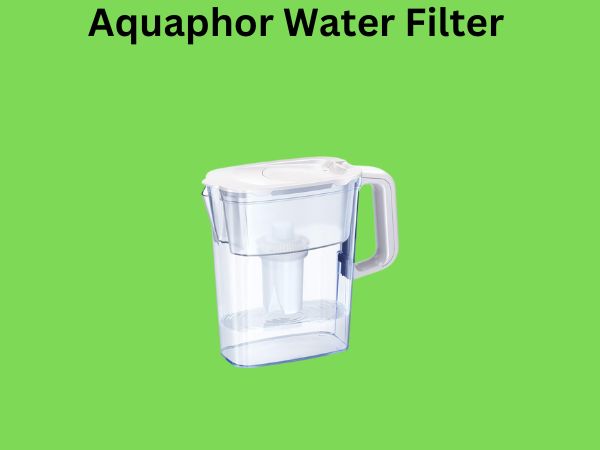
Aquaphor offers several filtration styles including pitcher filters, faucet-mounted systems, and under-sink options. They’ve expanded their product line significantly over the years, recognizing that different households have different needs and preferences.
- Pitcher-style filters for everyday use
- Faucet-mounted filters for convenient tap filtration
- Under-sink systems for more comprehensive filtering
- Countertop systems for those who want a dedicated filter station
Taste and Odor Removal Performance
Users consistently report that Aquaphor filters do an excellent job removing chlorine taste and odor. If your tap water tastes heavily of chemicals, you’ll likely notice a significant improvement. However, some users note that the improvement plateaus after the first few weeks of use, which is actually normal for activated carbon filters.
Brita Water Filters: The Household Standard
Brita has been around since 1966 and is arguably the most recognized water filter brand in North America. Their dominance in the pitcher filter market is undeniable, but does recognition translate to superior performance?
Brita’s Filtration Approach
Brita primarily relies on activated carbon and ion exchange resins, similar to Aquaphor, but they’ve refined their approach over decades. Their filters are designed with the average American household in mind, focusing on removing chlorine, sediment, and some heavy metals. They also reduce zinc, copper, and mercury from tap water.
What makes Brita interesting is their SmartFilter technology in some models, which tells you when the filter needs replacing. Imagine having a little reminder system built right into your pitcher—it removes the guesswork about whether you’re still getting filtered water or just running tap water through an exhausted filter.
Widespread Availability and Accessibility
If you’ve ever walked into any drugstore or supermarket, you’ve probably seen Brita products. This availability is both a practical advantage and a testament to their market dominance. Finding replacement filters for Brita is usually as simple as walking down the household goods aisle.
Brita’s Filter Lifespan Reality Check
Here’s where things get interesting. Brita filters typically need replacing every 40 gallons of water filtered, which translates to roughly two months for an average household. For some people, this frequent replacement schedule seems annoying and wasteful. For others who prefer the peace of mind of knowing their filter is fresh, it’s exactly what they want.
Environmental Considerations
If you’re environmentally conscious, this is worth thinking about. More frequent filter replacements mean more plastic waste. However, Brita has launched recycling programs for their used filters, which does offset some of the environmental impact if you actually participate in these programs.
Brita’s Product Variety
Much like Aquaphor, Brita offers several filtration solutions beyond their famous pitchers:
- Standard pitcher filters (the classic blue and white design)
- Premium pitcher filters with enhanced capacity
- Faucet-mounted systems
- Bottle filtration systems for on-the-go use
- Under-sink systems
Head-to-Head Comparison: The Key Differences
Filtration Capacity: Which Lasts Longer?
This is perhaps the most concrete difference between these brands. Aquaphor filters are engineered to handle more gallons of water before needing replacement. A typical Aquaphor pitcher filter handles roughly 250 gallons, while a Brita filter handles around 40 gallons. That’s a massive difference—roughly six times the capacity. For heavy users, Aquaphor is the clear winner in terms of replacement frequency and convenience.
Cost per Gallon Analysis
Now here’s where it gets tricky. Sure, Aquaphor filters last longer, but do they cost proportionally less? Let’s do some math. Aquaphor filter replacement packs are typically more expensive upfront than Brita replacements. However, when you calculate the cost per gallon filtered, Aquaphor often comes out ahead, especially if you’re filtering water regularly.
Think of it this way: paying more for a filter that lasts six times longer might mean spending less overall, even though the sticker price seems higher. It’s like buying in bulk—higher upfront cost, lower per-unit expense.
Contaminant Removal Effectiveness
Both brands remove chlorine effectively. Both reduce common heavy metals. The differences are subtle but real. Aquaphor tends to have slightly better reduction rates for certain contaminants like lead, particularly in their under-sink models. Brita focuses on delivering consistent, reliable performance across their entire product line.
For most households with municipal water supplies, both brands deliver noticeable improvements in taste and clarity. The difference between them is often like comparing a B+ to an A- student—both are performing well, but there’s a slight edge in different areas.
Taste Improvement Comparison
Here’s where personal preference comes into play. Users report that both filters improve water taste significantly. The question is whether you prefer the taste of Aquaphor-filtered or Brita-filtered water. Some people swear Aquaphor delivers noticeably fresher-tasting water. Others can’t tell the difference and prefer Brita’s convenience factor.
This is genuinely one of those situations where you might need to try both to see which one’s flavor profile you prefer. It’s subjective, and your taste buds might surprise you.
Practical Considerations for Your Household
Installation Difficulty and Setup
Pitcher filters are equally easy for both brands—just assemble, rinse, fill with tap water, and go. Faucet-mounted systems require slightly more effort but are still manageable for most people. Under-sink systems require actual plumbing work or professional installation, which is a consideration for both brands but worth mentioning upfront.
Maintenance and Cleaning
Maintaining a water filter pitcher is straightforward with either brand. You rinse them periodically, let them dry, and keep them clean. Aquaphor pitchers require the same basic care as Brita pitchers. Neither brand is harder to maintain than the other in terms of day-to-day use.
Water Flow Rate and Waiting Time
Have you ever noticed how some pitchers seem to filter faster than others? Flow rate matters more than you might think, especially if you’re impatient or have a large household. Brita filters typically have a faster flow rate than Aquaphor filters, which means less waiting time between pouring and drinking. If you’re the type who gets frustrated waiting, this could be a deciding factor.
Specific Situations: Which Filter Wins Where?
High-Usage Households
If you’re filtering water constantly—multiple pitchers a day or a large family constantly refilling—Aquaphor’s extended filter lifespan makes economic sense. You’ll go through fewer filters and spend less time managing replacements.
Budget-Conscious Consumers
Initial Brita pitcher purchases are often cheaper. If you’re looking to get started with a water filter on a tight budget, Brita’s lower entry cost might be the deciding factor. However, don’t forget to factor in replacement costs over a year.
Convenience-Focused Users
If you prefer knowing your filter is always fresh and you don’t mind the replacement frequency, Brita’s approach might suit you better. Their wider availability also means you’re never far from a replacement filter.
Quality-Over-Convenience Advocates
If you prioritize maximum contaminant removal and longer-lasting filters, Aquaphor aligns better with your values. You’re willing to replace filters less frequently in exchange for potentially superior filtration.
Real-World Performance: What Users Actually Report
After reviewing countless user reports and testimonials, several patterns emerge. Aquaphor users consistently praise the long filter lifespan and robust build quality. They note that filters seem to maintain performance longer than advertised. Brita users appreciate the convenience, widespread availability, and the consistent, reliable performance they’ve come to expect.
Interestingly, very few users report being disappointed with either brand. The complaints that do surface are usually about replacement costs or specific product defects rather than fundamental filtration failure. This suggests that both companies have figured out how to deliver functional water filtration at reasonable prices.
Environmental Impact: A Growing Consideration
Let’s talk about the elephant in the room: plastic waste. Every filter eventually ends up in a landfill. Brita’s more frequent replacements mean more plastic waste from a pure volume standpoint. Aquaphor’s longer-lasting filters mean fewer replacements and less waste generation.
However, Brita’s recycling program does matter. If you participate in their take-back program, you’re reducing waste. Aquaphor doesn’t have as comprehensive a recycling initiative, though individual retailers might offer their own programs.
For environmentally conscious consumers, this might tip the scales toward Aquaphor, assuming you factor in the overall waste from replacement frequency.
Making Your Final Decision
Questions to Ask Yourself
Before you make your purchase, consider these questions:
- How much filtered water does your household use daily?
- Is budget or longevity more important to you?
- Do you prioritize convenience and widespread availability?
- How important is environmental impact in your decision?
- What specific contaminants concern you most in your tap water?
- Are you willing to invest in under-sink systems, or do you prefer pitcher filters?
The Honest Verdict
There’s no universally “best” choice between Aquaphor and Brita because different households have different needs. Aquaphor wins on longevity and cost-per-gallon performance. Brita wins on availability, convenience, and initial affordability. Both effectively improve tap water taste and reduce common contaminants.
If I had to summarize: Choose Aquaphor if you want maximum value over time and don’t mind the slightly longer wait for filtered water. Choose Brita if you prioritize convenience, frequent fresh filters, and ease of replacement.
Conclusion
Comparing Aquaphor and Brita water filters reveals two fundamentally sound approaches to home water filtration with different philosophies. Aquaphor emphasizes durability, extended lifespan, and cost-effectiveness over time. Brita prioritizes convenience, availability, and the peace of mind that comes with frequently fresh filters.
Your choice ultimately depends on your household’s specific needs, budget considerations, and values. Neither brand will let you down—they’ll both deliver noticeably better-tasting, cleaner-smelling water compared to unfiltered tap. The question is which approach aligns better with your lifestyle and priorities.
Take time to consider your water usage patterns, local water quality, budget constraints, and environmental concerns. Once you’ve honestly assessed these factors, you’ll find that one of these brands likely makes more sense for your particular situation. And remember, you can always start with one and switch later if your needs change.
Frequently Asked Questions
How often should I replace my Aquaphor filter compared to my Brita filter?
Aquaphor filters typically last about six times longer than Brita filters. While Brita filters need replacement every 40 gallons (roughly two months for average use), Aquaphor filters handle around 250 gallons before replacement becomes necessary. This translates to Aquaphor filters lasting approximately 10-12 months for typical households, compared to Brita’s 2-3 months. The exact timeline depends on your household’s water consumption and tap water quality.
Are Aquaphor filters more expensive than Brita filters overall?
While individual Aquaphor filter replacements cost more upfront than Brita filters, the cost per gallon filtered is often lower for Aquaphor due to their extended lifespan. If you do the math on a yearly basis, Aquaphor frequently comes out ahead financially, especially for heavy-usage households. However, if your household uses minimal filtered water, Brita might be more economical since you