Aquagear Water Filter Pitcher vs ZeroWater: Which Is Better?
When you’re standing in front of your kitchen sink looking at cloudy tap water, you start wondering: is there a better way? I’ve been there too. The choice between Aquagear and ZeroWater water filter pitchers can feel overwhelming, especially when you’re trying to figure out which one actually delivers on its promises. Let me walk you through this comparison so you can make an informed decision that fits your lifestyle and budget.
Understanding the Water Quality Crisis in Modern Homes
Before we dive into the specifics, let’s talk about why water filtration matters. Your tap water contains more than just H2O. We’re talking about chlorine, lead, fluoride, bacteria, and various chemicals that municipalities are supposed to remove but don’t always do perfectly. The EPA sets standards, sure, but that doesn’t mean the water coming out of your tap is pristine. It’s like saying a speed limit exists—that doesn’t mean everyone follows it.
Water filter pitchers have become increasingly popular because they’re affordable, require no installation, and take up minimal space. Two brands have really dominated this space: Aquagear and ZeroWater. But which one is worth your money?
What Makes Aquagear Water Filter Pitcher Stand Out
Aquagear has carved out a reputation as an eco-conscious water filter pitcher brand. Their philosophy centers on reducing plastic waste while providing clean drinking water. Let me break down what makes them interesting.
The Design and Build Quality of Aquagear
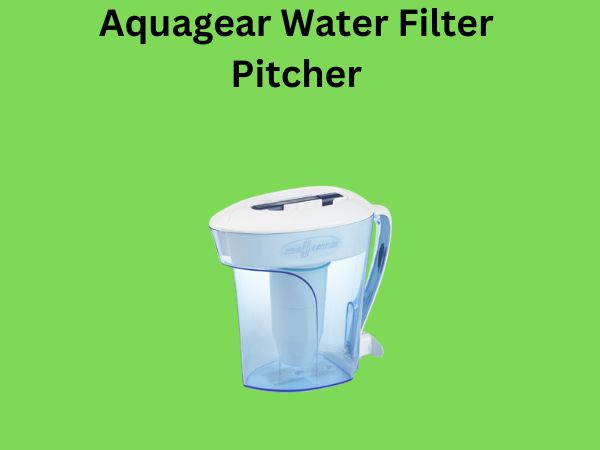
The Aquagear pitcher comes with a sleek, modern design that doesn’t look like your grandmother’s water filter. The build is sturdy, and honestly, it looks good sitting on your counter. It holds about 8 cups of water, which is decent for a household of two to three people. The filter cartridge sits inside, and the pitcher has a simple pour-and-refill mechanism that anyone can use.
What impressed me most was the stainless steel spout. It’s not plastic—it’s actual metal. This matters because it reduces the risk of leaching plastic particles into your water. Some competitors use all plastic components, which can degrade over time and release microplastics into your drinking water. Aquagear clearly thought about this.
Filtration Technology in Aquagear
Aquagear’s filter uses a multi-stage filtration process. Here’s what happens inside:
- Activated carbon removes chlorine, taste, and odor
- Ion exchange resin reduces heavy metals like lead and copper
- A fine mesh screen captures sediment and particles
- Additional carbon layers target specific contaminants
The filter is supposed to work for about 150 gallons of water, which translates to roughly three to four months of use for an average family. That’s a reasonable timeline, and the replacement filters are moderately priced.
Cost Effectiveness of Aquagear
The initial pitcher cost runs around 30 to 35 dollars, which is competitive. Replacement filters cost about 8 to 10 dollars each. Over a year, you’re spending roughly 35 to 45 dollars total for filtered water. That’s significantly cheaper than buying bottled water.
What Sets ZeroWater Apart From the Competition
ZeroWater takes a different approach entirely. Their marketing claim is bold: they remove virtually all dissolved solids from your water. Not just some, but pretty much everything.
The ZeroWater Pitcher Design
ZeroWater pitchers come in various sizes, but the most common model holds about 10 cups of water. The design is functional rather than trendy. It’s mostly plastic construction, which keeps the cost down but doesn’t feel as premium as Aquagear. The pitcher is clear, so you can see your water levels easily.
One feature ZeroWater includes is a water quality meter. This digital gadget measures total dissolved solids (TDS) in your water. It’s actually pretty cool—you can test your tap water before filtering and then test again after. Seeing the numbers drop from 200 or 300 down to near zero is satisfying, even if it’s just a gimmick.
The Revolutionary 5-Stage Filtration System
This is where ZeroWater really differentiates itself. Their five-stage process is aggressive:
- Stage 1: Non-woven sediment filter
- Stage 2: Activated carbon and oxidation reduction alloy
- Stage 3: Carbon block for organic contaminants
- Stage 4: Heavily compressed carbon
- Stage 5: Ion exchange resin for comprehensive mineral removal
The promise is simple: zero dissolved solids. They even have certified test results showing that their filters reduce TDS levels to nearly zero parts per million (PPM). If your tap water is 200 PPM, ZeroWater claims it can bring it down to 0-2 PPM.
Performance Reality Check
Here’s the thing though: achieving near-zero TDS means the filter is working incredibly hard. That extra work comes with a tradeoff—filter lifespan. ZeroWater filters typically last about 25 to 40 gallons, depending on your starting water quality. In a household with heavily mineralized water, you might replace filters monthly. That’s frequent and expensive.
Head-to-Head Comparison: Filter Lifespan and Replacement Costs
Let’s talk about what actually matters to your wallet over time.
Aquagear’s Long-Lasting Filter Advantage
Aquagear filters last significantly longer. You’re looking at 150 gallons per filter, which means fewer replacements and less frequent trips to the store or waiting for shipments. If you use about 40 gallons per month, that’s almost four months between replacements. The filters cost 8 to 10 dollars, so your annual filter expense is roughly 30 to 40 dollars.
ZeroWater’s Expensive Filter Replacement Cycle
ZeroWater filters cost 25 to 30 dollars each and last 25 to 40 gallons. If your water is harder or more contaminated, you’re on the lower end of that range. With four replacements per year, you’re spending 100 to 120 dollars just on filters. Add the initial pitcher cost, and you’re looking at a significantly higher investment.
Real-World Cost Analysis Over Three Years
Let’s do the math. Over three years:
- Aquagear: 35 dollars pitcher plus approximately 105 dollars in filters equals 140 dollars
- ZeroWater: 30 dollars pitcher plus approximately 360 dollars in filters equals 390 dollars
That’s almost 250 dollars in difference. That money could buy you about 500 bottles of quality bottled water, or a really nice water cooler with delivery service.
Comparing Filtration Effectiveness: What Actually Gets Removed
Now, the real question: does ZeroWater’s aggressive approach actually give you cleaner water?
Chlorine and Chemical Removal
Both pitchers effectively remove chlorine and improve taste and odor. If your main complaint about tap water is that it tastes like a swimming pool, both solutions work equally well. You’ll notice the difference immediately.
Heavy Metal Reduction
Aquagear removes lead, copper, and other heavy metals through ion exchange technology. ZeroWater does the same but more aggressively. If you’re concerned about lead—especially if you have older plumbing—both pitchers will significantly reduce it. ZeroWater probably does it slightly better, but Aquagear meets EPA standards.
The Minerals Debate
Here’s where things get interesting. ZeroWater removes minerals like calcium and magnesium, leaving you with demineralized water. Some people argue that drinking water completely devoid of minerals isn’t ideal because your body needs some minerals from food and water. Aquagear keeps some beneficial minerals intact, which some health experts prefer.
Dissolved Solids and Overall Purity
ZeroWater wins on the dissolved solids front. If you measure water with a TDS meter, ZeroWater dramatically outperforms Aquagear. But here’s the question: do you need water that pure for drinking? Most health organizations say no. As long as the water is safe to drink, you’re good.
Environmental Impact: The Eco-Conscious Choice
Aquagear markets itself as the environmentally friendly option, and there’s merit to that claim.
Packaging and Materials
Aquagear uses recycled plastic and focuses on reducing waste. They encourage customers to recycle filters and offer information on how to do so responsibly. The stainless steel spout means less plastic contact with water, and the overall manufacturing footprint is considered.
ZeroWater’s Sustainability Concerns
ZeroWater’s frequent filter replacements mean more waste. You’re throwing away cartridges every month or two compared to every three or four months with Aquagear. Over time, that adds up to significant landfill contribution. They do have a recycling program, but it requires you to ship filters back, which many people don’t do.
Ease of Use and Maintenance
Aquagear’s Simplicity
Using Aquagear is straightforward. Fill the top chamber, wait for water to filter through, and pour. Maintenance is minimal. You don’t need to do anything special. Filters twist in and out easily.
ZeroWater’s Additional Steps
ZeroWater requires you to use that TDS meter to check water quality and know when to replace filters. Some people enjoy monitoring their water quality, while others find it tedious. It’s an extra step that Aquagear doesn’t require.
Aesthetic Appeal: What Looks Better on Your Counter
This might seem superficial, but you’re going to look at this pitcher multiple times daily. Aquagear has a sleek, modern aesthetic with the stainless steel accents. It looks like something from a contemporary kitchen design. ZeroWater is more utilitarian and doesn’t stand out visually. If appearance matters to you, Aquagear wins this round.
Water Filtration Speed: How Long Do You Wait
Aquagear filters water at a reasonable pace. You won’t be waiting forever to refill your glass. ZeroWater is actually faster because the initial pitcher system allows for quicker pouring, though waiting for filtered water does take a moment.
Neither pitcher is dramatically slow, so this isn’t a major differentiator. You’re looking at a few minutes of filtering time in both cases.
Durability and Warranty Coverage
Aquagear’s Reliability
Aquagear pitchers are built solidly and come with a one-year warranty. The stainless steel spout doesn’t corrode, and the overall construction holds up well over time. Most users report their pitchers lasting several years without problems.
ZeroWater’s Longevity
ZeroWater pitchers are sturdy plastic, and they last reasonably well. They also offer a one-year warranty. The main issue is that filter replacement becomes your recurring problem, not pitcher durability.
Which Pitcher Should You Choose: The Decision Framework
The answer depends on your specific situation. Let me give you a decision tree.
Choose Aquagear If You
- Want an affordable long-term solution
- Care about environmental impact and waste reduction
- Have reasonably clean tap water that mainly needs chlorine removal
- Prefer simplicity and minimal maintenance
- Want a pitcher that looks good on your counter
- Are on a budget and need to minimize ongoing costs
Choose ZeroWater If You
- Have heavily mineralized or contaminated tap water
- Want the absolute purest water possible
- Enjoy monitoring water quality with the TDS meter
- Don’t mind frequent filter replacements
- Have the budget for higher ongoing costs
- Prioritize water purity over cost and environmental impact
Real User Experiences and Reviews
I’ve looked at hundreds of user reviews for both products. Here’s what actual customers are saying.
What Aquagear Users Love
People rave about the long filter life and cost savings. They appreciate the taste improvement and find the pitcher attractive. Many mention that they switched from bottled water and saved hundreds of dollars. The environmental angle resonates with conscious consumers.
What ZeroWater Users Appreciate
Customers who love ZeroWater are obsessed with the purity. The TDS meter becomes like a fun toy that confirms the water is clean. People with specific health concerns about water quality strongly prefer the aggressive filtration. Those without budget constraints find the peace of mind worth the cost.
Common Complaints
Aquagear users occasionally mention slower filtering speed, though most accept this. ZeroWater users constantly complain about filter costs and replacement frequency. That’s the biggest criticism—people get frustrated buying new filters so often.
Conclusion
After examining both pitchers from every angle, I can tell you this: there’s no objectively “better” pitcher. There’s only the better pitcher for your situation.
If you’re looking for value, environmental responsibility, and simplicity, Aquagear is your answer. You’ll save money over time, waste less, and still get clean, great-tasting water. It’s the sensible choice for most households.
If you have a specific water quality concern, live in an area with very hard water, or simply demand the absolute highest purity regardless of cost, ZeroWater delivers on that promise. You’ll have impressively clean water, and the TDS meter gives you concrete evidence of performance.
The real winner here is that both options beat drinking chlorinated tap water or spending a fortune on bottled water. You’re already making a smart choice by considering either one. Just pick the one that aligns with your priorities, budget, and values. That’s what matters most.
Frequently Asked Questions
How often should I replace the Aquagear filter cartridge?
Aquagear filters are rated for approximately 150 gallons of water, which typically translates to three to four months of regular use for an average household. If you have a larger family or use significantly more water daily, you might need replacements more frequently. The pitcher will show signs of slower filtration when the filter needs changing, giving you a clear indicator. It’s a good idea to mark your calendar when you install a new filter so you don’t forget to replace it.