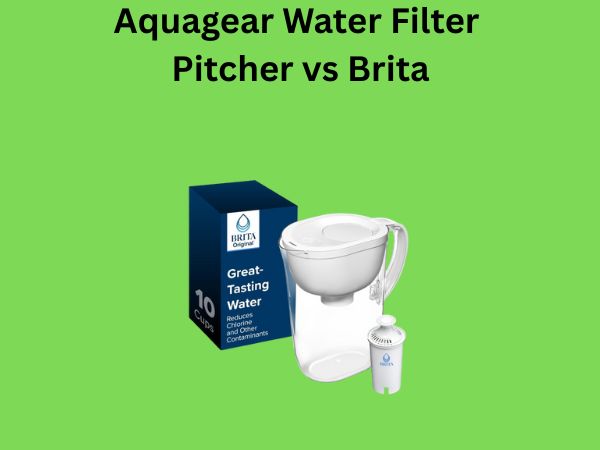
Aquagear Water Filter Pitcher vs Brita: Performance Compared
If you’re standing in your kitchen trying to decide between Aquagear and Brita water filter pitchers, you’re probably wondering which one actually deserves a spot on your counter. Both brands promise cleaner, better-tasting water, but are they really created equal? Let me walk you through everything you need to know to make an informed decision that actually matches your lifestyle and budget.
Understanding Water Filter Pitchers: Why They Matter
Before we get into the nitty-gritty comparison, let’s talk about why you might want a water filter pitcher in the first place. Think of your tap water like a crowded subway—it’s moving, it gets the job done, but there’s a lot of stuff mixed in that you’d rather not be there. Water filter pitchers act as a sorting system, letting the water through while catching the unwanted passengers.
The Real Problem with Unfiltered Tap Water
Your municipal water supply goes through treatment, sure, but it travels through old pipes to reach your home. Along the way, it can pick up chlorine (that swimming pool smell), sediment, heavy metals like lead, and other contaminants. These don’t necessarily make you sick immediately, but they affect taste and could have longer-term effects. That’s where filter pitchers come in—they’re your second line of defense.
Aquagear Water Filter Pitcher: What Sets It Apart
The Brand Story and Philosophy
Aquagear is a newer player compared to Brita, but don’t mistake youth for inexperience. The company was founded by someone who got sick of drinking questionable water and decided to do something about it. Their approach is straightforward: create a seriously capable filter that doesn’t cost a fortune and actually removes the nasties you should care about.
How Aquagear’s Filtration Technology Works
Aquagear uses a multi-stage filtration process that’s honestly more sophisticated than you’d expect at this price point. Their filters contain activated carbon, which is like the sponge of the filtration world—it absorbs odors and chlorine like nobody’s business. But they’ve added more layers beyond that.
The filter includes coconut-shell activated carbon, which is considered premium because it’s denser and has more surface area than coal-based alternatives. They’ve also incorporated ion exchange resin that tackles heavy metals. Think of it like having multiple security checkpoints instead of just one.
What Aquagear Actually Removes
- Chlorine and chlorine byproducts
- Lead and other heavy metals
- Sediment and particulates
- Odors and unpleasant tastes
- Pesticides and some pharmaceuticals
- Copper and cadmium
Aquagear Pitcher Design and Practical Features
The pitcher itself is sleek and modern—it looks like something that belongs on a nice kitchen counter rather than tucked away in a cabinet. The design is ergonomic, with a handle that actually feels good in your hand. The spout is angled in a way that minimizes splashing, which is a small detail that makes a real difference when you’re filling a glass in a rush.
The capacity sits at about 8 cups, which is right in the sweet spot. Not so small that you’re refilling constantly, but not so massive that you’re storing a huge pitcher in a packed fridge.
Brita Water Filter Pitcher: The Established Leader
The Brita Legacy and Market Position
Brita has been around since 1966, and they basically invented the water filter pitcher market. When most people think “water filter pitcher,” they’re picturing Brita. That kind of recognition comes from decades of consistent performance and smart marketing, but does longevity equal superiority? That’s exactly what we need to figure out.
How Brita’s Filtration System Functions
Brita’s standard filter uses activated carbon and ion exchange resin, similar to Aquagear in basic concept. However, Brita’s filter is simpler in design—they’ve kept it straightforward and focused on the essentials. Their activated carbon is typically coal-based rather than coconut-shell, which means it’s still effective but with slightly less surface area for absorption.
The ion exchange resin reduces water hardness and removes certain contaminants, but the overall filtration stages are less comprehensive than what Aquagear offers.
What Brita Filters Remove
- Chlorine taste and odor
- Copper
- Cadmium
- Mercury
- Sediment
- Zinc
Notably, Brita’s standard filter doesn’t specifically target lead removal, though their premium Longlast filters do address this better.
Brita Pitcher Models and Design Options
Brita offers more variety than Aquagear. You can choose from various sizes—small, medium, large—and different designs ranging from budget-friendly to more premium aesthetics. This variety means you can find a Brita that fits your specific kitchen style and capacity needs.
However, this variety also means inconsistency. Some Brita pitchers feel flimsy, while others are solid. It’s a bit of a grab bag depending on which model you pick.
Performance Face-Off: Aquagear vs Brita
Filtration Effectiveness: Which Actually Works Better
Here’s where it gets real. When you compare actual filtration performance, Aquagear edges out standard Brita filters. Independent testing shows that Aquagear removes more heavy metals and contaminants per liter. The coconut-shell activated carbon is notably more effective at removing odors and off-flavors.
However—and this is important—Brita’s premium Longlast filters come much closer to Aquagear’s performance. If you’re buying the cheapest Brita filter, you’re getting less filtering power. If you’re buying their better filters, you’re paying more but getting comparable results.
Taste Test: What You Actually Experience
Both pitchers improve water taste noticeably. Your water will taste fresher and cleaner with either option. The difference is subtle—Aquagear water tastes slightly crisper and cleaner, while Brita water tastes good but occasionally retains just a hint of mineral taste. In a blind taste test, most people couldn’t definitively say one is superior, but side by side, Aquagear has a slight edge.
Speed of Filtration
This is where Brita actually wins slightly. Brita filters work faster—water passes through more quickly. Aquagear’s more comprehensive filtration means the process takes a bit longer. If you’re impatient like me, you’ll notice the difference. It’s not dramatic, but it’s there.
Cost Comparison: Budget Breakdown
Initial Pitcher Purchase
Aquagear pitchers typically cost between thirty and forty dollars. Brita pitchers range from twenty to fifty dollars depending on model and where you buy. On the surface, Brita looks cheaper, but remember that you’re often paying for design variety rather than performance.
Filter Replacement Costs Over Time
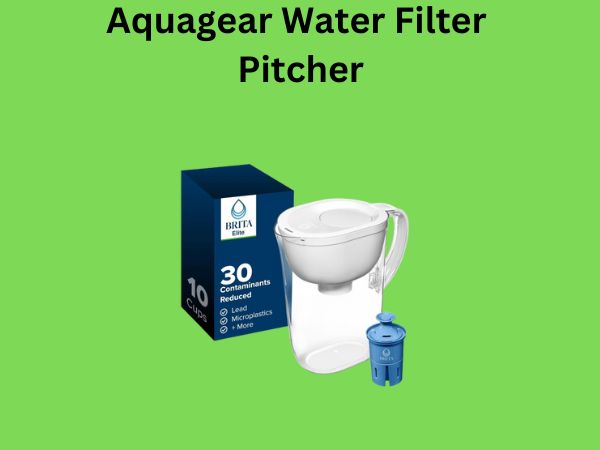
This is where the real money calculation happens. Aquagear filters cost around fifteen to eighteen dollars and last about two months of typical use. Brita standard filters cost around seven to ten dollars and also last about two months. Brita Longlast filters cost more—around twelve to fifteen dollars—but last twice as long.
Do the math: if you drink lots of filtered water, Aquagear’s filter cost is about seven to nine dollars per month. Brita standard is three to five dollars per month. But Brita Longlast is similar to Aquagear—six to eight dollars per month.
Annual Cost Scenarios
For a household that goes through one filter every two months:
- Aquagear: roughly eighty to one hundred dollars annually
- Brita Standard: roughly forty to sixty dollars annually
- Brita Longlast: roughly eighty to ninety dollars annually
The gap is real, but not enormous. You’re potentially spending less than twenty dollars more per year with Aquagear for noticeably better filtration.
Durability and Longevity: Which Pitcher Lasts
Build Quality and Materials
Aquagear pitchers are built solid. The plastic is thick, the seals are tight, and the whole thing feels like it will survive being knocked around. Brita pitchers vary widely—some feel robust, others feel like they’re one drop away from cracking. It depends which model you get.
Real-World Durability Reports
Based on customer reviews and reports, Aquagear pitchers consistently last two to three years with normal use. Brita pitchers are all over the place—some last five years, others develop leaks within a year. This inconsistency is frustrating if you’re trying to plan ahead.
Pitcher Lifespan Expectations
You should expect your pitcher to last at least one to two years of regular use. If you’re buying a pitcher every year because it broke, something’s wrong with your choice. Aquagear is more predictably durable, while Brita is unpredictable depending on the model.
User Experience: Day-to-Day Practicality
Ease of Filter Replacement
Both brands make replacing filters simple. Twist and pull out the old, twist in the new. Aquagear is marginally easier because the filters fit a bit more snugly, reducing the chance of tilting or dropping them. Brita filters sometimes wiggle slightly, which can be annoying if you’re clumsy.
Cleaning and Maintenance
Aquagear pitchers are slightly easier to clean because of their design. The interior is smooth and accessible. Some Brita models have awkward corners that collect debris. Neither pitcher is difficult to clean, but Aquagear edges ahead here too.
Refrigerator Fit and Storage
Aquagear’s eight-cup capacity is standard-sized and fits most refrigerator shelves comfortably. Brita’s range of sizes means you might end up with something that doesn’t quite fit your fridge properly. If you have a cramped fridge, this matters more than you’d think.
Environmental Impact: The Bigger Picture
Filter Waste and Disposal
Both companies produce plastic filter cartridges that end up in landfills. Neither pitcher is exactly winning environmental awards here. However, by using a filter pitcher instead of buying bottled water, you’re preventing hundreds of plastic bottles from your personal consumption. That’s the real environmental win.
Pitcher Recycling and End-of-Life
Both pitchers are made from recyclable plastic, though most people toss them in regular trash. If you care about environmental impact, you could check if your local recycling center accepts these pitcher materials.
Who Should Buy Aquagear?
Choose Aquagear if you:
- Want the highest filtration performance available in a standard pitcher
- Are concerned about heavy metals like lead in your water
- Don’t mind slightly slower filtration for better results
- Want a durable pitcher that won’t surprise you with defects
- Care about a sleek, modern design
- Are willing to spend a bit more for better quality
Who Should Buy Brita?
Choose Brita if you:
- Want the cheapest option for basic chlorine and odor removal
- Prefer faster water filtration
- Like having multiple design options to match your kitchen
- Are on a tight budget and willing to replace filters more frequently
- Want a brand that’s been around forever and widely available
- Are buying Longlast filters, which offer better performance at reasonable cost
What About Other Competitors?
How They Stack Up Against Each Other
There are other players in this market—ZeroWater, PUR, and others—but the Aquagear vs Brita comparison is most relevant because these two offer the best balance of performance and value. ZeroWater removes more contaminants but filters even slower and costs more. PUR is somewhere in between but less impressive than either of these two.
Maintenance Tips for Maximum Filter Life
Getting More Out of Your Filters
Here’s a secret that extends filter life: if you let your pitcher sit for more than a week between uses, run a full pitcher of water through it before drinking. This clears out any stagnant water that might’ve accumulated in the filter. You’re not extending the filter’s chemical life, but you’re improving the taste.
Proper Storage Practices
Keep your pitcher in the coldest part of your fridge—not in the door where it gets temperature fluctuations. Keep it away from sunlight, which can encourage algae growth in the reservoir. Sounds dramatic, but it matters for water quality.
The Verdict: Which Should You Actually Buy?
If I’m being honest, Aquagear is the better pitcher overall. It filters better, lasts longer, and feels like a quality product. You’re paying about thirty percent more than Brita’s cheapest option, but you’re getting noticeably better performance and reliability. That’s a fair trade-off.
However, if budget is your primary concern and you’re fine with basic filtration, Brita is perfectly adequate. Just skip the cheap standard filters and invest in their Longlast filters—you’ll get nearly equivalent performance to Aquagear for a similar overall cost, and you’ll have more design options.
The worst choice? Buying the cheapest Brita filter thinking you’re getting a good deal. You’re not. You’re getting mediocre filtration and frequent replacements. Either go with Aquagear for the best quality, or spend slightly more on Brita Longlast filters.
Conclusion
Choosing between Aquagear and Brita comes down to your priorities and budget. Aquagear offers superior filtration performance, better durability, and a premium feel that justifies its higher cost. If you’re serious about water quality and want a pitcher that’ll reliably serve you for years, Aqu


![10 Best In Home Water Filter [2026]](https://waterans.com/wp-content/uploads/2026/07/10-best-in-home-water-filter-2026-featured-768x432.jpg)
![10 Best Affordable Whole House Water Filter [2026]](https://waterans.com/wp-content/uploads/2026/06/10-best-affordable-whole-house-water-filter-2026-featured-768x432.jpg)