AquaCrest Water Filter vs PUR: Which One Should You Buy?
When it comes to keeping your family’s drinking water clean and safe, choosing the right water filter can feel like navigating a minefield. You’ve probably heard about AquaCrest and PUR—two names that pop up constantly when you’re shopping for water filtration solutions. But here’s the thing: just because both brands are popular doesn’t mean they’re right for your specific situation. In this comprehensive guide, I’m going to walk you through everything you need to know to make an informed decision.
Understanding Your Water Filter Options: Why This Comparison Matters
Let me be honest with you—not all water filters are created equal. Think of it like comparing two different car models. Sure, they both get you from point A to point B, but the ride quality, fuel efficiency, and features are completely different. The same principle applies to water filters. AquaCrest and PUR approach water filtration in distinct ways, and understanding these differences could save you money while ensuring your family drinks cleaner water.
You might be wondering why this comparison even matters. Well, the average American household spends somewhere between $100 to $300 annually on water filtration solutions. That’s real money, and you deserve to know exactly what you’re paying for.
What Is AquaCrest? A Quick Overview
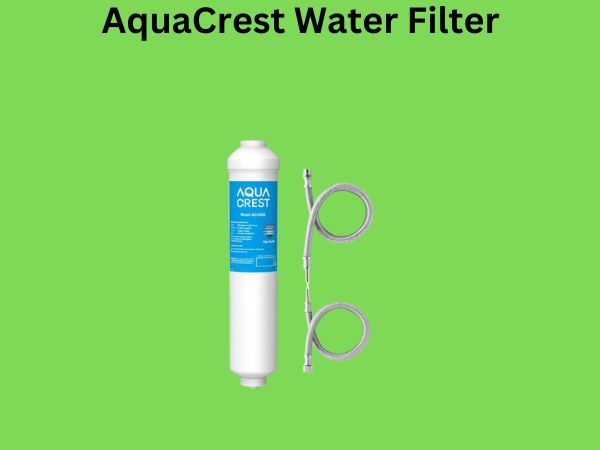
AquaCrest is a relatively newer player in the water filtration market, but don’t let that fool you into thinking they’re inexperienced. They’ve built a solid reputation by focusing on replacement filters for popular refrigerator and pitcher-based systems. Think of AquaCrest as the smart alternative to expensive original manufacturer filters. They produce compatible replacement cartridges that work with various brand names at a fraction of the cost.
AquaCrest’s Core Philosophy
The company’s main selling point is straightforward: deliver high-quality filtration without the premium price tag attached to brand-name filters. They manufacture filters that are compatible with systems from companies like Samsung, LG, and Whirlpool. It’s a savvy business model that appeals to budget-conscious families who’ve already invested in a filtration system.
What Is PUR? Understanding the Brand Better
PUR is an established name in water filtration that’s been around for decades. They manufacture both their own filtration systems and replacement filters, giving them complete control over the product experience from start to finish. When you buy a PUR filter, you’re getting a filter made by the company that designed the entire system it’s meant for.
PUR’s Market Position and Legacy
PUR has positioned itself as a premium water filtration brand. They’re known for their pitcher filters, faucet-mounted systems, and under-sink solutions. The brand has earned consumer trust through consistent performance and extensive marketing. Walk into almost any grocery store, and you’ll spot PUR filters in the water section.
Filtration Technology: How Each System Works
Now let’s dig into the technical side of things. Understanding how these filters actually work will help you determine which one suits your needs best.
AquaCrest Filtration Method
AquaCrest filters typically use activated carbon and ion exchange resin as their primary filtration media. Activated carbon is like a tiny sponge with millions of pores that trap contaminants. The ion exchange resin works differently—it swaps harmful ions (like those that cause hardness) with harmless ones like sodium or potassium. This two-stage approach is pretty effective at removing common tap water impurities.
The filters are designed to reduce chlorine taste and odor, sediment, and some heavy metals. They’re particularly good at improving water flavor without requiring complex installation procedures.
PUR Filtration Technology
PUR uses a proprietary blend of activated carbon and ion exchange technology as well, but they’ve invested heavily in research and development to refine their formula. Their filters often include additional stages designed to target specific contaminants more aggressively than competitors. PUR emphasizes that their filters reduce more types of contaminants compared to standard filters.
What sets PUR apart is their focus on certification and testing. They conduct rigorous third-party testing to validate their claims, which appeals to consumers who want proof that their investment actually works.
Price Comparison: What You’ll Actually Spend
Let’s talk money, because this is often the deciding factor for most households.
AquaCrest Pricing Structure
Here’s where AquaCrest really shines. Their filters typically cost between $25 to $45 depending on the model and which system they’re compatible with. When you buy in bulk, the per-filter cost drops even further. For example, a six-pack of AquaCrest filters might cost around $120 to $150, bringing the individual filter price down to just $20 to $25.
PUR Pricing Structure
PUR filters are positioned at a premium price point. Original PUR replacement filters typically range from $40 to $60 per filter. While you might occasionally find sales or subscribe-and-save programs that offer modest discounts, the baseline price is noticeably higher than AquaCrest alternatives.
The Real Cost Difference
Let’s do some actual math here. If you replace your filter every three months and use your system year-round, you’re looking at four filters annually. With AquaCrest, that’s roughly $100 to $160 per year. With PUR, you’re spending $160 to $240 annually. Over five years, you’re potentially saving $300 to $400 by choosing AquaCrest. That’s not pocket change.
Filter Lifespan and Replacement Frequency
How long does each filter actually last? This matters because a filter that requires replacement every two months isn’t really a bargain if it costs the same as one that lasts four months.
AquaCrest Filter Longevity
Most AquaCrest filters are rated for approximately 100 to 200 gallons of filtered water, depending on the specific model and your local water quality. In practical terms, this usually translates to about two to three months for an average household. The company is transparent about these figures, which I appreciate.
PUR Filter Longevity
PUR filters typically last slightly longer, rated for 100 to 150 gallons depending on the model, which can extend to three to four months for typical household use. The extended lifespan—while modest—does offset some of the higher purchase price when you factor in fewer replacements needed.
Contaminant Reduction: What Gets Filtered Out?
This is perhaps the most important question: which filter actually removes more bad stuff from your water?
What AquaCrest Removes
- Chlorine and chlorine taste/odor
- Sediment and particulate matter
- Some heavy metals including lead and mercury
- Certain pesticides and organic compounds
- General water hardness reduction
What PUR Removes
- Chlorine and chlorine taste/odor
- Sediment and particulate matter
- Heavy metals including lead, mercury, and cadmium
- More extensive pesticide and organic compound removal
- Additional pharmaceutical residue reduction
- Some microbial cysts (depending on model)
The honest truth? For most tap water in developed countries, both filters handle the primary contaminants adequately. PUR’s advantage comes into play if you’re dealing with specific water quality issues or want more comprehensive protection against emerging contaminants.
Compatibility and System Types
You can’t just buy any filter—it has to work with your existing system. Let’s break down compatibility issues.
AquaCrest Compatibility
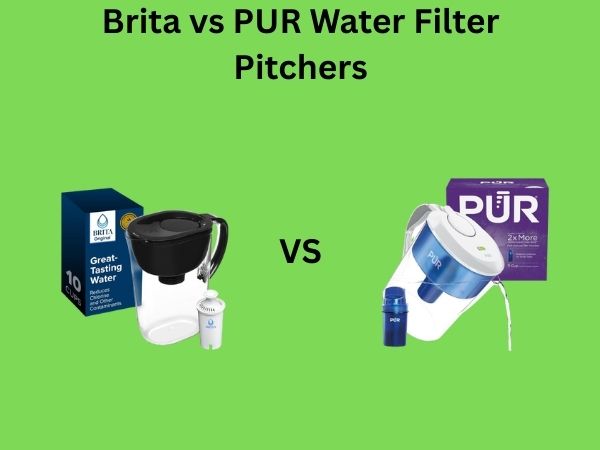
AquaCrest has built their business model around compatibility. Their filters work with numerous major refrigerator brands including Samsung, LG, Whirlpool, and others. If you already have a refrigerator with a built-in water dispenser, there’s probably an AquaCrest filter that fits your system. They also make pitcher filters compatible with brands like Brita and PUR, which is kind of ironic.
PUR System Compatibility
PUR manufactures their own complete systems—pitcher filters, faucet-mounted filters, and under-sink systems. If you want PUR filtration, you’re typically buying into their ecosystem. However, their replacement filters only work with PUR systems, which creates some lock-in effect.
Installation and Ease of Use
How much hassle is involved in setting up and maintaining these filters?
AquaCrest Installation Process
Installing AquaCrest filters is refreshingly simple. Since they’re replacement filters for existing systems, you’re typically just removing the old filter and sliding in the new one. Most people can do this in under five minutes without any tools or technical knowledge. It’s literally remove, insert, and you’re done.
PUR Installation Experience
PUR pitcher filters are equally simple—just pop off the lid, remove the old filter, and insert the new one. Their faucet-mounted and under-sink systems require slightly more involved installation, though it’s still manageable for someone with basic DIY skills. First-time installation might take 15 to 30 minutes depending on your comfort level.
Certification and Testing Standards
Does the filter actually do what the company claims? Certification matters here.
AquaCrest’s Testing and Certification
AquaCrest filters meet NSF/ANSI standards for their performance claims. While they conduct testing, they don’t always publicize as extensively as competitors. The certification is there, but you might need to dig a bit to find the detailed documentation.
PUR’s Commitment to Testing
PUR is more aggressive in promoting their certification. They regularly conduct third-party testing and broadcast the results in their marketing materials. They also test their filters against specific contaminants and publish the percentage reduction rates. From a transparency standpoint, PUR does a better job of showing their homework.
Environmental Impact and Sustainability
What happens to your used filters, and which company is more environmentally responsible?
AquaCrest Environmental Practices
AquaCrest has started a filter recycling program, though it’s not as comprehensive as some competitors. They encourage customers to recycle used filters, but the logistics require a bit of effort on your part. The company is gradually improving their sustainability initiatives.
PUR Environmental Commitment
PUR has established more formal take-back and recycling programs in certain regions. They’re actively working to reduce plastic waste and have made commitments toward sustainability goals. Their environmental messaging is more developed and accessible to consumers.
Customer Service and Warranty Support
What happens if something goes wrong or you have questions?
AquaCrest Customer Support
AquaCrest offers customer service through email and phone, with response times typically within 24 to 48 hours. They provide straightforward warranty coverage for defective products. Customer reviews suggest they’re responsive to issues, though they’re not known for going above and beyond.
PUR Customer Support
PUR has established customer service infrastructure with multiple contact options. They offer lifetime warranties on some pitcher systems and provide prompt assistance. Their customer service reputation is generally strong, with many users reporting satisfactory resolution to problems.
Real-World Performance: What Users Actually Experience
Let’s look at what real people say about these products.
AquaCrest User Feedback
Users consistently praise AquaCrest for value and performance. The common theme is that the filters work as well as original manufacturer filters at a fraction of the cost. Some users note that they don’t notice any difference between AquaCrest and premium alternatives. However, a small percentage report occasional quality inconsistency issues.
PUR User Feedback
PUR users generally report satisfaction with water quality improvement. They appreciate the taste and odor reduction, though some question whether the premium price is justified. Users appreciate PUR’s customer service responsiveness and warranty support.
Making Your Decision: Which Filter Is Right for You?
So which should you actually buy? Here’s my honest recommendation based on different scenarios:
Choose AquaCrest If:
- You have a budget constraint and need to minimize ongoing costs
- You already own a compatible system and just need replacements
- Your tap water quality is reasonably good to begin with
- You’re comfortable doing your own research on filter compatibility
- You replace filters yourself without needing professional installation
Choose PUR If:
- You want comprehensive testing data and certification transparency
- You’re concerned about specific contaminants in your water
- You value established brand reputation and customer service
- You need a complete new filtration system rather than just replacements
- You’re willing to pay more for extended filter lifespan
Conclusion
The AquaCrest versus PUR debate doesn’t have a one-size-fits-all answer. Both brands deliver functional water filtration, but they appeal to different priorities and budgets. AquaCrest excels as a cost-effective solution for people with existing systems who want to reduce their filtration expenses without sacrificing quality. They offer genuine value and perform reliably for typical household water quality issues.
PUR, on the other hand, justifies their premium pricing through extensive testing, transparent certification, and superior customer service. If you’re willing to invest more for comprehensive protection and don’t mind paying extra for peace of mind, PUR delivers that assurance.
My personal take? If you’re budget-conscious and your water quality is decent, AquaCrest is an excellent choice that will serve your family well while keeping more money in your pocket. If you have specific water quality concerns or simply prefer the security of a well-established brand with rigorous testing protocols, PUR is worth the additional investment. Either way, you’re choosing a filter that will improve your drinking water quality—and that’s what matters most.
Frequently Asked Questions
Can I use AquaCrest filters in a PUR system?
While AquaCrest makes filters compatible with some PUR pitcher systems, they cannot be used interchangeably with all PUR products. It’s critical to verify compatibility before purchasing. Many AquaCrest filters are designed for refrigerator systems or other brands entirely. Check the specific product listing and your system’s model number before buying to ensure compatibility. Using an incompatible filter won’t provide proper filtration and could potentially damage your system.
How often should I change my water filter regardless of brand?
Most water filters should be replaced every two to four months for average household use, translating to approximately four filters per year. However, this varies based on your water quality, household size, and daily water usage. If you have a larger family or heavily contaminated water, you might need to replace filters more frequently. Check your filter for visual signs of saturation—if water flows slowly or tastes like chlorine again, it’s time for a replacement regardless of the recommended timeline.