
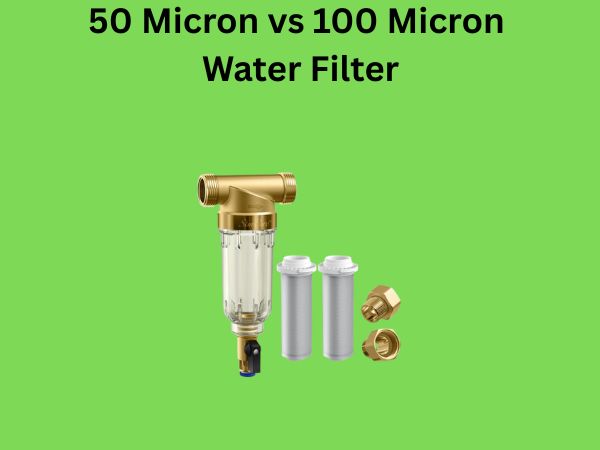
50 Micron vs 100 Micron Water Filter: A Comprehensive Pre-Filter Comparison Guide
When you’re standing in front of water filtration options, trying to decide between a 50 micron and a 100 micron filter, it can feel like you’re choosing between two very similar things. But here’s the thing – these two filters are actually quite different in what they can do for your water quality. Let me walk you through this comparison so you can make an informed decision that’s right for your specific needs.
Understanding Water Filter Micron Ratings
Before we dive into the specific differences, let’s talk about what micron ratings actually mean. A micron is one millionth of a meter – incredibly tiny. Think of it like this: if a human hair is about 70 microns thick, then a 50 micron filter can catch particles that are smaller than half the width of a human hair. The smaller the micron rating, the finer the filtration, which means more contaminants get trapped.
When manufacturers label a filter as “50 micron” or “100 micron,” they’re telling you the size of particles that filter can effectively remove from your water. It’s like choosing between a tennis racket with tighter strings versus one with looser strings – tighter strings will catch smaller objects.
What Is a 50 Micron Filter?
A 50 micron pre-filter is the finer option between these two choices. This filter catches particles that are 50 microns or larger in size. You’d be surprised at how much stuff falls into this category. Sediment, rust particles, some types of algae, and various other visible and invisible contaminants get trapped by this filter.
Advantages of 50 Micron Filters
- Captures smaller particles more effectively than 100 micron filters
- Provides better protection for downstream filters in your system
- Reduces the workload on your main filter, extending its lifespan
- Improves water clarity noticeably, especially in well water systems
- Excellent for households with higher sediment content in their water
Disadvantages of 50 Micron Filters
- Clogs more frequently than 100 micron filters
- Requires more frequent replacement, increasing maintenance costs
- Can reduce water flow rate more significantly
- May need more frequent flushing or backwashing
- Slightly higher replacement cost per filter
What Is a 100 Micron Filter?
A 100 micron pre-filter is the coarser option. This filter lets through particles smaller than 100 microns while catching the larger sediment and debris. It’s like having a net with bigger holes – you’ll catch larger fish, but the smaller ones swim right through.
Advantages of 100 Micron Filters
- Longer lifespan between replacements – you won’t change them as often
- Better water flow rates compared to 50 micron alternatives
- Lower maintenance requirements overall
- More cost-effective for systems with low sediment levels
- Easier to manage and less disruptive to your water pressure
Disadvantages of 100 Micron Filters
- Allows smaller sediment particles to pass through
- Provides less protection for secondary filters in your system
- Not ideal for water with high sediment content
- May require more frequent cleaning of downstream filters
- Less effective at improving water clarity in sediment-heavy situations
Key Differences Between 50 and 100 Micron Filters
Filtration Efficiency
The most obvious difference lies in what each filter can remove. A 50 micron filter catches twice as many particles as a 100 micron filter simply because it has finer mesh. If your water contains moderate to high levels of sediment, sand, rust, or silt, the 50 micron option will give you significantly cleaner water at the first stage of filtration.
Water Flow Rate
Here’s where physics comes into play. A finer filter naturally creates more resistance to water flow. If you’re running a whole-house system, a 50 micron filter will slow down your water pressure more than a 100 micron filter. This isn’t necessarily a dealbreaker – it depends on your water pressure to begin with – but it’s something to consider if you already have low pressure issues.
Lifespan and Replacement Frequency
Because 50 micron filters catch more particles, they fill up faster. You might find yourself replacing a 50 micron filter every two to four months, while a 100 micron filter could last six to twelve months under the same conditions. This directly impacts your maintenance schedule and overall costs.
Cost Considerations
Initially, 100 micron filters might seem cheaper since they last longer between replacements. However, 50 micron filters often cost less per unit. The real question is what you’ll spend annually on replacements. If you have high sediment water, the 50 micron filter protects your more expensive downstream filters, potentially saving you money in the long run.
When Should You Choose a 50 Micron Filter?
If you’re dealing with well water, you’ve got cloudy tap water, you notice sediment buildup in your pipes, or your water test results show high particulate matter, a 50 micron filter is your best friend. This is your option if you want maximum protection and aren’t concerned about slightly reduced water pressure.
Also consider a 50 micron filter if you have a multi-stage filtration system. The extra protection in the first stage means your activated carbon filter and other secondary filters won’t get clogged as quickly, extending their effectiveness and life.
When Should You Choose a 100 Micron Filter?
If your water is relatively clean to begin with, you have good water pressure that you don’t want to compromise, and you prefer less frequent maintenance, go with the 100 micron option. Municipal water supplies that are already treated and relatively clean are great candidates for 100 micron pre-filters.
The 100 micron filter also makes sense if your household has low water pressure issues already. You don’t want to add unnecessary restriction to your system if you’re already struggling with flow.
System Considerations
Whole House Filtration Systems
For whole-house systems, the choice between 50 and 100 micron really depends on your source water quality. If you’re on a municipal water line with decent treatment already in place, 100 micron might be sufficient. But if you’re on a well or have noticed rust stains or sediment, go with 50 micron for that first critical barrier.
Point-of-Use Systems
For under-sink or countertop systems, a 50 micron pre-filter provides excellent protection for your more specialized filters like reverse osmosis membranes or ceramic filters. These downstream components are expensive, and protecting them should be a priority.
RV and Travel Systems
If you’re filtering water for an RV or while traveling, a 50 micron filter is your insurance policy against unpredictable water sources. You never know what’s in the water supply at different locations, so finer filtration gives you peace of mind.
Maintenance and Filter Changes
Let’s talk about what happens after you install these filters. Maintenance isn’t difficult, but it’s important to stay on top of it. A clogged filter loses its effectiveness and can actually reduce your water pressure significantly.
Recognizing When Filters Need Replacement
You’ll notice several signs that your filter is ready for a change. Water pressure drops noticeably, water becomes cloudier or takes on a slight taste or odor, or you simply reach the manufacturer’s recommended timeline. Most filters have a visual indicator that darkens as the filter gets dirtier.
Replacement Process
The actual replacement is straightforward – you’ll turn off the water, open the filter housing, remove the old filter, rinse the housing, install the new filter, and turn the water back on. It’s a fifteen-minute job that doesn’t require any special tools or expertise for most residential systems.
Cost Analysis Over Time
Let’s do some real math here. A 50 micron filter might cost you fifteen to twenty dollars, while a 100 micron filter costs twelve to eighteen dollars. That doesn’t sound like much, but consider this: if you replace a 50 micron filter every three months, that’s about sixty to eighty dollars annually. A 100 micron filter lasting nine months costs only sixteen to twenty-four dollars annually.
However, if that 50 micron filter is protecting a two-hundred-dollar reverse osmosis membrane or other expensive downstream component, suddenly saving money on maintenance of those components could outweigh the filter replacement costs.
Installation Tips and Compatibility
Before you commit to either option, make sure it’s compatible with your current system. Most standard housings accept standard filters, but some manufacturers have proprietary systems. Check your existing filter housing to determine what size and type it accommodates.
Also consider the orientation of your filter housing. Some are designed for vertical installation, others for horizontal. This might seem obvious, but getting it wrong can lead to leaks or improper filtration.
Real-World Performance Expectations
Here’s what you can actually expect in your home. With a 50 micron filter, you’ll notice water clarity improvements almost immediately if you had sediment issues. Your water will taste fresher, and you won’t see that rusty discoloration you might have noticed before. With a 100 micron filter, the improvements are more subtle – your water might look the same, but it’s still capturing larger particles that could damage your pipes or appliances.
Environmental Impact
More frequent filter replacements with 50 micron filters mean more waste, which is something to consider if environmental impact matters to you. On the other hand, the improved protection means less waste from damaged appliances and fixtures that could result from unfiltered sediment.
Testing Your Water Quality
The best decision comes from knowing your water quality. Consider getting your water tested before investing in a filtration system. You can test for turbidity, sediment levels, and other particulates. This takes the guesswork out of choosing between these two options.
Conclusion
Choosing between a 50 micron and 100 micron water filter isn’t about which one is universally better – it’s about which one fits your specific situation. A 50 micron filter is your champion if you’re dealing with sediment-heavy water, well water, or you want maximum protection for expensive downstream filters. It requires more frequent changes but gives you superior filtration and peace of mind.
A 100 micron filter makes sense if your water source is relatively clean, you value convenience and lower maintenance, and you have adequate water pressure that you don’t want to compromise. It’s a practical choice for many municipal water users who don’t have significant sediment problems.
The investment you make today in choosing the right pre-filter will pay dividends in water quality, appliance longevity, and system efficiency. Take the time to assess your water quality, consider your system’s needs, and make the choice that aligns with your priorities. Either way, you’re upgrading your water quality – it’s just a matter of choosing the right level of filtration for your circumstances.
Frequently Asked Questions
Can I use a 50 micron filter if my system is designed for 100 micron filters?
In most cases, yes. They’re typically the same physical size and will fit standard housings. However, you might experience slightly reduced water pressure because the filter is finer. Some systems have minimum flow rate requirements, so check your manufacturer’s specifications before making the switch.
How often should I replace my pre-filter?
This depends on several factors including your water quality, household water usage, and the micron rating of your filter. A 50 micron filter typically needs replacement every two to four months, while a 100 micron filter might last six to twelve months. Most filters come with a visual indicator that tells you when replacement is necessary.
Will a 50 micron filter remove bacteria and viruses?
No. A 50 micron filter removes particles but not biological contaminants like bacteria or viruses. Those require additional filtration methods like UV treatment, activated carbon, or reverse osmosis. Pre-filters like 50 and 100 micron options are just the first step in comprehensive water treatment.
What’s the difference between a 5 micron and 50 micron filter?
A 5 micron filter is ten times finer than a 50 micron filter. It captures significantly more particles but clogs much faster. A 5 micron filter is typically used as a secondary filter after a pre-filter like 50 or 100 micron. Using a 5 micron filter first would require extremely frequent replacements and create excessive water pressure loss.
Does micron rating affect water taste or odor?
Pre-filters like 50 and 100 micron options remove particles but not dissolved contaminants that cause taste or odor issues. For those problems, you’ll need activated carbon filtration or other specialized treatments. Pre-filters improve clarity and remove sediment, but they’re not designed to address chemical tastes or smells.
“`
![10 Best Activated Charcoal Water Filter [2026]](https://waterans.com/wp-content/uploads/2026/06/10-best-activated-charcoal-water-filter-2026-featured-768x432.jpg)

![10 Best Water Filter For Home [2026]](https://waterans.com/wp-content/uploads/2026/06/10-best-water-filter-for-home-2026-featured-768x432.jpg)