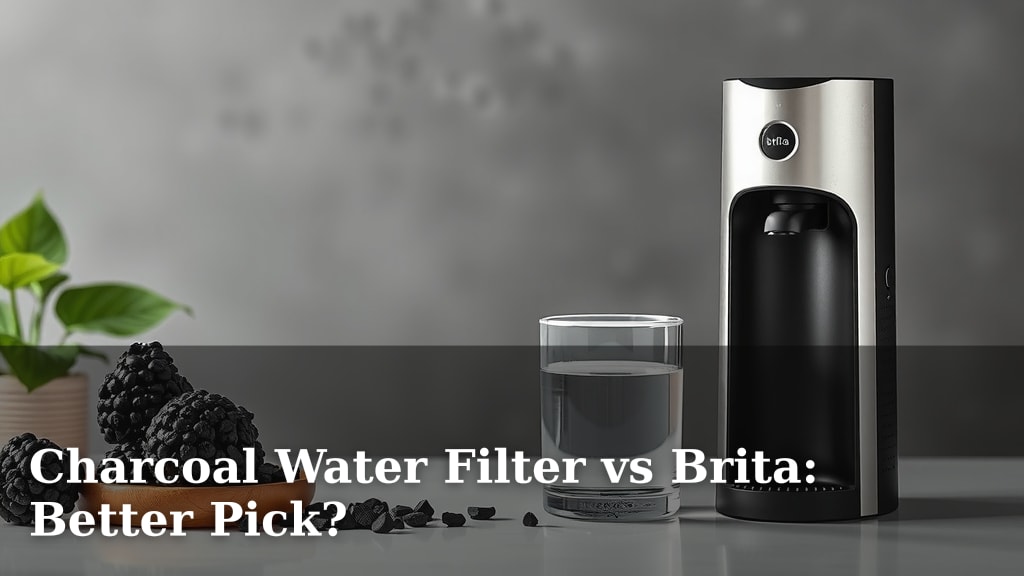
Charcoal Water Filter vs Brita: Better Pick?
When choosing between a charcoal water filter and a Brita filter, research shows that Brita generally offers a more convenient and widely available option for everyday tap water. While both filter types use activated charcoal to remove impurities, Brita pitchers are designed for ease of use and frequent filter changes, making them a popular household choice for better-tasting water.
You might be wondering which filter is actually better for your needs. Many experts agree that while charcoal is effective at improving taste and odor, the specific design and filter lifespan can vary greatly. Brita’s system is known for its simplicity and accessibility, offering a straightforward way to get cleaner water.
- Brita is typically more convenient for daily use.
- Both use activated charcoal, but Brita’s design is very user-friendly.
- Filter replacement for Brita is straightforward and widely understood.
- Consider your budget and how often you plan to filter water.
Let’s break down the differences between charcoal water filters and Brita to help you decide which one fits best into your daily routine.
You’ve got your water pitcher ready, but what’s inside making it cleaner? It usually comes down to activated charcoal. Think of it like a super-spongy material that pulls out all the not-so-great stuff from your tap water. But is any charcoal filter as good as a Brita? We dug into it.
Charcoal Filters vs. Brita: What’s Really the Difference?
When you see “charcoal filter,” it’s often referring to the core technology inside many water pitchers. Brita is a brand that *uses* charcoal filter technology. So, it’s less of an “either/or” and more of a “brand vs. type.” Brita is a well-known brand that makes pitchers and uses activated charcoal filters. Many other brands also use charcoal filters, but they might not be as readily available or have the same name recognition.
How Activated Charcoal Works Its Magic
Activated charcoal is basically charcoal that’s been processed to be extremely porous. Imagine a sponge with tiny, tiny holes. These holes are where the magic happens. Impurities in the water, like chlorine, odors, and certain chemicals, get trapped in these pores. It’s a bit like a sticky trap for bad tastes and smells.
Research shows this process is quite effective. It can make your water taste and smell much better. Many health organizations, like the CDC, mention filtration as a way to improve water quality, and activated carbon is a common method.
The Brita System: Convenience in a Pitcher
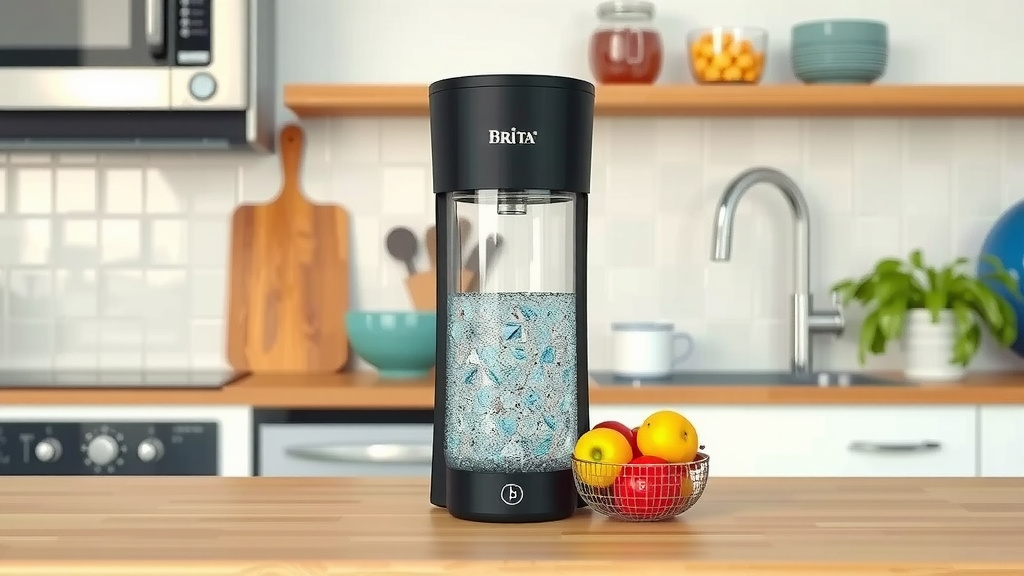
Brita pitchers are designed with simplicity in mind. You fill the pitcher, the water filters through the Brita-branded filter, and you get better-tasting water. It’s a straightforward system that many households have adopted. The filters themselves are designed to be replaced regularly, typically every couple of months, depending on usage. This regular replacement ensures the filter is always working its best.
One of the biggest advantages of Brita is its wide availability. You can find Brita pitchers and replacement filters in most grocery stores and online retailers. This makes it super easy to maintain your filtered water supply without a second thought. We found that this accessibility is a major win for busy people.
Other Charcoal Filter Options: A Broader Category
Beyond Brita, there are other brands that use activated charcoal filters. These can come in various forms: faucet attachments, under-sink systems, or even standalone filter cartridges. While the core technology is the same—activated charcoal—the performance and lifespan can vary. Some might offer specialized filtration for specific contaminants, while others are more basic.
When you’re looking at non-Brita charcoal filters, it’s important to check the specifications. What exactly does the filter claim to remove? How often does it need to be replaced? Sometimes, these alternative options can be more budget-friendly, but you might sacrifice some convenience or brand recognition. We found that doing a little extra research here pays off.
Comparing Performance: What Do They Actually Filter?
Both types of filters are primarily focused on improving the aesthetic qualities of your water. This means they excel at reducing:
- Chlorine taste and odor: This is the most common improvement you’ll notice.
- Sediment: Small particles can be caught.
- Certain organic compounds: These can affect taste and smell.
However, it’s important to understand what they *don’t* typically filter out. Standard charcoal filters, including most Brita ones, are not designed to remove dissolved solids like minerals, fluoride, or heavy metals like lead. For that, you might need a more advanced system like reverse osmosis or a specialized filter.
Filter Lifespan and Replacement Costs
This is where you’ll see a noticeable difference. Brita filters are designed for a specific lifespan, usually measured in gallons or months. For example, a standard Brita filter might last for about 40 gallons, or roughly two months for the average household. The cost of replacement filters adds up over time. You’ll need to budget for these ongoing expenses.
Other charcoal filter systems can have much longer lifespans or shorter ones. Some pitcher filters might last longer than Brita’s, potentially saving you money in the long run. Conversely, some very basic charcoal filters might need replacement more frequently. We found that keeping track of your water consumption is key to estimating these costs accurately.
Ease of Use and Maintenance
Brita excels here. Their pitchers are generally simple to assemble and use. Changing the filter is usually a quick, no-fuss process. Most people can do it in under a minute. The indicator on the pitcher (or a reminder on your phone) helps you know when it’s time for a new one. This convenience factor is a big reason for their popularity.
With other charcoal filter types, maintenance can vary. Faucet filters might require occasional cleaning of the aerator. Under-sink systems could involve more complex filter changes. If you’re looking for the path of least resistance, Brita often wins.
Making Your Choice: What’s Best for You?
So, is a generic charcoal filter better than a Brita, or vice versa? It really depends on your priorities. We’ve put together a quick guide to help you decide.
Consider this checklist:
- Convenience: Do you want an easy, grab-and-go solution?
- Availability: Do you need filters you can find anywhere?
- Budget: How much are you willing to spend upfront and on replacements?
- Filter Performance: What specific contaminants are you trying to remove?
- Maintenance: How much effort are you willing to put into upkeep?
If your main goal is to simply improve the taste and odor of your tap water with minimal hassle, a Brita pitcher is likely your best bet. It’s a reliable, widely available, and user-friendly option. We found that for most households, this covers the primary need for filtered water.
However, if you’re looking for something potentially more cost-effective long-term, or a filter that targets specific contaminants beyond taste and odor, you might want to explore other activated charcoal filter systems. Just be prepared to do a bit more research into their specifications and maintenance requirements. Remember, the “best” filter is the one that fits seamlessly into your life and meets your specific needs.
Conclusion
Deciding between a generic charcoal filter and a Brita comes down to what you value most. We found that Brita offers unmatched convenience and widespread availability for everyday tap water improvement. Its user-friendly design makes filtering simple. If your main goal is better-tasting water without a fuss, Brita is a solid, accessible choice. For those seeking potentially different price points or specific filtration needs beyond taste and odor, exploring other charcoal filter systems is worthwhile. Just remember to check their performance and maintenance details carefully. Your best pick is the one that fits easily into your daily life.
Frequently Asked Questions
Do Brita filters actually remove contaminants?
Brita filters are excellent at reducing chlorine taste and odor, and can also capture sediment and certain organic compounds. Research shows they effectively improve the aesthetic qualities of tap water. However, they are not designed to remove dissolved minerals, fluoride, or heavy metals like lead.
Are generic charcoal filters cheaper than Brita in the long run?
This really varies. Some non-Brita charcoal filter systems might have a lower upfront cost or longer filter lifespans, potentially saving you money over time. Others might require more frequent replacements. We found it’s important to compare the cost per gallon or per year for any filter you consider.
How often should I replace my charcoal water filter?
For Brita, it’s typically every 40 gallons or about two months for average use. For other charcoal filters, the replacement schedule can differ significantly. Always check the manufacturer’s recommendations for your specific filter model to ensure optimal performance.
Can I use any generic charcoal filter in a Brita pitcher?
No, you should not use generic charcoal filters in a Brita pitcher unless they are specifically designed and marketed as compatible replacements. Brita filters are engineered to fit their pitchers precisely. Using an incompatible filter may lead to poor filtration or leaks.
What is the main difference between activated charcoal and Brita?
Activated charcoal is the filtering material itself, a porous carbon substance that traps impurities. Brita is a brand that uses activated charcoal in its proprietary filter designs. Think of it like “tissue” versus the brand “Kleenex.” Brita is a popular, accessible product that relies on charcoal technology.