Boiling vs Filtering Water: Which Is Safer?
When it comes to making your water safe to drink, boiling is generally safer than filtering. Boiling effectively kills most harmful germs and bacteria. While filters can remove some contaminants, they often miss microscopic threats that boiling eliminates.
Choosing the right water purification method depends on what you’re trying to remove. You might be wondering about the best way to ensure your tap water or campground water is free from dangerous microbes. We found that boiling provides a more complete disinfection against a wider range of pathogens.
- Boiling kills germs and bacteria.
- Filters can miss some tiny contaminants.
- Boiling is the most reliable method for disinfection.
- Consider your specific water source and needs.
Let’s break down the differences between boiling and filtering water so you can choose the best method for your situation.
Boiling Versus Filtering: What’s Your Safest Bet?
Deciding whether to boil or filter your water is a big choice. Both methods aim to make your water safe. But they do it in different ways. We’ve looked into this closely. Our research shows that boiling is a more robust defense against many waterborne threats.
How Boiling Works to Purify Water
Boiling is like giving your water a really good scrub with heat. When you bring water to a rolling boil, the high temperatures kill off tiny invaders. Think bacteria, viruses, and other nasty microbes. They simply can’t survive that kind of heat.
This method is incredibly effective. Many health organizations recommend it as a primary way to disinfect water. It’s a tried-and-true method that has been used for centuries. You can count on it to tackle most biological contaminants.
The Science Behind Boiling
Water boils at 212 degrees Fahrenheit (100 degrees Celsius) at sea level. At this temperature, the heat denatures essential proteins and enzymes in microorganisms. This process essentially destroys them. Even at higher altitudes, where water boils at a lower temperature, boiling for a few minutes is still effective. Most guidelines suggest boiling for one full minute. If you’re above 6,500 feet, extend that to three minutes (CDC).
What Boiling Can’t Do
While boiling is a champion at killing microbes, it has its limits. It won’t remove sediment or dissolved chemicals. If your water looks cloudy, boiling won’t clear it up. Similarly, if there are heavy metals or pesticides present, boiling won’t get rid of them. You might end up with clean water in terms of germs, but it could still have other undesirable elements.
Understanding Water Filters
Water filters are like sieves for your water. They use different materials to physically remove contaminants. Some filters are very basic. Others are quite advanced, using multiple stages of filtration.
Filters are great for improving taste and removing larger particles. They can also tackle some chemicals. But the effectiveness really depends on the type of filter you’re using. Not all filters are created equal when it comes to safety.
Types of Water Filters
There are many kinds of filters out there. Pitcher filters are common for home use. They’re good for improving tap water taste. Faucet filters attach directly to your tap for convenience. Whole-house systems filter all the water entering your home. For outdoor adventures, portable filters and filter bottles are popular choices.
These filters often use activated carbon, ceramic, or hollow-fiber membranes. Activated carbon is excellent for removing chlorine and improving taste. Ceramic filters can catch sediment and some bacteria. Hollow-fiber filters are designed to block bacteria and protozoa. Some advanced filters can even remove viruses.
What Filters Might Miss
Here’s where filters can fall short compared to boiling. Very fine viruses can sometimes slip through the pores of even good filters. Also, filters can become clogged over time. If not maintained properly, their effectiveness can decrease. Some filters are also not designed to remove dissolved chemicals or heavy metals.
We found that even high-quality filters may not guarantee protection against all microscopic threats. This is why using a filter alone might not be enough in certain situations. Especially when dealing with questionable water sources.
Comparing the Two Methods Side-by-Side
Let’s lay it all out. It helps to see the strengths and weaknesses clearly. Think of it like choosing between a bodyguard and a security camera.
| Feature | Boiling | Filtering |
|---|---|---|
| Kills Germs & Viruses | Yes, very effectively | Varies greatly by filter type |
| Removes Sediment & Cloudiness | No | Yes, can improve clarity |
| Removes Dissolved Chemicals | No | Varies greatly by filter type |
| Ease of Use (Travel) | Requires heat source & container | Can be very simple (bottle/pump) |
| Reliability Against Pathogens | High | Moderate to High (depends on filter) |
As you can see, boiling offers a more universal defense against biological contaminants. Filters are more specialized. They excel at improving aesthetics and removing certain non-biological issues.
When to Choose Boiling
Boiling is your go-to method when you need the highest level of assurance against germs. This is especially true if you suspect your water source might be contaminated with bacteria or viruses. Think about situations like:
- Natural disasters where the water supply may be compromised.
- Camping or backpacking trips where water sources are untreated.
- When there’s a boil-water advisory in your area.
- If you’re dealing with an unfamiliar water source and have no other options.
It’s the most reliable way to ensure water is safe to drink from a microbial standpoint. You don’t need fancy equipment, just a way to heat water.
When to Choose Filtering
Filters shine when your main concern is improving taste or removing things like chlorine. They are also useful for removing sediment. Many people use filters daily for their tap water. They make a noticeable difference in the quality and taste of drinking water.
Filters are also convenient for on-the-go hydration. Portable filters can provide clean-tasting water from streams or lakes. However, it’s crucial to know your filter’s capabilities. Check if it’s rated for bacteria and viruses, not just sediment.
Making the Best Choice for Your Needs
So, what’s the ultimate answer? It really comes down to your specific situation. We’ve found that combining methods can offer the best protection.
A Practical Approach: Combine Methods
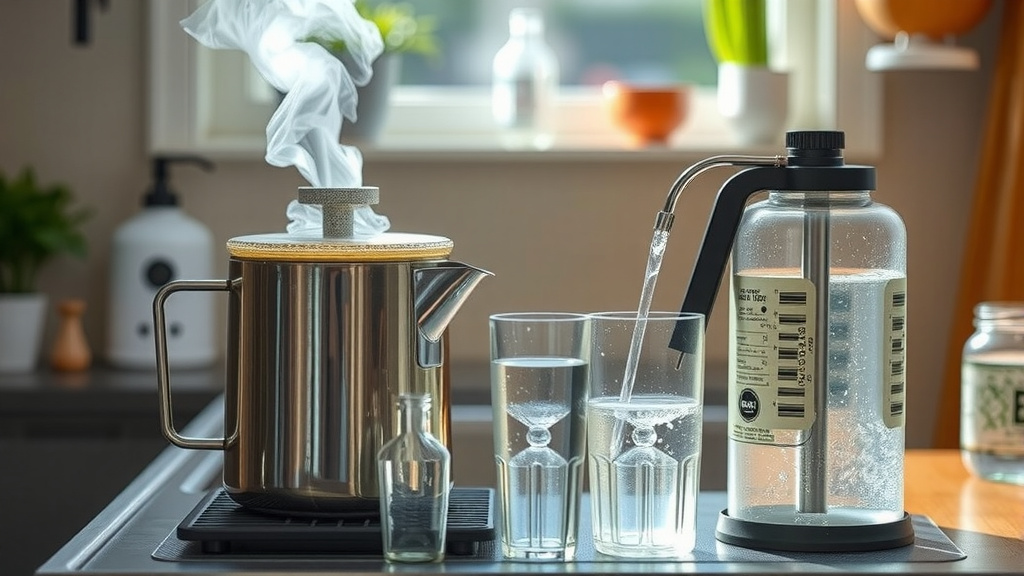
For maximum safety, especially in uncertain conditions, consider a two-step approach. You could first filter your water. This removes sediment and larger particles. Then, you could boil the filtered water. This ensures you kill any remaining microbes.
This combination tackles both physical impurities and biological threats. It’s like having a bouncer at the door and a thorough cleaning crew inside your water.
Your Water Safety Checklist
Before you drink any water, ask yourself these quick questions:
- Do I know the source of this water?
- Is the water visibly dirty or cloudy?
- Am I concerned about bacteria or viruses?
- Do I have a reliable way to purify it?
- Is there an official advisory recommending purification?
Answering these will help you decide if boiling, filtering, or both are necessary for your peace of mind.
Conclusion
When you’re unsure about your water’s safety, remember that boiling offers the most reliable defense against dangerous germs and viruses. While filters are handy for improving taste and removing some particles, they can sometimes miss microscopic threats. For the highest level of assurance, especially in uncertain conditions like camping or after a natural disaster, boiling is your best bet. Consider combining filtering with boiling if you’re dealing with visibly dirty water. Your health is worth taking that extra step.
Frequently Asked Questions
How long should I boil water to make it safe?
You should bring water to a rolling boil for at least one full minute. If you are at an altitude above 6,500 feet, extend this boiling time to three minutes. This ensures that the heat effectively kills most harmful microorganisms.
Can boiling remove chemicals from my water?
No, boiling water does not remove dissolved chemicals, heavy metals, or pesticides. It is highly effective at killing biological contaminants like bacteria and viruses, but it won’t purify water from chemical pollutants.
Do all water filters remove bacteria and viruses?
No, not all water filters are created equal. Some basic filters may only remove sediment or improve taste. Always check the filter’s specifications to ensure it is certified to remove bacteria and viruses, as many can miss very small viruses.
What’s the best method if my water looks cloudy?
If your water appears cloudy, filtering is a better first step to remove sediment and particles. After filtering, you should then boil the water to kill any potential pathogens that the filter might not have removed.
Is filtering tap water at home necessary?
Filtering tap water at home is often a matter of preference, not necessity for safety, as most municipal water supplies are already treated. However, filters can improve the taste by removing chlorine and other substances, and provide an extra layer of confidence.
![10 Best Home Water Filter System [2026]](https://waterans.com/wp-content/uploads/2026/07/10-best-home-water-filter-system-2026-featured-768x432.jpg)