Amway eSpring System: The Basics Guide
The Amway eSpring system is a countertop water purifier that uses a combination of activated carbon filtration and ultraviolet (UV) light. It effectively reduces common contaminants like chlorine and lead from your tap water. Many users find it a convenient way to improve the taste and quality of their drinking water at home.
This system aims to provide cleaner, better-tasting water right from your kitchen faucet. It’s designed to remove more than 140 potential impurities. Many research studies show that multi-stage purification methods can significantly improve water safety and appeal. The eSpring system represents one such approach to home water treatment.
TL;DR:
- Amway eSpring purifies water using carbon filters and UV light.
- It removes over 140 types of contaminants.
- Improves water taste and quality at home.
- Convenient countertop design.
Ready to learn more? Below, we’ll walk you through the essential details of the Amway eSpring system to help you understand its features and benefits.
So, you’re curious about the Amway eSpring system and what makes it tick? You’re in the right place! We’ll break down how this countertop water purifier works and what it can do for your home’s drinking water.
Understanding Your Water Purifier: The eSpring Approach
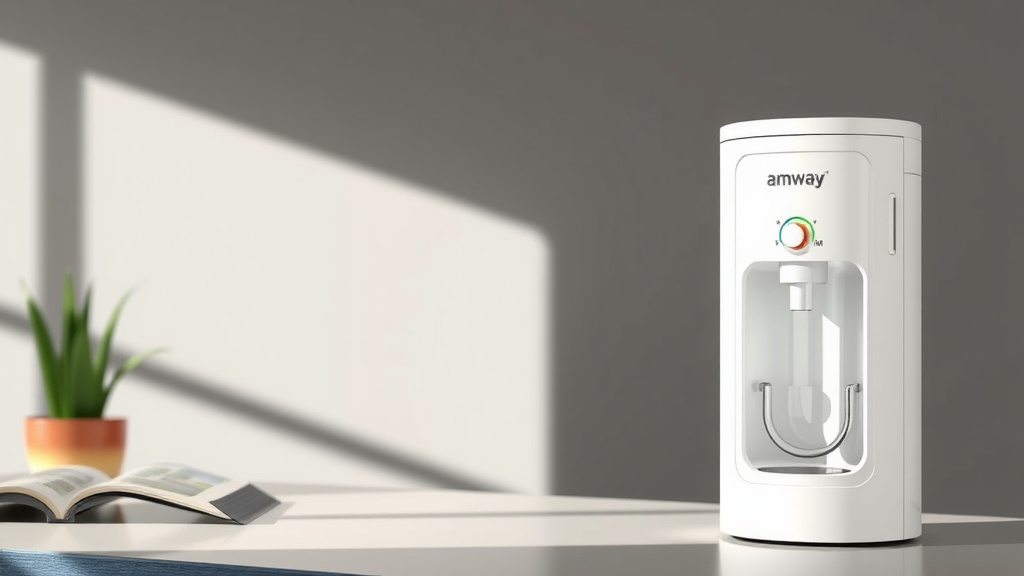
The eSpring system is designed to sit conveniently on your countertop. It connects to your existing faucet. The main goal is to give you better-tasting, cleaner water without needing a complex plumbing setup. Many households are looking for simple ways to improve their tap water quality. This system aims to be that solution.
It’s not just about making water taste good, though. The eSpring system uses a two-stage purification process. This combination is key to its effectiveness. It’s built to handle a variety of common water issues you might find in your tap water. You’re essentially getting a multi-stage filter in one neat package. We’ll look at how these stages work together.
Stage 1: The Activated Carbon Filter
The first step in the eSpring’s purification process is its activated carbon filter. Think of this filter like a super-sponge for water. Activated carbon is porous. This means it has a huge surface area. It’s excellent at trapping various impurities as water flows through it.
What does it capture? This filter is particularly good at reducing things like chlorine. Chlorine is often added to public water supplies to kill bacteria. While important for safety, it can give water an unpleasant taste and smell. The carbon filter takes care of that, making your water much more enjoyable to drink. It also targets other common contaminants like lead and certain organic compounds.
Stage 2: The Ultraviolet (UV) Light Sterilization
After the water passes through the carbon filter, it moves on to the second stage: the UV light treatment. This is where the system tackles microscopic life. The UV light is designed to inactivate bacteria, viruses, and other microorganisms.
How does it work? The UV light damages the DNA of these tiny organisms. Without functioning DNA, they can’t reproduce. This effectively renders them harmless. It’s a chemical-free way to ensure your water is safer. Many public health organizations recognize UV light as an effective disinfection method (CDC). This stage adds a critical layer of protection.
Key Features You’ll Love
Beyond its two-stage purification, the eSpring system offers several features that make it a popular choice for home use. These are the things that make using it day-to-day a breeze.
Smart Monitoring System
One of the standout features is its smart monitoring system. This is built right into the unit. It keeps track of filter performance and UV lamp life. A display on the unit will show you when it’s time to replace the filter cartridge or the UV lamp. This takes the guesswork out of maintenance.
You won’t have to remember dates or guess if the filter is still working. The system alerts you. This ensures you’re always getting the most out of your purifier. It’s about keeping your water quality consistent without you having to track everything yourself.
Easy Installation and Use
Setting up the eSpring system is designed to be straightforward. It typically connects to your kitchen faucet. You don’t need special tools or a plumber for most installations. The user manual guides you through the process step-by-step.
Once installed, using it is as simple as turning on your faucet. Water flows through the filter and UV light automatically. There are no buttons to press for purification. It’s built for daily convenience. You get purified water on demand whenever you need it.
Electronic Monitoring and Display
The electronic display provides useful information at a glance. It can show you remaining filter life. It also monitors the performance of the UV lamp. Some models may even display the water temperature. This digital interface makes it easy to stay informed about your system’s status.
| Component | Primary Function | What It Reduces/Inactivates |
|---|---|---|
| Activated Carbon Filter | Physical filtration and adsorption | Chlorine, lead, sediment, VOCs, bad taste/odor |
| UV Lamp | Water sterilization | Bacteria, viruses, cysts |
| Electronic Monitor | System performance tracking | Alerts for filter/lamp replacement |
What Does the eSpring System Reduce?
Amway states that the eSpring system is tested to reduce over 140 potential contaminants. This is a pretty broad claim, so let’s break down what that means in practice. The combination of carbon filtration and UV light targets different types of impurities.
Common Contaminants Addressed
Based on company information and independent testing standards, the system effectively reduces:
- Chlorine: Improves taste and smell.
- Lead: A heavy metal that can leach from pipes.
- Mercury: Another potentially harmful heavy metal.
- Volatile Organic Compounds (VOCs): Such as pesticides and industrial solvents.
- Particulates: Like sediment and rust.
- Microbiologicals: Such as E. coli and coliform bacteria, thanks to the UV light.
It’s important to note that the specific contaminants reduced and by how much can vary. This depends on the water source and the condition of the filter. The system is designed to meet specific NSF/ANSI standards for contaminant reduction.
Maintaining Your eSpring System for Peak Performance
To ensure your eSpring system continues to provide clean water, regular maintenance is necessary. This mostly involves replacing the filter cartridge and the UV lamp.
The smart monitor will alert you when these are due. Following these recommendations is key. Using an old filter or UV lamp can reduce the system’s effectiveness. It can even lead to the water quality degrading. Think of it like changing the oil in your car; it keeps everything running smoothly.
Filter and Lamp Replacement Schedule
Generally, the filter cartridge needs replacement about once a year. This is usually after a certain number of gallons have been filtered. The UV lamp typically also needs replacement annually. These replacement intervals are based on estimated usage and product design.
You can purchase replacement cartridges and lamps directly. Following the manufacturer’s guidelines for replacement ensures continued performance. It’s a simple process that guarantees you always have reliable purified water.
Quick Checklist for Maintenance:
- Monitor the electronic display for replacement alerts.
- Replace the filter cartridge as indicated.
- Replace the UV lamp annually or as advised.
- Ensure proper connection to the faucet.
- Periodically wipe down the exterior of the unit.
Keeping up with these simple steps helps you get the most out of your eSpring water purifier for years to come. It’s a small effort for consistently better water.
Conclusion
You’ve learned how the Amway eSpring system uses a smart combination of activated carbon filtration and UV light. This two-stage process effectively tackles common contaminants in your tap water. It improves taste and offers peace of mind. The system’s smart monitoring and easy installation make maintaining cleaner water simple. Now that you understand its core functions, consider if the eSpring system aligns with your home’s needs for better drinking water.
Frequently Asked Questions
How often does the eSpring filter need to be replaced?
Generally, you’ll need to replace the eSpring filter cartridge about once a year. This interval is based on typical usage and the amount of water filtered. Your system’s electronic monitor will alert you when it’s time for a replacement, taking the guesswork out of it.
Is the eSpring system effective against bacteria and viruses?
Yes, the eSpring system uses a UV light stage specifically designed to inactivate bacteria, viruses, and other microorganisms. This UV treatment damages their DNA, preventing them from reproducing and making your water safer. It works alongside the carbon filter for comprehensive purification.
Can the eSpring system remove heavy metals like lead?
The activated carbon filter in the eSpring system is effective at reducing common heavy metals, including lead. It works by trapping these contaminants as water passes through. This helps ensure the water you drink from your tap is cleaner and safer.
Do I need a plumber to install the eSpring system?
For most standard kitchen faucets, the eSpring system is designed for easy DIY installation. You typically won’t need a plumber. The unit connects directly to your existing faucet, and a clear user manual guides you through the process. Basic tools might be helpful but aren’t always necessary.
What does the electronic monitor on the eSpring actually track?
The electronic monitor keeps a close eye on your system’s performance. It tracks the remaining life of both the carbon filter cartridge and the UV lamp. It will provide alerts when it’s time to order and replace these components, ensuring your water purification remains optimal.