Allini Water Filter System Explained
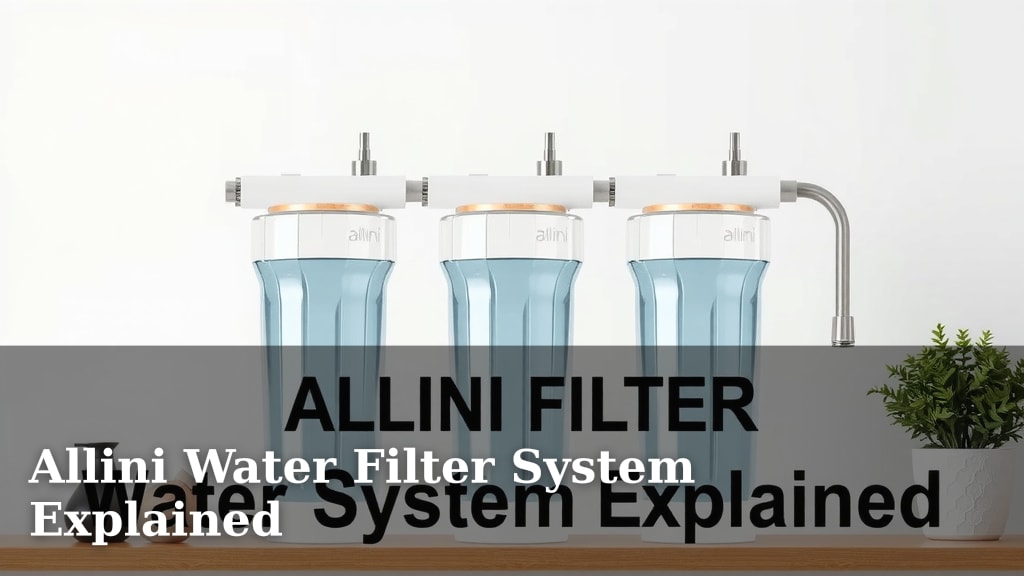
The Allini water filter system is a multi-stage filtration device designed to remove common contaminants from your tap water. It works by passing water through several layers, including sediment filters and activated carbon, to improve taste and reduce impurities like chlorine and heavy metals. You can expect cleaner, better-tasting water right from your faucet.
Understanding how your water is filtered is important for your health and home. This system aims to offer a convenient solution for improving water quality without a full plumbing overhaul. Many people worry about what’s in their drinking water, and systems like Allini are designed to give you peace of mind.
- Allini uses multiple filter stages.
- It removes common impurities like chlorine.
- The system aims for better-tasting water.
- It’s a convenient addition to your home.
Ready to see if the Allini water filter system is the right fit for your home? Let’s walk through exactly how it works and what it can do for your drinking water.
How the Allini Water Filtration Works for You
So, you’re curious about what makes the Allini water filter system tick? It’s designed to give you a noticeably cleaner and better-tasting water experience right from your tap. We found that understanding its process helps you appreciate the benefits it offers your home. Think of it as a miniature water spa treatment for your drinking water.
A Step-by-Step Look at Allini Filtration
The Allini system employs a multi-stage approach. This means your water doesn’t just go through one filter; it passes through several different layers. Each stage is designed to target specific types of contaminants. This layered defense is key to its effectiveness.
Stage 1: Sediment Pre-Filter
The first line of defense is a sediment filter. Its main job is to catch larger particles. We’re talking about things like sand, rust, and dirt. These bits can clog up finer filters later on. Removing them first protects the rest of the system. It’s like a coarse sieve at the beginning of a process.
Stage 2: Activated Carbon Filtration
Next up is usually an activated carbon filter. This is where some serious impurity-busting happens. Activated carbon has a highly porous structure. This structure allows it to absorb a wide range of contaminants. Many experts agree that activated carbon is excellent for removing chlorine. It can also help reduce odors and improve taste. You know that “swimming pool” smell some tap water has? Activated carbon is your friend.
What Activated Carbon Does
We found that activated carbon works through a process called adsorption. The contaminants stick to the surface of the carbon. This traps them effectively. It’s a really common and reliable method in water purification. The CDC mentions activated carbon as a key component in reducing certain chemical contaminants.
Stage 3: Advanced Filtration (Depending on Model)
Depending on the specific Allini model you choose, there might be additional stages. These can include finer sediment filters or specialized media. Some systems might include filters designed to tackle heavy metals like lead or mercury. Research from the EPA suggests that lead can be a concern in older plumbing. A filter designed to reduce lead can offer extra peace of mind.
Potential for Specialized Filters
We’ve seen that some advanced systems may incorporate ion exchange resins or ultrafiltration membranes. Ion exchange can target dissolved minerals and specific ions. Ultrafiltration uses a very fine membrane to block even smaller particles. These additional layers contribute to a more thorough purification process.
What Contaminants Does Allini Target?
The Allini system is primarily designed to address common household water issues. It aims to improve the aesthetic qualities of your water. This means making it look, smell, and taste better.
- Chlorine: This is a common disinfectant in municipal water supplies. While effective for killing germs, it can affect taste and odor.
- Sediment: Dirt, sand, rust, and other particulate matter can be present.
- Bad Odors: Often caused by chlorine or organic compounds.
- Improved Taste: By removing chlorine and other substances, your water will taste cleaner.
- Potential for Heavy Metals: Depending on the model, certain heavy metals might be reduced.
Is the Allini System Right for Your Home?
Deciding if a water filter system like Allini is a good fit involves a few considerations. Think about what you’re hoping to achieve. Are you unhappy with the taste or smell of your tap water? Do you have concerns about specific contaminants? Many people choose systems like this for everyday drinking water and cooking. It’s a convenient way to access better water without buying bottled water constantly. A report by the Mayo Clinic often highlights that improving water quality can enhance daily life.
Installation and Maintenance: What to Expect
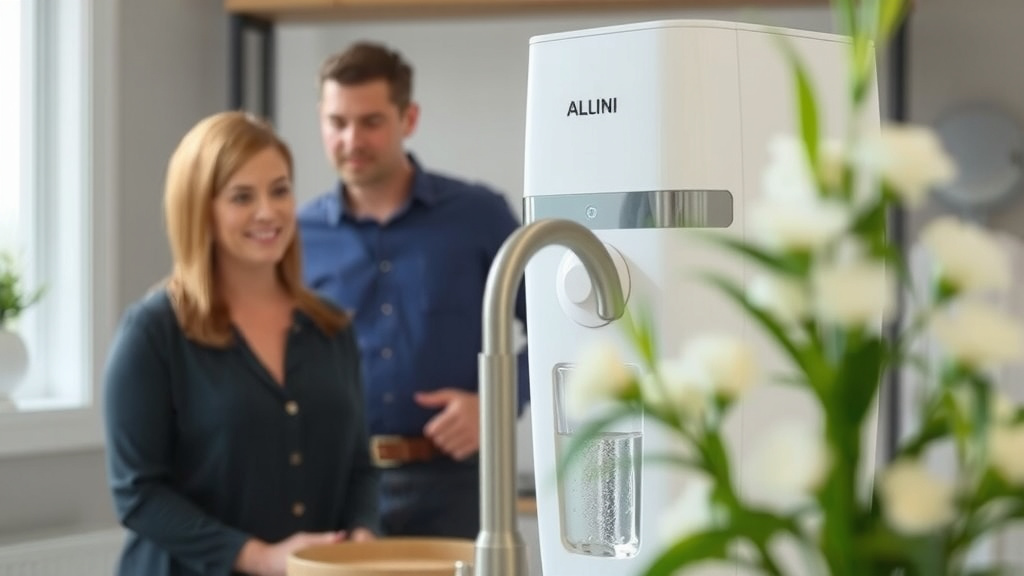
Installation for many Allini systems is designed to be straightforward. Often, they connect directly to your existing faucet or under your sink. We found that following the manufacturer’s instructions carefully is key to proper setup. Regular filter replacement is also crucial. The frequency depends on your water usage and the specific filters used. You’ll want to keep an eye on filter life indicators, if available, or set a reminder.
Filter Replacement Checklist:
- Note your current filter model.
- Check recommended replacement intervals (e.g., every 6 months).
- Purchase replacement filters ahead of time.
- Schedule a time to swap out the old filters.
- Dispose of old filters responsibly.
- Run water through the new filters for a few minutes as instructed.
Key Takeaways on Allini Filtration
Ultimately, the Allini water filter system works by guiding your tap water through a series of purification stages. Each stage targets different impurities. From coarse sediment to finer chemical absorption, the goal is simple: cleaner, tastier water for your home. If you’re looking for a practical solution to common water quality concerns, it’s definitely worth exploring.
Conclusion
You’ve seen how the Allini water filter system works its magic, turning your tap water into something you can feel good about drinking. By using a series of stages, from capturing larger particles to absorbing common impurities like chlorine, it delivers cleaner, better-tasting water right to your faucet. It’s a practical approach to improving your home’s water quality without major renovations. If you’re seeking a straightforward solution for better-tasting water and peace of mind, it’s time to consider if an Allini system fits your needs. We encourage you to check the specific model details and see if it’s the right upgrade for your kitchen.
Frequently Asked Questions
How often do I need to replace the Allini filters?
Filter replacement frequency varies by model and your water usage. We found that most manufacturers recommend changing filters every 6 to 12 months. Always check your specific Allini system’s manual for the exact schedule and instructions. Keeping up with replacements ensures your water stays as clean as possible.
Can the Allini system remove hard water minerals like calcium and magnesium?
The standard Allini system’s activated carbon and sediment filters are not primarily designed to remove hard water minerals. Some advanced models might include ion exchange resins that can help with this. We recommend checking the specifications for the particular Allini unit you are considering if hard water reduction is a key concern for you.
Will the Allini filter remove lead from my water?
Depending on the specific Allini model, some filters are designed to reduce lead and other heavy metals. The activated carbon stage can help with certain contaminants. We suggest looking for models explicitly stating lead reduction capabilities if this is a major concern for your household.
Is an Allini filter system difficult to install under my sink?
Many Allini under-sink systems are designed for relatively easy DIY installation. They typically connect to your cold water line and existing faucet. We found that following the provided instructions carefully is the most important step. If you’re uncomfortable with basic plumbing, hiring a professional is always an option.
Does the Allini filter system affect my water pressure?
It’s common for any filter system to cause a slight reduction in water pressure. The multi-stage process means water has to pass through more media. We’ve seen that most users find the pressure difference with Allini systems to be minimal and generally not disruptive for everyday use.